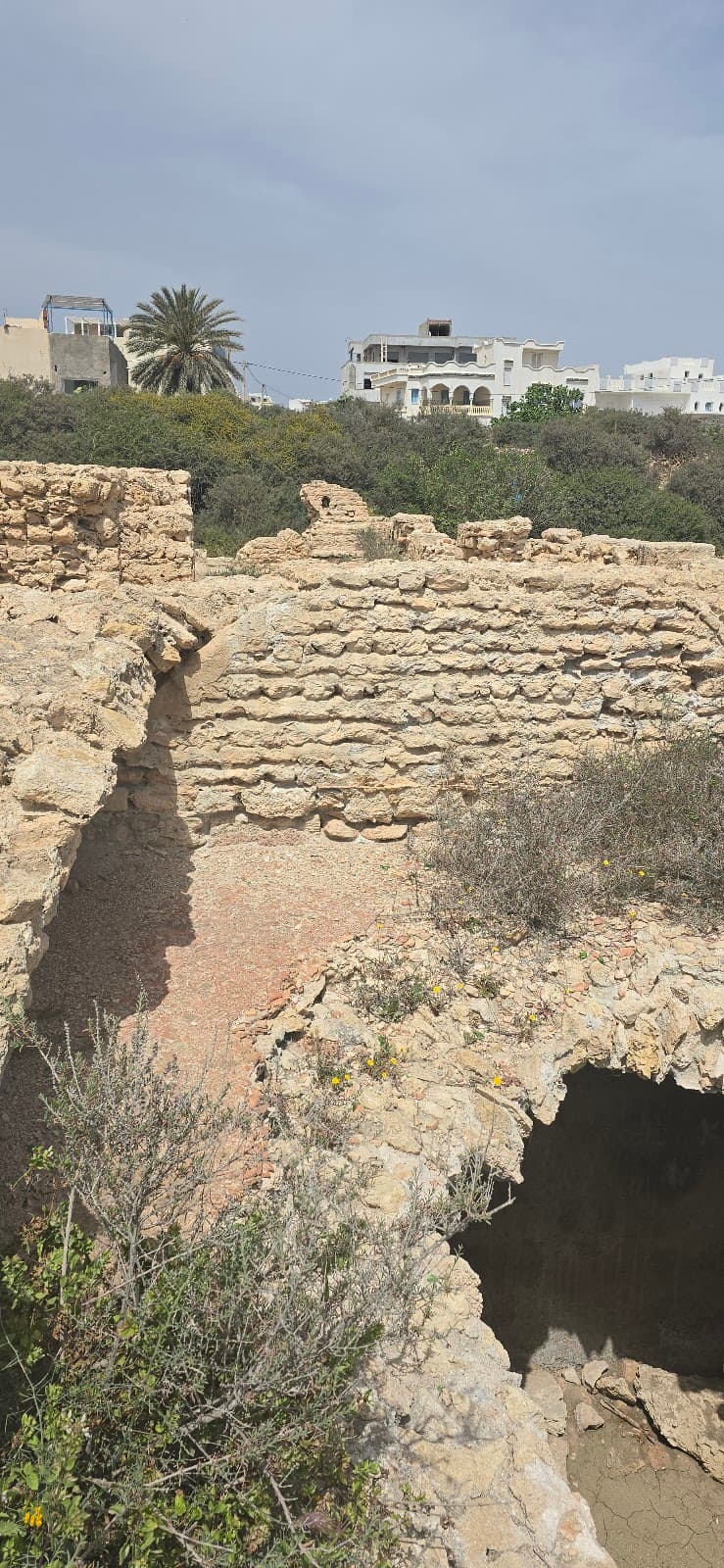
Sullecthum Archaeological Site Salakta
Explore the ancient Punic and Roman ruins of Sullecthum, featuring a remarkable amphitheater and intricate mosaics.
Highlights
Must-see attractions

Social
From TikTok & Reddit
Best Time
Pleasant temperatures for exploring
Sullecthum Archaeological Site Salakta
Best Time
Pleasant temperatures for exploring
Highlights
Must-see attractions
Explore the ancient Punic and Roman ruins of Sullecthum, featuring a remarkable amphitheater and intricate mosaics.
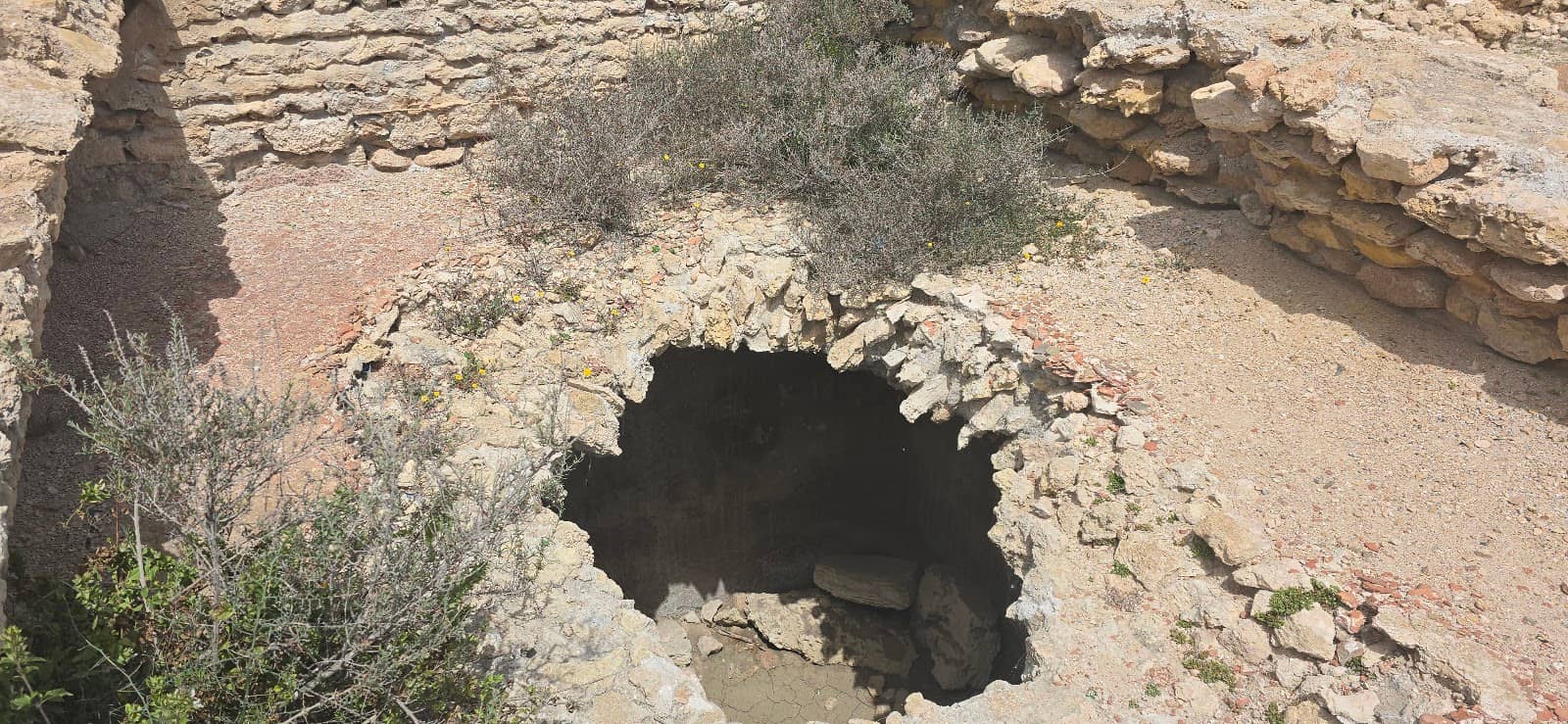
Wear Comfortable Shoes
The terrain is uneven. Sturdy walking shoes are essential for exploring the vast site comfortably. :athletic_shoe:
Bring Plenty of Water
Especially during warmer months, stay hydrated. There are limited facilities on-site. :droplet:
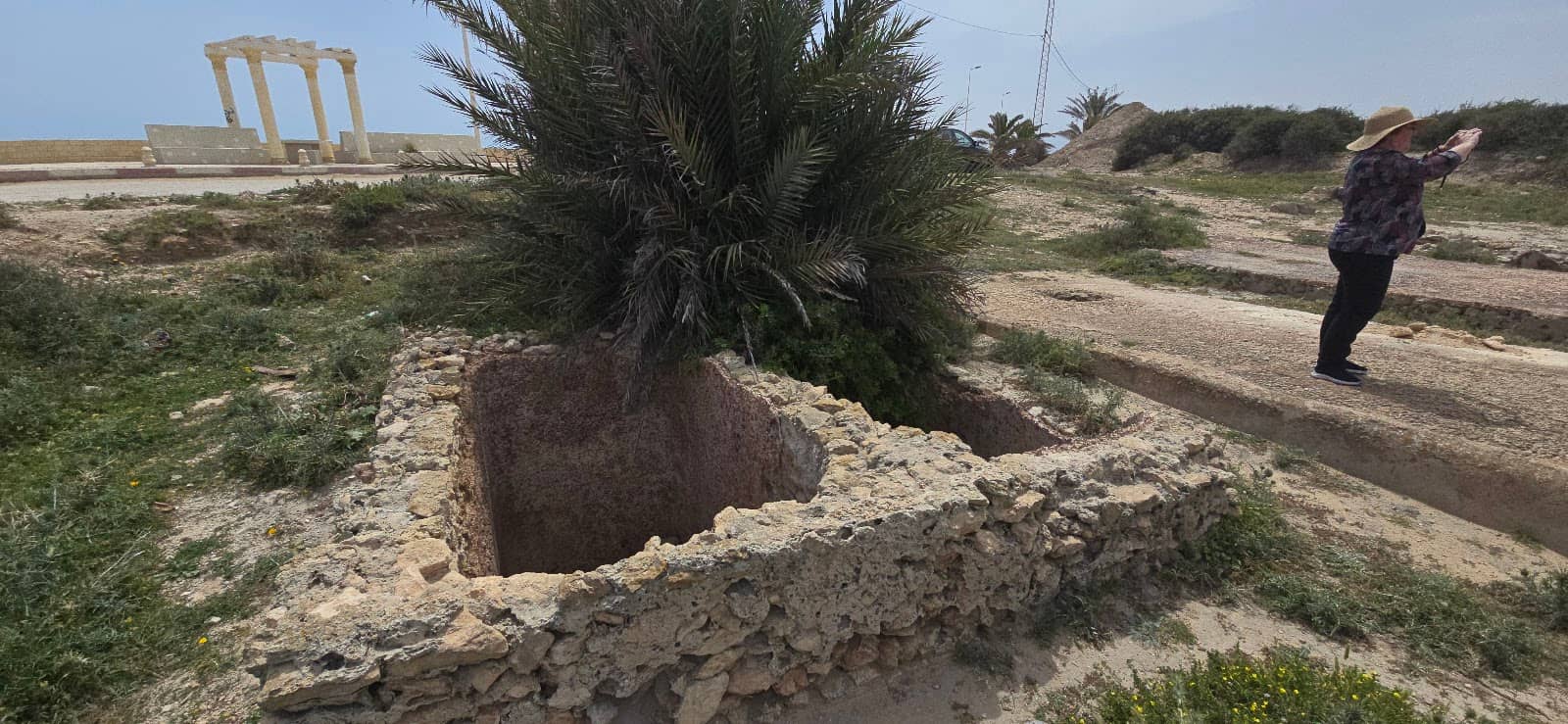
Quick Facts
Address
Highlights
Discover the most iconic attractions and experiences
The Roman Amphitheater
Central area
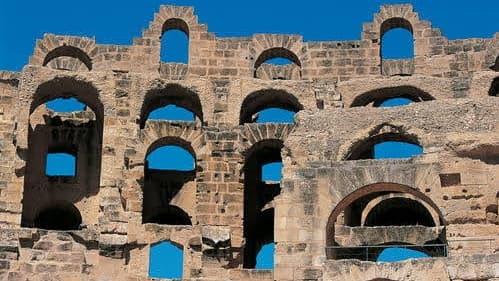
Imagine gladiatorial contests and public spectacles in this remarkably preserved Roman amphitheater.
Ancient Roman Mosaics
Various excavated structures
Marvel at intricate and colorful mosaic floors, showcasing the artistry and daily life of Roman inhabitants.
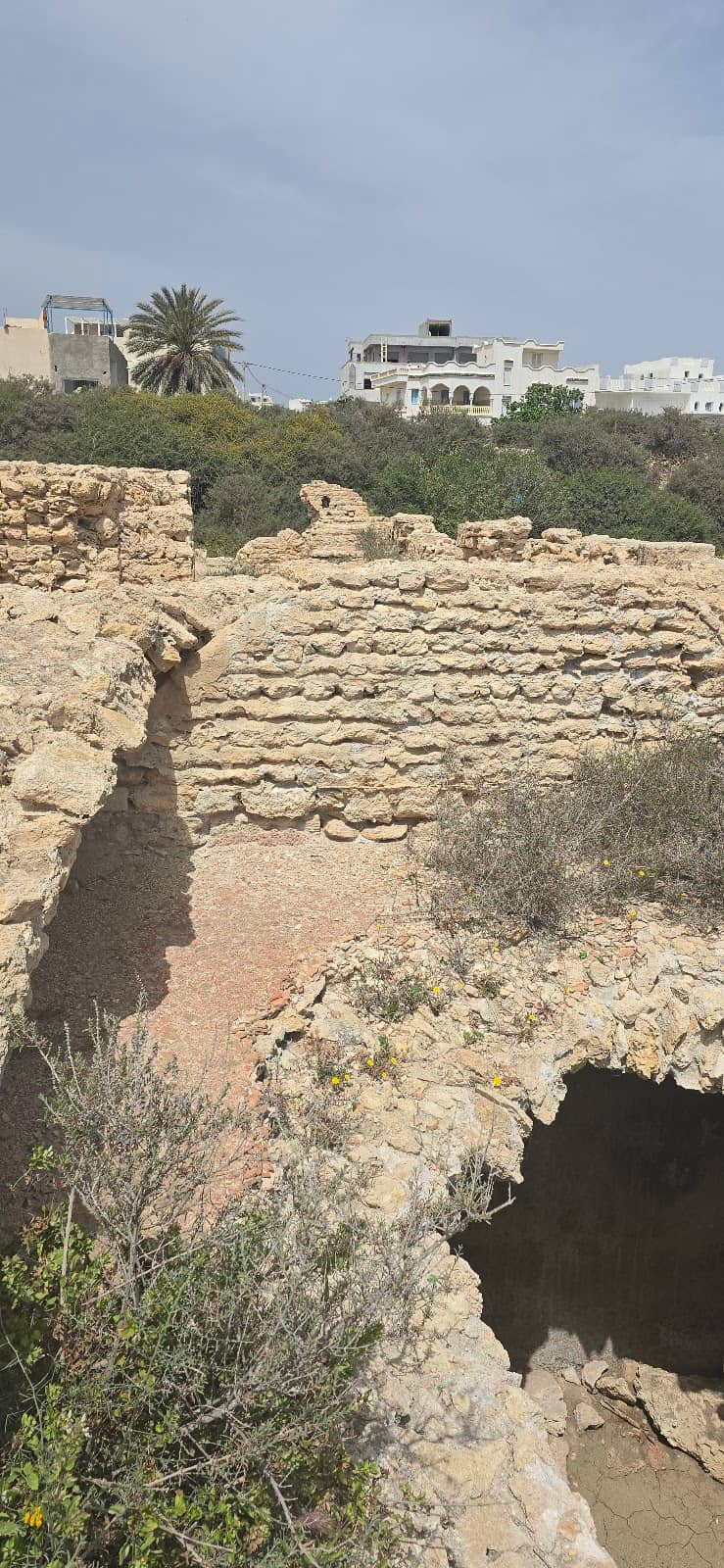
Temple Ruins
Northern section
Explore the remnants of ancient temples, offering insights into the religious practices of the Punic and Roman eras.
Plans like a pro.
Thinks like you
Planning Your Visit
Plan Your Visit to Sullecthum
Getting to Sullecthum
Best Times
Insider Tips
from TikTok, Instagram & Reddit
Wear Comfortable Shoes
The terrain is uneven. Sturdy walking shoes are essential for exploring the vast site comfortably. :athletic_shoe:
Bring Plenty of Water
Especially during warmer months, stay hydrated. There are limited facilities on-site. :droplet:
Sun Protection is Key
Hats, sunscreen, and sunglasses are highly recommended as there's little shade. :sunwithface:
Allow Ample Time
To truly appreciate Sullecthum, dedicate at least 2-3 hours to wander and absorb the history. :clock1:
Tips
from all over the internet
Wear Comfortable Shoes
The terrain is uneven. Sturdy walking shoes are essential for exploring the vast site comfortably. :athletic_shoe:
Bring Plenty of Water
Especially during warmer months, stay hydrated. There are limited facilities on-site. :droplet:
Sun Protection is Key
Hats, sunscreen, and sunglasses are highly recommended as there's little shade. :sunwithface:
Allow Ample Time
To truly appreciate Sullecthum, dedicate at least 2-3 hours to wander and absorb the history. :clock1:
What Travellers Say
Reviews Summary
Visitors praise Sullecthum Archaeological Site Salakta for its impressive Roman ruins, particularly the amphitheater and well-preserved mosaics, offering a tangible connection to ancient history. While facilities are basic and shade is scarce, the site provides a rewarding experience for those interested in archaeology and history, especially when visited during cooler parts of the day.
What People Like
What People Dislike
Frequently Asked Questions
🚇 🗺️ Getting There
Sullecthum is best reached by car. From Tunis, take the A1 highway towards Sousse, then follow signs for Salakta. Alternatively, taxis can be hired from nearby towns like Hammamet or Sousse, though this can be more expensive. Public transport options are limited and may require multiple transfers.
The site is generally well-signposted once you are in the vicinity of Salakta. Using a GPS or a reliable navigation app is recommended for precise directions.
The archaeological site is spread out, so walking is the primary mode of transport. Wear comfortable shoes as the ground can be uneven.
Information on official guided tours can be scarce. It's advisable to check with local tourist information centers or consider hiring a private guide in advance if you desire an in-depth historical narrative.
Yes, Sullecthum is a feasible day trip from Hammamet or Sousse. It's recommended to start early to maximize your time at the site and allow for travel.
🎫 🎫 Tickets & Entry
Opening hours can vary seasonally. It's best to check with local authorities or the Tunisian Ministry of Culture for the most up-to-date information before your visit. Typically, sites are open during daylight hours.
Admission fees are generally modest for Tunisian archaeological sites. Exact prices can fluctuate, so it's wise to confirm current rates upon arrival or through official channels.
Advance booking is usually not required for Sullecthum. Tickets can typically be purchased at the entrance upon arrival.
Discounts may be available for students, children, and seniors. Carrying relevant identification is advisable if you plan to claim any concessions.
Accessibility can be challenging due to the nature of archaeological sites. Uneven terrain and lack of paved paths may limit access for individuals with mobility issues. It's recommended to contact the site management for specific accessibility information.
🎫 🧭 Onsite Experience
The site features a well-preserved Roman amphitheater, remnants of temples, ancient dwellings, and impressive Roman mosaics that offer a vivid picture of past life.
To fully explore and appreciate the ruins, allocate at least 2 to 3 hours. This allows time for leisurely walking and contemplation of the historical significance.
Facilities are often minimal at Tunisian archaeological sites. Restrooms may be available, but cafes or extensive amenities are unlikely. It's best to come prepared.
Photography is generally permitted for personal use. However, using tripods or professional equipment might require special permission. Always be respectful of the historical structures.
Sullecthum showcases a rich history spanning the Punic and Roman periods, offering insights into urban planning, architecture, and daily life from antiquity.
📸 📸 Photography
The Roman amphitheater offers dramatic perspectives, especially during sunrise or sunset. The mosaic floors, when well-lit, also make for stunning photographic subjects. Look for interesting architectural details and expansive views of the ruins.
Early morning or late afternoon provides the best natural light, creating long shadows and a warm glow that enhances the textures of the ancient stones. Midday sun can be harsh and wash out details.
Drone usage is often restricted at archaeological sites due to preservation concerns and regulations. It's crucial to check with local authorities for any permits or prohibitions before flying a drone.
A versatile lens, such as a 24-70mm, is useful for capturing both wide shots of the ruins and details. A wide-angle lens can be great for the amphitheater. Don't forget extra batteries and memory cards.
The uneven terrain can make stable tripod placement difficult. Protecting your gear from dust and sun is also important. Be mindful of other visitors and avoid disturbing the site.
Social
from TikTok, Instagram & Reddit