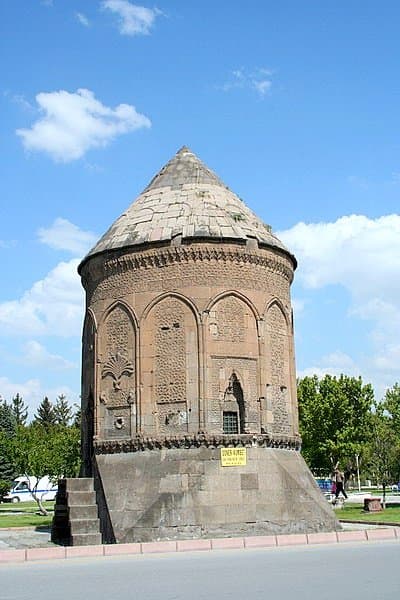
Döner Kümbet
A 13th-century Seljuk tomb in Kayseri, famed for its unique 12-sided design and symbolic stone carvings.
Highlights
Must-see attractions

Social
From TikTok & Reddit
Best Time
Pleasant weather for exploring
Döner Kümbet
Best Time
Pleasant weather for exploring
Highlights
Must-see attractions
A 13th-century Seljuk tomb in Kayseri, famed for its unique 12-sided design and symbolic stone carvings.
"A must-visit place in Kayseri for anyone exploring Turkish heritage."
📸 Capture the Details
Focus on the intricate stone carvings and unique 12-sided design for stunning photos.
📜 Understand the History
Read the information boards to appreciate the tomb's significance and symbolism.
Quick Facts
Hours
Rating
4.5 · 976 reviews
Type
Historical Landmark
Highlights
Discover the most iconic attractions and experiences
12-Sided Seljuk Design
Exterior
Marvel at the unique 12-cornered structure, a testament to Seljuk architectural ingenuity.

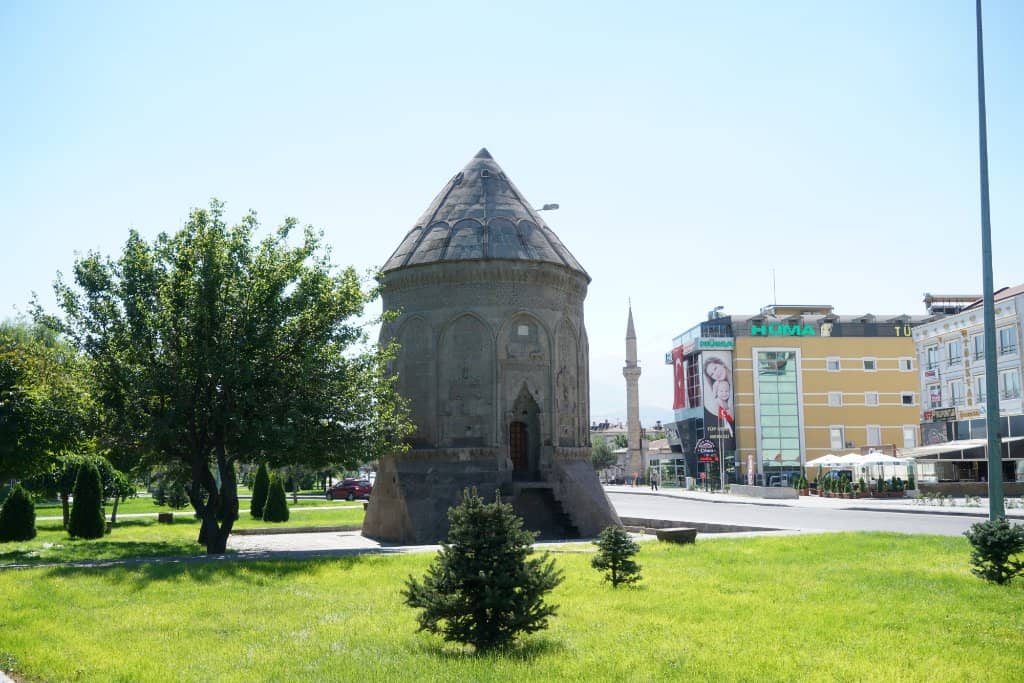
Intricate Stone Carvings
Exterior Facade
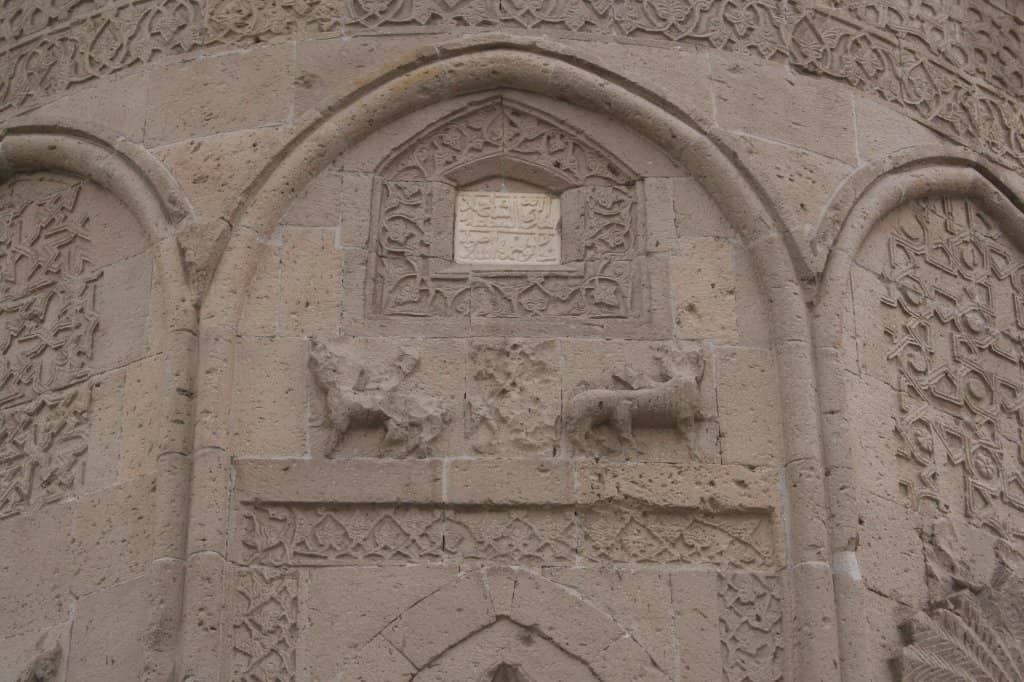
Discover symbolic motifs like the tree of life, double-headed eagle, and lions etched in stone.
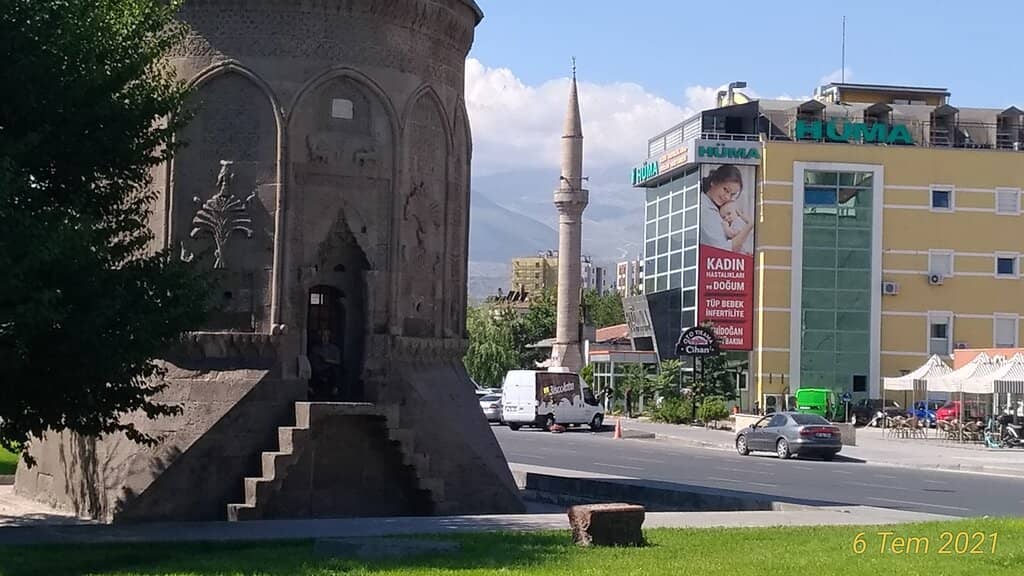
Historical Context
Information Boards
Learn about the tomb's history, built for Princess Şah Cihan Hatun in 1276.
Plans like a pro.
Thinks like you
Planning Your Visit
Seljuk Architectural Gem
Historical Significance
Best Times
Insider Tips
from TikTok, Instagram & Reddit
📸 Capture the Details
Focus on the intricate stone carvings and unique 12-sided design for stunning photos.
📜 Understand the History
Read the information boards to appreciate the tomb's significance and symbolism.
🚶♂️ Explore the Surroundings
Enjoy the peaceful atmosphere and historical importance of the site.
Tips
from all over the internet
📸 Capture the Details
Focus on the intricate stone carvings and unique 12-sided design for stunning photos.
📜 Understand the History
Read the information boards to appreciate the tomb's significance and symbolism.
🚶♂️ Explore the Surroundings
Enjoy the peaceful atmosphere and historical importance of the site.
What Travellers Say
Reviews Summary
Visitors consistently praise the Döner Kümbet for its stunning Seljuk architecture and intricate stone carvings, highlighting its historical significance and peaceful ambiance. It's considered a must-visit for its unique design and well-preserved details, offering a glimpse into Turkish heritage. Some may find the surrounding area less developed, but the monument itself is highly regarded.
"The Doner Tomb is a beautifully preserved historical site with unique Seljuk architecture.
Its cylindrical structure and detailed stone carvings are truly impressive.
The peaceful surroundings add to its charm and historical importance.
It’s a great spot for history lovers and photographers alike.
Information boards help visitors understand the tomb’s background.
A must-visit place in Kayseri for anyone exploring Turkish heritage."
Joy Khan
"The tomb was built in the 14th century, during the Seljuks period. It is famous for the motives like the tree of the life, the double-headed eagle and the lions."
Ahmed Al-Akki
"There are patterns that referred Turkish symbols such as wolfs, lions and life tree. Especially, Life Tree is one of the most important symbols. Moreover, other tombs figured with religious Arabic words, while Doner Kumbet has only Turkish symbols. You should see similar/same symbols in Erzurum Çifte Minareli Medrese and Konya Seljuck tombs."
Selcuk Aslantas
What People Like
What People Dislike
Frequently Asked Questions
🚇 🗺️ Getting There
Döner Kümbet is located in the heart of Kayseri. You can easily reach it by local buses, taxis, or by walking if you are staying nearby.
Yes, Kayseri has a good public transport network, including buses and trams, that can take you close to the Döner Kümbet.
Kayseri has an airport with domestic flights. You can also reach Kayseri by intercity bus.
🎫 🎫 Tickets & Entry
Entry to Döner Kümbet is generally free, as it's an open historical site. However, it's always good to check for any potential small entrance fees or guided tour costs.
As an outdoor historical monument, Döner Kümbet is typically accessible during daylight hours. Specific timings might vary, so checking local information is advised.
Most visitors report that there is no admission fee to view the exterior of Döner Kümbet.
Access inside the tomb may be restricted or not possible, as it is primarily an architectural monument to be admired from the outside.
📸 📸 Photography
The entire exterior offers great photo opportunities. Focus on the detailed carvings, the 12-sided structure, and the symbolic motifs.
Yes, photography is generally allowed around the exterior of Döner Kümbet. Be mindful of any local regulations if you plan to use professional equipment.
Late afternoon often provides beautiful golden light that highlights the stone carvings. Morning light can also be lovely.
🎫 🏛️ History & Architecture
Döner Kümbet was built in 1276 during the Seljuk period, believed to be for Princess Şah Cihan Hatun.
It's known for its 12-sided polygonal body on a square base, topped with a conical roof, and adorned with intricate stone carvings.
Key symbols include the tree of life, double-headed eagle, and lions, which are significant in Turkish and Seljuk iconography.
Unlike many other tombs with religious inscriptions, Döner Kümbet prominently features Turkish symbols, highlighting its cultural significance.


Social
from TikTok, Instagram & Reddit