Sargı Yeri Martyrdom and Museum
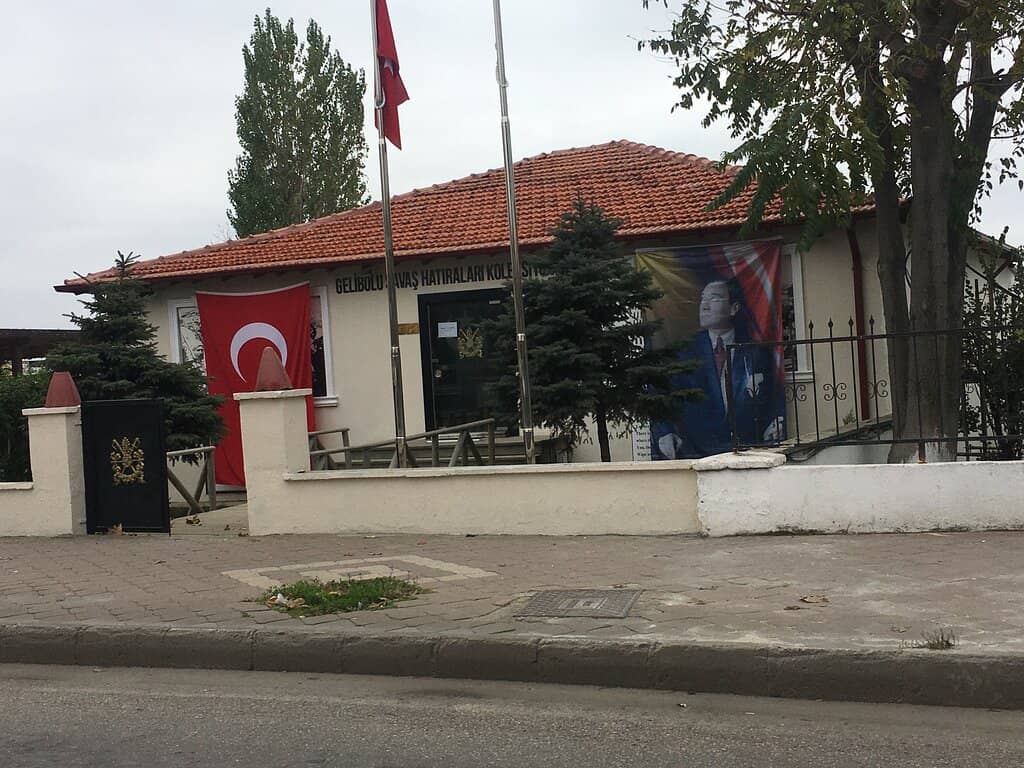
A small, private museum showcasing poignant WWI artifacts from the Gallipoli campaign, offering a tangible connection to history.
Highlights
Must-see attractions

Social
From TikTok & Reddit
Best Time
Fewer crowds, more reflection
Sargı Yeri Martyrdom and Museum
Best Time
Fewer crowds, more reflection
Highlights
Must-see attractions
A small, private museum showcasing poignant WWI artifacts from the Gallipoli campaign, offering a tangible connection to history.
"Small private museum, very tiny but laid out beautifully and holds great value."
🎯 Free Entry & Guides
Entry is often free or very low cost! Ask for a free guide to the Gallipoli war sites.
🤏 Small but Mighty
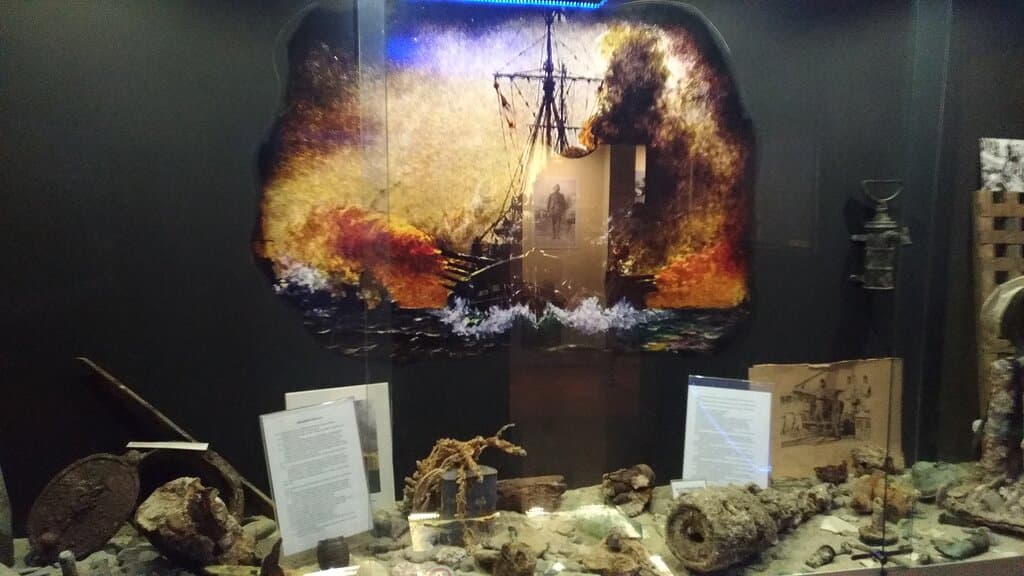
This is a small, private museum with 3-4 rooms, packed with precious artifacts.
Quick Facts
Hours
Rating
4.6 · 715 reviews
Type
Museum
Highlights
Discover the most iconic attractions and experiences
World War I Artifacts
Museum interior
See genuine military items from Ottoman and Allied soldiers, offering a tangible connection to the past.
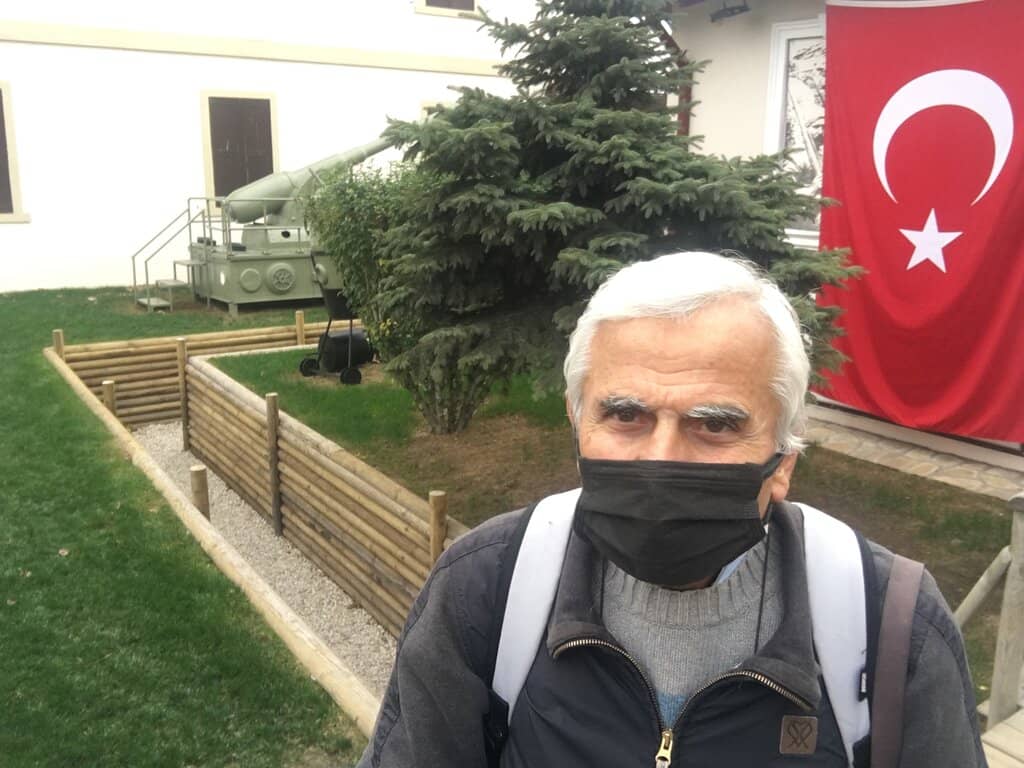
Nusret Minelayer Mine
Museum interior
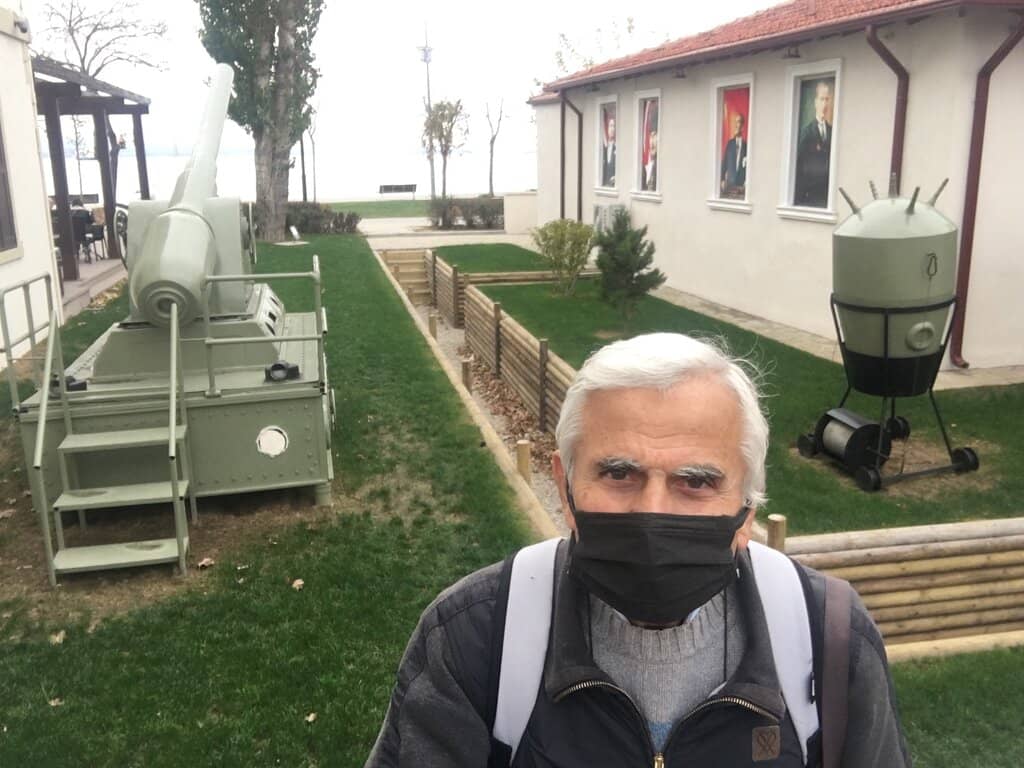
A significant piece of naval history, this heavy mine played a crucial role in the Gallipoli campaign.
Ottoman Cannon
Museum interior
Discover a middle German cannon used by Ottoman troops, a powerful symbol of the conflict.
Plans like a pro.
Thinks like you
Planning Your Visit
Timing Your Visit to Sargı Yeri
Understanding the Gallipoli Context
Best Times
Insider Tips
from TikTok, Instagram & Reddit
🎯 Free Entry & Guides
Entry is often free or very low cost! Ask for a free guide to the Gallipoli war sites.
🤏 Small but Mighty
This is a small, private museum with 3-4 rooms, packed with precious artifacts.
📜 Artifacts Galore
See bullets, uniform parts, water bottles, and more from both Ottoman and Allied forces.
📍 Location Context
Best visited as part of a larger Gallipoli Peninsula tour for historical context.
Tips
from all over the internet
🎯 Free Entry & Guides
Entry is often free or very low cost! Ask for a free guide to the Gallipoli war sites.
🤏 Small but Mighty
This is a small, private museum with 3-4 rooms, packed with precious artifacts.
📜 Artifacts Galore
See bullets, uniform parts, water bottles, and more from both Ottoman and Allied forces.
📍 Location Context
Best visited as part of a larger Gallipoli Peninsula tour for historical context.
What Travellers Say
Reviews Summary
Sargı Yeri Martyrdom and Museum is a small, private collection praised for its affordable entry and valuable WWI artifacts. Visitors appreciate the tangible connection to history, with items from both Ottoman and Allied forces. While modest in size, it offers a poignant glimpse into the Gallipoli campaign.
"A nice little museum. Absolutely worth the visit. Entrance was free when i was there."
Zoltan Toth
"Small private museum which was established by some individuals who collected some war artifacts. There are simply 3-4 very small rooms. As you can see in the photos, majority of the objects are basic military staff like bullets, clothes parts, water bottles, metal pieces, etc. The entry fee is so small 3 TRY for adults and only 1 TRY for students. Basically you can say no charge."
Dahi Yazılım
"There are so many precious objects that you can see, belong to both Ottoman soldiers and Allied forces in this museum. The entrance cost is very cheap. There're also a heavy mine belongs to Nusret Minelayer and middle German cannon, which were both used by Ottoman troops. The objects in the museum tell us much thing about the World War 1 conditions."
Enes Mercan
What People Like
What People Dislike
Frequently Asked Questions
🚇 🗺️ Getting There
Sargı Yeri is located on the Gallipoli Peninsula. Many visitors access it as part of a guided tour from Istanbul or by staying in nearby towns like Çanakkale and taking local transport or a ferry to Eceabat.
Yes, you can take a ferry from Çanakkale to Eceabat, which is a convenient gateway to the Gallipoli historical sites, including the museum.
Driving is possible, but parking can be limited, especially during peak season. Many visitors opt for guided tours or public transport to navigate the historical sites.
Many recommend guided tours for a comprehensive understanding of the historical significance of the sites. Alternatively, staying in Çanakkale or Eceabat allows for independent exploration.
Local buses and dolmuş (shared taxis) operate on the peninsula, but schedules can be infrequent. Guided tours often provide the most seamless transportation.
🎫 🎫 Tickets & Entry
The museum is known for its very affordable entry fee, often just a few Turkish Lira for adults and even less for students. Some visitors have reported it being free.
Given the low cost and small size, advance booking is generally not required. However, checking their official website or local information centers is always a good idea.
Opening hours can vary, especially seasonally. It's best to check with local tourist information or the museum directly for the most up-to-date hours.
As a small, private museum, accessibility might be limited. It's advisable to contact them directly if you have specific accessibility needs.
Students often receive discounted entry, and some visitors have noted free entry on certain occasions.
🎫 🧭 Onsite Experience
You'll find a collection of genuine World War I artifacts, including bullets, uniform fragments, water bottles, and personal items from both Ottoman and Allied soldiers.
Key exhibits include a heavy mine from the Nusret Minelayer and a middle German cannon used by Ottoman troops, offering insights into the military technology of the time.
The museum is quite small, typically consisting of 3-4 rooms. A visit usually takes around 30-60 minutes, depending on your interest level.
Photography policies can vary. It's best to look for signage or ask museum staff before taking pictures to ensure you comply with their rules.
Given its size, a dedicated gift shop or cafe is unlikely. However, nearby towns like Eceabat and Çanakkale offer plenty of dining and souvenir options.
📸 📸 Photography
The most striking photo opportunities are the historical artifacts themselves, like the Nusret Minelayer mine and the Ottoman cannon.
It's always wise to check for 'no photography' signs or ask staff. Some museums restrict flash photography to protect delicate exhibits.
Lighting can vary. Some exhibits might be well-lit, while others could be dimmer. Consider bringing a camera with good low-light performance.
Beyond the museum, iconic photo spots include the memorials, trenches, and the coastline. The Mehmetçik Monument offers a poignant view. +2
Drone usage is often restricted in historical and military sites. Always check local regulations and obtain necessary permits before flying a drone.

Social
from TikTok, Instagram & Reddit