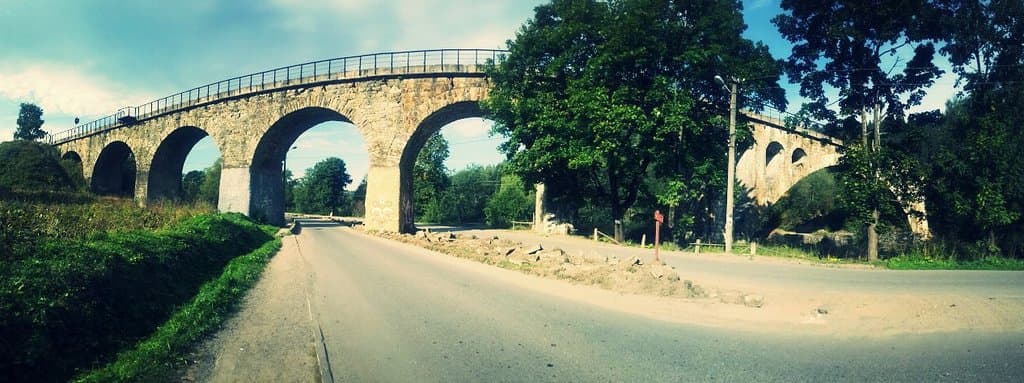
Vorokhta Stone Viaduct
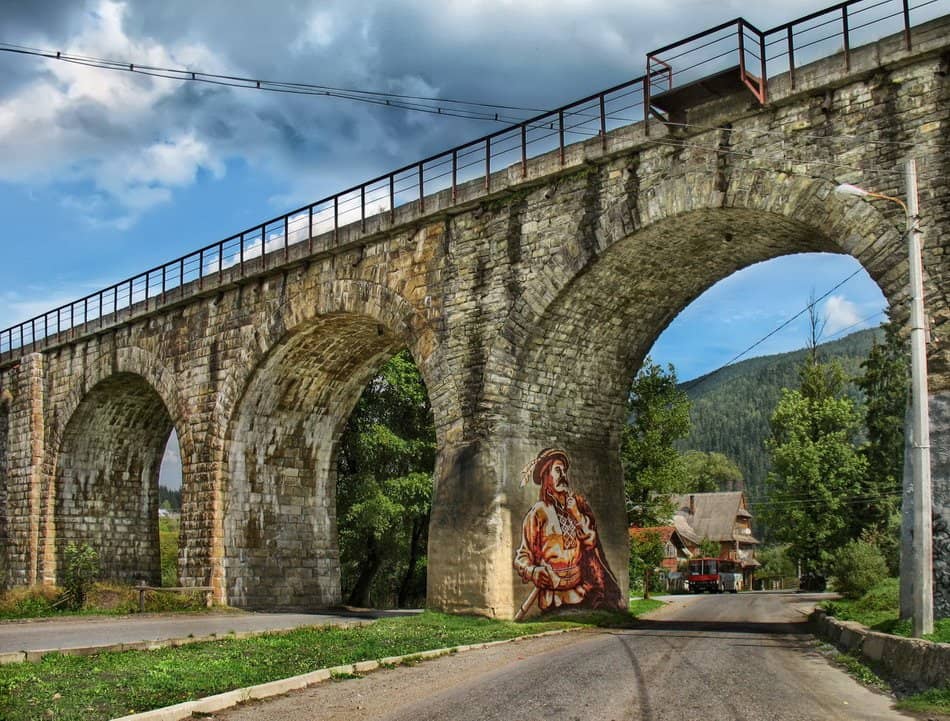
A magnificent 19th-century stone railway viaduct spanning the Prut River in the Carpathian Mountains.
Highlights
Must-see attractions

Social
From TikTok & Reddit
Best Time
Fewer crowds, better light
Vorokhta Stone Viaduct
Best Time
Fewer crowds, better light
Highlights
Must-see attractions
A magnificent 19th-century stone railway viaduct spanning the Prut River in the Carpathian Mountains.
"Beautiful and pretty rare piece of architecture in Ukraine. Gold of the Carpathians!"
📸 Best Photo Spots
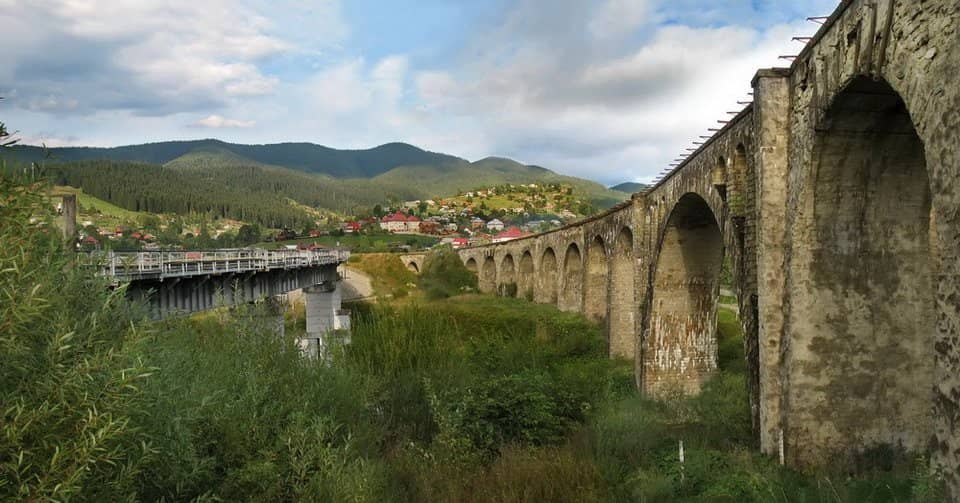
Explore the riverbanks for stunning perspectives. The viaduct looks best from a distance!
🚶♀️ Walking is Prohibited
You can't walk on the viaduct itself, but the views from the surrounding areas are incredible.
Quick Facts
Hours
Rating
4.7 · 1,275 reviews
Type
Historical Landmark
Highlights
Discover the most iconic attractions and experiences
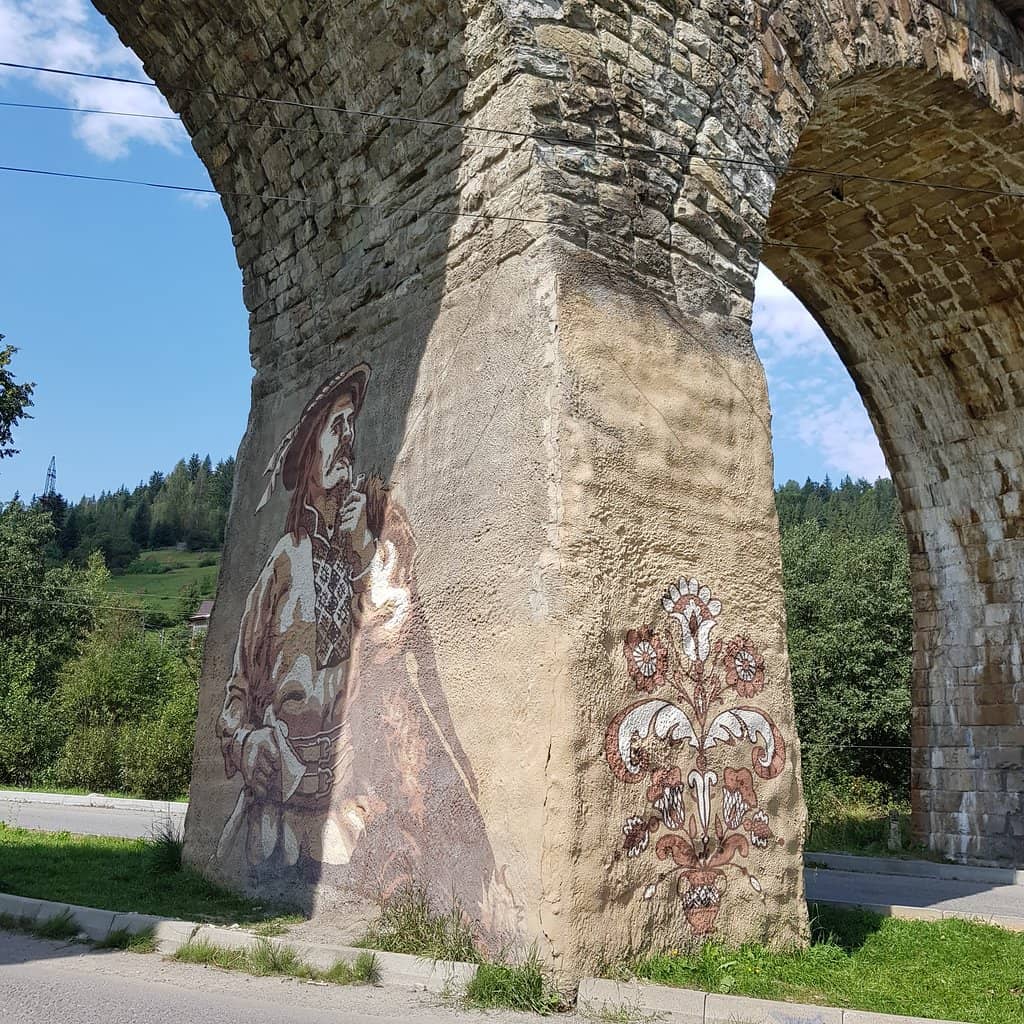
The Grand Stone Arches
Over the Prut River
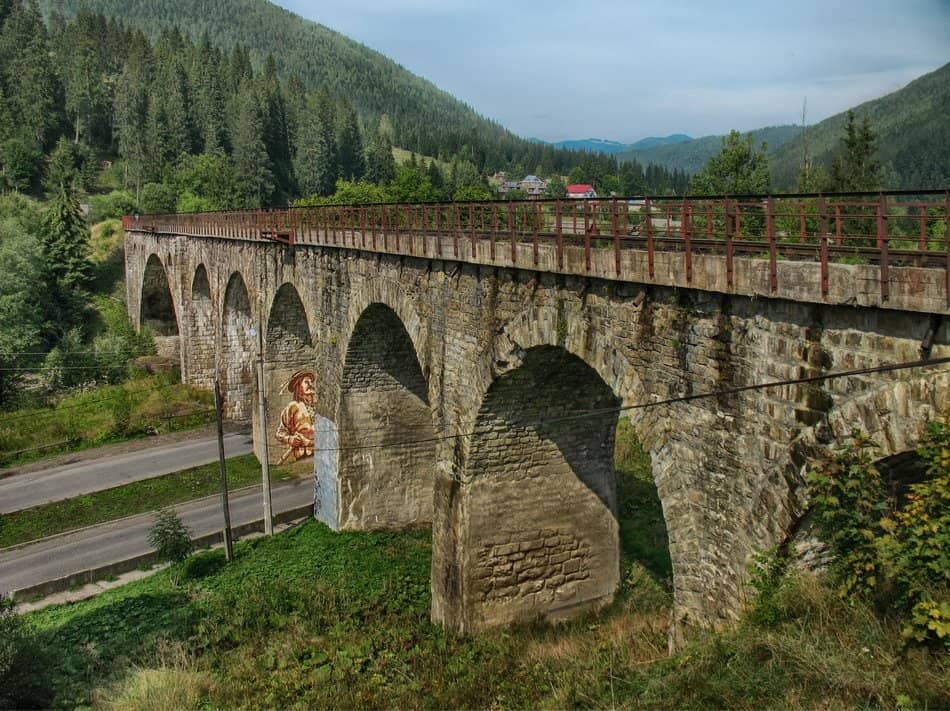
Majestic stone arches of this 19th-century railway bridge, a testament to Austro-Hungarian engineering.
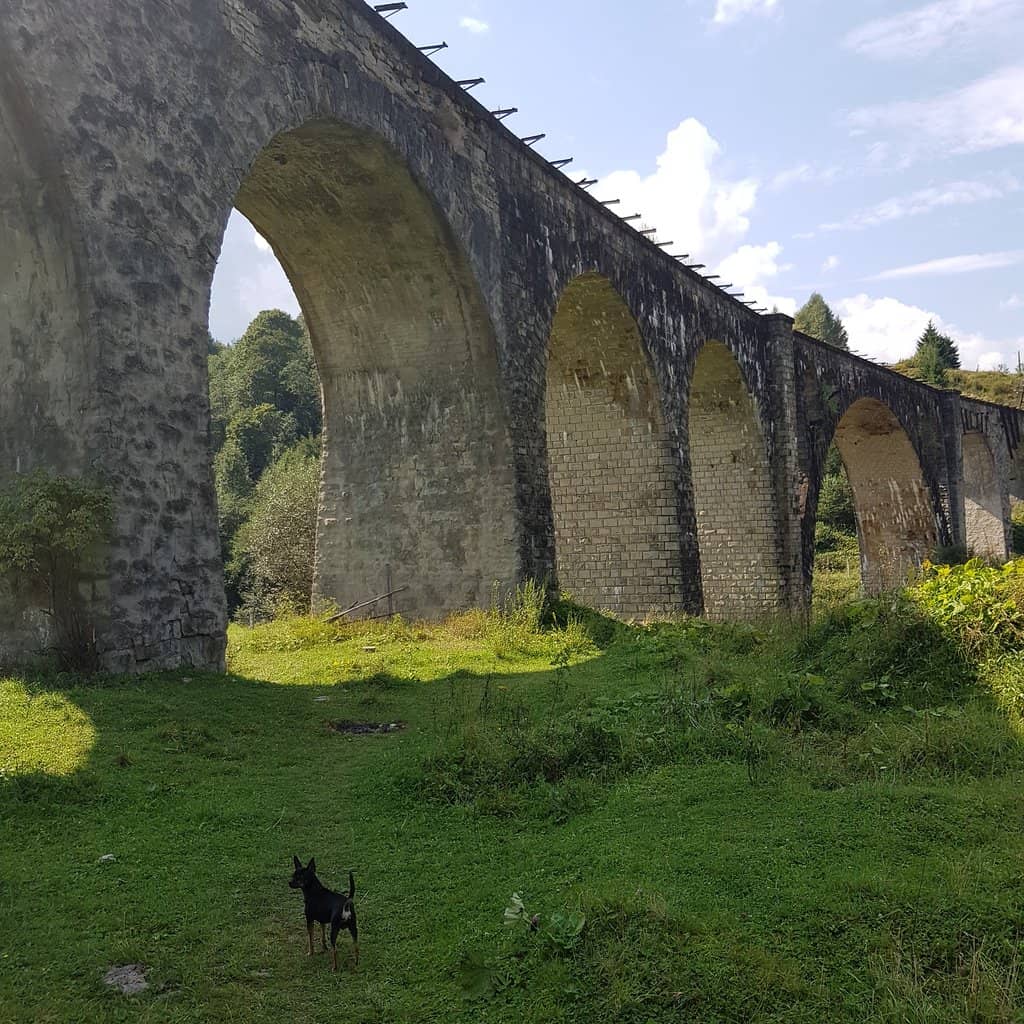
Scenic River Views
Banks of the Prut River
Enjoy picturesque views of the viaduct framed by the natural beauty of the Carpathian landscape.
Historical Significance
Vorokhta village
A remarkable piece of history, built during the Austro-Hungarian Empire for railway transport.
Plans like a pro.
Thinks like you
Planning Your Visit
Timing Your Visit
Access and Exploration
Best Times
Insider Tips
from TikTok, Instagram & Reddit
📸 Best Photo Spots
Explore the riverbanks for stunning perspectives. The viaduct looks best from a distance! +1
🚶♀️ Walking is Prohibited
You can't walk on the viaduct itself, but the views from the surrounding areas are incredible.
📍 Find the Real Old Bridge
Some visitors note the 'real' old railway bridge is on the other side of the village.
🕰️ Built in 1895
This impressive structure was built by Austro-Hungarians for railway lines. +1
Tips
from all over the internet
📸 Best Photo Spots
Explore the riverbanks for stunning perspectives. The viaduct looks best from a distance! +1
🚶♀️ Walking is Prohibited
You can't walk on the viaduct itself, but the views from the surrounding areas are incredible.
📍 Find the Real Old Bridge
Some visitors note the 'real' old railway bridge is on the other side of the village.
🕰️ Built in 1895
This impressive structure was built by Austro-Hungarians for railway lines. +1
⛰️ Carpathian Gem
Often called a 'gold of the Carpathians,' it's a must-see for its unique architecture.
What Travellers Say
Reviews Summary
Visitors praise the Vorokhta Stone Viaduct as a beautiful and rare architectural marvel in Ukraine, often calling it a 'gold of the Carpathians.' While walking on the viaduct is prohibited, its grandeur is best appreciated from the surrounding scenic viewpoints. Some note that the 'real' old railway bridge might be located elsewhere in the village.
"Beautiful and pretty rare piece of architecture in Ukraine. Unfortunately walking on the viaduct is prohibited, but it looks better from the side anyway"
Tetyana Bilous
"This one still works. I saw there a train head waiting something and local women walking on the bridge. Machinist asked them Glory to Jesus! Did you get Easter bread ? :) They answered Truly Glory! Yes, we have the bread :)"
Liubov Bevz
"This bridge is worth seeing for everyone! Gold of the Carpathians"
Roman Shuhevich
What People Like
What People Dislike
Frequently Asked Questions
🚇 🗺️ Getting There
The viaduct is located in the village of Vorokhta, Ivano-Frankivsk Oblast, Ukraine. You can reach Vorokhta by car or public transport (bus or train) from Ivano-Frankivsk. Once in Vorokhta, the viaduct is accessible by foot or a short taxi ride. Many visitors find it by following signs for the railway or asking locals. +1
Limited parking may be available in Vorokhta village. It's advisable to park in the village center and walk towards the viaduct, as it's a scenic route.
Yes, Vorokhta has a train station, making it accessible by rail. This is a convenient option for those traveling from larger cities in Ukraine.
To get the best photos, explore the banks of the Prut River. The viaduct is often viewed from a distance to capture its full scale and architectural beauty. +1
The terrain around the viaduct can be uneven. Wearing comfortable shoes is recommended for exploring the riverbanks and finding good vantage points.
🎫 🎫 Tickets & Entry
No, visiting the Vorokhta Stone Viaduct is generally free. It's an outdoor attraction accessible to the public.
As an outdoor historical monument, the viaduct is accessible at any time. However, visiting during daylight hours is recommended for safety and better viewing.
No, walking on the viaduct itself is prohibited for safety and preservation reasons. Visitors admire it from the surrounding areas.
While official guided tours might not be readily advertised, local guides in Vorokhta may offer historical insights. It's also easy to explore independently.
The area surrounding the viaduct is part of the natural landscape and village, so there is no specific entrance fee to access the viewpoints.
📸 📸 Photography
Early morning or late afternoon often provides the best light for photography, minimizing harsh shadows and creating a more atmospheric shot.
A wide-angle lens is useful for capturing the scale of the viaduct and its surroundings. A telephoto lens can be helpful for details or framing shots from a distance.
Experiment with different viewpoints along the Prut River. Shots from slightly elevated positions or from the riverbanks can offer unique perspectives.
Drone regulations can vary. It's advisable to check local rules and regulations regarding drone usage in protected historical or natural areas before flying.
Its impressive stone arches, the way it spans the river, and the surrounding Carpathian scenery make it a very photogenic subject.
🎫 🏞️ Onsite Experience
Besides admiring the viaduct, you can explore the village of Vorokhta, known for its wooden churches and traditional Hutsul culture. Hiking in the surrounding Carpathian Mountains is also popular.
Allow at least 1-2 hours to comfortably reach the viewpoints, take photos, and soak in the atmosphere. If you plan to explore the village further, allocate more time.
Basic facilities might be available in Vorokhta village. It's a good idea to bring your own water and snacks, especially if you plan to spend a longer time exploring.
The area is generally safe, but standard travel precautions should be taken. Be mindful of your surroundings, especially when walking near the river or on uneven terrain.
Built in 1895 during the Austro-Hungarian Empire, it was a crucial part of the railway line connecting Galicia and Hungary, facilitating timber transport and travel. +1


Social
from TikTok, Instagram & Reddit