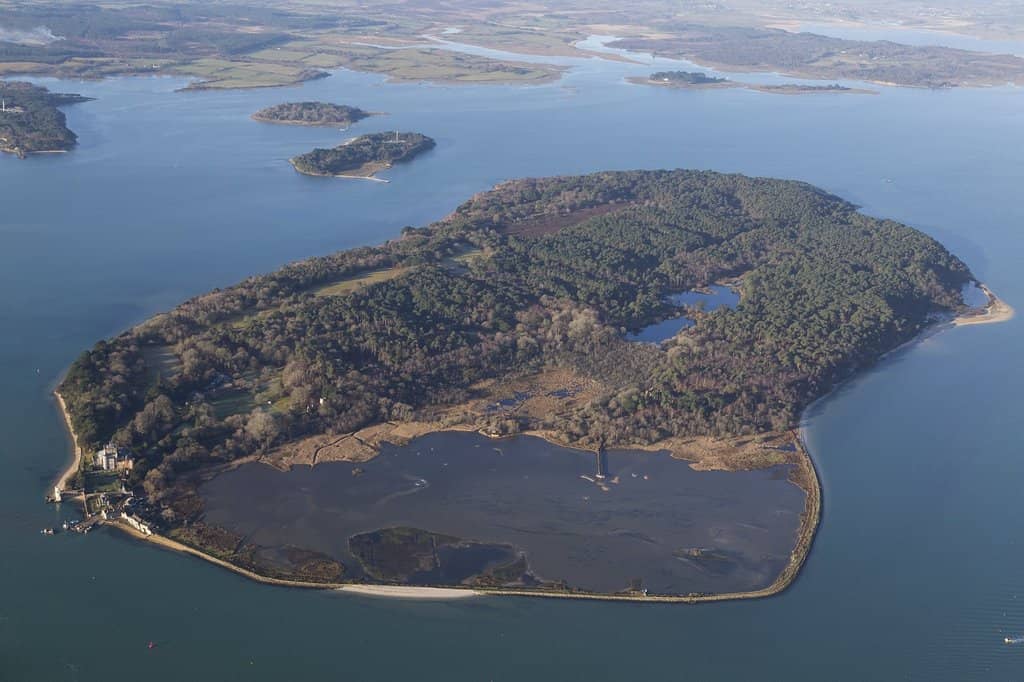
Brownsea Island Lagoon
A tranquil nature reserve in Poole Harbour, famous for red squirrels, diverse birdlife, and scenic walks.

Highlights
Must-see attractions

Social
From TikTok & Reddit
Best Time
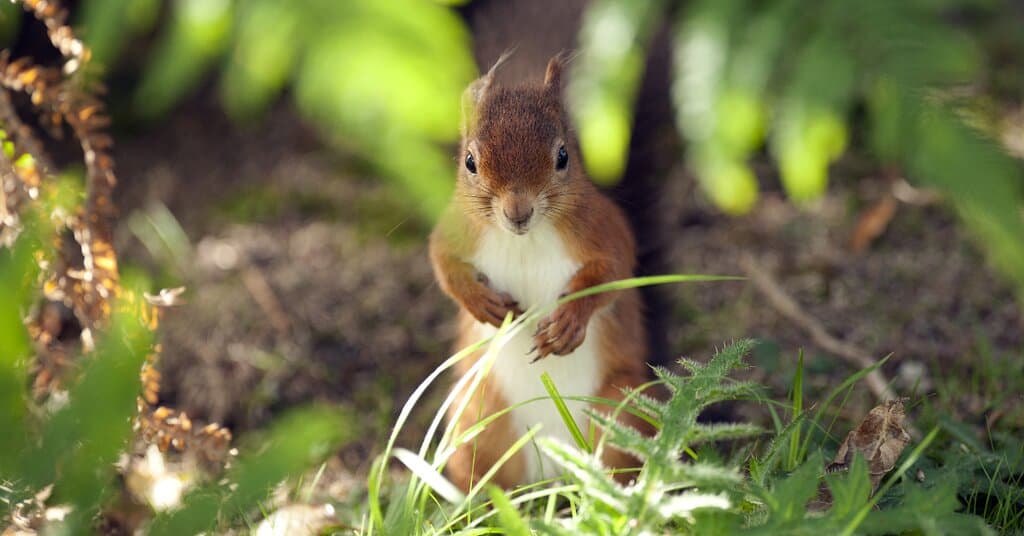
Best for red squirrel activity
Brownsea Island Lagoon
Best Time
Best for red squirrel activity
Highlights
Must-see attractions
A tranquil nature reserve in Poole Harbour, famous for red squirrels, diverse birdlife, and scenic walks.
"A gem for nature lovers, offering peaceful walks and wildlife encounters despite the ferry fare."
🧳 Pack a Picnic
Save money by bringing your own food, though a cafe is available near the ferry stop.
👟 Comfortable Footwear
Essential for exploring the varied terrain and walking trails across the island.
Quick Facts
Hours
Rating
4.8 · 2,818 reviews
Type
Tourist Attraction
Highlights
Discover the most iconic attractions and experiences
Red Squirrel Sanctuary
Woodlands
Spot the elusive red squirrels darting through the trees in this protected habitat.
Lagoon Bird Hides
Central Lagoon
Observe a variety of seabirds and waders from strategically placed hides.
Coastal Walks
Island Perimeter
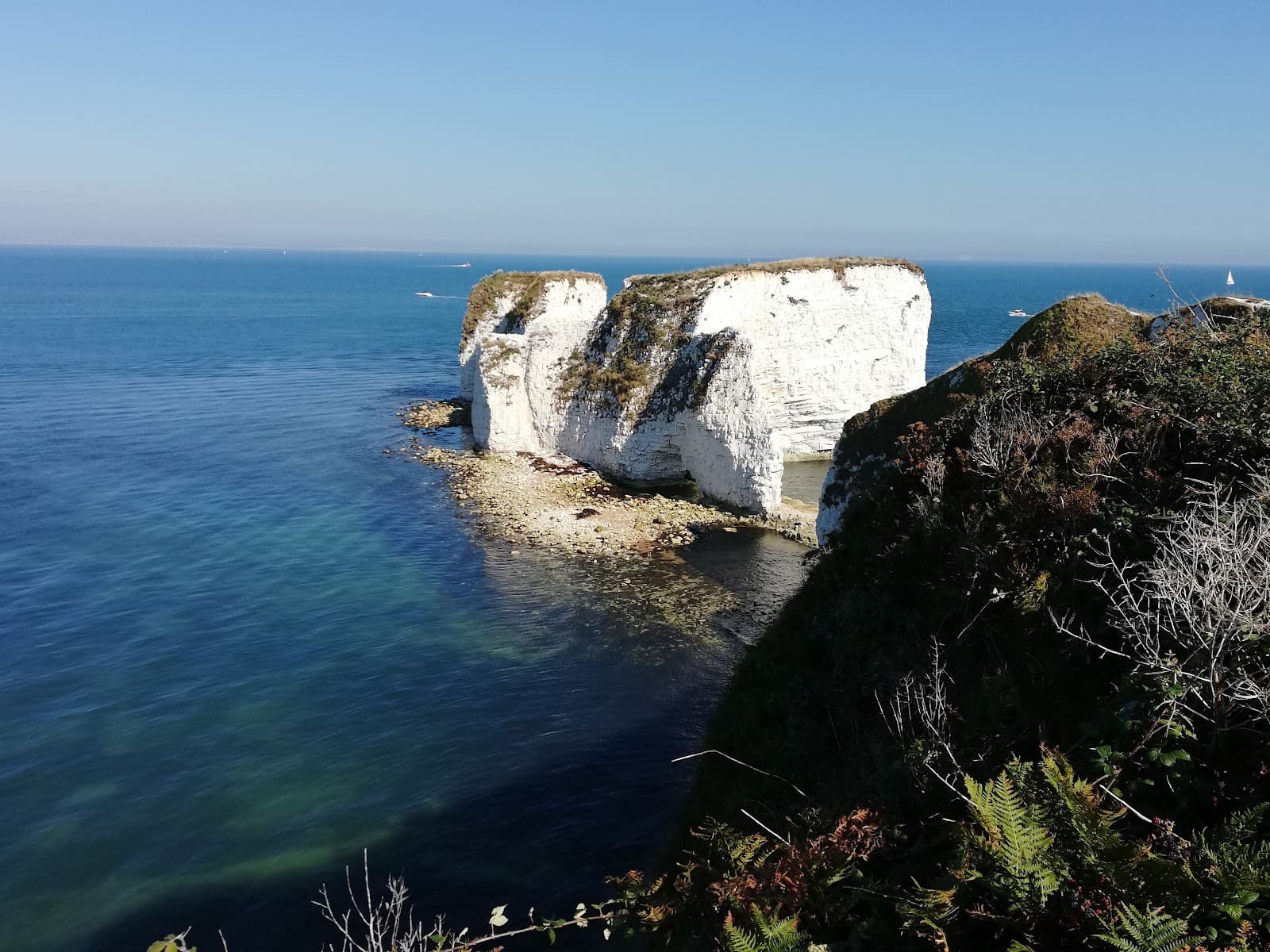
Enjoy scenic trails with stunning views of Poole Harbour and the Purbeck coast.
Plans like a pro.
Thinks like you
Planning Your Visit
Ferry & Entry Fees
Wildlife Spotting Essentials
Best Times
Insider Tips
from TikTok, Instagram & Reddit
🧳 Pack a Picnic
Save money by bringing your own food, though a cafe is available near the ferry stop.
👟 Comfortable Footwear
Essential for exploring the varied terrain and walking trails across the island.
🔭 Binoculars Recommended
Enhance your wildlife viewing, especially for birds and distant red squirrels.
🎟️ National Trust Members
Entry is free for members, but ferry fare still applies. Bring your card!
Tips
from all over the internet
🧳 Pack a Picnic
Save money by bringing your own food, though a cafe is available near the ferry stop.
👟 Comfortable Footwear
Essential for exploring the varied terrain and walking trails across the island.
🔭 Binoculars Recommended
Enhance your wildlife viewing, especially for birds and distant red squirrels.
🎟️ National Trust Members
Entry is free for members, but ferry fare still applies. Bring your card!
⏰ Allow 3-4 Hours
Sufficient time to explore the trails, enjoy the scenery, and spot wildlife.
What Travellers Say
Reviews Summary
Brownsea Island is widely praised as a peaceful wildlife haven with beautiful walking trails and stunning views. Visitors appreciate the opportunity to see red squirrels and diverse birdlife. However, the combined cost of the ferry and island entry can be a deterrent for some, especially those not holding National Trust membership.
"Peaceful Wildlife Haven with a Pricey Crossing
Brownsea Island is a gem for nature lovers and walkers alike. The ferry crossing from Poole is a bit steep—especially when paired with the extra entry fee if you're not a National Trust member—but once you're on the island, it’s easy to see why it’s worth the trip.
The wildlife is wonderfully diverse: red squirrels dart through the trees, sea birds skim the shoreline, and the whole place feels like a peaceful retreat from the bustle of the mainland. Walking trails are well-maintained and offer stunning views back towards Poole and Sandbanks, making for a thoroughly enjoyable circuit.
Tip: If you’re a National Trust member, bring your card—entry’s included, which softens the blow of the ferry fare."
Paul Senior
"Absolutely beautiful!
Very quiet, tranquil, full of unique walks,forests, beach,birds,deer and red squirrels. Large lake in centre, lots of benches to sit and breathe in the scenery. Play area for children, cafe near ferry stop."
Sue Gidney
"Great day out for all, great scenery. Be prepared that the boat trip doesn't include entry into the island itself so there are two seperate costs, still think its sub £25 pp all in. Would be nice if there was some more bins dotted around the trails, especially in hot-spot area like the beach on the far side."
Chris Smart
What People Like
What People Dislike
Frequently Asked Questions
🚇 🗺️ Getting There
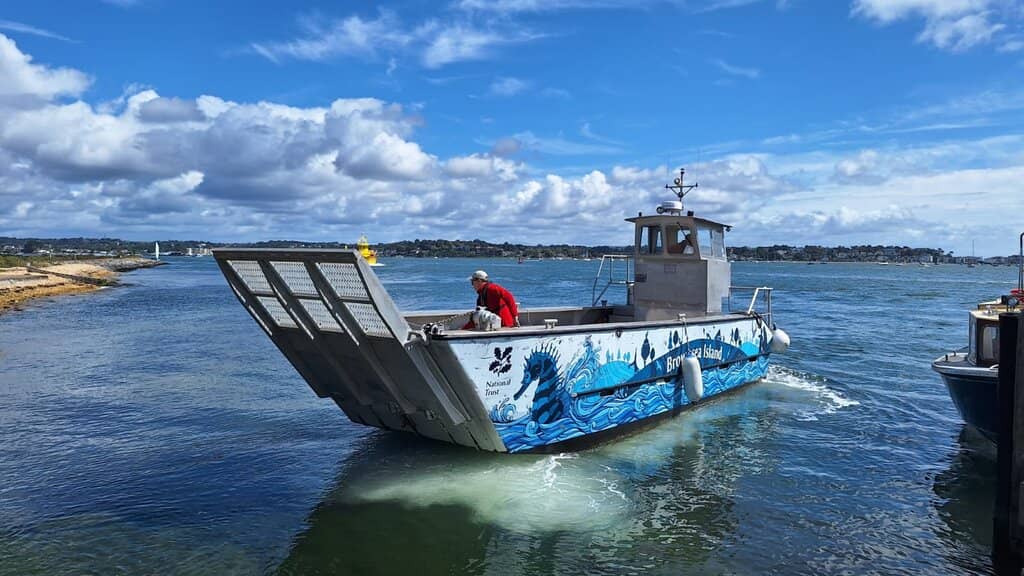
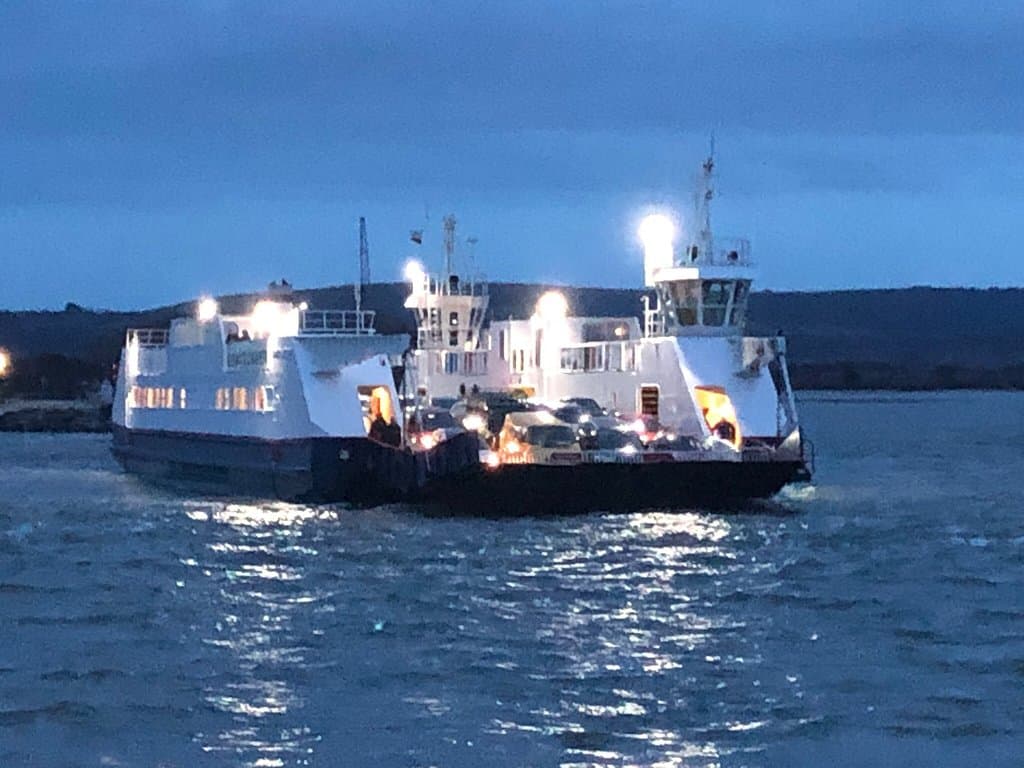
The primary way to reach Brownsea Island is by ferry from Poole Quay. The ferry ride is approximately 20 minutes. It's advisable to check ferry schedules and book tickets in advance, especially during peak tourist seasons.
Ferry prices can vary, but recent reports indicate around £14.50 per person for a return trip from Poole. Note that this fare does not include island entry.
No, Brownsea Island is only accessible by boat. There is no vehicle access for visitors. You'll need to park in Poole and take the ferry.
While the ferry from Poole is the most common method, some private boat tours may also visit the island. Check with local tour operators for options.
The ferry journey itself is about 20 minutes. However, factor in time for parking, waiting for the ferry, and exploring the island, so plan for at least 3-4 hours for your visit.
🎫 🎫 Tickets & Entry
Yes, there is an entry fee for Brownsea Island unless you are a National Trust member. The ferry ticket and island entry are separate costs.
National Trust members get free entry to Brownsea Island, but they still need to pay for the ferry crossing. Remember to bring your membership card.
Opening hours vary seasonally. It's best to check the official National Trust website or the ferry operator's schedule for the most up-to-date information on operating times.
Ferry tickets can usually be purchased on the day, but booking in advance is recommended to guarantee your spot, especially during busy periods. Island entry tickets can often be bought upon arrival.
The combined cost of the ferry and entry fee can be around £25 per person, but this can vary. National Trust members will save on the entry fee.
🎫 🧭 Onsite Experience
Brownsea Island offers diverse walking trails, opportunities to spot red squirrels and various bird species, a large central lagoon, and beautiful coastal views. There's also a cafe and a play area for children.
The island is famous for its population of red squirrels. You can also see a variety of seabirds, waders, and potentially deer. Bird hides are available for observation.
Yes, there are well-maintained walking trails that circumnavigate the island and lead to key wildlife viewing spots. The full circuit takes about 1.5 hours.
Yes, there is a cafe located near the ferry stop, offering refreshments like Cornish pasties and sandwiches.
Absolutely! There's a play area for children, and the easy walking trails make it enjoyable for families. Wildlife spotting can be a great activity for kids.
📸 📸 Photography
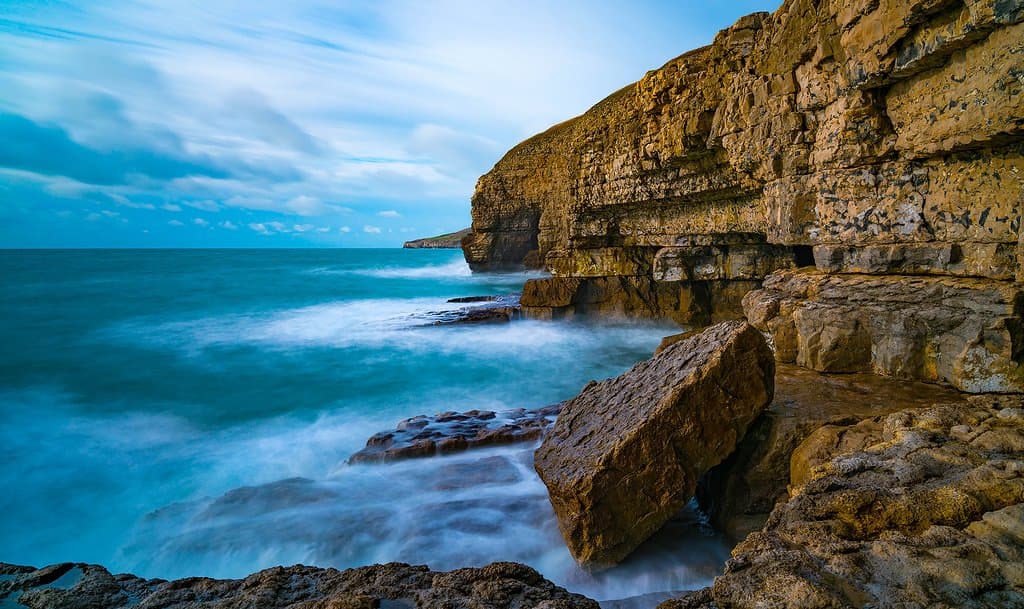
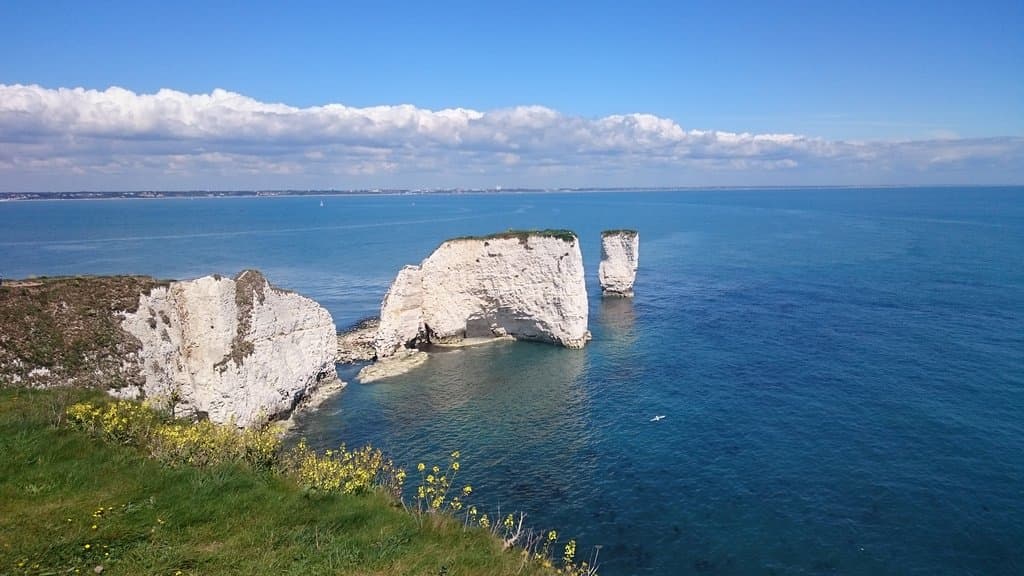
The coastal paths offer stunning views of the surrounding waters and coastline. The woodlands are ideal for capturing red squirrels, and the lagoon area provides opportunities for bird photography.
Red squirrel photography is a major draw. Birdwatching enthusiasts also find the lagoon and coastal areas excellent for capturing various species.
Generally, photography is allowed, but always be respectful of wildlife and other visitors. Avoid using flash photography near sensitive wildlife areas.
Early mornings and late afternoons often provide the best natural light for photography, especially for wildlife. Golden hour can be magical for landscape shots.
A telephoto lens is highly recommended for wildlife photography, particularly for red squirrels and birds. A wider lens can be useful for capturing the scenic landscapes.



Social
from TikTok, Instagram & Reddit