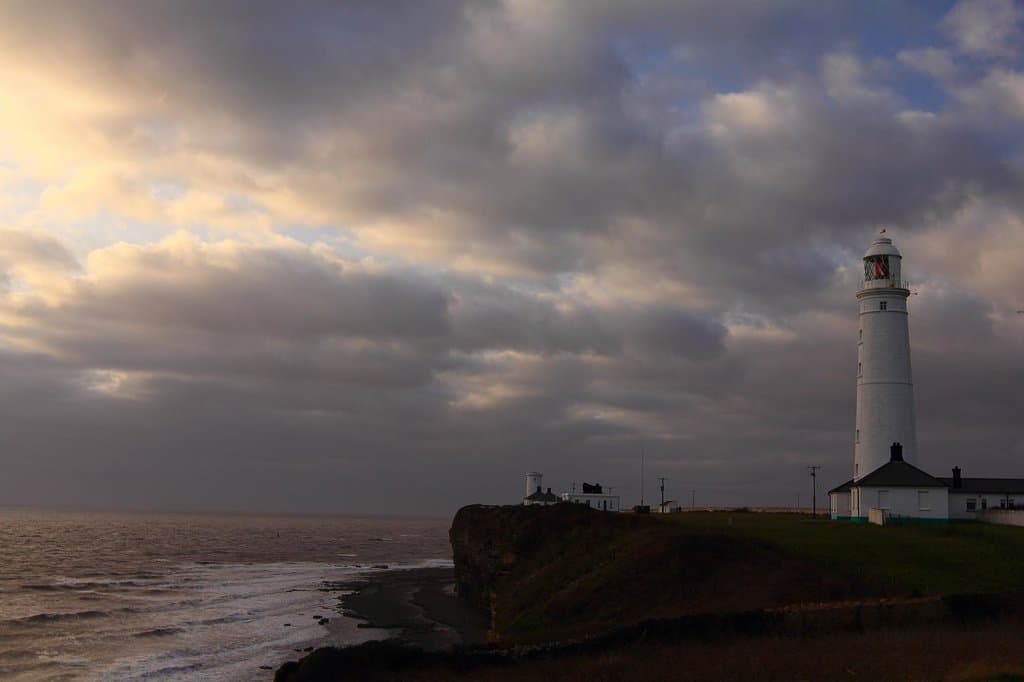
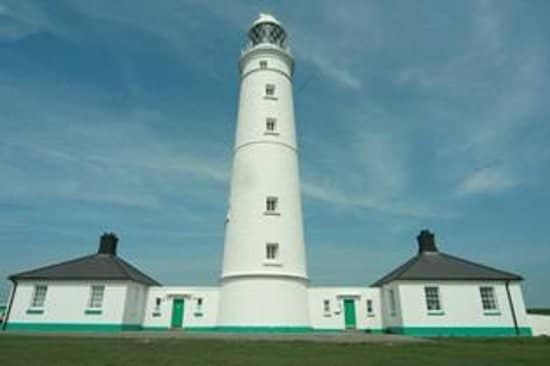
Nash Point Lighthouse
Iconic twin lighthouses on dramatic cliffs, offering breathtaking coastal walks and stunning sea views.
Highlights
Must-see attractions

Social
From TikTok & Reddit
Best Time
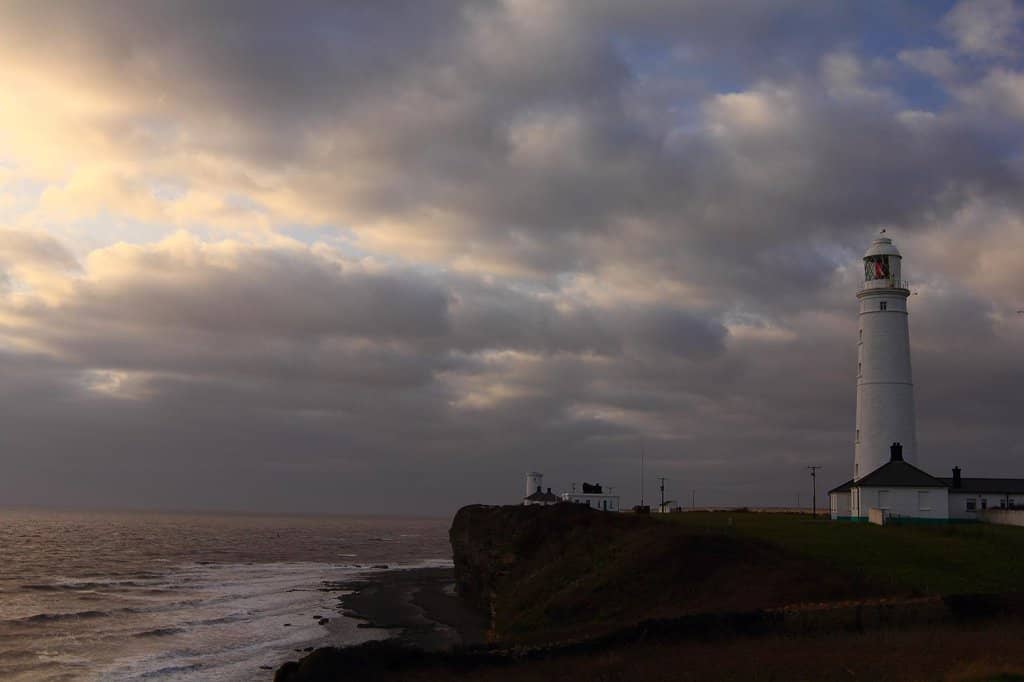
Magical light for photos
Nash Point Lighthouse
Best Time
Magical light for photos
Highlights
Must-see attractions
Iconic twin lighthouses on dramatic cliffs, offering breathtaking coastal walks and stunning sea views.
"Beautiful place to visit. Coastal walk with lighthouse, sea views, lots of grass area to sit and enjoy the sea view."
🚗 Cash for Parking
The £5 car park fee often requires cash, so come prepared!
🥾 Sturdy Walking Shoes
Essential for exploring the coastal paths, especially the steeper western route.
Quick Facts
Rating
4.6 · 422 reviews
Type
Tourist Attraction
Highlights
Discover the most iconic attractions and experiences
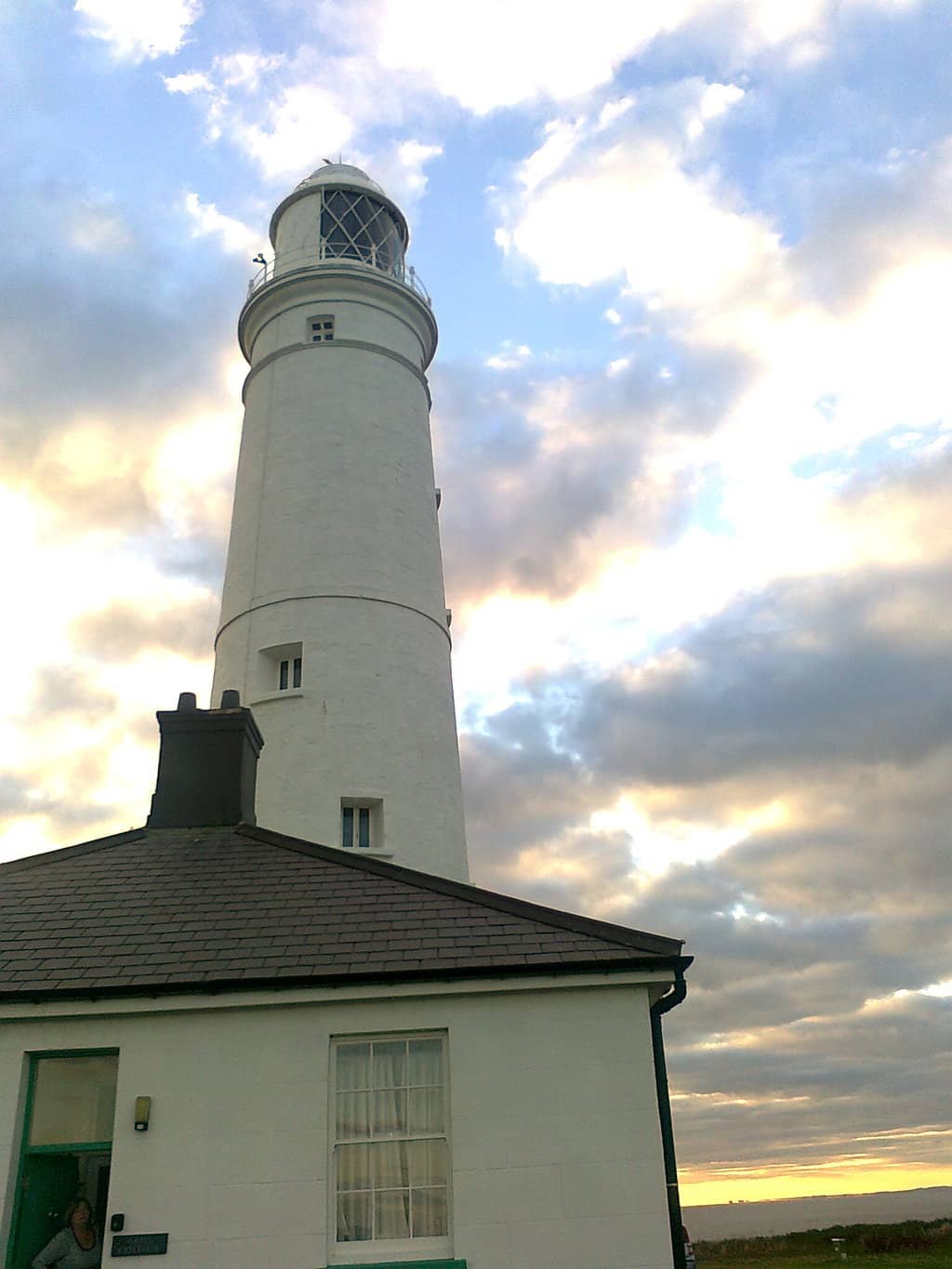
Nash Point Lighthouse
Cliff top
Iconic twin towers, a historic guardian of the coast, offering stunning panoramic views.
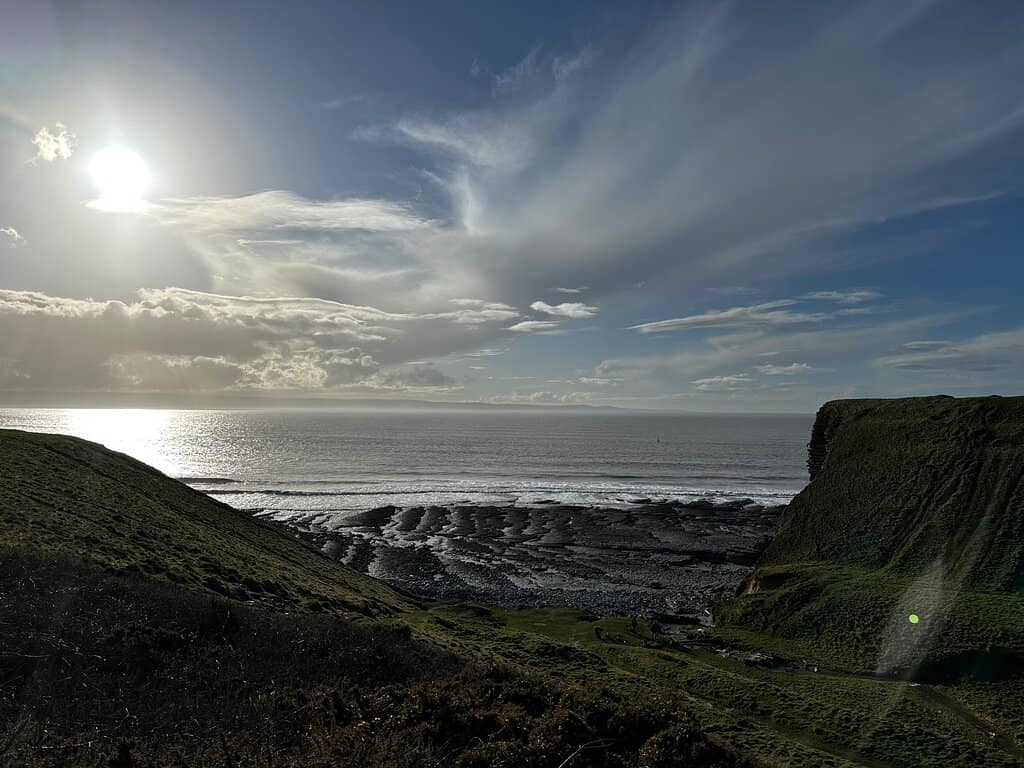
Wales Coast Path Views
East and West of the lighthouse
Dramatic cliffside walks with sweeping sea vistas and rugged coastal beauty.
Rocky Beach Exploration
Below the lighthouse
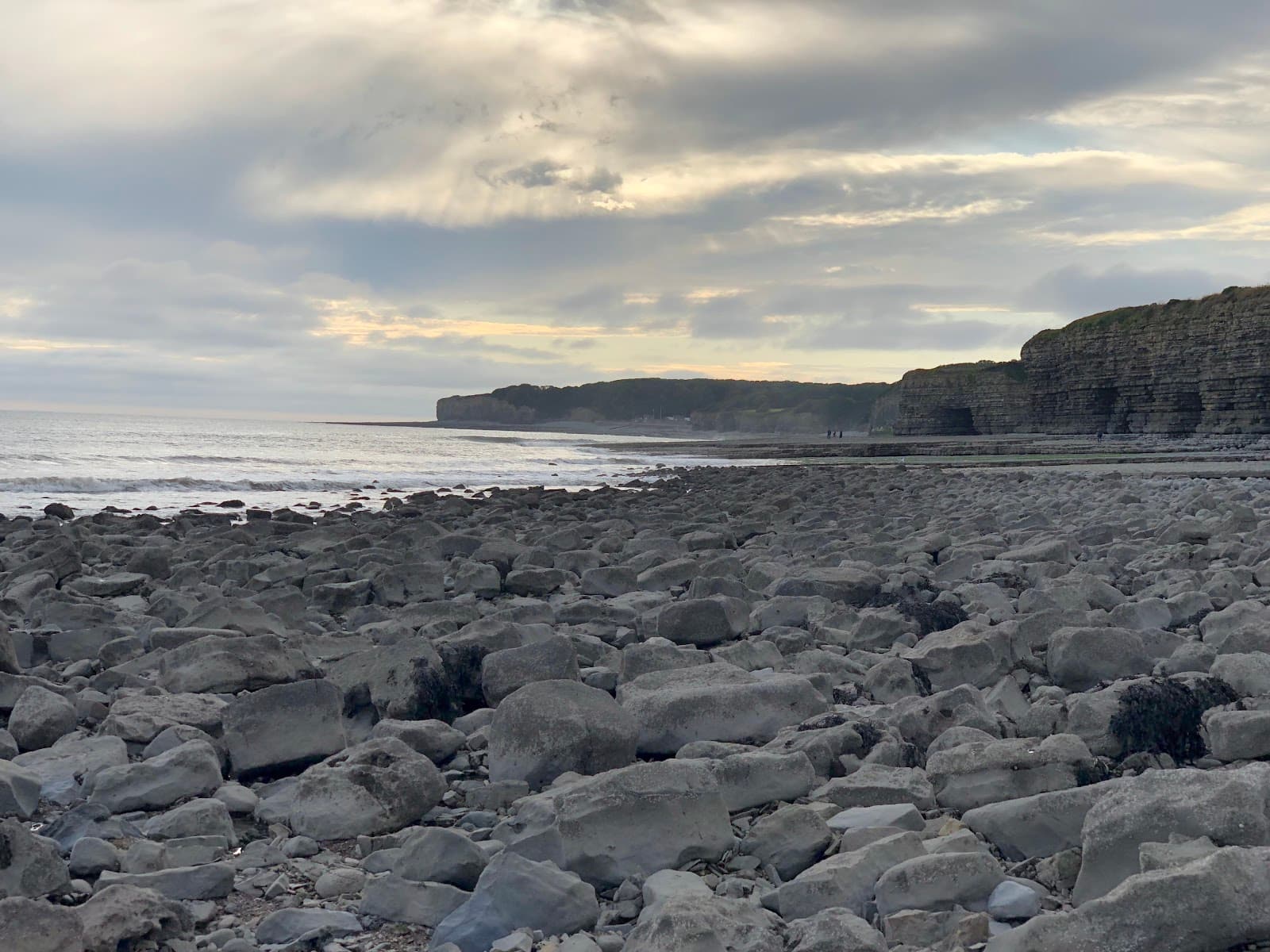
A small, stony beach perfect for fossil hunting and enjoying the crashing waves.
Plans like a pro.
Thinks like you
Planning Your Visit
Parking and Access
Coastal Path Adventures
Best Times
Insider Tips
from TikTok, Instagram & Reddit
🚗 Cash for Parking
The £5 car park fee often requires cash, so come prepared!
🥾 Sturdy Walking Shoes
Essential for exploring the coastal paths, especially the steeper western route.
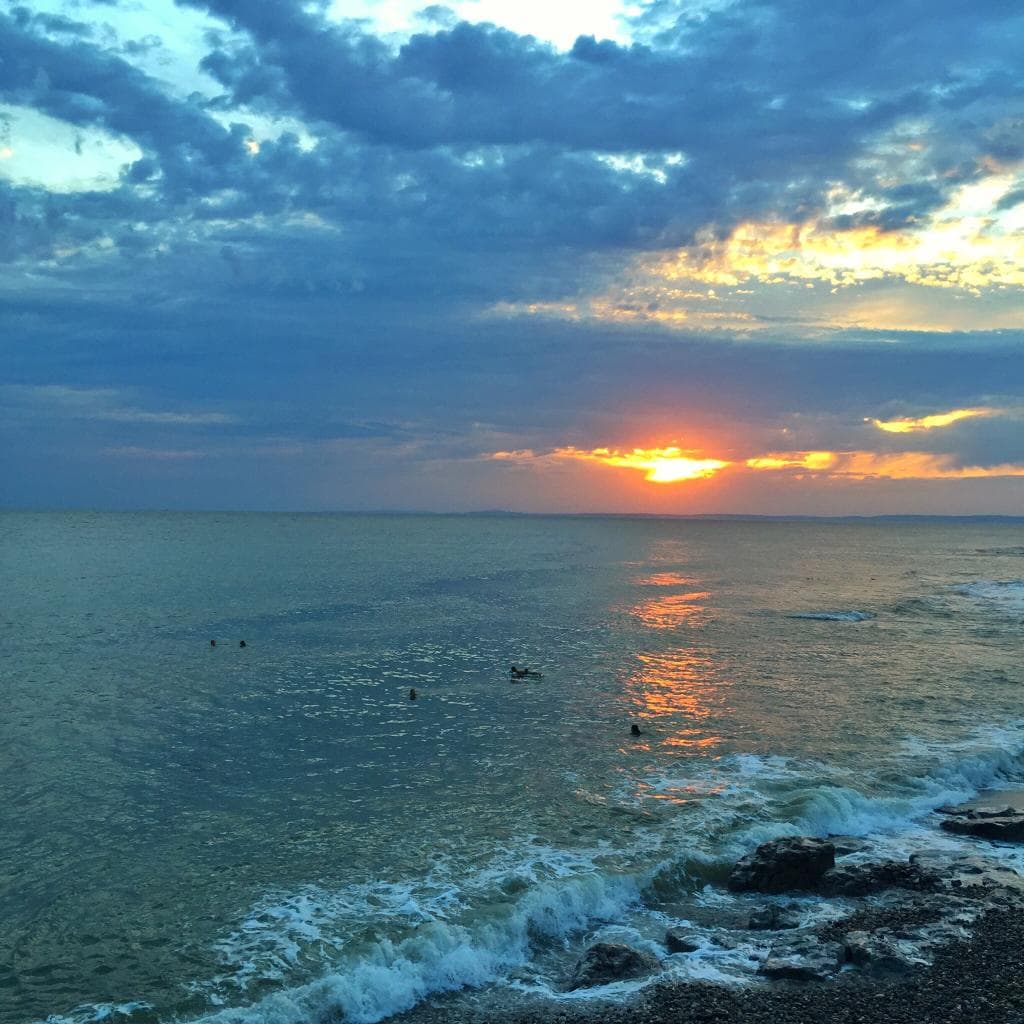
📸 Sunset Photography
The lighthouse and coastline are spectacular at sunset.
🗺️ Coastal Path Options
East path is easier; west path is steeper but offers incredible views.
Tips
from all over the internet
🚗 Cash for Parking
The £5 car park fee often requires cash, so come prepared!
🥾 Sturdy Walking Shoes
Essential for exploring the coastal paths, especially the steeper western route.
📸 Sunset Photography
The lighthouse and coastline are spectacular at sunset.
🗺️ Coastal Path Options
East path is easier; west path is steeper but offers incredible views.
☕ Cafe Refreshments
A cafe is available, but note it may be cash-only during peak times.
What Travellers Say
Reviews Summary
Visitors consistently praise Nash Point Lighthouse for its stunning coastal views, well-maintained grounds, and the iconic lighthouse itself. The accessible sections of the Wales Coast Path are a major draw, offering beautiful walks. Some visitors note the car park fee and the potential for it to be cash-only, and the western coastal path can be quite steep.
"Beautiful well kept lighthouse and grounds.
Great views from the cliff top where it is located.
The Wales Coastal Path runs through this site East/West and there are amazing walks in both directions.
East is easier as it is along farmers fields and mostly flat, West you have to go down just past the Café and back up the other cliff from sea level which is fairly steep. The panoramic views from this hike down and up are worth it though especially from the tip just south of Nash Point promontory Fort.
The closest car park is at the Cliff top Café (£5/car) it also has a camping ground on the cliff edge and they take card payments for all parking and food/drinks.
Information boards at this cafe about the surrounding area: walking trails, history, wildlife, sea facts including info on the lighthouse."
Aaron Clarke
"Beautiful place to visit. At peak times there is a £5 charge for the car park which you will need cash for. There is a cafe/kiosk open in peak times and also toilet facilites.
The lighthouse is stunning and also has holiday homes and open days on certain days of the month.
There is access to a small stoney beach which is good for fossils and wave watching"
Beth Hill
"Nash Point Lighthouse was one of two lighthouses built by Trinity House in 1832 to successfully assist mariners clear of the Nash Sands.
The sands are a major hazard to shipping which had contributed to the loss of many vessels and lives. A passenger vessel, the Frolic, foundered on the sands in March 1831 with the loss of around 78 lives and this gave extra impetus to have the station completed as soon as was possible. In fact the foundations for both towers were laid by 1 October 1831 and the station was completed and exhibited its lights on 1 September 1832, just 11 months later, an incredible engineering achievement. The lighthouse has shone its light every night since, successfully assisting mariners in their safe passages with very few maritime incidences occurring in the intervening time.
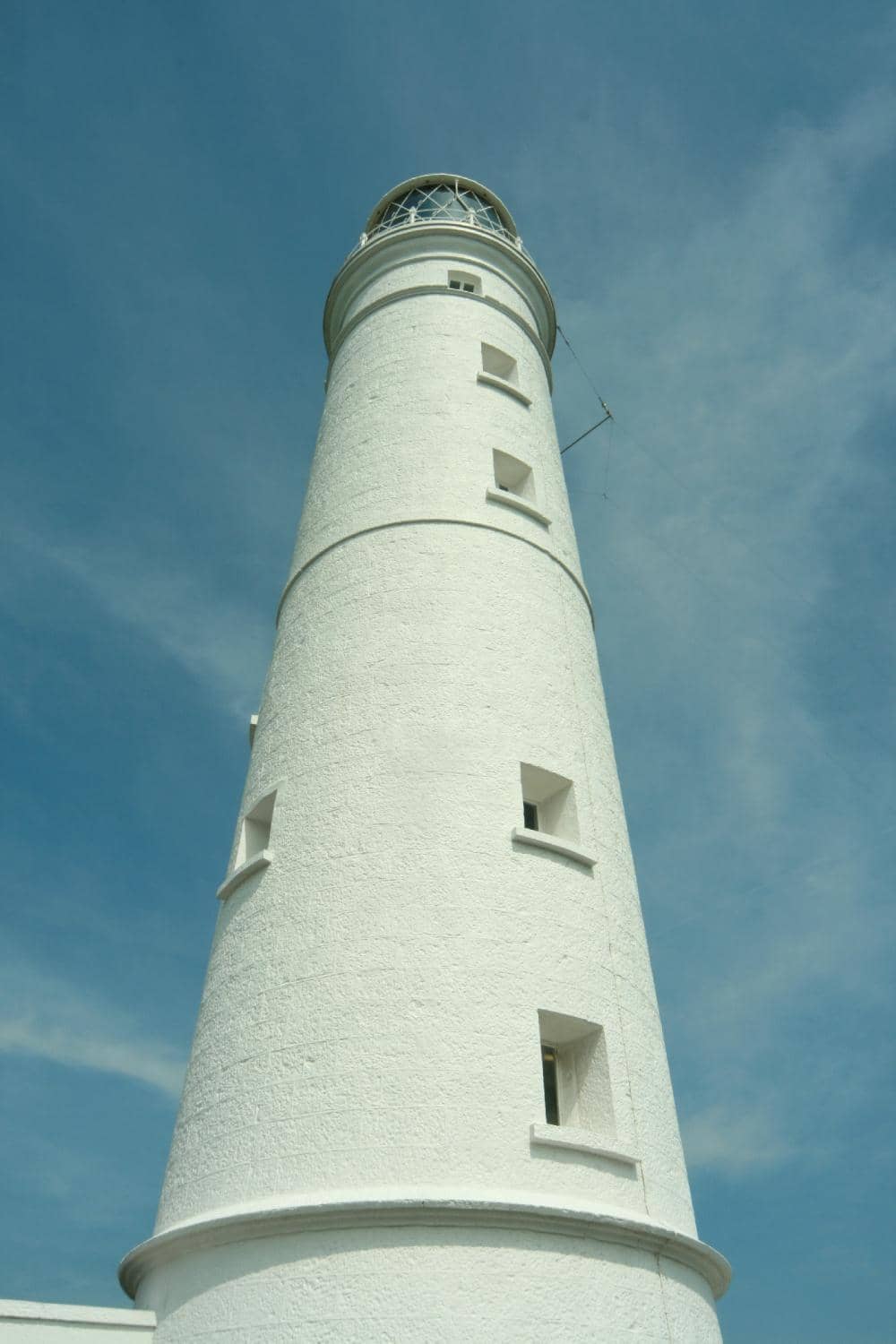
Initially both the 37 metre tall High (east) tower and the 25 metre tall Low (west) tower both shone lights but during the 1920s it was decided that the light of the low tower was not required as its function could be taken over by the use of red sectors being exhibited by the light of the High tower. The Low tower lantern and lens were eventually removed in the 1950s.
Originally the light source was provided by Argand burners, which were later replaced by paraffin 'Hood' burners and then by 1,500 watt electrical lamps in the 1960s when mains electricity was brought to the station. These lamps have now been replaced with 150 watt electrical lamps within a smaller lens which still gives a light visible for excess of 20 miles.
The diesel-engined, compressed air-powered, siren-type fog signal was installed in 1906 and the original Ruston engines were in service for 60 years, being replaced by Gardner engines in 1966.
When the station was first constructed there was only one dwelling at each of the towers but by about 1900, two additional cottages were built and the original dwellings were extended rearwards to match the new dwellings. Three of the cottages were for keepers and their families who worked at Nash Point while the fourth was for the family of a keeper who would be based at an offshore light.
As with all lighthouses in the British Isles, Nash Point is no longer manned, the last keepers leaving on 5 August 1998. In fact, it was the last light in Wales to be automated and the penultimate in the UK to be de-manned.
Visitors to the station will notice a large aerial to the east of the High tower. This is one of the Differential Global Positioning System’s (DGPS) land-based transmitters which augments the standard GPS system and gives greater accuracy and reliability to vessels which are equipped with DGPS receivers.
In 1977 a rare plant, the Tuberous Thistle (Cirsium tuberosum) was discovered growing within the station and the grounds were subsequently declared a Site of Special Scientific Interest (SSSI).
The lighthouse is now monitored and controlled from Trinity House’s Planning Centre in Harwich, Essex."
Jon Beard
What People Like
What People Dislike
Frequently Asked Questions
🚇 🗺️ Getting There
Nash Point Lighthouse is accessible by car, with the main car park located at the cliff-top cafe. It's also a popular stop on the Wales Coast Path, reachable by walking from nearby Llantwit Major.
Yes, there is a car park at the cliff-top cafe which costs £5 per car. It's advisable to bring cash as card payments may not always be available.
While primarily accessed by car, you can reach Nash Point by walking along the Wales Coast Path from Llantwit Major.
From Cardiff, take the A48 and then the A4050 towards Barry. Continue on the B4265 towards Llantwit Major and follow signs for Nash Point Lighthouse.
Public transport options are limited. The nearest train station is in Bridgend, from where you would need to arrange a taxi or local bus service, which can be infrequent. Driving is the most convenient option.
🎫 🎫 Tickets & Entry
Entry to the grounds and viewing the lighthouse from the outside is generally free. However, there is a charge for parking at the cliff-top car park.
The grounds and exterior of the lighthouse are generally accessible during daylight hours. Specific open days for tours inside the lighthouse may occur monthly, but these are not daily.
The car park fee is typically £5 per car. It's recommended to have cash on hand as card facilities may not always be available.
Tours inside the lighthouse are sometimes available on specific open days, usually once a month. Check local listings or Trinity House for schedules.
No, the Wales Coast Path is a public right of way and is free to access. Parking fees at Nash Point are separate.
🎫 🧭 Onsite Experience
You can admire the lighthouse, walk sections of the Wales Coast Path, explore the stony beach for fossils, enjoy picnics, and visit the cliff-top cafe.
Yes, Nash Point is on the Wales Coast Path, offering walks east towards Ogmore-by-Sea and west towards Llantwit Major. The western route is steeper.
There is a small, stony beach accessible from the lighthouse area. It's good for exploring and wave watching but may not be ideal for sunbathing.
The area is known for its coastal birdlife and marine life. Information boards at the cafe provide details on local wildlife.
Yes, families can enjoy the open spaces, the beach for rock pooling, and easier sections of the coastal path. The walk to Llantwit Major is a popular family hike.
🍽️ 🍽️ Food & Dining
Yes, there is a cafe/kiosk located at the cliff-top car park, offering refreshments and snacks.
Reports suggest the cafe may only take cash, especially during peak times. It's best to confirm on arrival or bring cash.
The grassy areas around the lighthouse and along the coastal path are ideal for picnics with stunning sea views.
The cafe typically offers light snacks, drinks, and possibly some hot food options.
The nearest town with a wider selection of restaurants is Llantwit Major, a short drive or walk away.
📸 📸 Photography
Golden hour, especially sunset, offers dramatic lighting for the lighthouse and coastline. 
Drone usage is common for capturing aerial views, as seen in many social media posts. However, always check local regulations and be mindful of other visitors.
The lighthouse itself, the dramatic cliff edges, the rocky beach, and panoramic views along the Wales Coast Path are all highly photogenic.
Photography inside the lighthouse is typically only permitted during specific open days or tours, if allowed at all.
A wide-angle lens is great for capturing the expansive coastal scenery, while a telephoto lens can be useful for details of the lighthouse. A tripod is recommended for sunset shots.



Social
from TikTok, Instagram & Reddit