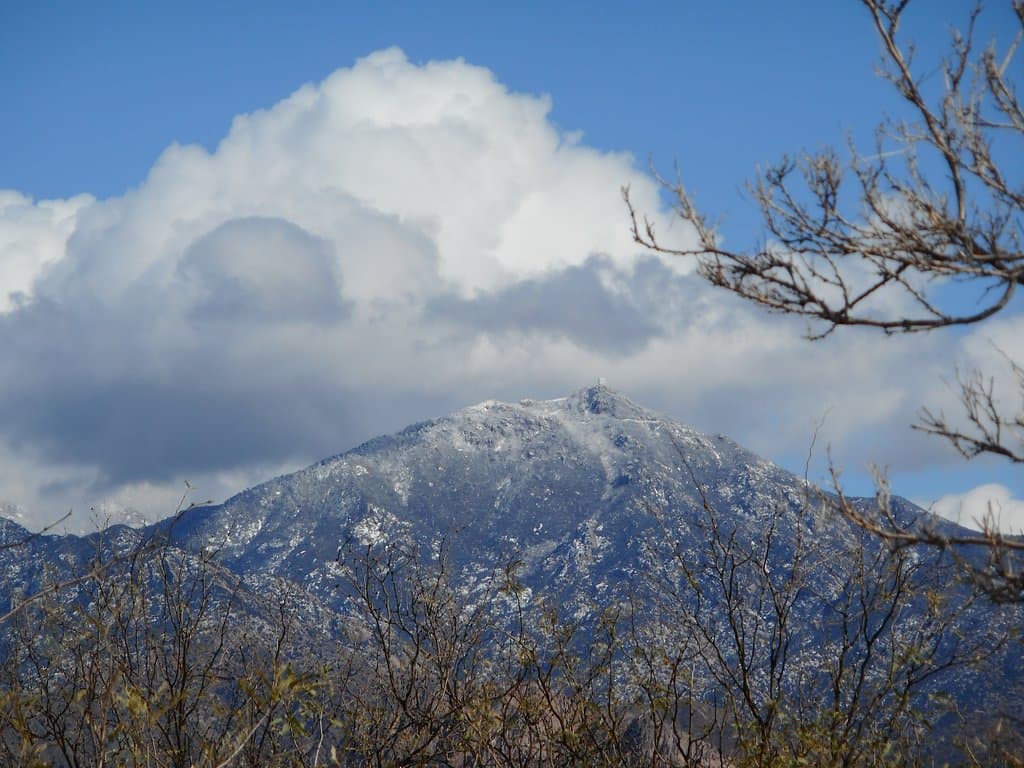
Fred Lawrence Whipple Observatory
Explore the cosmos on Mt. Hopkins! Discover cutting-edge astronomy and breathtaking Arizona vistas.
Highlights
Must-see attractions

Social
From TikTok & Reddit
Best Time
Reopening for public access
Fred Lawrence Whipple Observatory
Best Time
Reopening for public access
Highlights
Must-see attractions
Explore the cosmos on Mt. Hopkins! Discover cutting-edge astronomy and breathtaking Arizona vistas.
"A beautiful spot for sunset and a fascinating glimpse into astronomical research."
Check Reopening Status
Confirm operating hours and tour availability before visiting, as access can be limited. :informationdeskperson:
Scenic Drive Ahead
The road is unpaved and winding; drive carefully and enjoy the views. :mountain_railway:
Quick Facts
Rating
4.8 · 111 reviews
Highlights
Discover the most iconic attractions and experiences
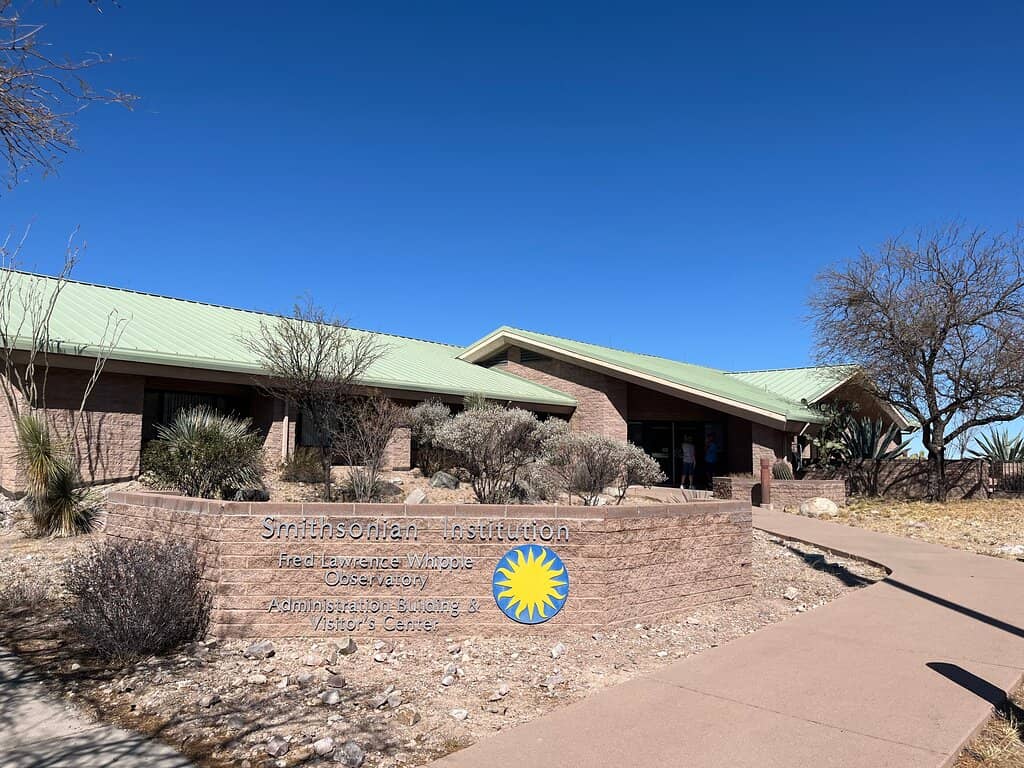
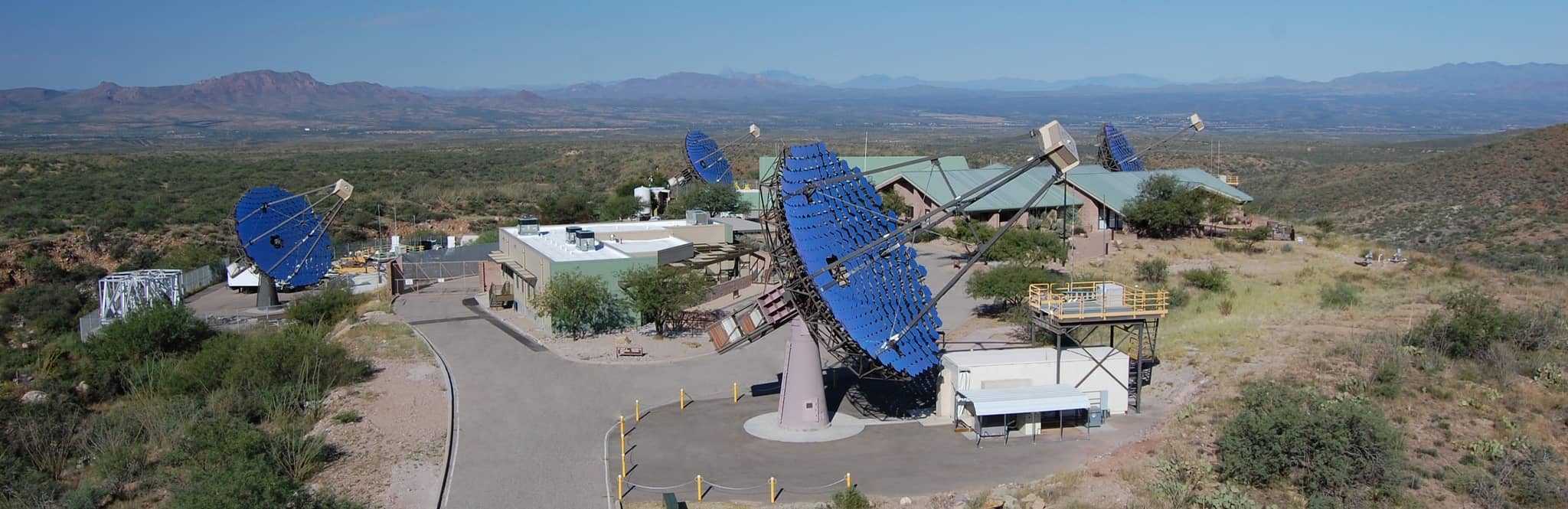
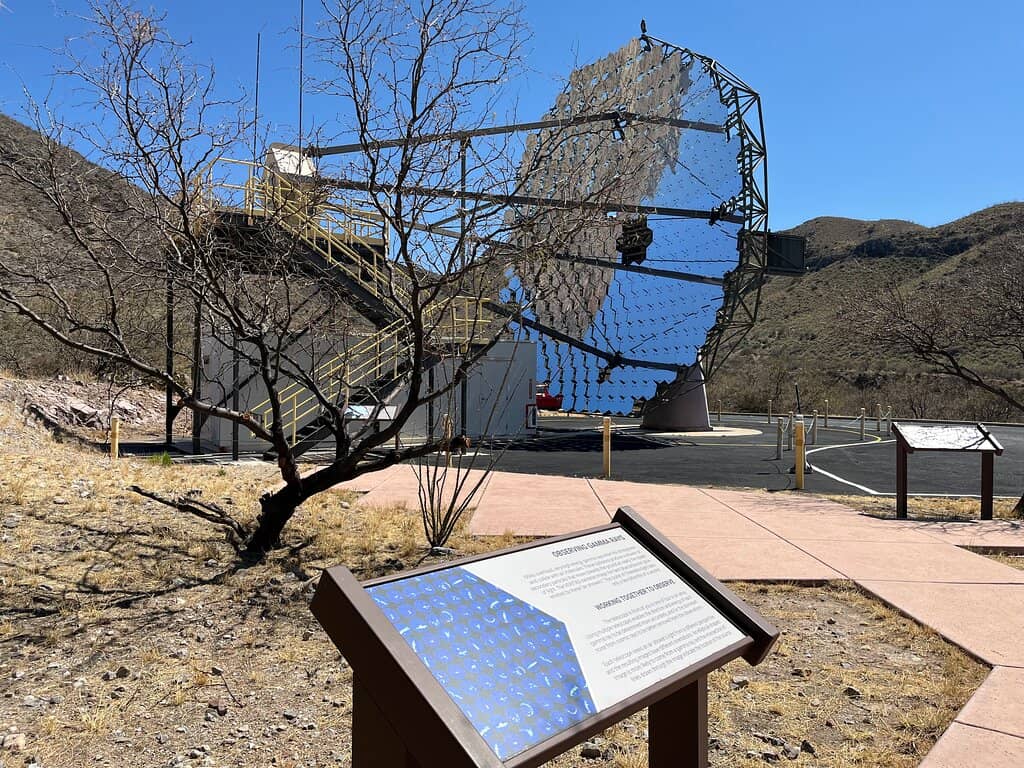
Gamma Ray Array
Base of the mountain
Explore the fascinating gamma-ray detection array, a key research instrument. Knowledgeable staff make it an engaging stop.
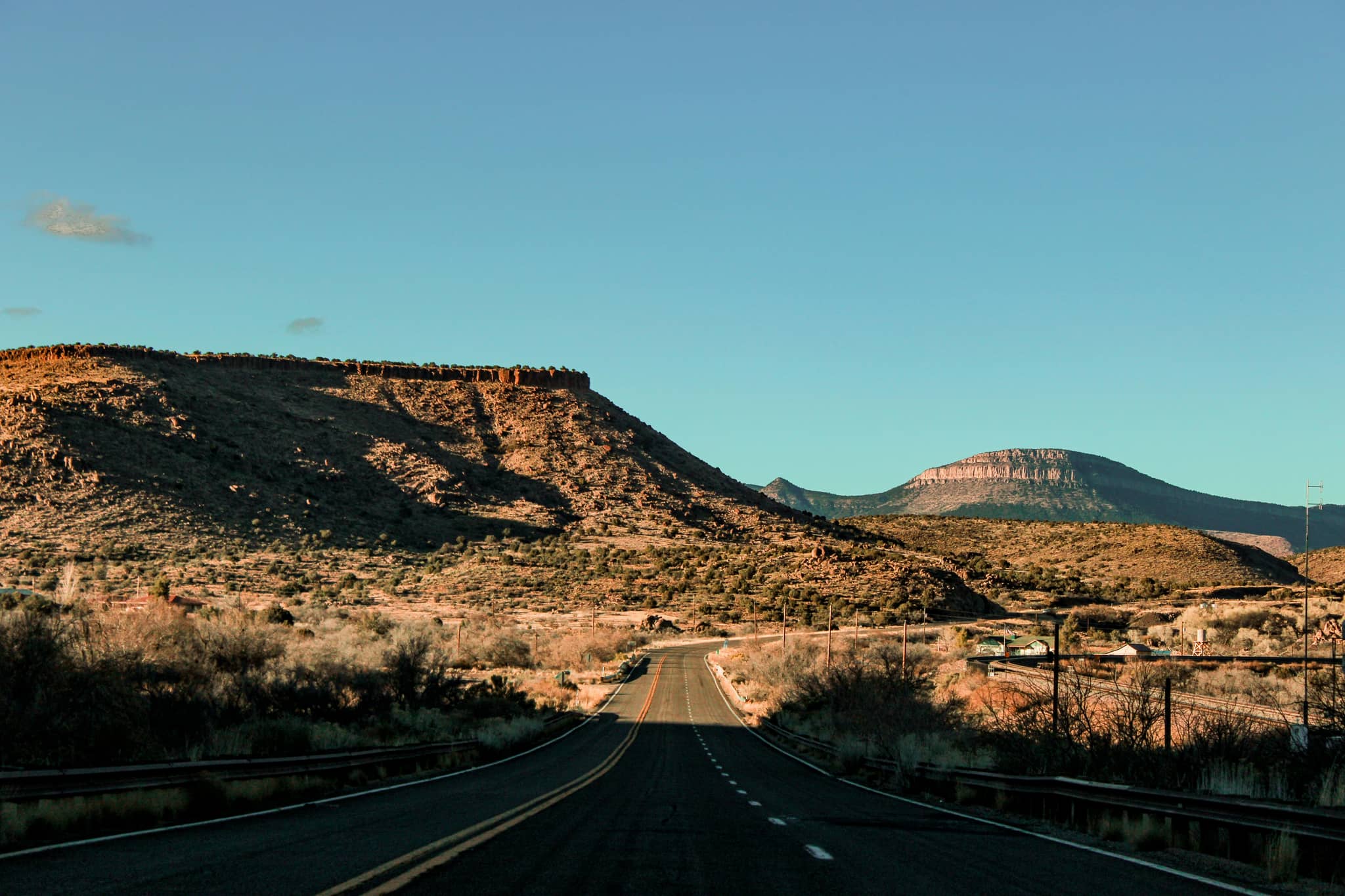
Scenic Mountain Drive
Road to the observatory
Enjoy a winding, unpaved road with breathtaking vistas of southern Arizona. Perfect for photography and appreciating nature.
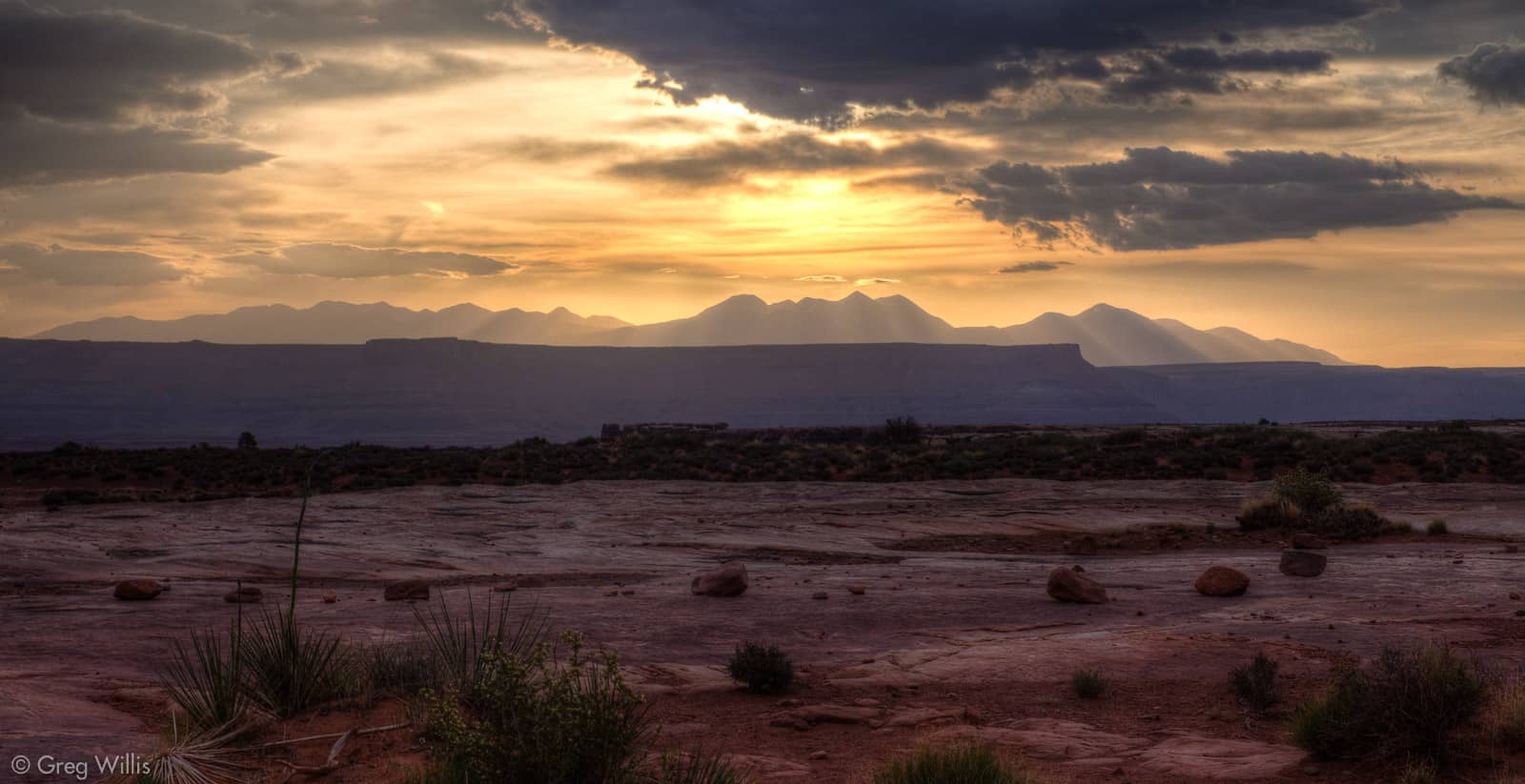
Sunset Views
Visitor center gate picnic area
A prime location for capturing stunning sunsets over the Arizona landscape. Bring a picnic and enjoy the golden hour.
Plans like a pro.
Thinks like you
Planning Your Visit
Visitor Access & Hours
Scenic Drive & Sunset Spot
Best Times
Insider Tips
from TikTok, Instagram & Reddit
Check Reopening Status
Confirm operating hours and tour availability before visiting, as access can be limited. :informationdeskperson:
Scenic Drive Ahead
The road is unpaved and winding; drive carefully and enjoy the views. :mountain_railway:
Sunset Picnic Spot
The picnic area near the gate is ideal for sunset viewing and a relaxing meal. :picnic_table:
Engaging for All Ages
Informative exhibits and knowledgeable staff make it great for both kids and adults. :child:
Tips
from all over the internet
Check Reopening Status
Confirm operating hours and tour availability before visiting, as access can be limited. :informationdeskperson:
Scenic Drive Ahead
The road is unpaved and winding; drive carefully and enjoy the views. :mountain_railway:
Sunset Picnic Spot
The picnic area near the gate is ideal for sunset viewing and a relaxing meal. :picnic_table:
Engaging for All Ages
Informative exhibits and knowledgeable staff make it great for both kids and adults. :child:
Photography Opportunities
Stunning mountain landscapes and potential for astrophotography. :camerawithflash:
What Travellers Say
Reviews Summary
Visitors find the Fred Lawrence Whipple Observatory to be a place of great natural beauty and scientific interest, even when access is limited. The scenic drive and sunset views are consistently praised, and the staff are noted for their friendliness and knowledge. While current closures are a drawback, the planned reopening and tours are anticipated with excitement.
"The observatory is closed to the public. The visitor center was also closed (it seems it is open for limited hours on Fridays). But you can drive up the turny, narrow dirt road up to the gate, maybe 8km up from the viz center. Beautiful spot to watch the sunset. Also, I bumped into a couple of folks, super nice; one mentioned that it is a good spot to watch SpaceX launches from Vanderberg. The other person was going to "hunt" for snakes to take pictures. Outside the gate of the visitor's center there is a wonderful picnic area. Watch the sunset and then have a bite here on the way out!"
Valerio Viti
"Such a cool place! The main observatory is closed to the public for now because of ice. But the gamma ray array at the bottom of the mountain is an excellent stop! Service was great and incredibly knowledgeable!"
Andrew Smith
"Great place. Wonderful volunteers. Interesting info. Good for kids and adults. Small place but lots of things to interact with. Great photo opportunities. We went during day but would love to go during the night!"
Julie Schwartz
What People Like
What People Dislike
Frequently Asked Questions
🚇 🗺️ Getting There
The observatory is located on Mt. Hopkins. The drive up from the visitor center is on a narrow, unpaved road, so drive with caution. While the main facility may be closed, the scenic drive itself offers beautiful views of southern Arizona.

The road is unpaved and winding. While it can be navigated, it's recommended to drive carefully. Some visitors have mentioned it's suitable for 'truck things' on single-track forest access roads.
Access to the main observatory facilities may be restricted. However, you can drive up to the gate of the visitor center, which offers a picnic area and beautiful views.
Take your time to enjoy the natural beauty and panoramic views of the surrounding landscape. It's a great opportunity for photography.
Be prepared for a winding, unpaved road. It's advisable to have a vehicle that can handle such terrain, though many visitors have successfully driven it.
🎫 🎫 Tickets & Entry
The observatory is currently closed to the public, but plans to reopen in May 2024 with limited hours on Fridays and Saturdays from 10 AM to 3 PM. Mountain tours will also be offered for a fee.
As of recent information, the observatory plans to reopen in May 2024, operating on Fridays and Saturdays from 10 AM to 3 PM. It's best to check their official website or contact them for the most current hours.
While general admission details for the reopening are still being finalized, mountain tours are expected to have a fee of $35.00.
Information regarding advance booking for the reopening and tours is not yet fully available. It's recommended to monitor their official announcements for booking procedures.
Yes, even when closed, you can drive up to the visitor center gate. There's a picnic area and beautiful views, making it a worthwhile stop for sunset.
🎫 🔭 Onsite Experience
Key attractions include the gamma-ray array at the base of the mountain, the main observatory telescopes (though access may be limited), and the stunning scenic drive.
Absolutely! Visitors have described it as a great place for both kids and adults, with interactive elements and interesting information.
The observatory is involved in research such as gamma-ray astronomy and searching for Earth-like exoplanets. It's a satellite facility of the Smithsonian Astrophysical Observatory.
Yes, the area around the visitor center includes walking and nature trails, and it's ADA compliant.
Access to the main telescopes might be restricted, but guided mountain tours are planned to be offered upon reopening, which may provide closer views.
📸 📸 Photography
The scenic drive up Mt. Hopkins offers incredible panoramic views. The visitor center gate area is also excellent for sunset shots.
Given its high altitude and remote location, it's likely a good spot for astrophotography, especially when the skies are clear and the main observatory is not interfering with light.
Expect stunning mountain landscapes, dramatic sunsets, and potentially clear night skies. Some visitors have even gone 'snake hunting' for unique photo opportunities.
Generally, photography for personal use is allowed, but always be mindful of any posted signs or staff instructions, especially near sensitive research equipment.
Late afternoon leading into sunset provides beautiful golden hour light and dramatic skies.
You may also like

Madera Canyon Tucson Arizona

Tucson Rodeo Parade Museum

Sentinel Peak A Mountain

Seven Falls Bear Canyon

Mission San Xavier del Bac

Titan Missile Museum
Madera Canyon Tucson Arizona
Tucson Rodeo Parade Museum
Sentinel Peak A Mountain
Seven Falls Bear Canyon
Mission San Xavier del Bac
Titan Missile Museum

Tucson Desert Art Museum

Main Avenue Mansions

Patagonia Lake State Park

Reid Park Zoo Tucson

St. Philip's in the Hills Episcopal Church

Social
from TikTok, Instagram & Reddit