
White River National Forest
Explore a vast wilderness of towering peaks, alpine lakes, and vibrant forests. Ideal for hiking, backpacking, and wildlife viewing.
Highlights
Must-see attractions

Social
From TikTok & Reddit
Best Time
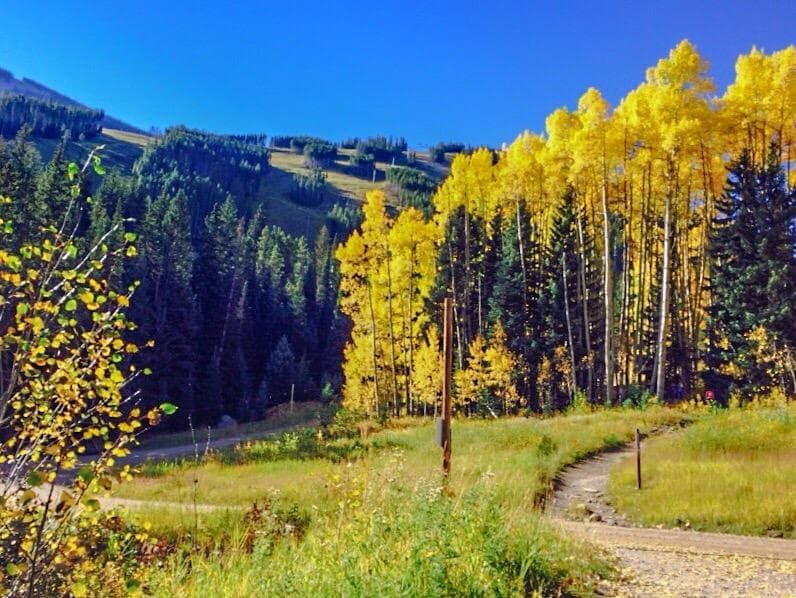
Peak fall foliage
White River National Forest
Best Time
Peak fall foliage
Highlights
Must-see attractions
Explore a vast wilderness of towering peaks, alpine lakes, and vibrant forests. Ideal for hiking, backpacking, and wildlife viewing.
"The fall colors were popping! The scenery is stunning!"

🚗 4WD Recommended for Some Trails
Many remote trailheads require 4WD. Check conditions before you go!
🌸 Wildflower Season Magic
Summer brings stunning wildflowers. Bring your camera!

Highlights
Discover the most iconic attractions and experiences
Vibrant Fall Colors
Witness a breathtaking spectacle of golden aspens and crimson foliage painting the mountainsides. A must-see in autumn.
Wildflower Meadows
Explore trails bursting with diverse and stunning wildflowers, a delight for nature lovers and photographers.

Elk Viewing Opportunities
Keep an eye out for majestic elk herds roaming in their natural habitat, a truly wild encounter.
Plans like a pro.
Thinks like you
Planning Your Visit
Plan Your Visit to White River National Forest
Navigating White River National Forest
Best Times
Insider Tips
from TikTok, Instagram & Reddit
🚗 4WD Recommended for Some Trails
Many remote trailheads require 4WD. Check conditions before you go!
🌸 Wildflower Season Magic
Summer brings stunning wildflowers. Bring your camera!
🍂 Fall Colors Spectacle
Autumn offers incredible fall colors. Plan your visit for peak beauty.
🦌 Elk Spotting
Look for elk, especially during dawn and dusk. Be respectful of wildlife.
Tips
from all over the internet
🚗 4WD Recommended for Some Trails
Many remote trailheads require 4WD. Check conditions before you go!
🌸 Wildflower Season Magic
Summer brings stunning wildflowers. Bring your camera!
🍂 Fall Colors Spectacle
Autumn offers incredible fall colors. Plan your visit for peak beauty.
🦌 Elk Spotting
Look for elk, especially during dawn and dusk. Be respectful of wildlife.
🥾 Trail Maintenance
Trails are generally well-maintained, but always be prepared.
What Travellers Say
Reviews Summary
Visitors consistently praise the stunning natural beauty of White River National Forest, highlighting vibrant fall colors, abundant wildflowers, and opportunities to see wildlife like elk. The well-maintained trails and vast opportunities for backpacking are also frequently mentioned positives. However, some reviewers note that certain areas can be crowded, and some river areas may have unpleasant odors.
"walking the streets of Fulford, CO: The town has a gate, and only residents can drive the streets. There is a small parking area in the National Forest outside the gate"
Ted Uhlemann
"Beautiful drive. The fall colors were popping!"
Linda Darling
"The river smells like a toilet water and it doesn't sound very good either get ready to come but it smells terrible and it looks really dirty"
Roadside Towing Centennial
What People Like
What People Dislike
Frequently Asked Questions
🚇 🗺️ Getting There
White River National Forest is accessible via multiple highways, including I-70. Major gateways include Denver and Grand Junction. Specific access points vary depending on your destination within the forest. Always check road conditions, especially in winter or after heavy rain.
Driving within the forest can range from easy to challenging. Main roads are generally well-maintained, but many trailheads and backcountry areas require 4WD vehicles due to rough terrain.
Popular towns offering White River National Forest lodging include Aspen, Vail, Breckenridge, and Glenwood Springs. These offer various White River National Forest cabins and resorts.
For main roads and popular access points, a regular car is usually fine. However, for accessing more remote trailheads or exploring backcountry areas, a 4WD vehicle is highly recommended or even necessary.
Shuttle services are typically limited to specific resort areas or towns. For exploring the broader forest, personal or rental vehicles are the most common mode of transport.
🎫 🎫 Tickets & Entry
Generally, there is no entrance fee or permit required to enter White River National Forest. However, specific activities like overnight backpacking White River National Forest may require permits, especially in designated wilderness areas or for overnight stays. Always check with the Forest Service for the most current regulations.
White River National Forest is open 24/7, year-round. However, access to certain roads and trails can be restricted seasonally due to snow, mud, or maintenance. Visitor centers have specific operating hours.
While general entry is free, some popular trailheads or recreation areas may have day-use fees or require a parking pass, especially during peak seasons. It's advisable to carry cash or check for specific area requirements.
Dispersed camping is allowed in many areas of the forest, but there are specific regulations regarding distance from water sources, roads, and established campgrounds. Developed campgrounds require reservations and fees. Always consult the map of White River National Forest and local regulations.
You can purchase detailed map of White River National Forest at local ranger district offices, outdoor recreation stores in nearby towns, or online from the Forest Service or reputable outdoor retailers.
🎫 🏞️ Onsite Experience
Trail recommendations vary widely based on difficulty and scenery. Popular options include trails around Maroon Bells (reservations often required), Hanging Lake (permit required), and numerous backcountry routes for backpacking White River National Forest. Always check trail conditions.
The forest is home to diverse wildlife, including White River National Forest elk, deer, bighorn sheep, bears, and various smaller mammals and birds. Always maintain a safe distance and never feed wildlife.
Absolutely! White River National Forest backpacking is world-class, offering stunning scenery and challenging routes. Popular areas include the Gore Range and Flat Tops Wilderness. Remember to obtain necessary permits and practice Leave No Trace principles.
The White River National Forest photos opportunities are abundant, from dramatic mountain vistas and alpine lakes to vibrant wildflowers and wildlife. Sunrise and sunset often provide the most spectacular light.
Fire restrictions are common, especially during dry seasons, due to high wildfire risk. Always check the current fire restrictions with the Forest Service before planning a campfire. Use designated fire rings where available.
🍽️ 🍽️ Food & Dining
There are very few, if any, traditional restaurants directly within the vast expanse of White River National Forest. Dining options are primarily found in the gateway towns like Aspen, Vail, and Glenwood Springs.
Gateway towns offer a wide range of dining, from casual cafes to fine dining. You can find everything from pizza and burgers to international cuisine. Many White River National Forest resorts also have on-site restaurants.
Yes, picnicking is a great way to enjoy the scenery. Many trailheads and designated recreation areas have picnic tables. Remember to pack out all your trash.
For day trips, pack snacks, sandwiches, and plenty of water. For backpacking White River National Forest, plan for lightweight, high-energy meals and ensure you have a way to store food safely away from wildlife.
Yes, most gateway towns have grocery stores where you can stock up on supplies for your visit, whether for a day hike or an extended backpacking trip.
📸 📸 Photography
Iconic spots include the Maroon Bells (reservations needed), the views from Independence Pass, and any high alpine lake. Don't overlook wildflower meadows in summer and aspen groves in fall for stunning White River National Forest photos.
The 'golden hours' – shortly after sunrise and before sunset – offer the most dramatic and flattering light for landscape photography. Midday can be harsh, but is good for capturing wildflower details.
For personal photography, generally no permit is needed. However, commercial photography or videography may require permits, especially in popular or sensitive areas. Always check with the Forest Service.
A wide-angle lens is great for landscapes, while a telephoto lens is useful for wildlife. A sturdy tripod is essential for low-light conditions and sharp images. Don't forget extra batteries and memory cards!
Some local outfitters and guides offer photography tours, particularly focused on areas like the Maroon Bells or during the fall color season. These can provide unique access and expert guidance.
For Different Travelers
Tailored advice for your travel style
👨👩👧 Families with Kids
For families, focusing on accessible areas with beautiful scenery is key. Trails around developed picnic areas or visitor centers can be great starting points. Always check for any specific safety advisories or trail closures before heading out. The chance to spot wildlife, like White River National Forest elk, can be a huge hit with children, but always emphasize safe viewing distances.
💰 Budget Travelers
Utilize free resources like ranger district offices for map of White River National Forest and trail recommendations. Hiking and backpacking White River National Forest are inherently low-cost activities. Consider visiting during the shoulder seasons (spring or fall) when lodging prices might be lower and crowds thinner.
🚶♀️ Solo Adventurers
Solo hikers can find solitude on less-trafficked trails or during off-peak hours. Respecting wildlife and being aware of your surroundings are crucial. Consider joining a guided day hike or a backpacking trip if you're new to the area or prefer company. The vastness of the forest provides ample opportunity for personal exploration and challenge.
Deep Dives
In-depth insights and expert knowledge
Backpacking Adventures in White River National Forest
When embarking on backpacking White River National Forest trips, prioritize safety and preparedness. This includes carrying essential navigation tools (map, compass, GPS), sufficient food and water, and appropriate gear for unpredictable mountain weather. Practice Leave No Trace principles diligently to preserve the natural beauty for future visitors. Understanding the terrain and potential hazards, such as altitude sickness and sudden storms, is key to a successful and enjoyable adventure.
Wildlife Viewing: Elk and More
Observing White River National Forest elk and other animals in their natural habitat offers a profound connection to the wild. Consider visiting during the fall rutting season for elk to witness their impressive displays. Remember that these are wild animals, and respecting their space is essential for both your safety and their well-being. Binoculars or a telephoto lens can enhance your viewing experience without disturbing the animals.
Capturing the Scenery: Photography Tips
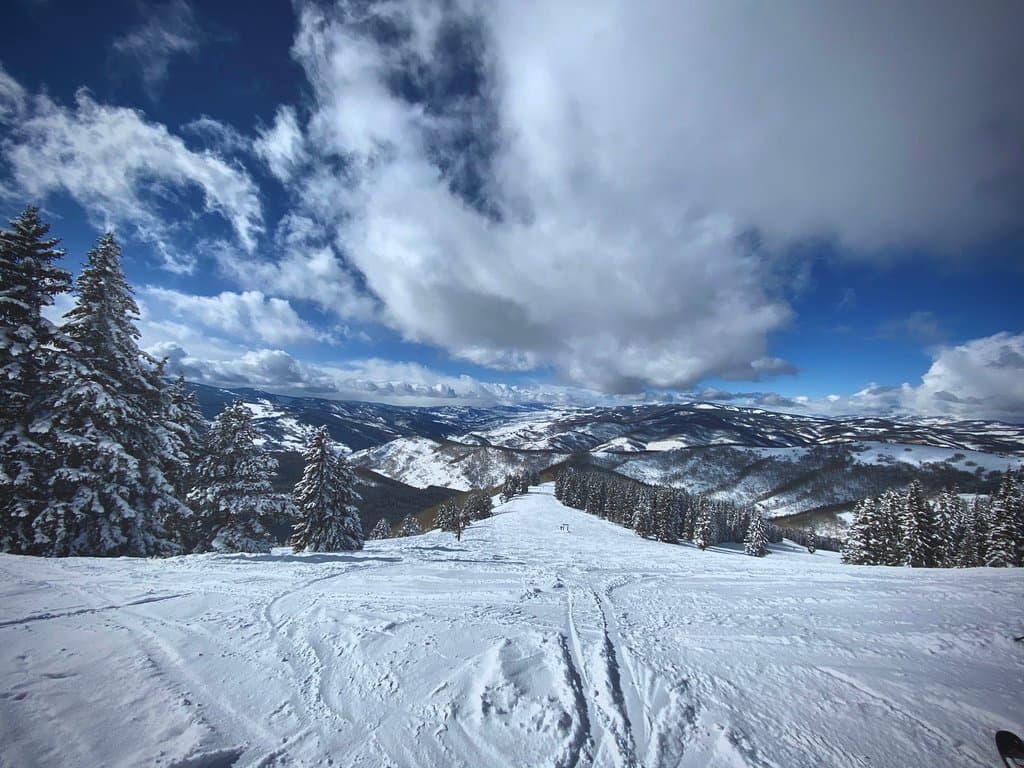
Timing is everything for capturing the best White River National Forest photos. The 'golden hours' just after sunrise and before sunset provide soft, warm light that enhances textures and colors. In autumn, the vibrant aspen groves create a spectacular display, making it a prime time for photographers. Summer offers lush greenery and blooming wildflowers, while winter transforms the landscape into a serene, snow-covered wonderland. Always be prepared for changing weather conditions, which can add dramatic flair to your shots.



Social
from TikTok, Instagram & Reddit