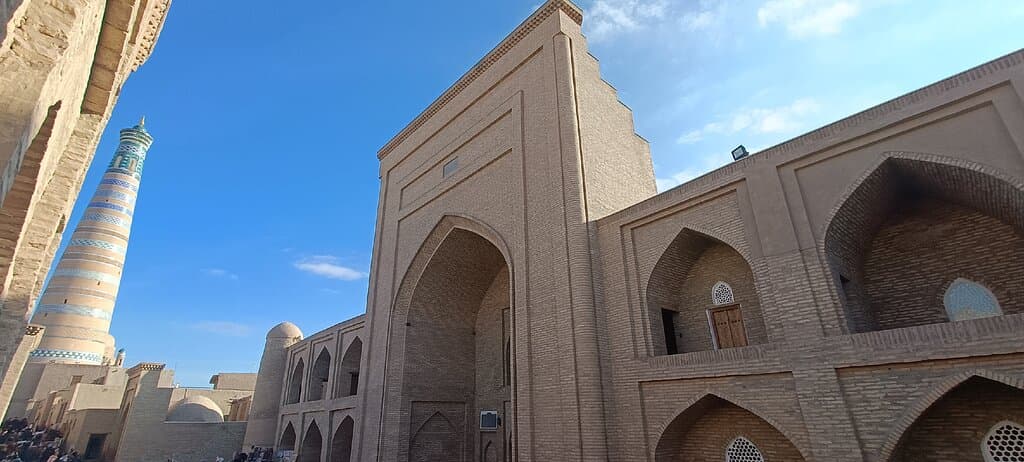
Muhammad Rahim Khan Madrasa
A grand 19th-century madrasa, now a museum, showcasing Islamic architecture and the legacy of poet-khan Muhammad Rahim II.
Highlights
Must-see attractions

Social
From TikTok & Reddit
Best Time
Beat the heat and crowds
Muhammad Rahim Khan Madrasa
Best Time
Beat the heat and crowds
Highlights
Must-see attractions
A grand 19th-century madrasa, now a museum, showcasing Islamic architecture and the legacy of poet-khan Muhammad Rahim II.
"A beautiful madrasah in the heart of old town Khiva, well-maintained with some English information."
📸 Capture the Details
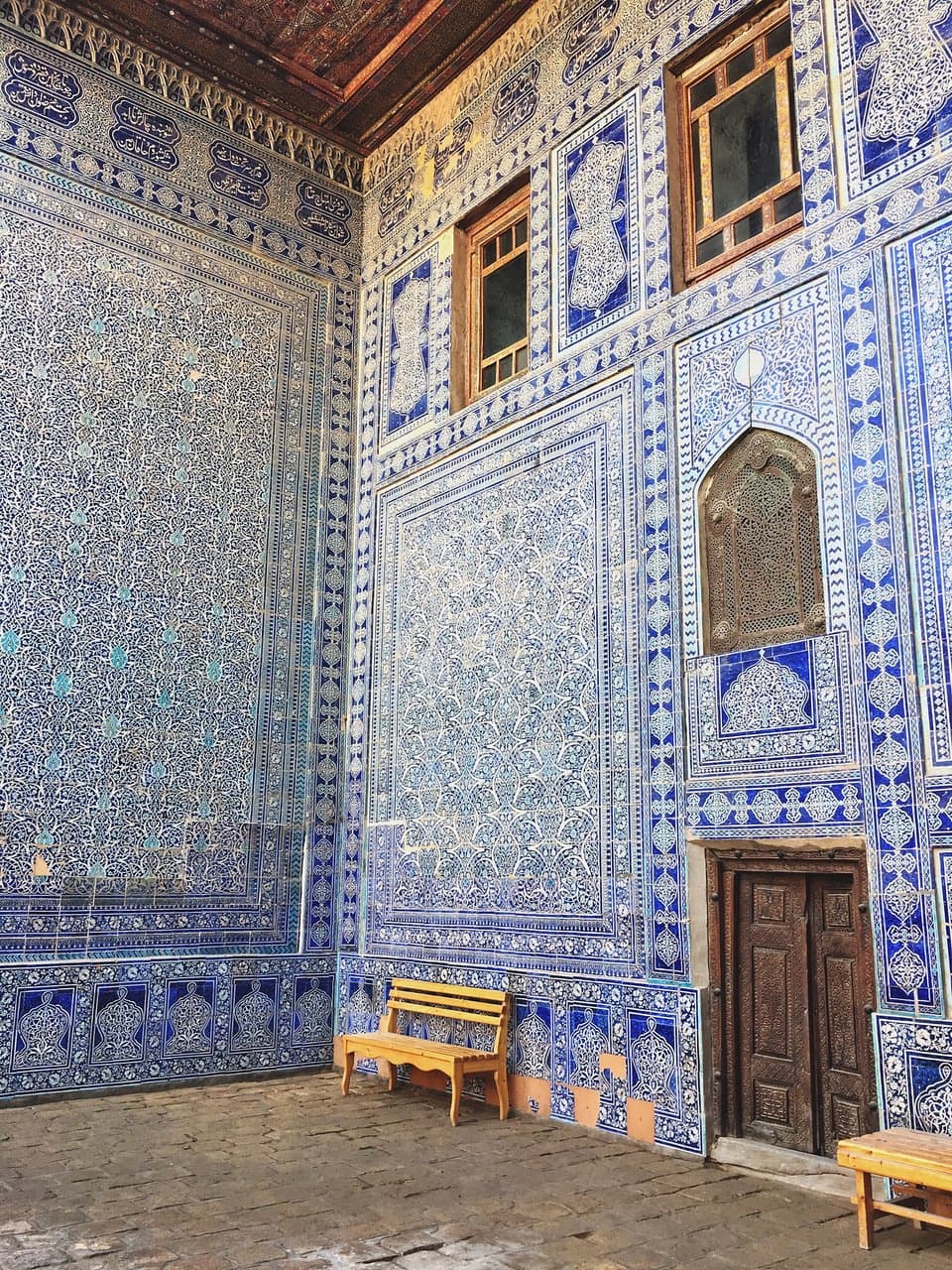
Don't miss the intricate blue and white tilework; it's a photographer's dream! :camerawithflash:
⏳ Museum Visit
The museum is small, expect to spend about 10-15 minutes inside. :clock1:
Quick Facts
Hours
Rating
4.6 · 62 reviews
Type
Historical Landmark
Highlights
Discover the most iconic attractions and experiences
Grand Courtyard
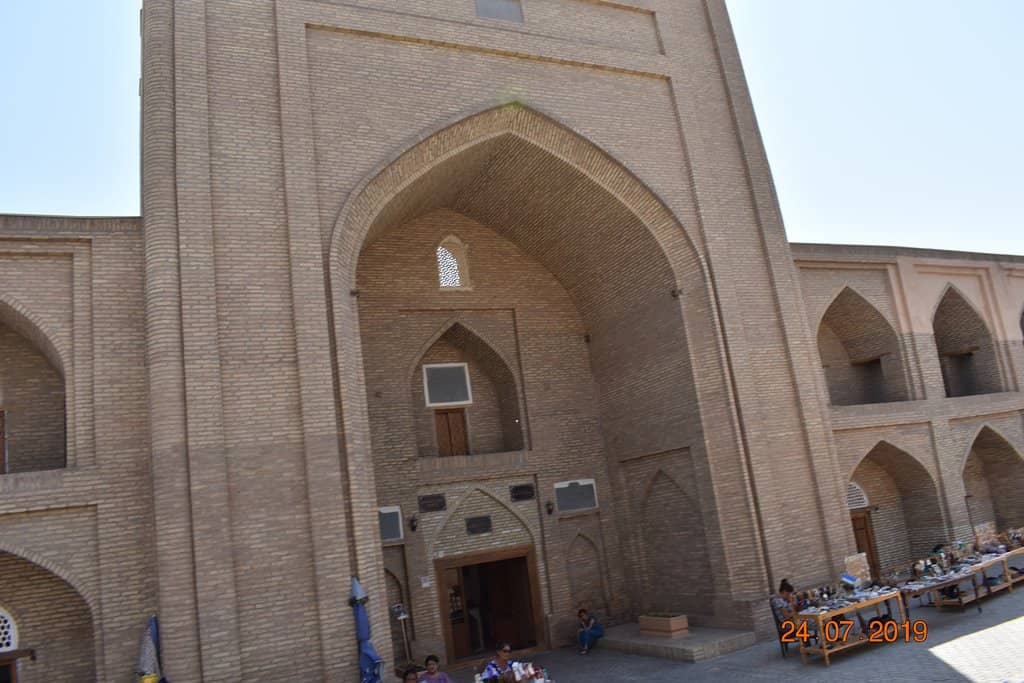
Central courtyard
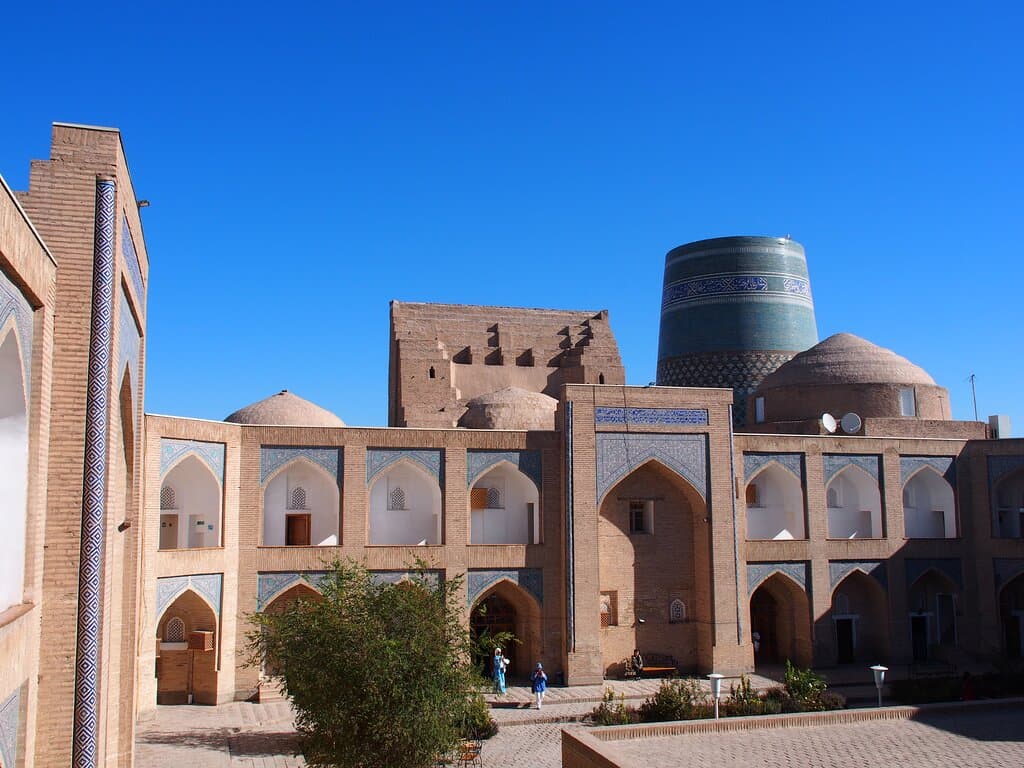
Explore the spacious courtyard, once bustling with scholarly life, surrounded by student cells and lecture rooms.
Museum of Khiva Khanate History
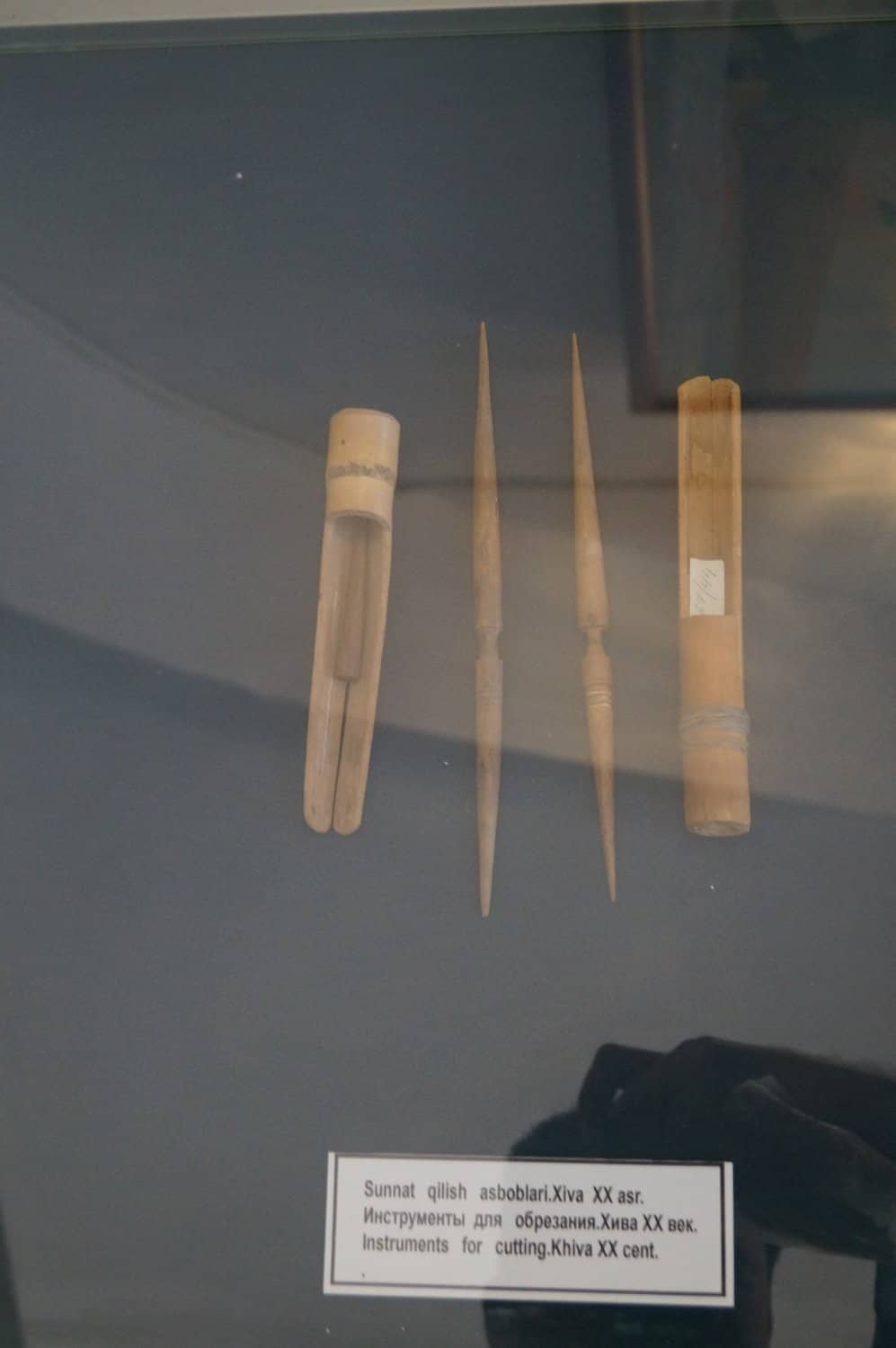
Inside the madrasa
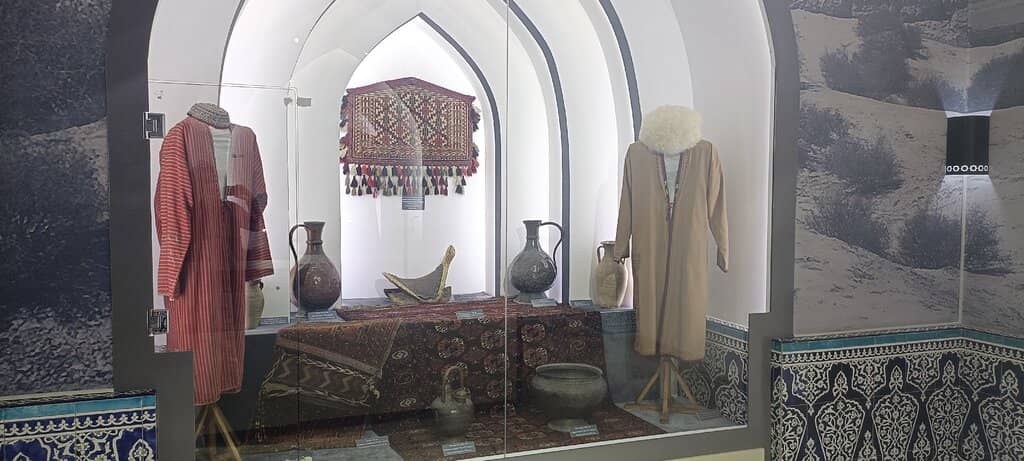
Discover exhibits on the Khiva Khanate and the life of poet-khan Muhammad Rahim II, offering a glimpse into the past.
Intricate Tilework
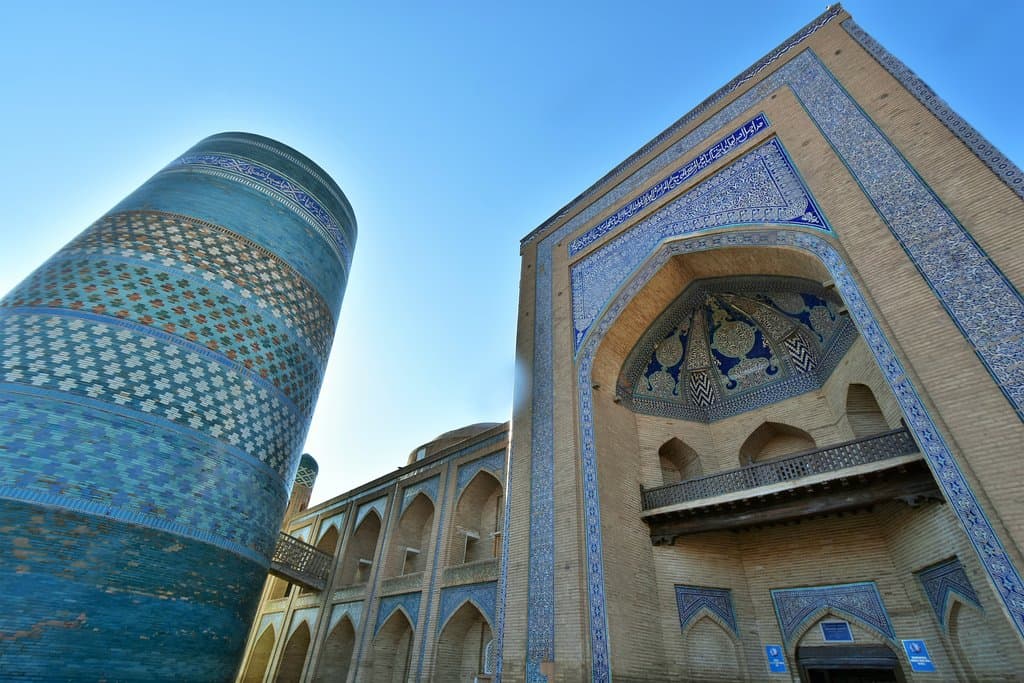
Exterior and interior facades
Admire the elegant symmetry and detailed blue and white tilework adorning the madrasa's impressive facades.
Plans like a pro.
Thinks like you
Planning Your Visit
Timing Your Visit
Understanding the Madrasa
Best Times
Insider Tips
from TikTok, Instagram & Reddit
📸 Capture the Details
Don't miss the intricate blue and white tilework; it's a photographer's dream! :camerawithflash:
⏳ Museum Visit
The museum is small, expect to spend about 10-15 minutes inside. :clock1:
🛍️ Souvenir Shopping
There's a souvenir shop outside with negotiable prices. :moneybag:
📍 Prime Location
Located opposite the Konya Ark citadel, making it easy to combine visits. :world_map:
Tips
from all over the internet
📸 Capture the Details
Don't miss the intricate blue and white tilework; it's a photographer's dream! :camerawithflash:
⏳ Museum Visit
The museum is small, expect to spend about 10-15 minutes inside. :clock1:
🛍️ Souvenir Shopping
There's a souvenir shop outside with negotiable prices. :moneybag:
📍 Prime Location
Located opposite the Konya Ark citadel, making it easy to combine visits. :world_map:
What Travellers Say
Reviews Summary
Visitors find the Muhammad Rahim Khan Madrasa to be a beautiful and historically significant site, well-maintained and offering insights into Khivan history. Its prime location opposite the Konya Ark makes it a convenient stop. While the museum is small, it provides a good overview of the Khanate and its ruler.
"Muhammad Rahim Khan Madrasah is one of the largest in Khiva, and is located directly opposite the Konya Ark citadel. It was built in 1871 on behalf of Khan Said Muhammad Rahim II (reign 1863 to 1910), who was also a well-known poet under the pseudonym Feruz Shah."
Lets Travel To (Nouna)
"Muhammad Rahimxon Madrasah.
Located near the east side of Khiva’s Itchan Kala, the Muhammad Rahimxon Madrasah stands as one of the city’s most impressive and culturally significant educational institutions. Built in 1876 by Muhammad Rahim Khan II, a ruler known for his patronage of the arts and literature, the madrasah reflects the final flourishing of Islamic architecture during the Khanate period.
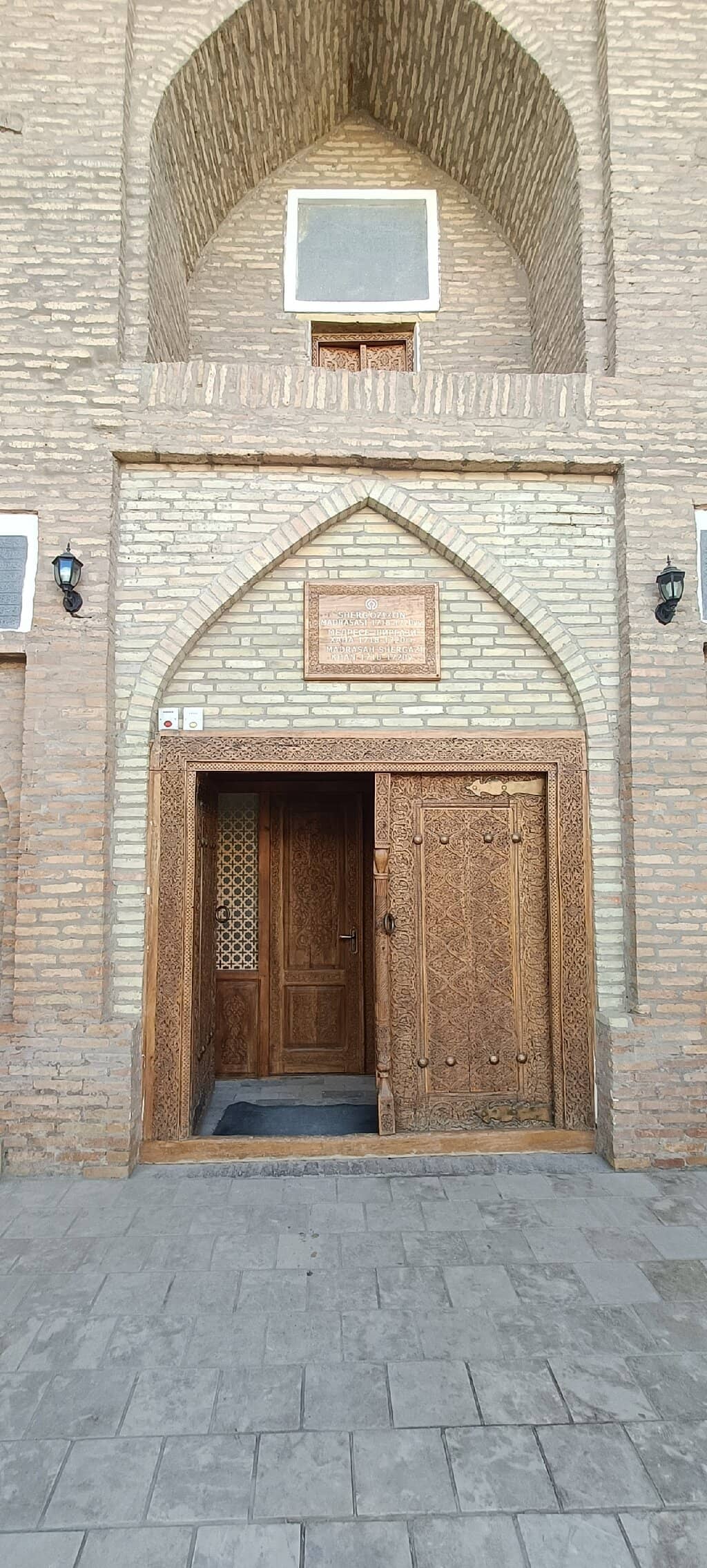
The building is notable for its grand size and elegant symmetry, featuring a wide entrance portal (pishtaq), two-story arched façades, and intricate tilework in blue and white. Its layout includes over 70 hujras (student cells), lecture rooms, and a spacious courtyard — once filled with the daily rhythm of religious and scholarly life.
Muhammad Rahim Khan himself was a poet, reformer, and progressive ruler, who encouraged learning, translation of scientific texts, and the promotion of Turkic literature. His madrasah became a hub of intellectual life in late 19th-century Khiva, continuing the legacy of traditional Islamic education while engaging with new ideas.
Today, the madrasah remains one of Khiva’s most visited monuments, hosting cultural exhibitions and attracting visitors with its refined beauty. It stands not only as an architectural masterpiece but as a reminder of a ruler who believed in knowledge, identity, and enlightened governance."
Lefteris Stamatelatos
"This is another part of the Naqshbandi Memorial Complex, is a remarkable historical site located opposite the Kunya Ark citadel.
Now the madrassah serves as a museum of the history of the Khiva Khanate and highlights Mohammed Rahim Khan II, who ordered its construction. The museum is very interesting with exhibilts giving a good idea of life within where students and scholars once studied."
Ross Daniels
What People Like
What People Dislike
Frequently Asked Questions
🚇 🗺️ Getting There
The madrasa is located within the Itchan Kala, the walled inner city of Khiva. It's easily accessible on foot once you are inside the old town, situated opposite the Konya Ark citadel. If you are arriving in Khiva, taxis or local transport can take you to the gates of Itchan Kala.
Yes, it's quite easy to find. It's one of the largest madrasas and is prominently located directly opposite the Konya Ark citadel, a major landmark within Itchan Kala.
Walking is the best way to explore Itchan Kala and the surrounding historical sites, including the madrasa. The old town is compact and pedestrian-friendly.
🎫 🎫 Tickets & Entry
Entry to the madrasa itself and its courtyard is typically included with the Itchan Kala entrance ticket. The museum inside may have a separate small fee or be included in the general ticket.
The madrasa and its museum generally follow the operating hours of other historical sites within Itchan Kala. It's best to check locally for the most up-to-date hours, but they are usually open during daylight hours.
While the courtyard is usually accessible with the Itchan Kala ticket, the museum exhibits inside might have a small additional fee. Visitors have noted it's a small museum that doesn't take long to see.
Tickets for Itchan Kala are typically purchased on-site at the entrance gates. It's advisable to confirm if online booking options are available closer to your travel date.
🎫 🏛️ Onsite Experience
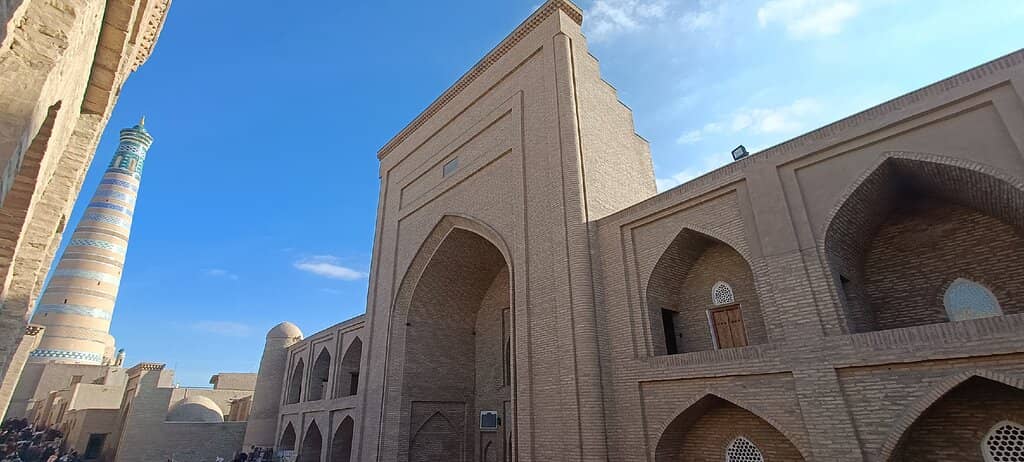
Inside, you'll find student cells (hujras), lecture rooms, and a central courtyard. The madrasa also houses a museum dedicated to the history of the Khiva Khanate and Khan Muhammad Rahim II.
A visit to the madrasa and its museum can take anywhere from 30 minutes to an hour, depending on your interest in the exhibits and the architecture. The museum itself is quite small.
Reviews indicate that the madrasa is well-maintained and nicely lit, making for a pleasant visiting experience.
Yes, there is some information available in English within the madrasa and museum, which helps visitors understand the historical context.
The madrasa showcases classic Islamic architecture with a grand entrance portal (pishtaq), two-story arched facades, and intricate blue and white tilework, reflecting the late Khanate period.
🍽️ 🛍️ Shopping & Dining
Yes, there are several cafes and restaurants within the Itchan Kala and just outside its gates offering local Uzbek cuisine. You can find options for a quick bite or a more leisurely meal.
There is a souvenir shop located outside the museum entrance where you can purchase local crafts and mementos. Prices are negotiable.
Souvenir shops in Khiva typically offer items like ceramics, textiles, wood carvings, and traditional Uzbek clothing and accessories.
Social
from TikTok, Instagram & Reddit