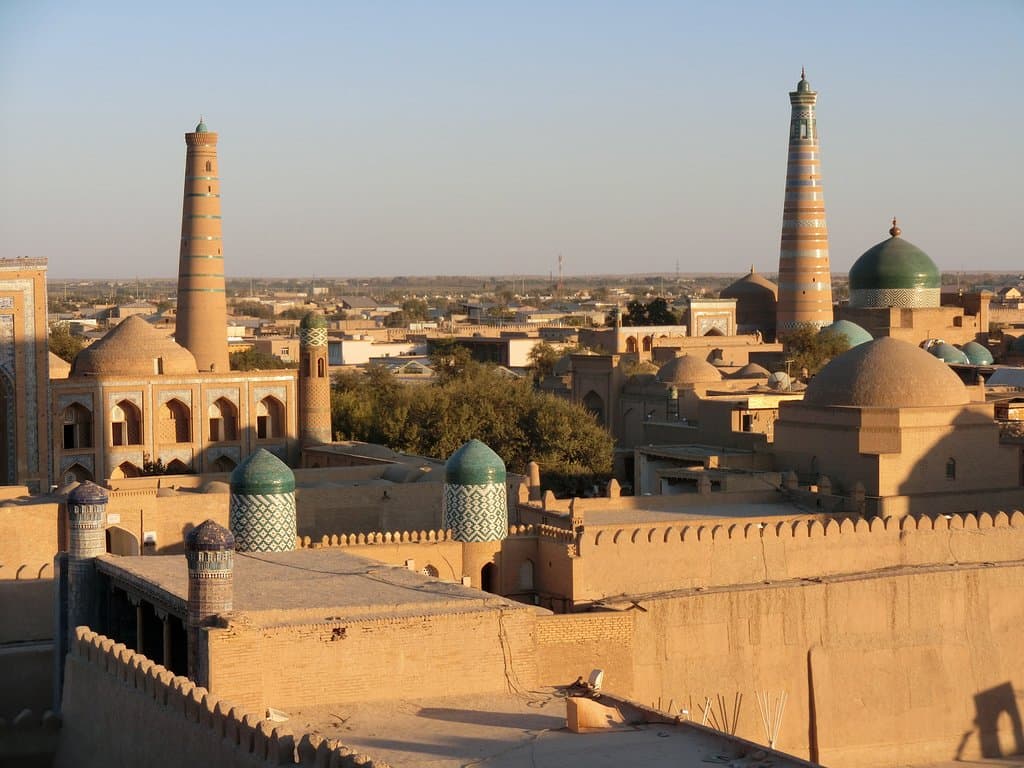
Itchan Kala Khiva
Step into a living fortress frozen in time. Itchan Kala, Khiva's ancient walled city, is a UNESCO World Heritage site brimming with Islamic architectu...
Highlights
Must-see attractions

Social
From TikTok & Reddit
Best Time
Gates open for locals; peaceful atmosphere.
Itchan Kala Khiva
Best Time
Gates open for locals; peaceful atmosphere.
Highlights
Must-see attractions
Step into a living fortress frozen in time. Itchan Kala, Khiva's ancient walled city, is a UNESCO World Heritage site brimming with Islamic architecture and centuries of history.
"Itchan Kala is the inner town of Khiva, Uzbekistan, a perfectly preserved walled city like something out of a fairytale."
🚶♀️ Wander Beyond the Main Path
Discover hidden mosques and quiet corners away from the main tourist drag. Some gems are waiting to be found!
💰 Skip Museum Tickets (Mostly)
Enjoy the atmosphere of Itchan Kala without a ticket. Only pay if you plan to enter specific museums.
Quick Facts
Hours
Rating
4.7 · 3,396 reviews
Type
Museum
Highlights
Discover the most iconic attractions and experiences
Kalta Minor Minaret
Central Itchan Kala
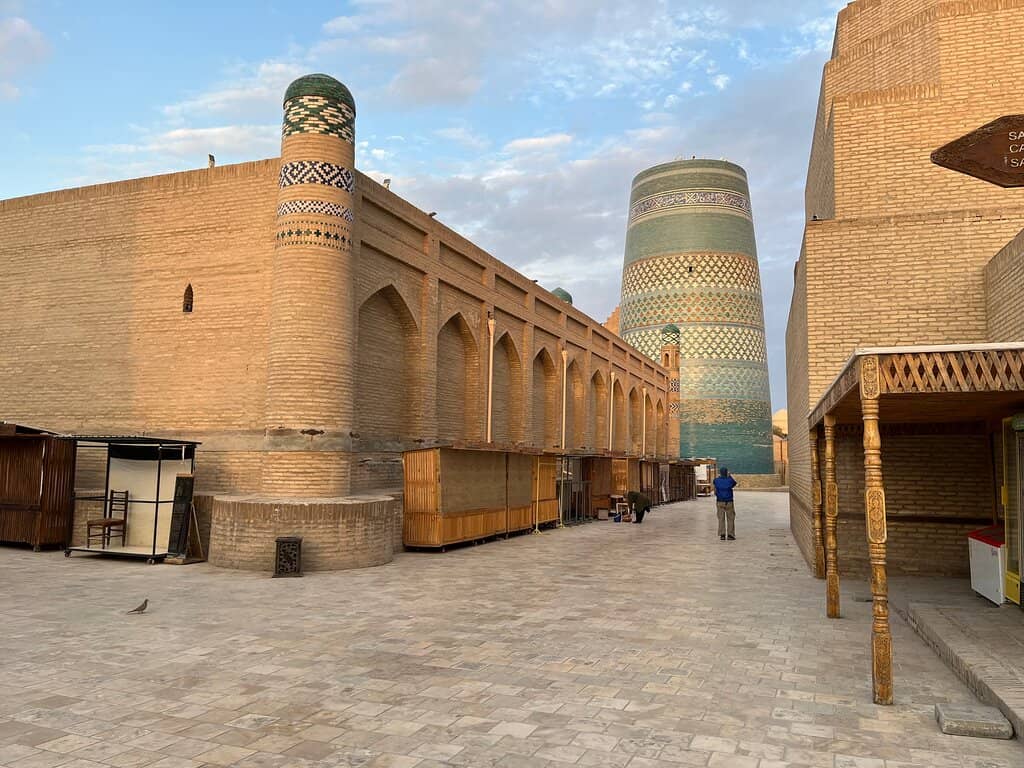
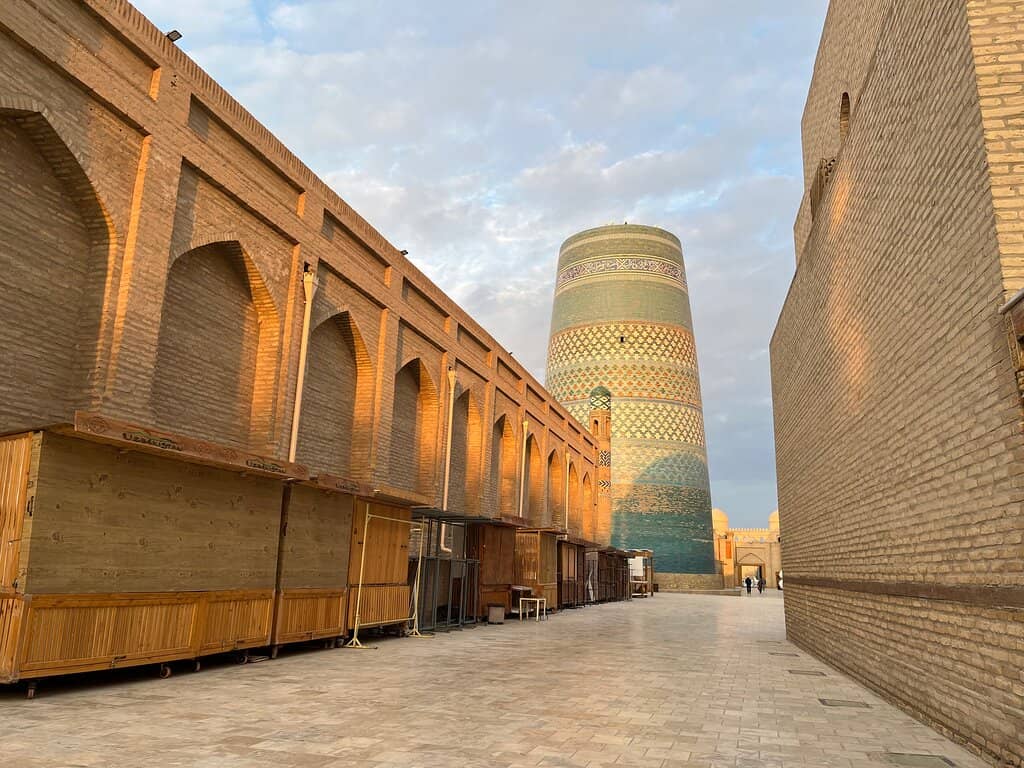
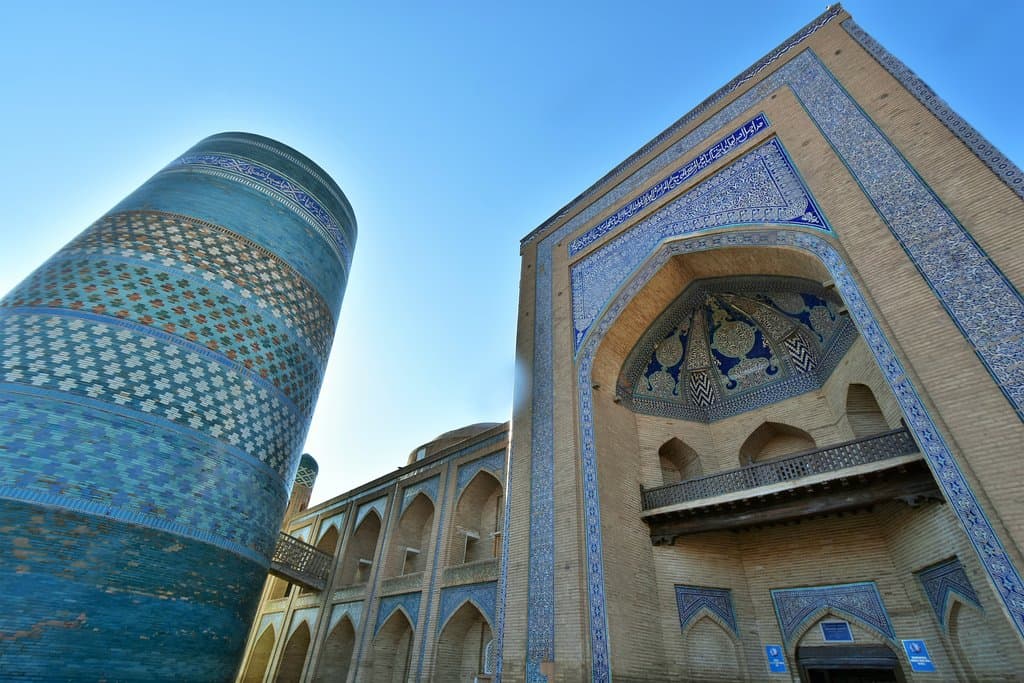
An unfinished, majestic turquoise minaret that stops abruptly, a symbol of grand ambition frozen in time.
Juma Mosque
Central Itchan Kala
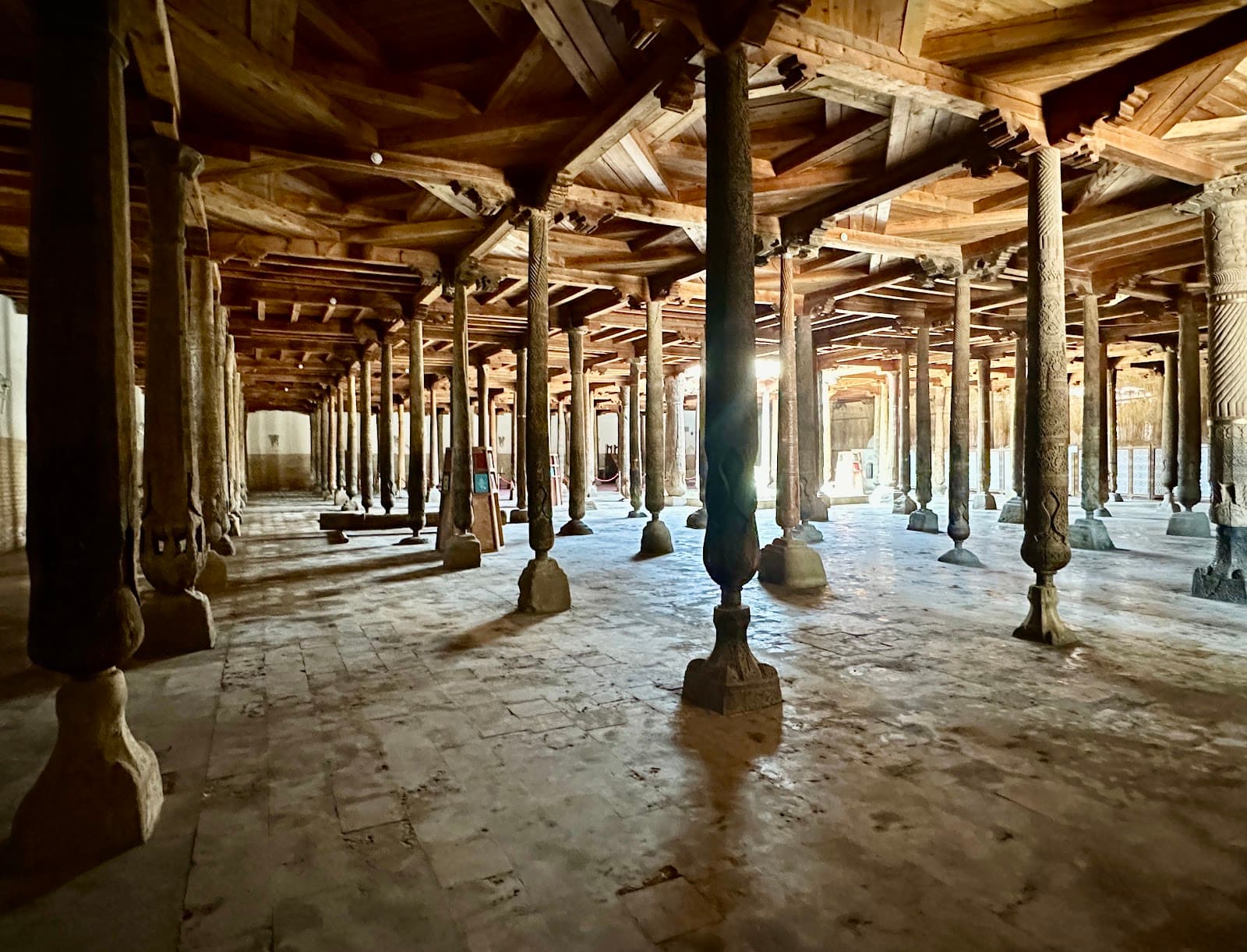
Marvel at the 213 intricately carved wooden pillars, each unique, supporting the ancient mosque's roof.
Itchan Kala Walls
Perimeter of Itchan Kala
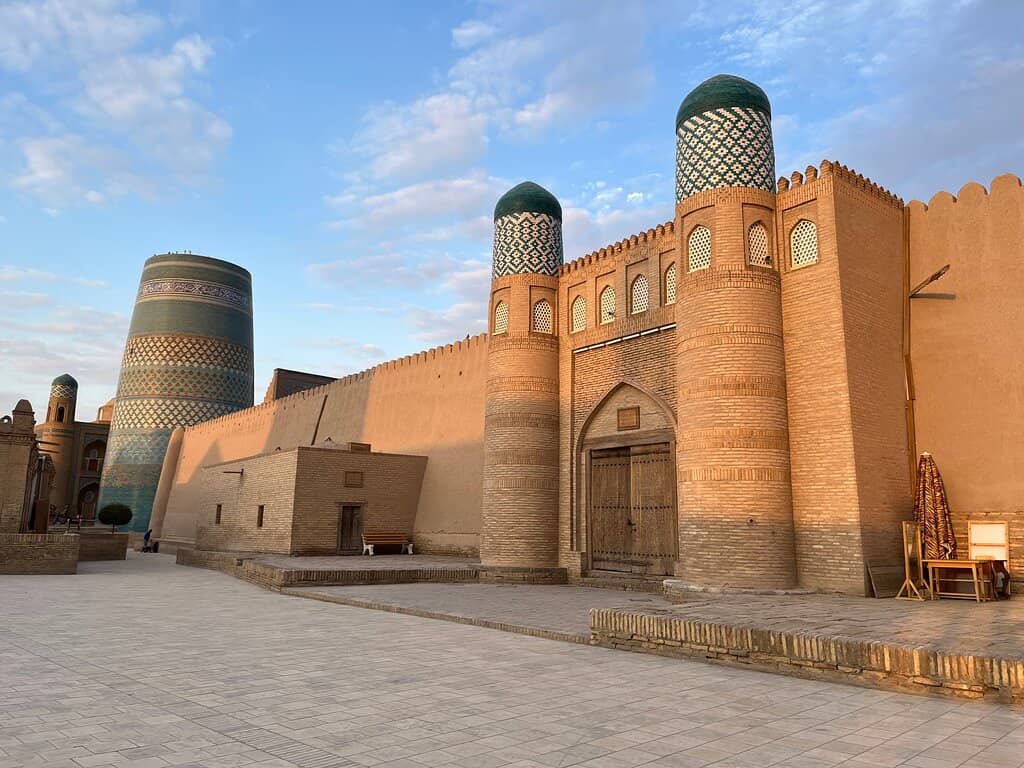
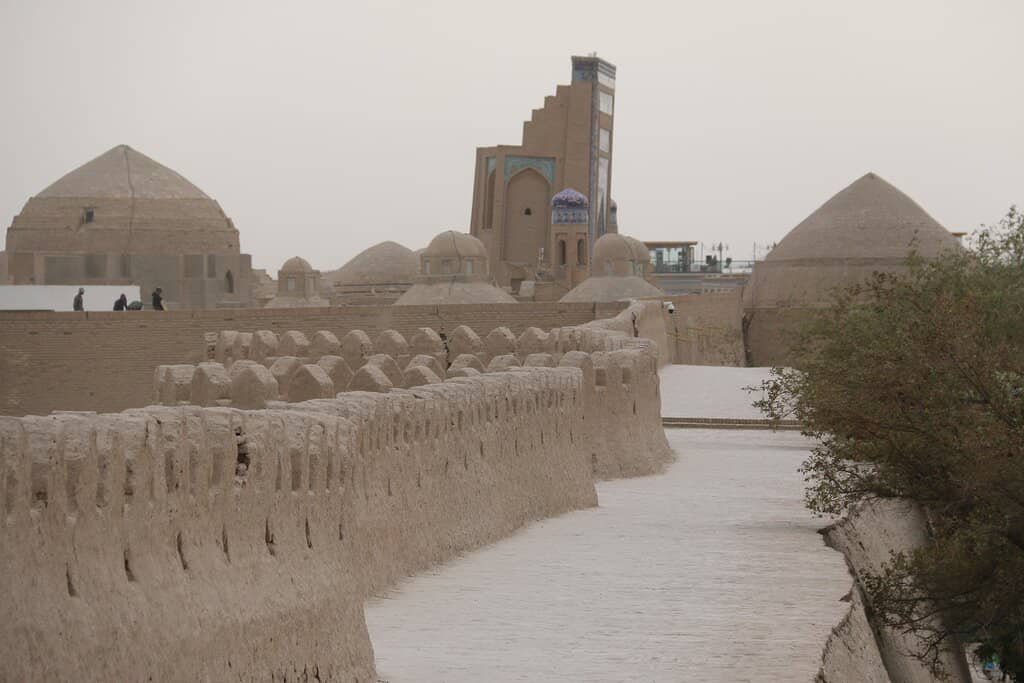
Walk atop the 10-meter high clay-brick walls for panoramic views of the ancient city and surrounding desert.
Plans like a pro.
Thinks like you
Planning Your Visit
Embrace the Living History
Ticket Smarts for Itchan Kala
Best Times
Insider Tips
from TikTok, Instagram & Reddit
🚶♀️ Wander Beyond the Main Path
Discover hidden mosques and quiet corners away from the main tourist drag. Some gems are waiting to be found!
💰 Skip Museum Tickets (Mostly)
Enjoy the atmosphere of Itchan Kala without a ticket. Only pay if you plan to enter specific museums.
📸 Capture the Blue Hour
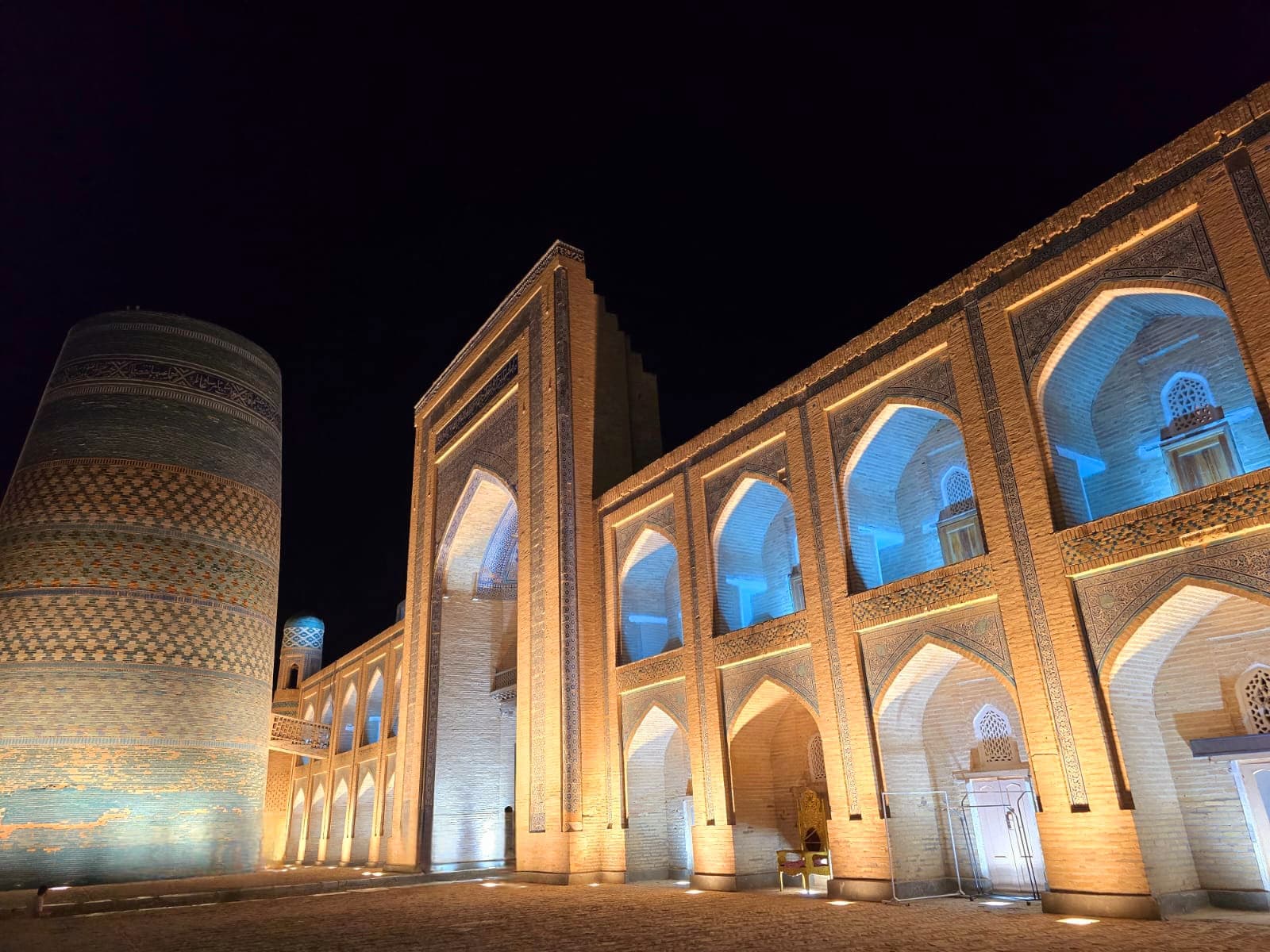
The 'blue hour' light at dusk adds drama to the stunning Islamic architecture.
🗣️ Beware of Tourist Pricing
Some restaurants may not list prices. Be mindful of potential tourist markups.
Tips
from all over the internet
🚶♀️ Wander Beyond the Main Path
Discover hidden mosques and quiet corners away from the main tourist drag. Some gems are waiting to be found!
💰 Skip Museum Tickets (Mostly)
Enjoy the atmosphere of Itchan Kala without a ticket. Only pay if you plan to enter specific museums.
📸 Capture the Blue Hour
The 'blue hour' light at dusk adds drama to the stunning Islamic architecture.
🗣️ Beware of Tourist Pricing
Some restaurants may not list prices. Be mindful of potential tourist markups.
👟 Wear Comfortable Shoes
You'll be doing a lot of walking on uneven surfaces within the ancient city.
What Travellers Say
Reviews Summary
Itchan Kala is lauded as a remarkably preserved historical gem, offering a captivating journey back in time with its stunning Islamic architecture and vibrant tilework. Visitors appreciate the living fortress aspect and the opportunity to explore its ancient walls and mosques. However, some feel it has become overly commercialized with tourist-focused shops and restaurants, leading to a perception of lost authenticity.
"Enter a citadel frozen for a thousand years. Touch the Juma Mosque’s 213 wooden pillars carved a thousand years ago. Only locals can live here, a right passed down through generations.
You get a pass for 2 days for $10 to see everything.
At sunrise, the gates of Itchan Kala open only to locals—every shop, craft, and trade run by their hands alone. The 10m clay-brick walls, standing since the 10th century, seal in 26ha of streets trapped in time. Within them, over 50 monuments rise beside 250 ancient homes. The 29m Kalta Minor minaret stops mid-sky—ambition frozen since 1855. Juma Mosque holds 112 carved wooden pillars, each one different. In the market, spices and wool mingle—every product crafted on site. More than 300 families still work as their ancestors did. This is not a museum. It’s a living fortress, preserving 2,000 years of skill, memory, and will."
George Benaroya
"Mixed feelings about this place. On the one hand, it is excellently restored, unbelievabley photogenic, and well maintained but at the same time it feels like a theme park for tourists packed with souvenir shops and overpriced restaurants. The only life activity here is tourist trade.
Since they evicted most of its residents, this place has somehow lost its soul and become just another tourist processing factory.
Also, there is no mention of its slave trading past anywhere. That is rather unfair.
By the way, despite what they might tell you, you don’t need to buy a ticket to enter the old town itself, you will only need it if you want to visit its museums."
Floyd Cooper
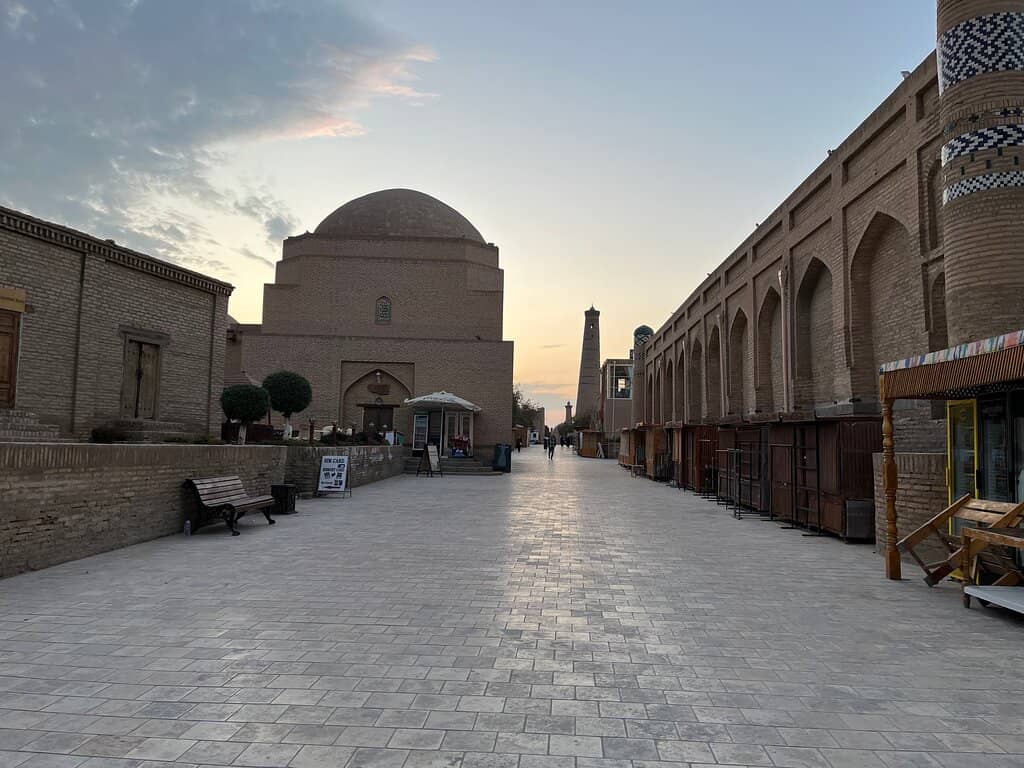
"Apart from the famous tourist attractions, there is much to learn from this medieval city in the middle of the desert.
For instance, observe how the locals build their houses, using a mixture of mud and grass to finish their walls.
Many of the famous attractions are under constant conservation, and there are little-known historical buildings sitting silently at the corners of the city, waiting to be found, such as this mosque in front of a hostel.
The air is dry and the temperature is cold during the morning, typical desert weather."
lc L
What People Like
What People Dislike
Frequently Asked Questions
🚇 🗺️ Getting There
Itchan Kala is the walled inner city of Khiva. You can reach Khiva by flight to Urgench International Airport (UGC), followed by a taxi or shared taxi to Khiva (about 30-40 minutes). Alternatively, you can take trains or buses from major Uzbek cities like Tashkent or Samarkand to Urgench, then transfer to Khiva.
Yes, Itchan Kala is a compact, walkable walled city. Its narrow streets and distinct landmarks make it relatively easy to explore on foot. Many visitors recommend dedicating a full day to truly soak it in.
The best way to explore Itchan Kala is by walking. The entire inner city is best experienced on foot, allowing you to discover its hidden alleys and historical sites at your own pace.
Taxis are readily available in Khiva, especially from Urgench. Within Itchan Kala, walking is the primary mode of transport. You might find horse-drawn carriages for a more traditional experience, but walking is most practical for exploring the nooks and crannies.
No, private vehicles are generally not allowed inside Itchan Kala to preserve its historical integrity and pedestrian-friendly atmosphere. The streets are narrow and designed for foot traffic.
🎫 🎫 Tickets & Entry
You do not need a ticket to enter the walled city of Itchan Kala itself. However, a 2-day pass, costing around $10, is required to visit the museums and historical monuments within the city.
The entrance ticket for the museums and monuments within Itchan Kala costs approximately $10 and is valid for two days, allowing ample time for exploration.
The Itchan Kala ticket grants you access to over 50 historical monuments, including mosques, madrasahs, palaces, and minarets within the walled city. It does not include entry to all buildings, as some are private residences.
The walled city of Itchan Kala is accessible at all times, with the gates opening for locals at sunrise. However, the museums and monuments typically open around 9 AM and close in the early evening, around 6 PM or 7 PM.
Tickets for Itchan Kala are typically purchased on-site at the ticket offices located at the entrances to the walled city. It's advisable to check for any online booking options closer to your travel date, though on-site purchase is common.
🎫 🧭 Onsite Experience
Don't miss the unfinished Kalta Minor Minaret, the ancient Juma Mosque with its unique wooden pillars, the Kunya-Ark fortress, and the Tash Hauli Palace. Exploring the city walls also offers great views. 
Absolutely! Itchan Kala is incredibly photogenic with its stunning Islamic architecture, intricate tilework, and narrow, atmospheric streets. The 'blue hour' at dusk is particularly magical.
Yes, guided tours are available and can provide valuable historical context. You can often hire local guides at the entrance or book tours in advance.
You'll find a variety of traditional Uzbek crafts, including hand-painted ceramics, textiles, wood carvings, miniature paintings, and spices.
Itchan Kala has uneven cobblestone streets and some steps, which can be challenging for those with mobility issues. While some areas are accessible, exploring the entire site might be difficult.
🍽️ 🍽️ Food & Dining
There are many restaurants within Itchan Kala, often with rooftop terraces offering great views. Look for places serving traditional Uzbek cuisine like plov, shashlik, and lagman.
Finding truly cheap eats can be challenging as many places cater to tourists. Some Reddit users suggest looking for smaller, less prominent eateries or asking locals for recommendations to avoid tourist pricing.
Must-try dishes include Plov (rice pilaf with meat and vegetables), Shashlik (grilled skewers of meat), Lagman (noodle soup), and Samsa (savory pastries).
Yes, many restaurants offer vegetarian options, particularly vegetable plov, salads, and various vegetable-based side dishes. Samsa can also be found with vegetable fillings.
While many restaurants are geared towards tourists, you can try asking your accommodation host or local guides for recommendations on authentic and reasonably priced eateries.
📸 📸 Photography
Early morning and late afternoon (golden hours) offer the best light for photography, minimizing harsh shadows and creating a warm glow on the ancient architecture. The 'blue hour' after sunset is also spectacular.
The view from the city walls, the Kalta Minor Minaret, the intricate tilework of madrasahs like the Muhammad Amin Khan Madrasah, and the narrow alleyways are all fantastic photo opportunities.
It's always polite to ask for permission before photographing individuals, especially locals. While many are accustomed to tourists, respecting their privacy is important.
A versatile lens (like a 24-70mm equivalent) is useful for capturing both wide architectural shots and details. A wide-angle lens is great for the narrow streets and grand structures. A tripod can be helpful for low-light photography, especially during the blue hour.
Generally, photography is allowed in public areas. However, some interior museum exhibits might have restrictions, so always check for signage.
Social
from TikTok, Instagram & Reddit