79 Archaeological Sites in Jerusalem
Uncover Jerusalem's ancient past with these incredible archaeological sites and discoveries. Explore the City of David, walk through the Western Wall Tunnels, and marvel at the Church of the Holy Sepulchre. Discover biblical landmarks, ancient ruins, and historical treasures that bring the Holy Land's rich history to life.

See what's trending
We've done exactly what you would have done—spent hours scrolling through TikTok, Instagram, and Reddit to find the absolute best experiences. These 27 recommendations come from real travelers sharing their unfiltered takes, hidden gems, and insider secrets. No travel agency fluff, just the wisdom of people who've actually been there. This is how everyone really plans their trips these days.


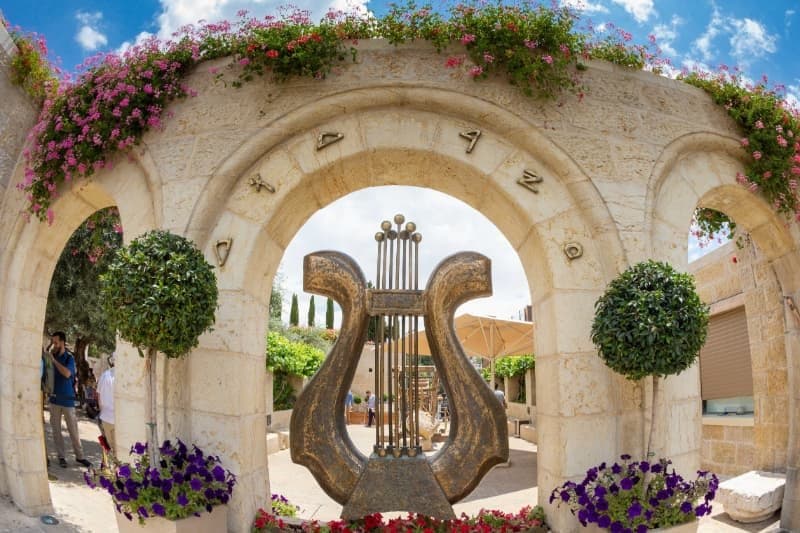
Step back in time and explore the ancient heart of Jerusalem. This sprawling archaeological site offers a chance to walk through tunnels and uncover layers of history dating back thousands of years.
Tip: Book your tickets in advance, especially during peak season, to avoid long queues.

Venture beneath the bustling streets to explore the hidden tunnels along the Western Wall. This incredible archaeological discovery reveals more of the ancient Temple Mount complex.
Tip: Tours are guided and fill up quickly; reserve your spot well in advance.
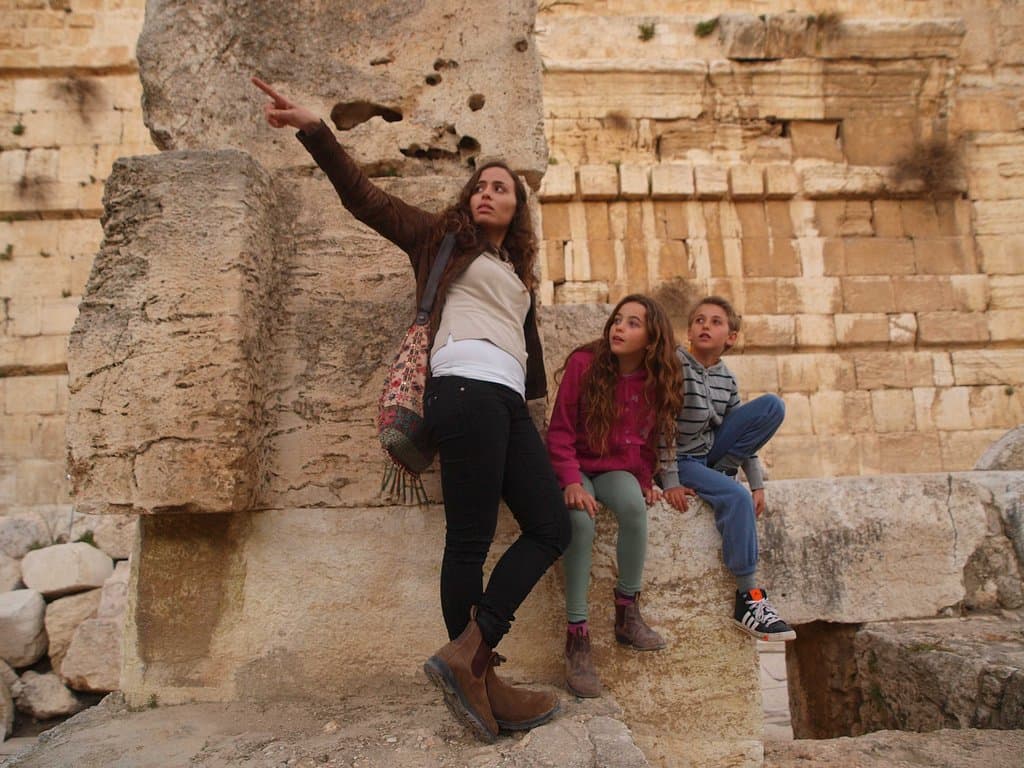
Walk in the footsteps of Jesus and his disciples at this significant archaeological site. Discover the Second Temple remains, ancient mikvahs, and the steps Jesus himself may have walked on.
Tip: Allow ample time to explore the entire park and its exhibits.

Explore the sacred site believed to be the location of Jesus' crucifixion and burial. Discover ancient graffiti, Crusader history, and the tomb itself within this revered basilica.
Tip: Dress modestly out of respect for the religious significance of the site.
See the recently uncovered Pool of Siloam, a significant biblical site where Jesus is said to have healed a blind man. Its ancient stone steps and water system are remarkably preserved.
Tip: Combine your visit with other sites in the City of David for a comprehensive experience.

Walk along the ancient 'Pilgrimage Road' in Jerusalem, a recently opened archaeological site that offers a glimpse into the bustling routes of ancient travelers and worshippers.
Tip: Wear comfortable shoes as you'll be walking on ancient stone.

Home to an unparalleled collection of archaeological treasures, including the Dead Sea Scrolls. Spend a day exploring ancient artifacts that tell the story of the land and its people.
Tip: Plan your visit to focus on specific wings or exhibits to make the most of your time.
Discover the impressive remains of Robinson's Arch, a monumental structure that was once part of the vast Western Wall complex, offering insights into ancient Jerusalem's grandeur.
Tip: This site is often visited as part of a tour of the Western Wall Tunnels and the Archaeological Park.
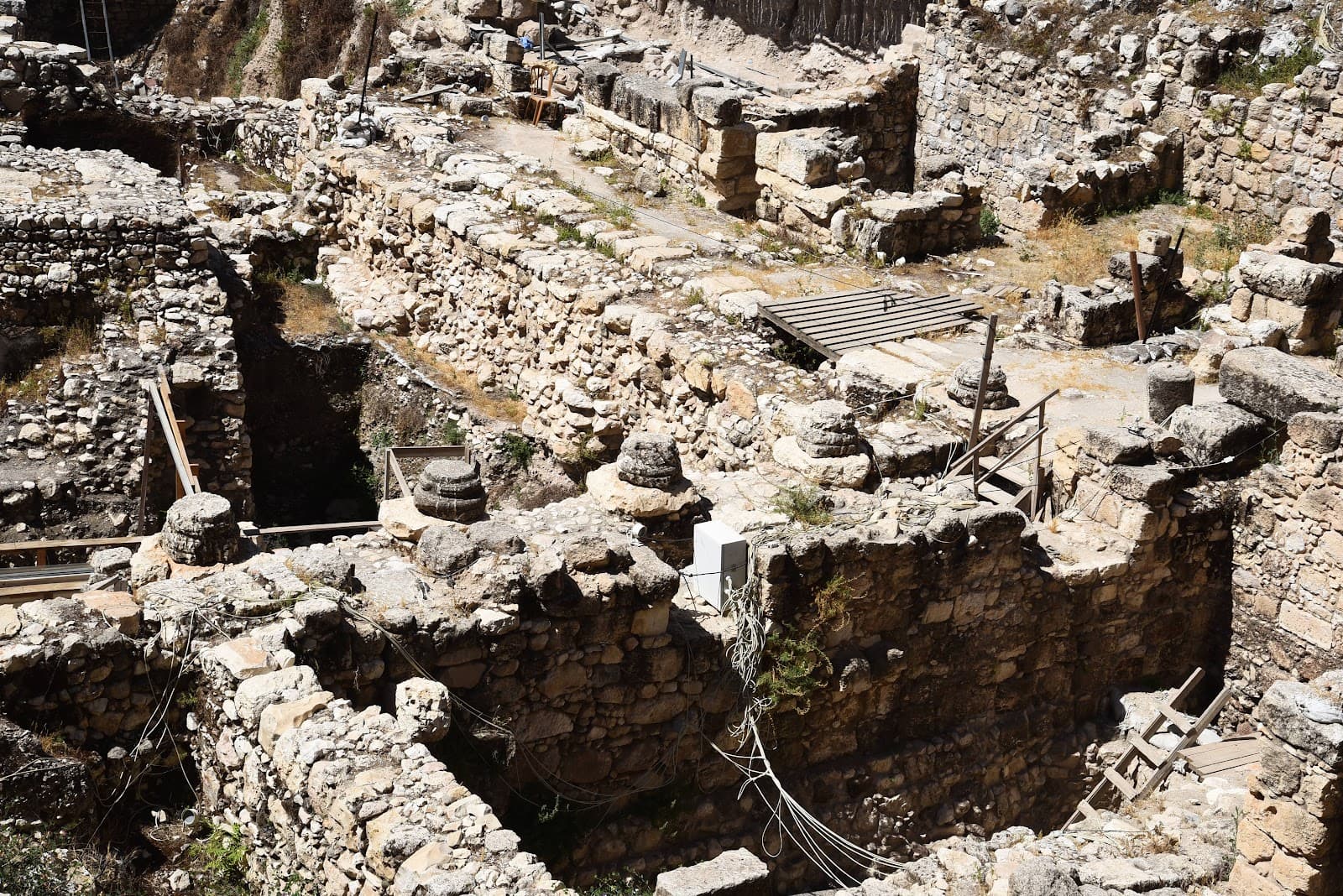
Explore the fascinating multi-layered archaeological site of Acra, where you can walk through centuries of history, witnessing the remnants of different civilizations built one atop another.
Tip: Look for guided tours that can help explain the complex stratigraphy of the site.
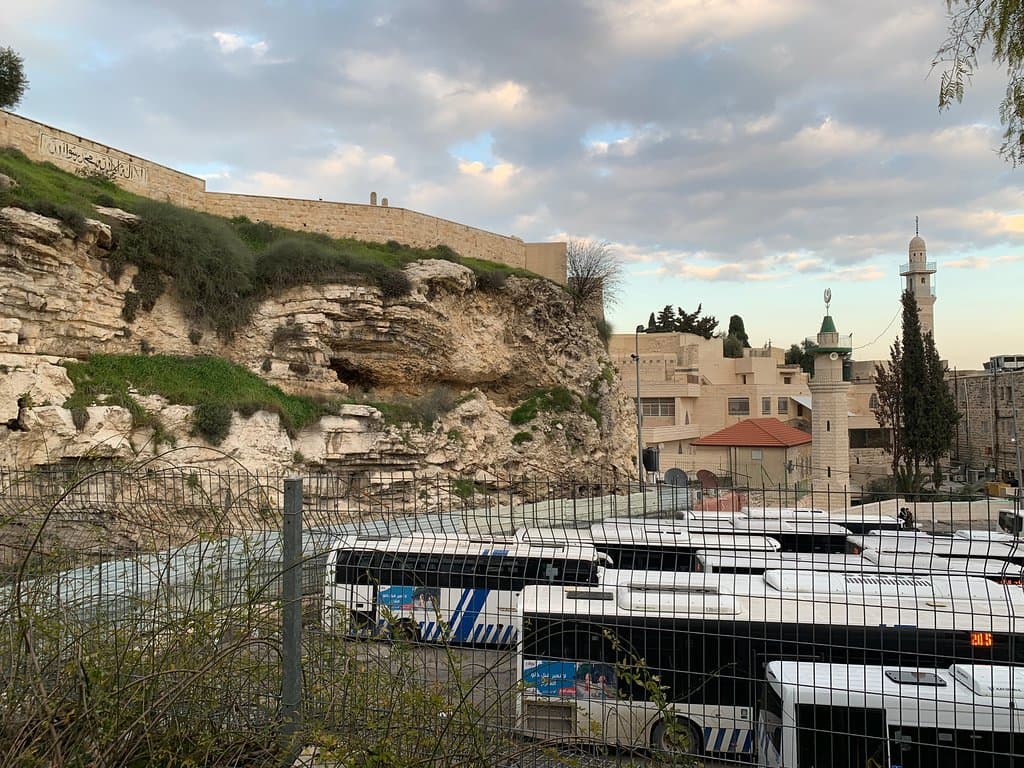
Visit the serene Garden Tomb, a site traditionally believed by some to be the burial place of Jesus. Its peaceful atmosphere and rock-hewn tomb offer a contemplative experience.
Tip: Consider visiting early in the morning to experience the quietest atmosphere.
Descend into the Chapel of Adam, located beneath Golgotha, to explore the mysteries associated with the crucifixion site and its ancient subterranean chambers.
Tip: This is often visited in conjunction with the Church of the Holy Sepulchre.

Explore the archaeological excavations at the southern wall of the Temple Mount, a vast site offering insights into the history and grandeur of this sacred area.
Tip: Wear sun protection as much of the site is exposed.
See the Ketef Hinnom scrolls, ancient amulets inscribed with priestly blessings, offering a rare glimpse into early Israelite religious practices and beliefs.
Tip: These are housed within the Shrine of the Book at the Israel Museum.
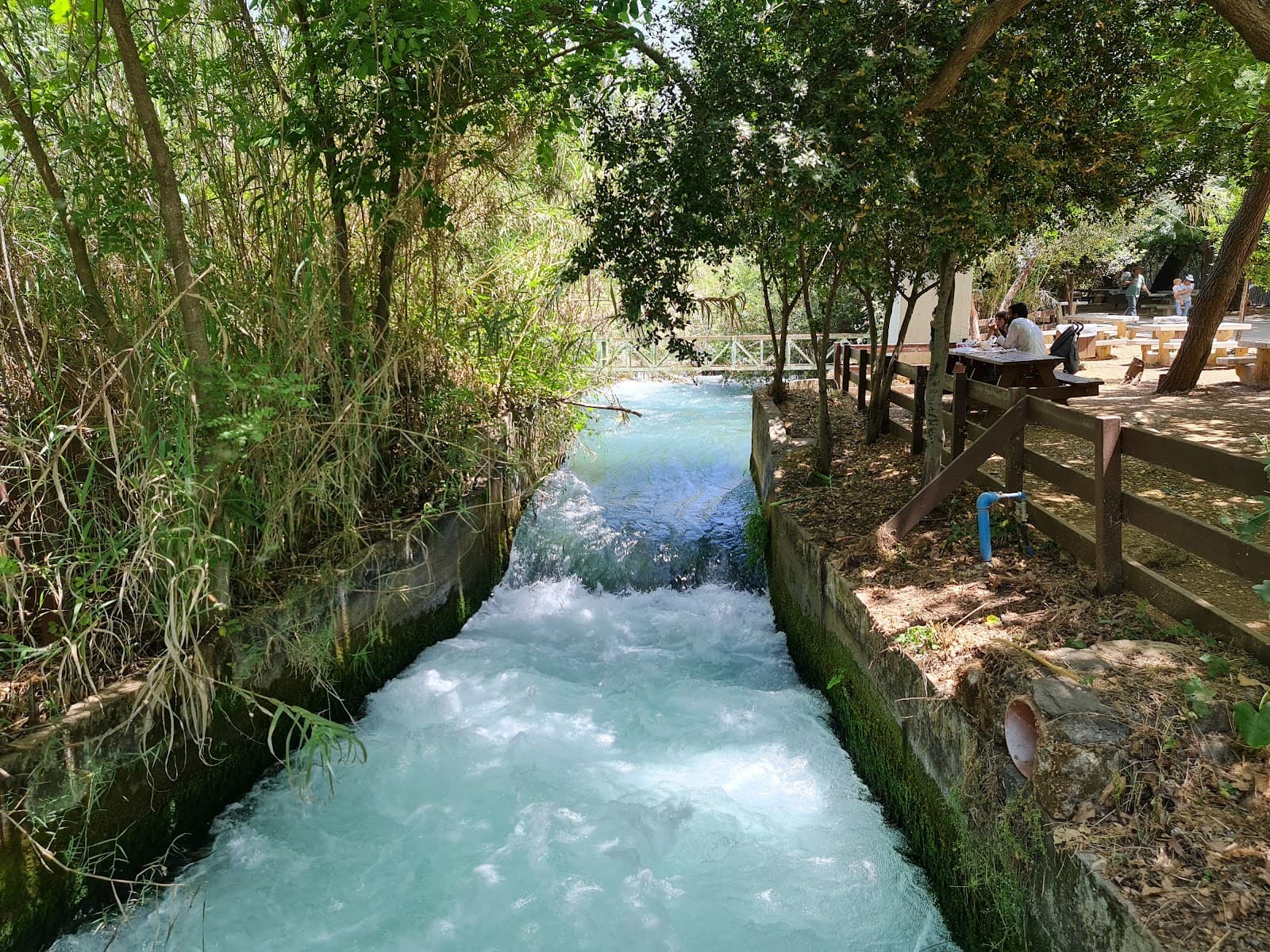
Visit the site where the Tel Dan Stele was discovered, an inscription that provides significant historical evidence of the Davidic dynasty, a crucial artifact for understanding ancient Israel.
Tip: While the stele itself is in a museum, visiting Tel Dan offers context to its discovery.
Discover a recently unearthed ancient garden found beneath the Church of the Holy Sepulchre, featuring olive trees and grapevines, adding another layer to this historically rich site.
Tip: Inquire about any accessible areas related to recent discoveries within the church complex.
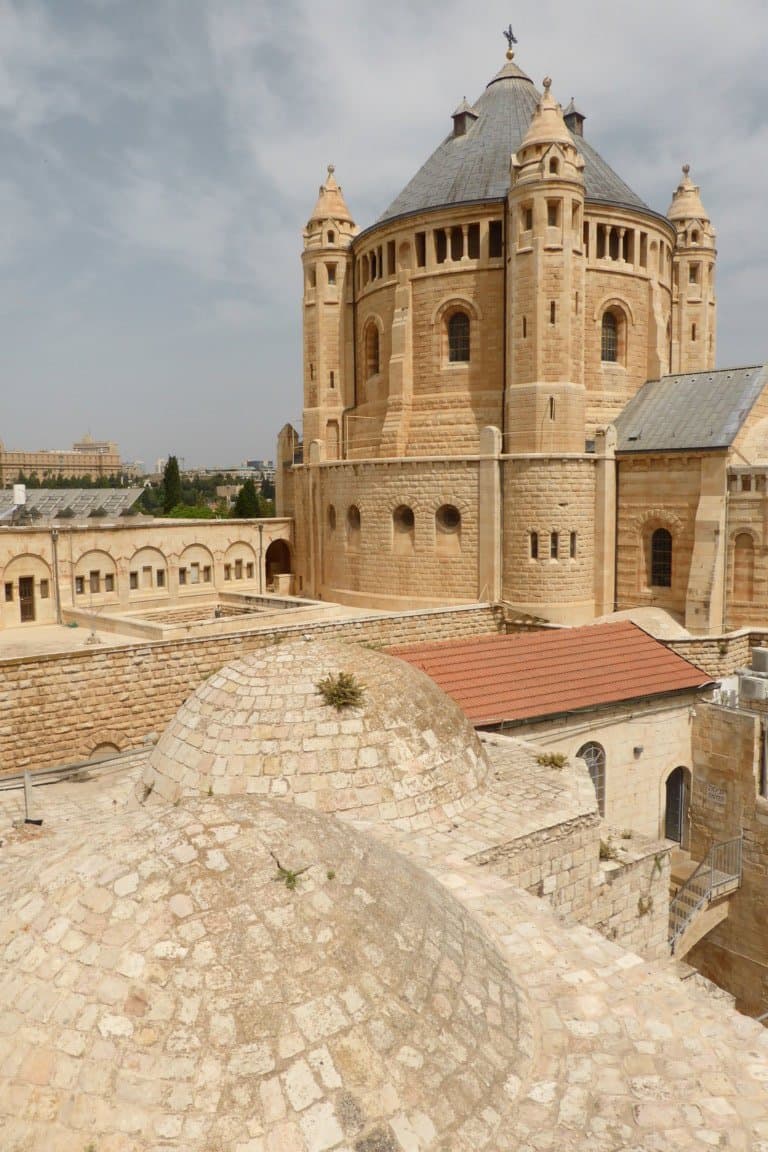
Visit the traditional site believed to be the tomb of King David. While its exact location is debated by scholars, it remains a significant pilgrimage destination.
Tip: This site is often visited as part of a tour of Mount Zion.
Explore the intricate network of tunnels within the City of David, offering a unique perspective on the ancient water systems and defensive structures of Jerusalem.
Tip: Be prepared for narrow passages and uneven surfaces; wear appropriate footwear.
Seek out the area believed to be the burial zone for the kings of Judah, known as the 'royal tombs' within the City of David, offering a glimpse into ancient royal burial practices.
Tip: Consult with local guides or information centers for the most current understanding of these sites.
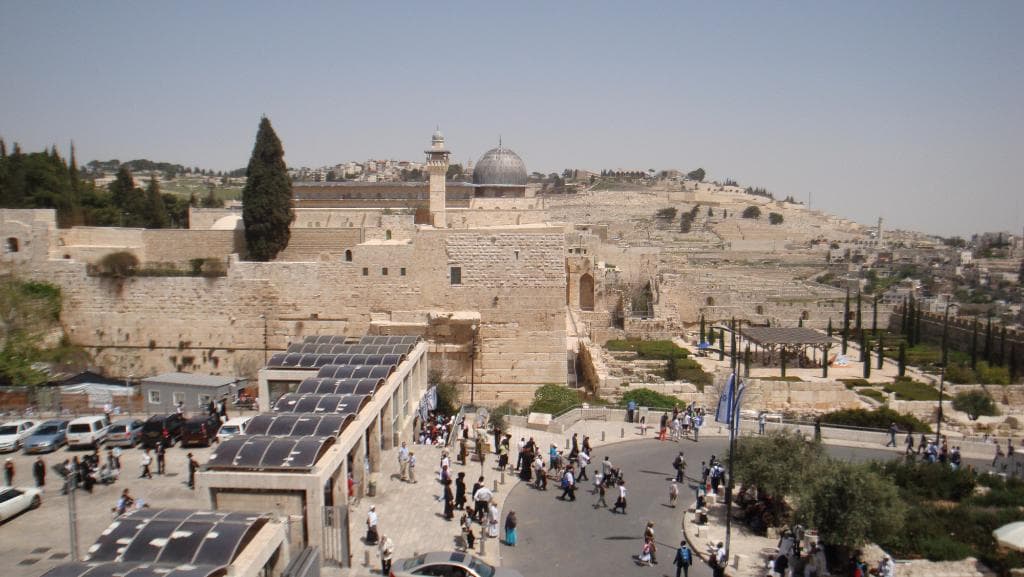
Experience the spiritual and historical significance of the Temple Mount, exploring its platforms and surrounding structures, including the locations of Solomon and Herod's Temples.
Tip: Check visiting hours and security regulations carefully, as access can be restricted.
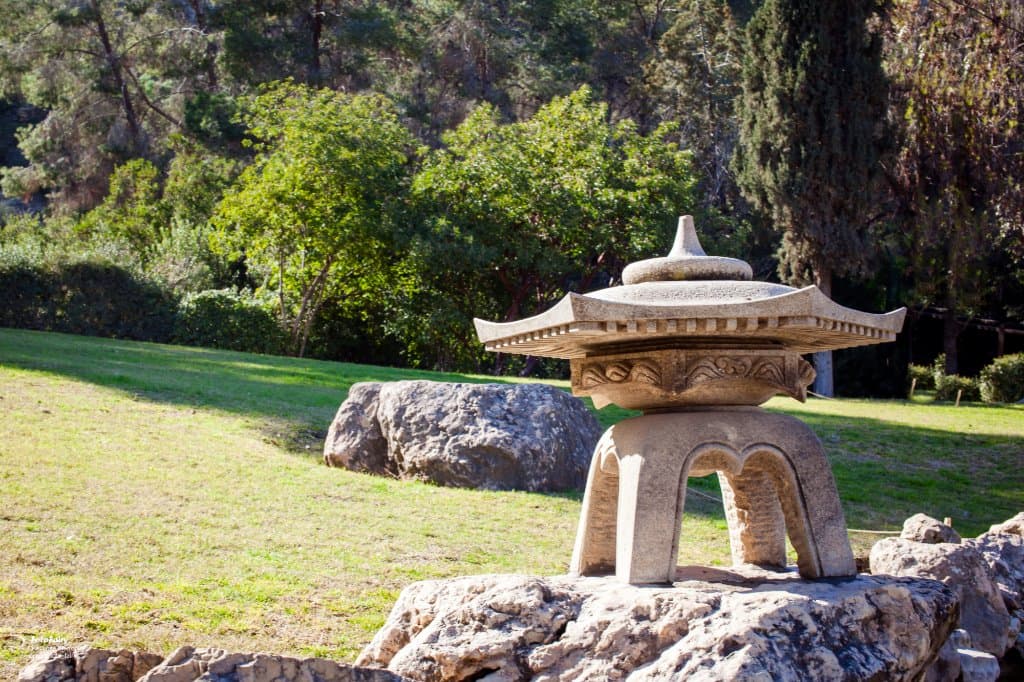
Marvel at the stunning mosaic floors of the ancient Beit Alfa Synagogue, showcasing intricate biblical scenes and zodiac symbols from the Byzantine period.
Tip: This site is located in the Beit She'an Valley, a worthwhile detour if you're in the region.
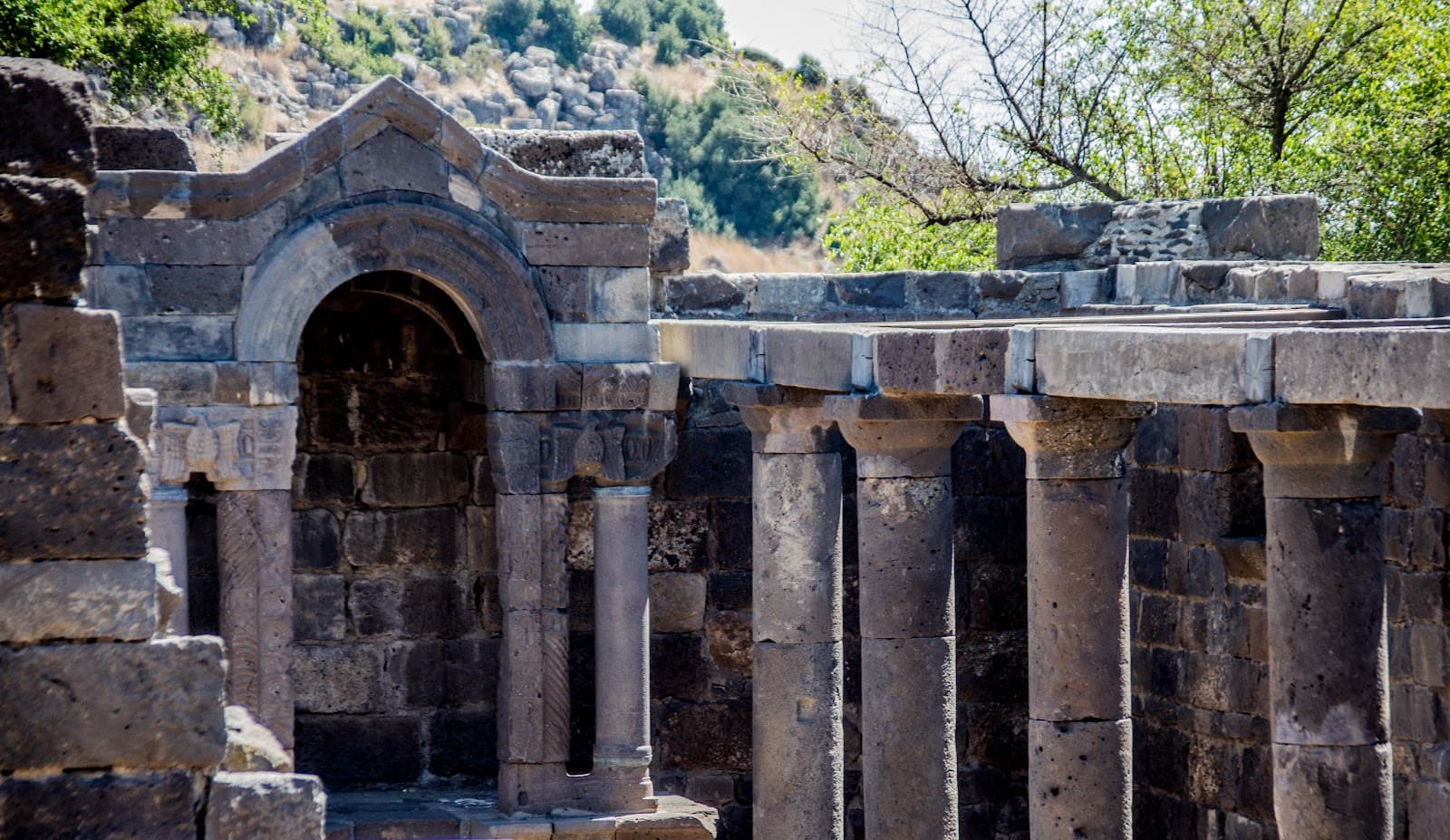
Visit the reconstructed Ein Keshatot, an ancient synagogue from the Golan Heights, rebuilt using original stones to recreate its impressive arch structure destroyed in an earthquake.
Tip: This site offers a unique example of archaeological reconstruction.
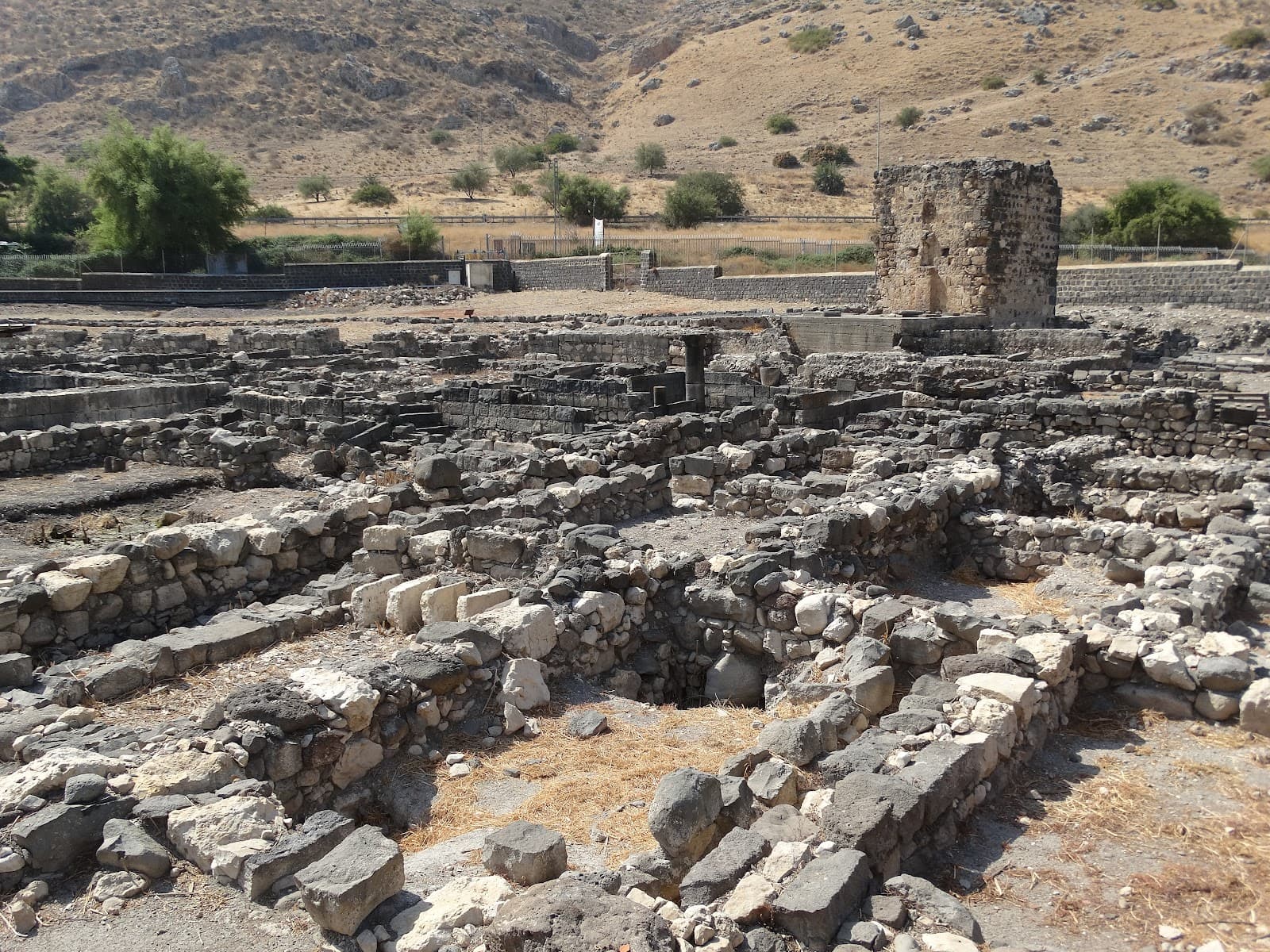
See the Magdala Stone, an intricately carved stone discovered at the ancient city of Magdala, believed to depict the Second Temple, offering insights into Jewish life during that era.
Tip: The Magdala site itself is also an important archaeological discovery worth exploring.
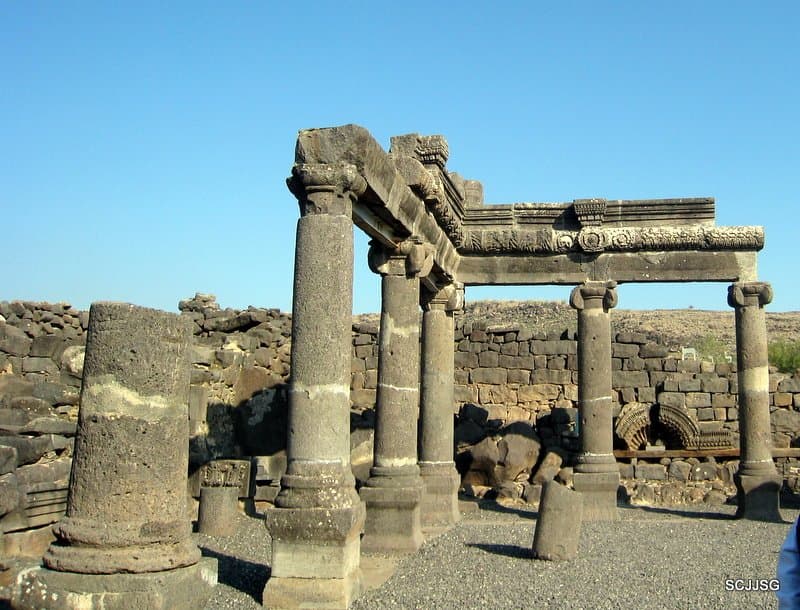
Explore the ruins of Korazim, an ancient Jewish village in the Galilee, featuring well-preserved synagogue remains and offering a glimpse into daily life centuries ago.
Tip: This park is located north of the Sea of Galilee.
Discover the widespread remains from the Second Temple period scattered throughout Jerusalem, offering tangible connections to the era of Jesus and ancient Jewish life.
Tip: Many sites in Jerusalem offer context for this significant period.
Witness the ongoing archaeological work and discoveries made beneath the Church of the Holy Sepulchre, revealing layers of history and ancient structures.
Tip: Check for any public viewing areas or exhibits related to recent excavations.
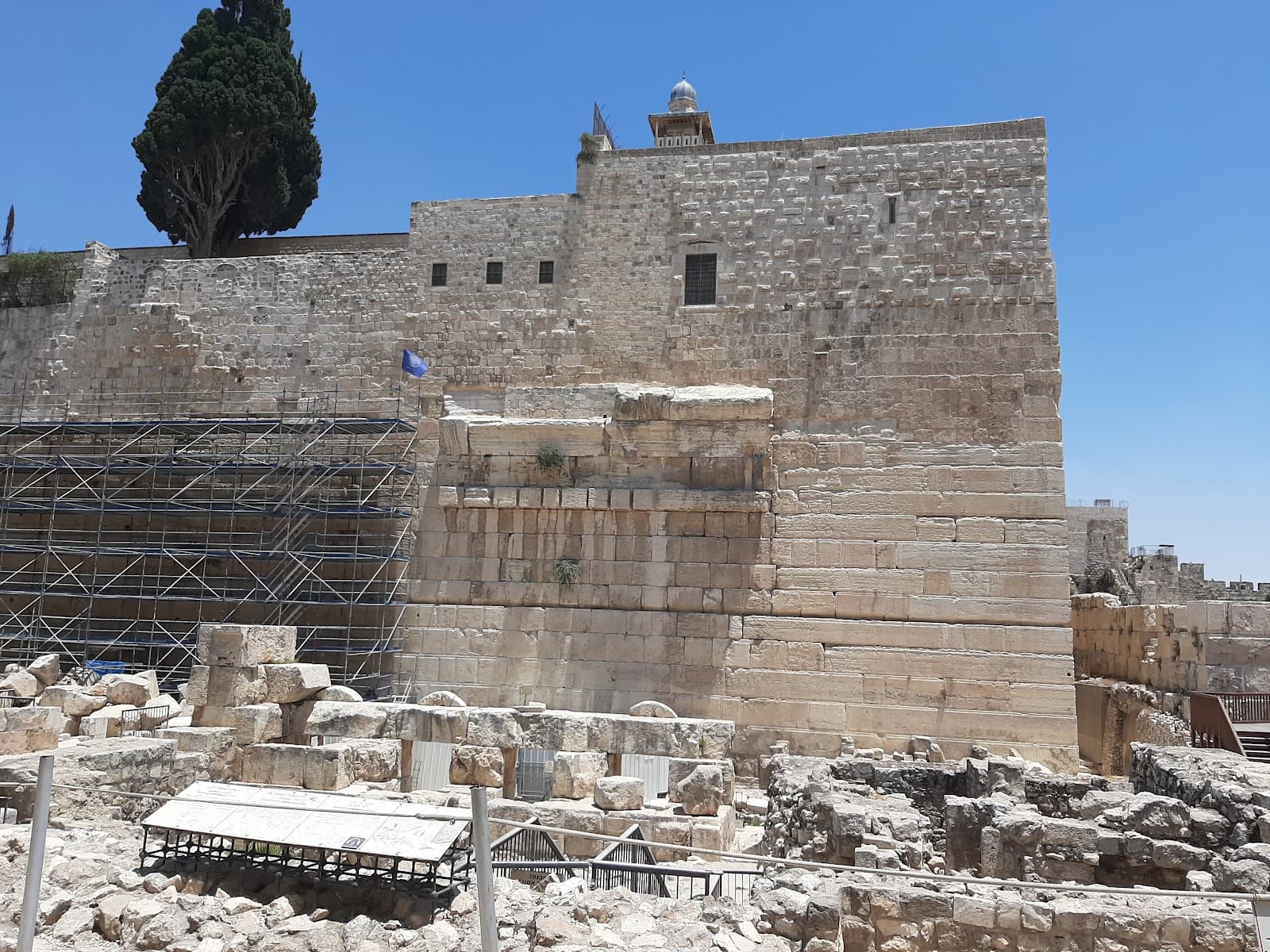
See the small clay seal impression, or bulla, inscribed with the name 'Nathan-Melech,' an official from King Josiah's time, providing direct evidence of biblical figures.
Tip: This artifact is a significant find from the City of David excavations.
Explore remnants from the Roman destruction of Jerusalem in 70 CE, visible in secondary use throughout the city, offering a stark reminder of historical events.
Tip: These remnants are often integrated into newer structures, requiring a keen eye to spot.
Discover the remains of an ancient temple of sacrifice, dating back 4,000 years, unearthed in the City of David, shedding light on early religious practices.
Tip: This is a significant discovery that deepens our understanding of ancient faiths.
Visit Golgotha, also known as Calvary, the traditional site of Jesus' crucifixion, named for its skull-like appearance and its history as a place of execution.
Tip: Often visited as part of the Church of the Holy Sepulchre complex.

Explore the extensive ruins of Caesarea, a coastal city with a rich history, showcasing remnants from various conquering forces and offering a microcosm of the region's past.
Tip: Wear comfortable shoes for exploring the vast site, including the ancient harbor.
Part of the Jerusalem Archaeological Park, the Davidson Center offers a comprehensive look at the archaeological findings from the southern Temple Mount area.
Tip: This center provides excellent context for understanding the broader archaeological site.
Explore the remnants of the Antonia Fortress, a significant historical structure located on the Temple Mount, offering insights into its military and administrative past.
Tip: These remains are part of the broader Temple Mount complex.
Discover the area of Solomon's Portico on the Temple Mount, a historically significant colonnaded area mentioned in ancient texts.
Tip: Part of the historical exploration of the Temple Mount.
Observe the Eastern Gate, also known as the Golden Gate, on the Temple Mount, a historically significant and often sealed ancient gateway.
Tip: This gate is a prominent feature of the Temple Mount's eastern wall.
Explore the archaeological remains of the Royal Stoa, a grand structure believed to have served an important administrative or ceremonial function on the Temple Mount.
Tip: These ruins are part of the archaeological context of the Temple Mount.
While access inside may be restricted, explore the exterior and surrounding archaeological context of the Al Aqsa Mosque on the Temple Mount, a site of immense historical and religious importance.
Tip: Respectful attire and behavior are essential when visiting the Temple Mount.
Admire the iconic Dome of the Rock from its exterior and explore the platform it sits on within the Temple Mount, a masterpiece of Islamic architecture and a site of deep historical resonance.
Tip: Non-Muslims cannot enter the Dome of the Rock, but its exterior is breathtaking.
Understand the scale and layout of Herod's Temple by exploring the platform it once occupied on the Temple Mount, a testament to ancient engineering and ambition.
Tip: This platform is a key element in understanding the history of the Temple Mount.
Learn about the location and significance of Solomon's Temple, the first temple on the Temple Mount, and explore the platform where it stood.
Tip: Distinguishing between the different temple periods requires careful study of the site.
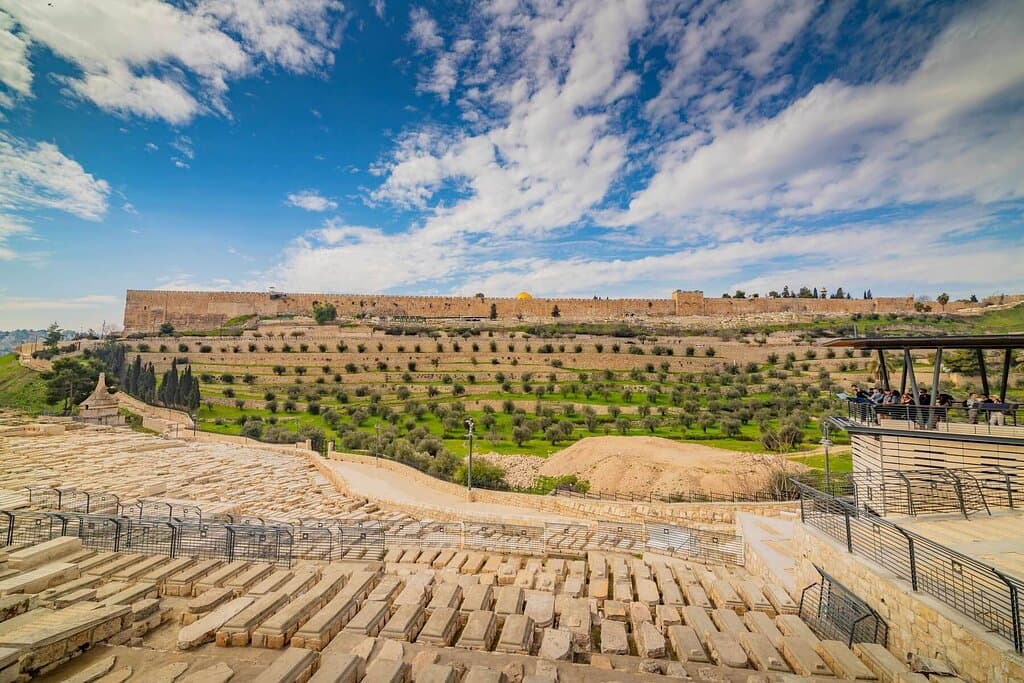
Explore various archaeological sites on the Mount of Olives, which holds significant historical and religious importance, including ancient burial grounds and structures.
Tip: Many ancient tombs and structures are found on the slopes of the Mount of Olives.
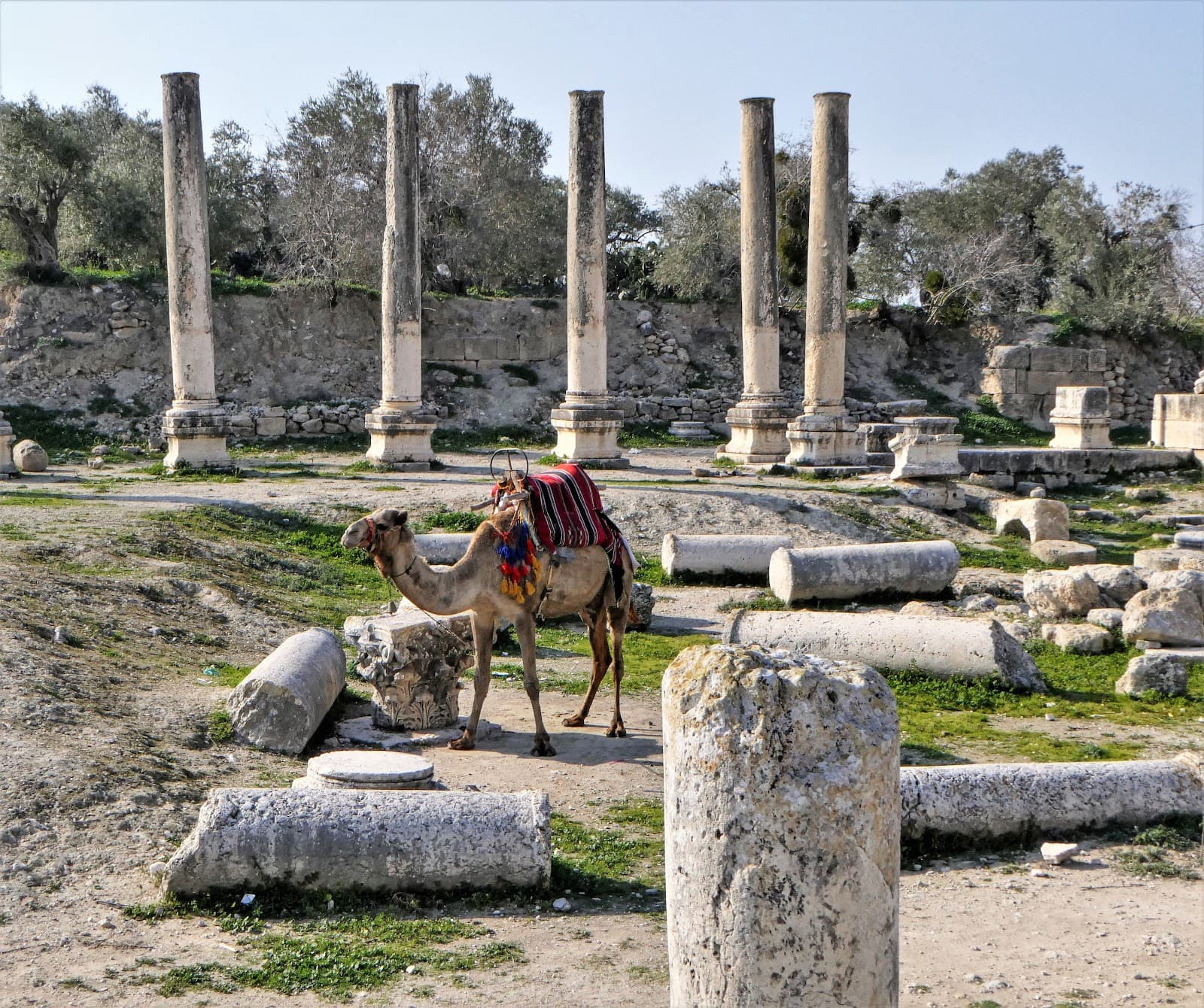
Investigate the potential burial sites of the kings of Israel, such as those rumored to be under the 'Israeli kings Palace' in Samaria, though their exact location remains uncertain.
Tip: This is a more speculative area of research, requiring an interest in historical debate.
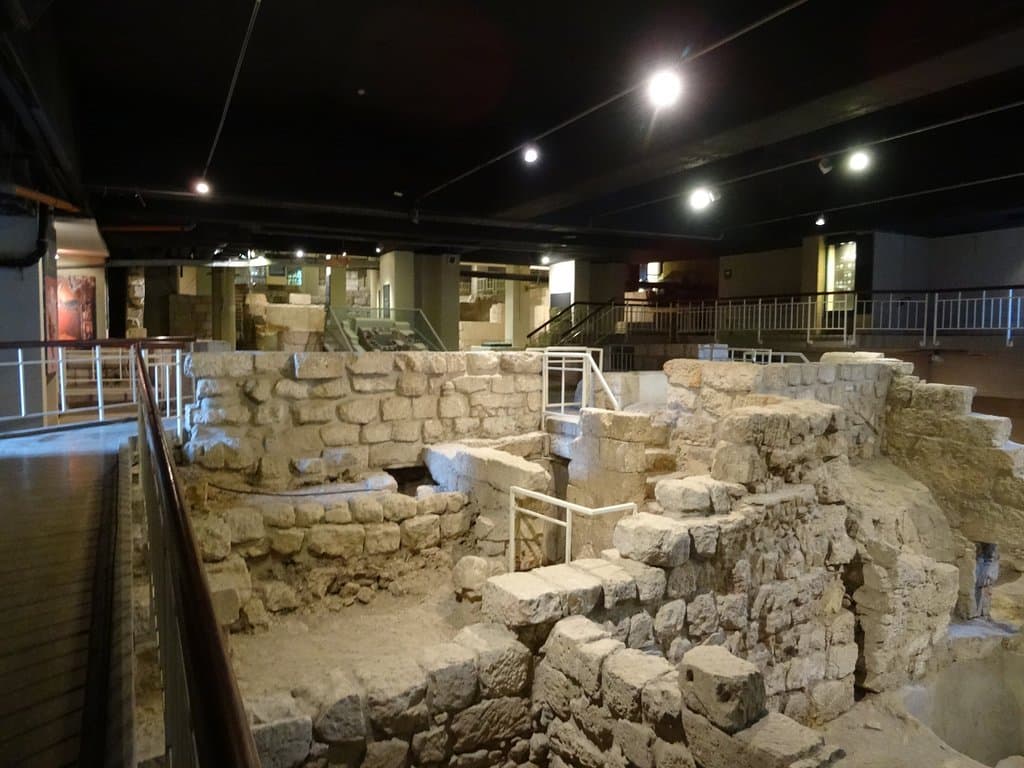
Visit The Burnt House, an archaeological site in the Jewish Quarter that vividly depicts the destruction of Jerusalem by the Romans in 70 CE, preserving a wealthy family's home.
Tip: This site offers a poignant look at the impact of the siege on daily life.
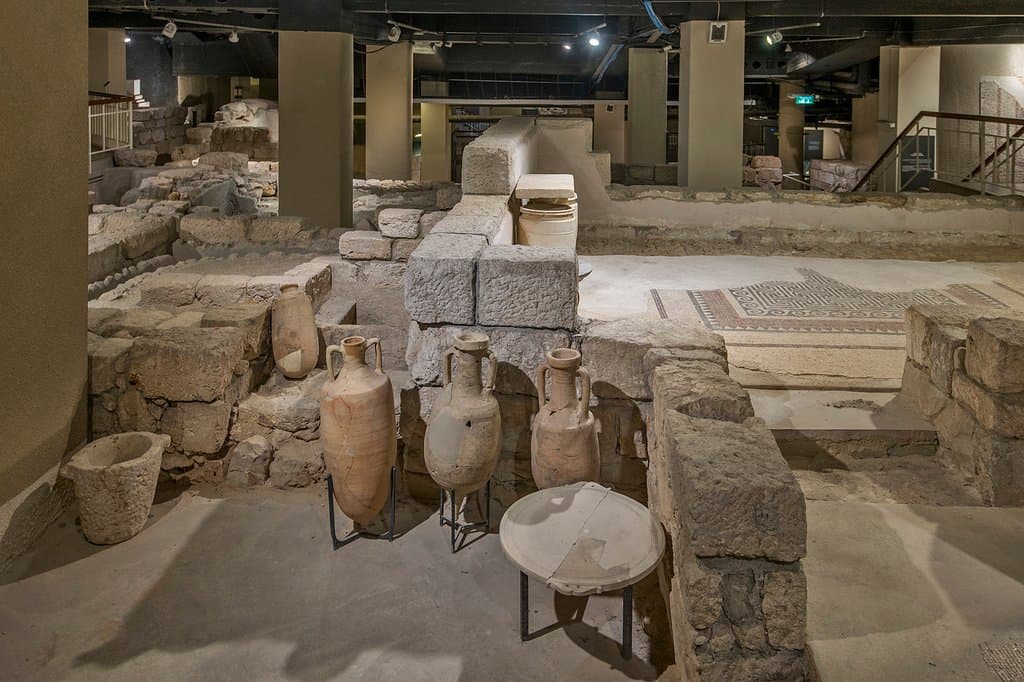
Explore the Herodian Quarter, an archaeological site in the Jewish Quarter showcasing the opulent homes of Jerusalem's wealthy residents during the Second Temple period.
Tip: This site provides a contrast to the more public and religious structures.
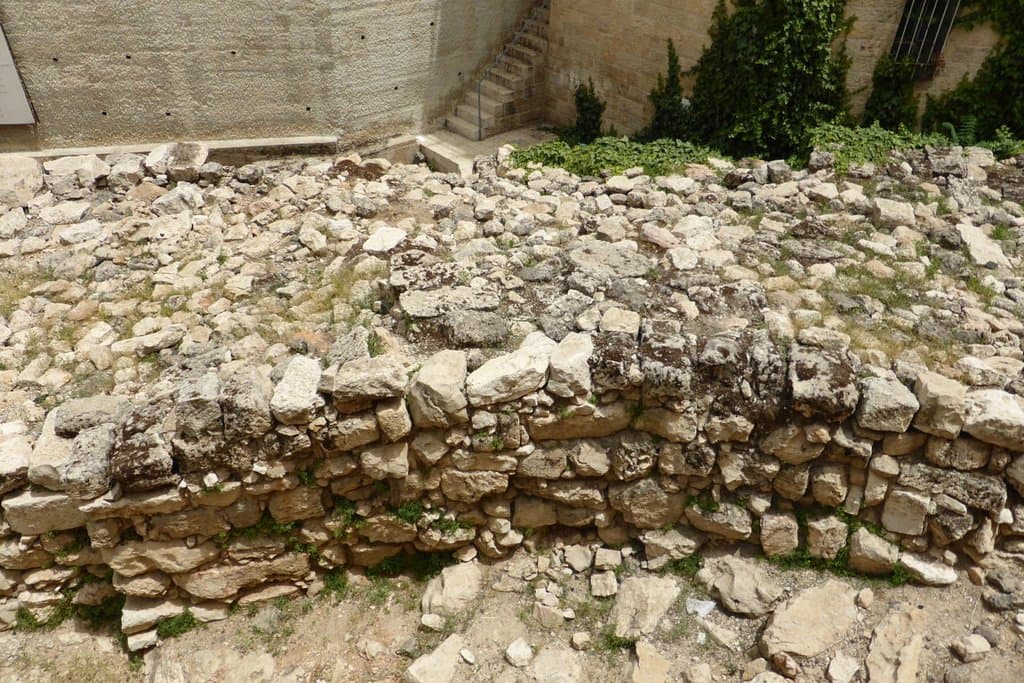
See the impressive remains of the Broad Wall, a massive defensive fortification from the First Temple period, offering evidence of Jerusalem's ancient strength.
Tip: This wall is a significant remnant of Jerusalem's ancient defenses.

Walk along the Cardo, the ancient Roman main street of Jerusalem's Old City, now partially reconstructed and lined with shops, offering a blend of ancient and modern.
Tip: This is a lively area where ancient history meets contemporary commerce.
Explore the Ophel, an area south of the Temple Mount, revealing significant archaeological finds from various periods, including the First and Second Temples.
Tip: This park offers a continuation of the Temple Mount's archaeological narrative.
Participate in or observe the ongoing archaeological digs in the City of David, where new discoveries are constantly being made, deepening our understanding of Jerusalem's past.
Tip: Inquire about any opportunities for public participation or viewing of active excavation sites.
Utilize the viewing platform at the Davidson Center for an excellent overview of the southern Temple Mount's archaeological landscape, providing a great vantage point.
Tip: This platform is ideal for getting a sense of the scale of the site.
Learn about the Altar of Sacrifice, a significant feature associated with the ancient Temples on the Temple Mount, and its role in religious rituals.
Tip: Understanding the function of the altar is key to comprehending Temple worship.
Explore the platform associated with the Antonia Fortress on the Temple Mount, offering insights into the Roman military presence and its strategic importance.
Tip: This area provides context for the Roman period in Jerusalem.
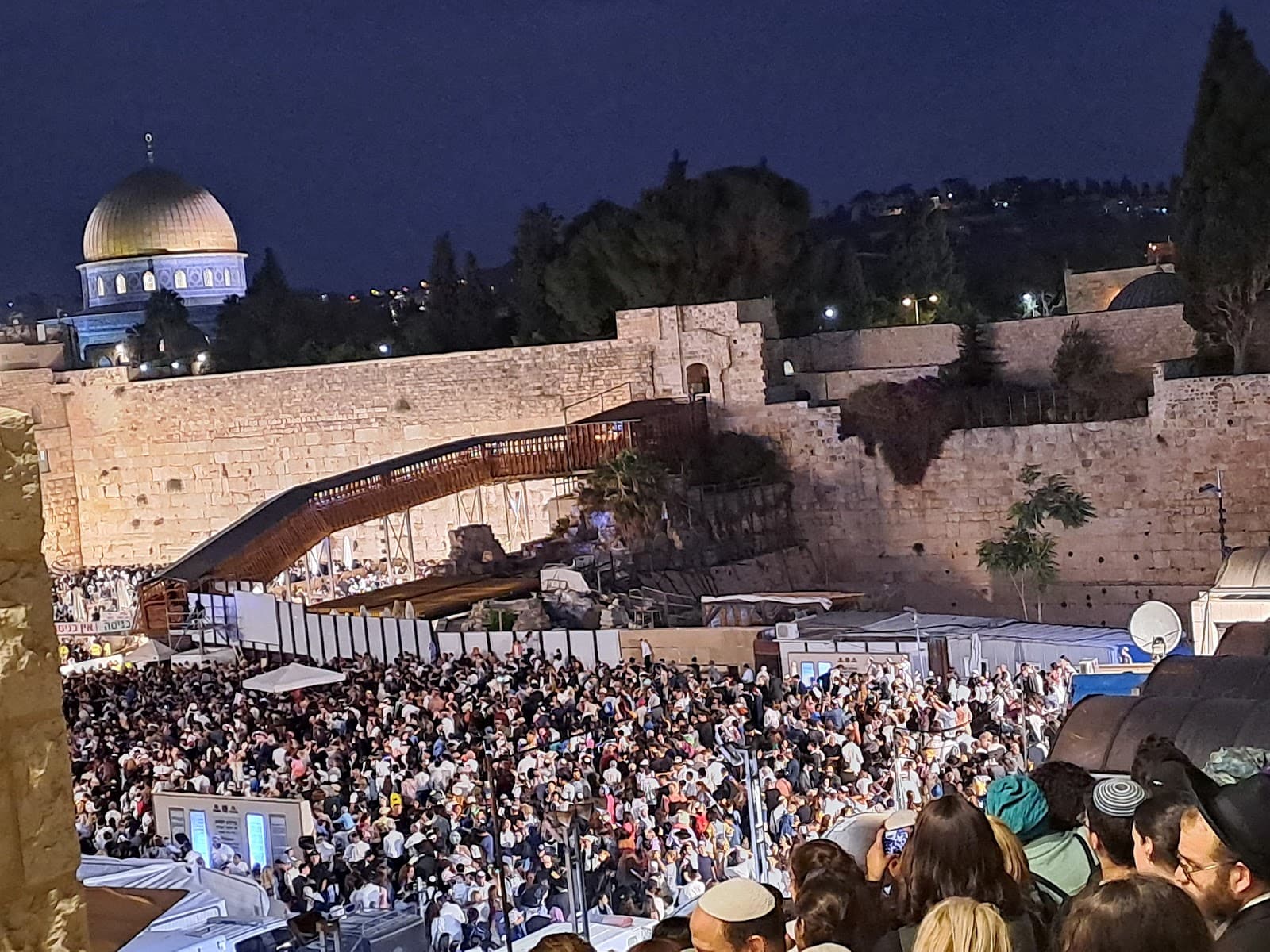
While not strictly an archaeological site, the Western Wall Plaza is built upon ancient foundations and offers direct access to the Western Wall, a remnant of the Second Temple.
Tip: Observe the ancient stones and the spiritual atmosphere of this significant location.
Investigate the extreme southernmost tip of the City of David, an area that may hold further clues to ancient burial sites and the city's early development.
Tip: This area is often explored as part of a comprehensive visit to the City of David.
Delve into the extensive archaeology wing of the Israel Museum, showcasing a vast array of artifacts that illuminate the history of the Land of Israel.
Tip: Allocate sufficient time to explore the diverse exhibits within this wing.
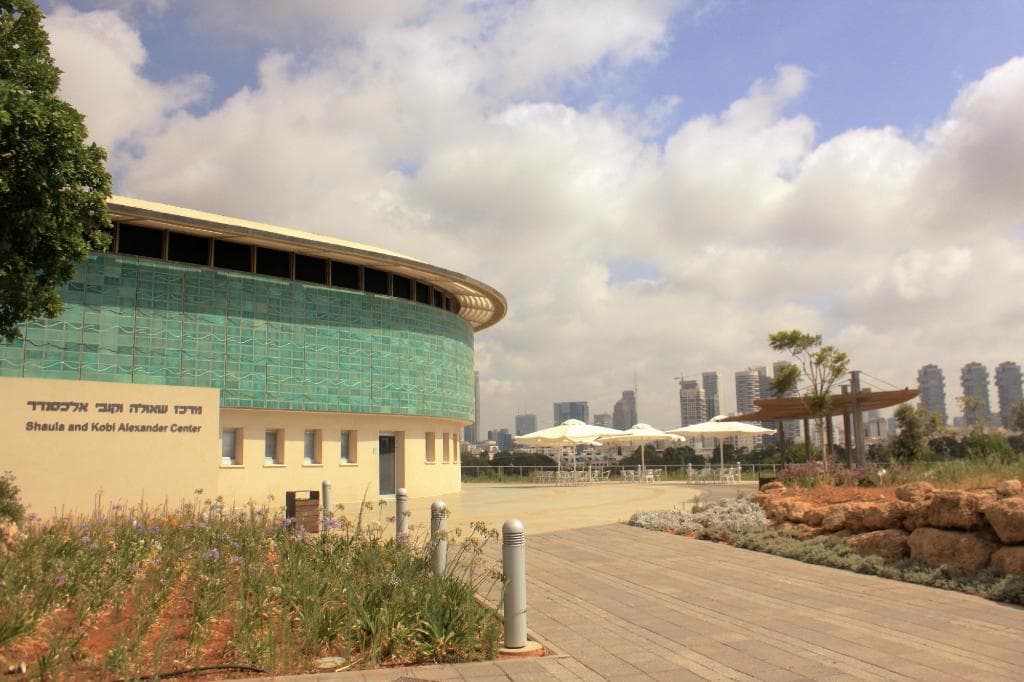
Although not in Jerusalem, this museum is highly recommended for its focus on archaeological and historical artifacts related to the Land of Israel.
Tip: A worthwhile visit if you are exploring beyond Jerusalem.
See the Tel Dan Stele, a monumental inscription providing crucial evidence of the Davidic dynasty, housed within the Israel Museum for public viewing.
Tip: This is a key artifact for understanding early Israelite history.
View the Ketef Hinnom scrolls, ancient silver amulets bearing biblical inscriptions, a significant find for understanding ancient priestly blessings.
Tip: These are among the oldest biblical texts ever discovered.
While the synagogue is in the Beit She'an Valley, the Israel Museum often features exhibits or information related to its stunning mosaic floors.
Tip: Check the museum's current exhibitions for related displays.
The Israel Museum may feature artifacts from Magdala, including information or replicas related to the significant Magdala Stone.
Tip: Look for exhibits that connect to the broader history of the Galilee region.
The Israel Museum might have displays or information about the ancient synagogue ruins found in Korazim, offering insights into Galilean village life.
Tip: This provides a regional perspective on ancient Jewish settlements.
The Israel Museum may have models or information detailing the reconstruction of the Ein Keshatot synagogue, showcasing its unique architectural features.
Tip: Learn about the innovative methods used in its reconstruction.
Explore the ancient water systems within the City of David, including tunnels and channels, which were vital for the city's survival throughout history.
Tip: Understanding these systems is key to appreciating the ingenuity of ancient Jerusalem.
This park, adjacent to the Temple Mount, contains significant archaeological finds from the Second Temple period, including the Royal Stoa and mikvahs.
Tip: It's an essential complement to any visit to the Temple Mount.
The Davidson Center houses a wealth of artifacts and exhibits detailing the archaeology of the southern Temple Mount, providing context for the entire area.
Tip: Take time to read the informative displays to fully appreciate the findings.
Discover the archaeological evidence related to the Altar of Sacrifice, a crucial element of the ancient Temple's worship practices.
Tip: This is a key component in understanding the function of the Temple.
Explore the archaeological remnants of the Antonia Fortress, a significant Roman military structure on the Temple Mount, offering insights into its history.
Tip: These ruins are part of the broader historical context of the Temple Mount.
Examine the area around the Eastern Gate (Golden Gate) on the Temple Mount, a historically significant and often sealed ancient entrance.
Tip: This gate is a prominent feature of the Temple Mount's eastern wall.
Discover the archaeological site of the Royal Stoa, a grand structure on the Temple Mount believed to have served an important administrative or ceremonial role.
Tip: This site provides context for the Second Temple period's grandeur.
Explore the excavated areas of Herod's Temple Platform, revealing the scale and construction techniques of this monumental ancient structure.
Tip: Understanding the platform is key to visualizing the original Temple.
Investigate the excavated areas believed to be part of Solomon's Temple Platform, offering insights into the earliest Temple structure on the site.
Tip: Distinguishing between different Temple periods requires careful study.
Explore the numerous ancient tombs and burial sites scattered across the Mount of Olives, a historically significant area with deep religious connections.
Tip: Many of these tombs date back to the Second Temple period.
Seek out the area designated as the 'royal tombs' within the City of David, believed to be the burial place for the kings of Judah.
Tip: Consult local guides for the most accurate information on these sites.
Visit the Burnt House, a preserved home from the Second Temple period in the Jewish Quarter, offering a vivid glimpse into the destruction of Jerusalem in 70 CE.
Tip: This site provides a personal perspective on the historical events.
Explore the Herodian Quarter, an archaeological site in the Jewish Quarter showcasing the luxurious homes of Jerusalem's elite during the Second Temple era.
Tip: This offers insight into the lifestyle of Jerusalem's wealthy inhabitants.
See the impressive Broad Wall, a massive defensive structure from the First Temple period, demonstrating the ancient city's formidable defenses.
Tip: This is a significant remnant of Jerusalem's ancient military architecture.
Walk along the Cardo, the ancient Roman main street of Jerusalem's Old City, now partially reconstructed and a vibrant part of the modern city.
Tip: This street offers a blend of ancient history and modern commerce.
Explore the Ophel, an area south of the Temple Mount, revealing significant archaeological finds from various periods, including the First and Second Temples.
Tip: This park offers a continuation of the Temple Mount's archaeological narrative.
Witness the ongoing archaeological excavations in the City of David, where new discoveries are constantly being made, enriching our understanding of Jerusalem's ancient past.
Tip: Inquire about any public viewing areas or opportunities to learn about current digs.
Learn about the Altar of Sacrifice, a key component of ancient Temple worship, and its archaeological context on the Temple Mount.
Tip: Understanding its function is crucial for comprehending Temple rituals.
Explore the platform associated with the Antonia Fortress on the Temple Mount, offering insights into the Roman military presence and its strategic importance.
Tip: This area provides context for the Roman period in Jerusalem.