81 Venice During Acqua Alta
Discover the magic of Venice during Acqua Alta! This guide explores unique activities like navigating St. Mark's Square with raised walkways, browsing the book-filled Libreria Acqua Alta, and experiencing the city's resilience. Find tips for visiting during low season, exploring less-flooded neighborhoods, and capturing stunning photos of this extraordinary phenomenon. Plan your unforgettable trip to Venice, Italy, and embrace the high water!

See what's trending
We've done exactly what you would have done—spent hours scrolling through TikTok, Instagram, and Reddit to find the absolute best experiences. These 27 recommendations come from real travelers sharing their unfiltered takes, hidden gems, and insider secrets. No travel agency fluff, just the wisdom of people who've actually been there. This is how everyone really plans their trips these days.


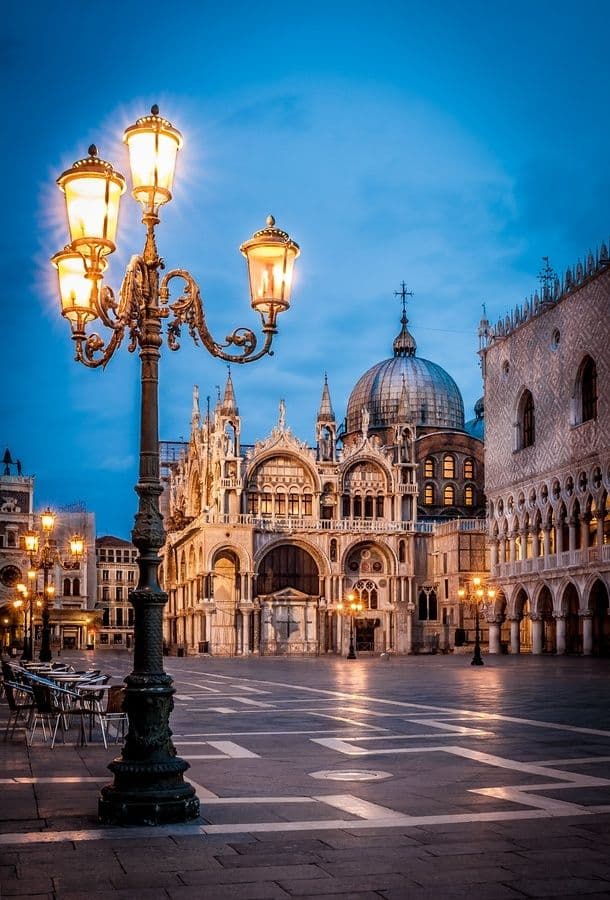
Witness the iconic St. Mark's Square partially submerged during Acqua Alta, a unique phenomenon where high tides flood the lower-lying areas of Venice. It's a surreal and unforgettable sight, transforming the famous piazza into a temporary shallow lagoon.
Tip: Check tide forecasts and wear waterproof footwear; raised walkways are often deployed.
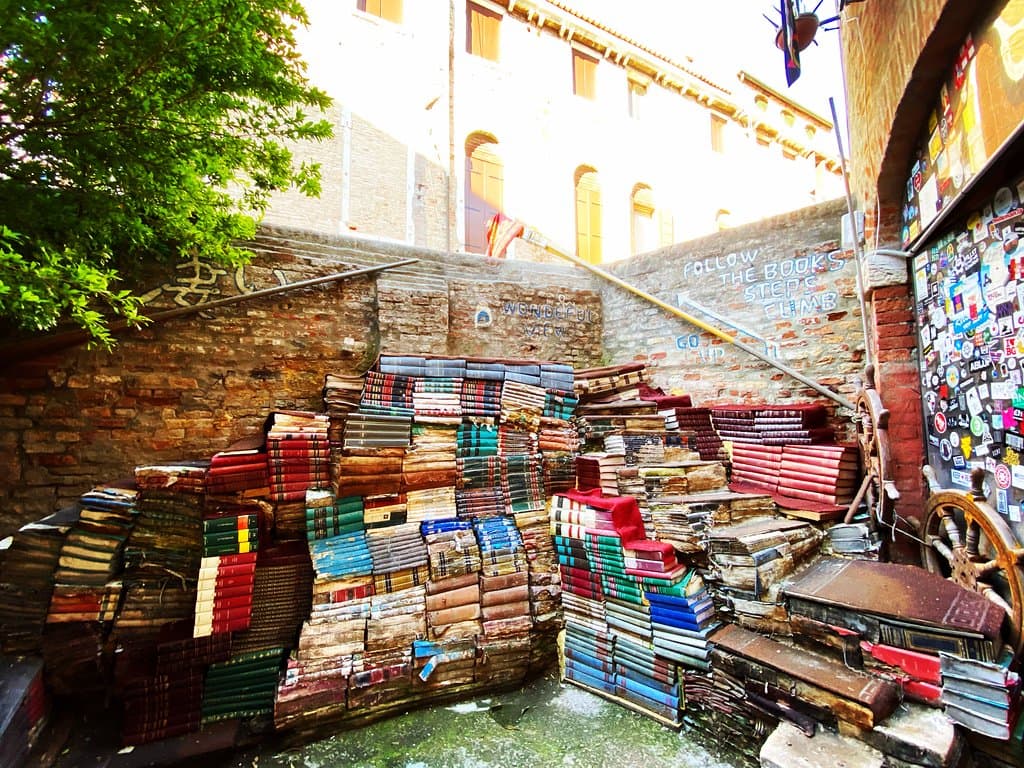
This charming, quirky bookstore is famous for storing its books in bathtubs, gondolas, and even a full-sized boat to protect them from flooding. It's a unique and photogenic spot that perfectly embodies the spirit of Venice during high water.
Tip: Arrive early to avoid crowds and get the best photos.
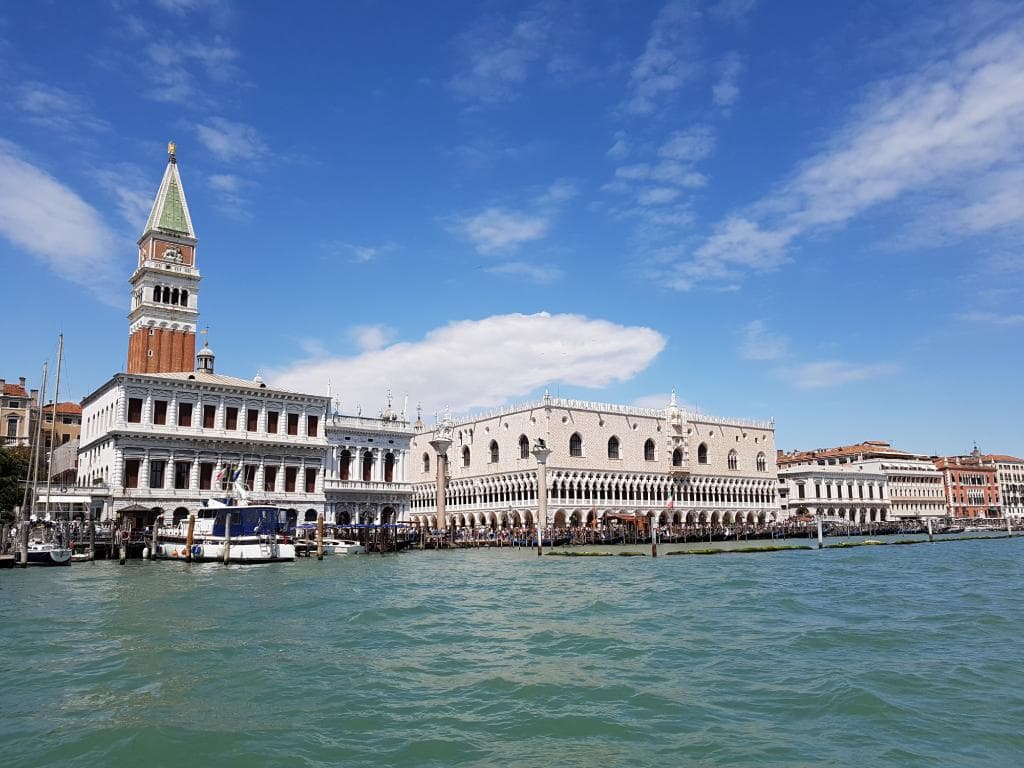
When Acqua Alta occurs, Venice deploys temporary elevated walkways throughout the city, allowing you to navigate the flooded streets with ease. It's an essential part of the experience, offering a different perspective of the city.
Tip: These walkways are set up when flooding is predicted, so keep an eye out for them.
Visiting during Acqua Alta season (typically autumn and winter) means fewer crowds and potentially lower prices. You can enjoy the city's beauty and atmosphere with a more relaxed pace.
Tip: Embrace the cooler weather and enjoy the quieter side of Venice.
See firsthand how Venetians have adapted to the recurring Acqua Alta phenomenon over centuries. The city's infrastructure and daily life are a testament to its enduring spirit in the face of rising waters.
Tip: Notice how locals go about their day, even during high water.
Beyond the Acqua Alta, Venice in winter offers a unique, atmospheric charm. Think misty canals, fewer tourists, and the possibility of festive decorations as the holiday season approaches.
Tip: Some Christmas lights might be visible in late November.

If you experience Acqua Alta, you might find yourself visiting major attractions like the Doge's Palace with significantly fewer people. This allows for a more intimate and immersive experience of its history and art.
Tip: Check the tide forecast; if flooding occurs, major sites might be less crowded.
Acqua Alta transforms Venice into a photographer's dream, with reflections in the water and a dramatic, almost otherworldly ambiance. It's a chance to capture truly unique and memorable images of the city.
Tip: Experiment with different angles and capture the interplay of water and architecture.
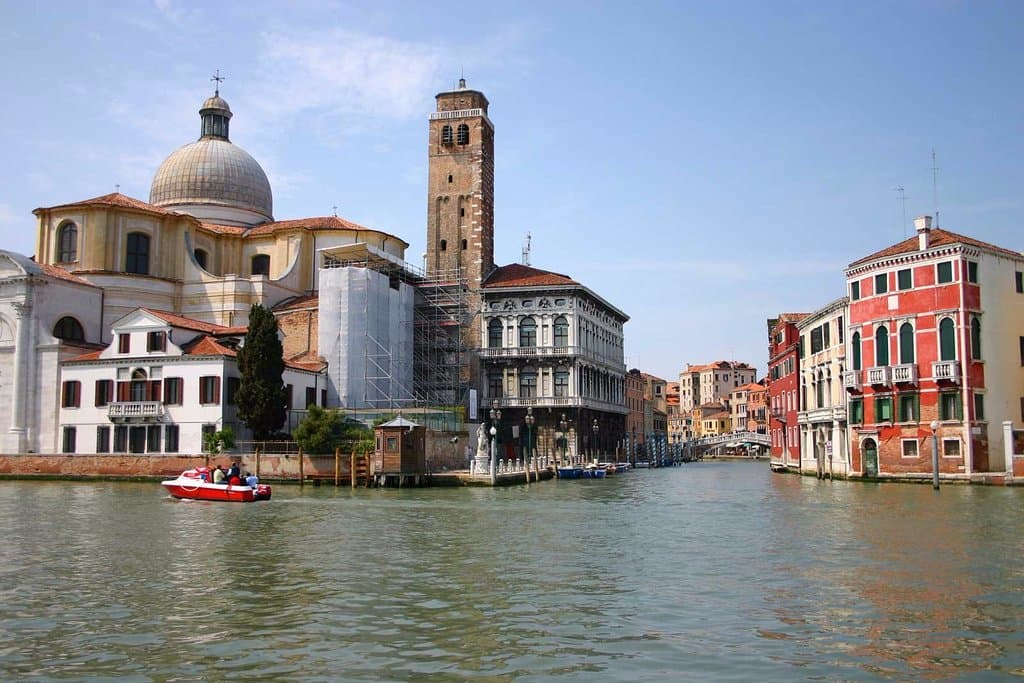
While iconic areas like St. Mark's can flood, many other Venetian neighborhoods remain accessible. Explore areas like Cannaregio for a more local feel and to escape the main flood zones.
Tip: Venture into less touristy sestieri (districts) for a more authentic experience.
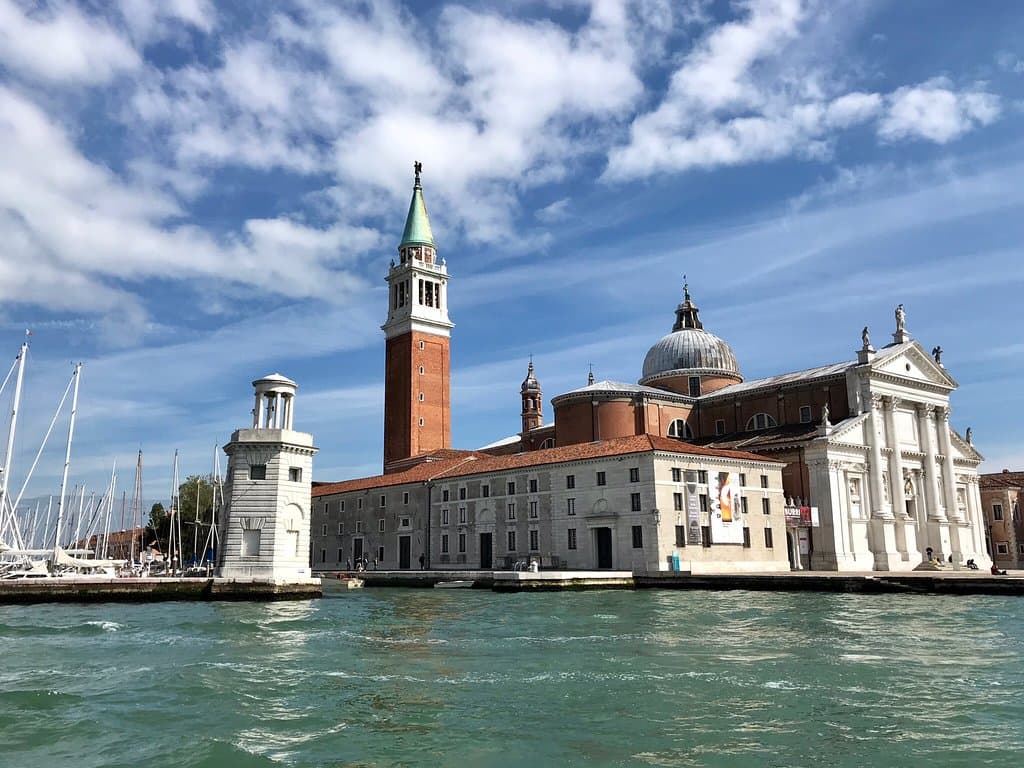
Learn about the MOSE (Modulo Sperimentale Elettromeccanico) project, a complex system of mobile barriers designed to protect Venice from high tides. Understanding its function adds another layer to appreciating the city's fight against the sea.
Tip: Research the MOSE system beforehand to appreciate its significance.
While gondola rides are a classic Venetian experience, seeing them navigate through flooded streets during Acqua Alta adds a unique, almost whimsical element. It's a different perspective on this iconic activity.
Tip: Consider a ride during Acqua Alta for a truly memorable experience.
If you're visiting during Acqua Alta, picking up a pair of disposable or reusable overshoes (galoshes) is a practical way to keep your feet dry while exploring. They are readily available throughout the city.
Tip: Available in many shops, especially in tourist areas, for a few euros.
Acqua Alta is a direct result of the Adriatic Sea's influence on the Venetian Lagoon. Understanding this connection provides insight into the city's unique relationship with its marine environment.
Tip: Observe the water levels and how they change with the tides.
Venice is built on a foundation of wooden piles driven into the mud. Understanding this unique construction is key to appreciating why the city is so susceptible to flooding and its ongoing battle with the sea.
Tip: Look for information about the city's unique construction methods.
The cooler months and potential for Acqua Alta often mean fewer tourists, leading to a more peaceful and intimate experience of Venice. Enjoy the tranquility of its narrow streets and canals.
Tip: Take advantage of the reduced crowds to truly soak in the atmosphere.
Experiencing a moderate Acqua Alta can be a highlight, offering a chance to see the city in a way few visitors do. It's a reminder of Venice's dynamic relationship with water.
Tip: Seeing both flooded and non-flooded conditions can be a unique experience.

The Rialto Bridge area is one of the lower-lying parts of Venice and can experience flooding during Acqua Alta. Witnessing this iconic landmark partially submerged offers a dramatic perspective.
Tip: Be aware that this area is more prone to flooding than others.
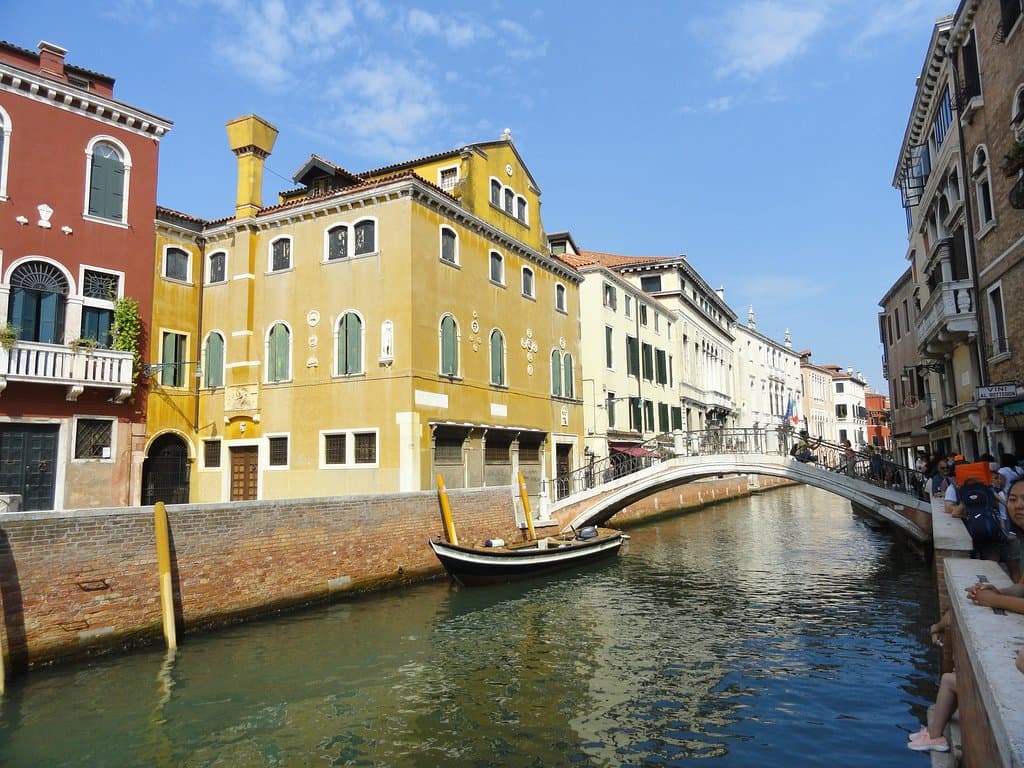
While popular areas might flood, many less-visited sestieri like Dorsoduro offer beautiful canals and charming streets that are less affected. It's a great opportunity to discover the 'real' Venice.
Tip: Focus on exploring districts further from the main tourist hubs.
Venice's unique architecture, built to withstand the lagoon's environment, is even more striking when viewed during Acqua Alta. The reflections and altered perspectives offer a new appreciation for its design.
Tip: Look for how buildings are constructed to cope with the water.
Staying informed about the predicted tide levels is crucial for planning your days during Acqua Alta season. This allows you to adjust your itinerary and be prepared for potential flooding.
Tip: Utilize official Venice tide forecast websites for accurate information.
Acqua Alta is a natural phenomenon that adds an element of unpredictability to a Venice trip. Embracing these unexpected moments can lead to some of the most memorable travel experiences.
Tip: Be flexible with your plans and enjoy the adventure.
Late September and October, as well as March and April, can offer a chance to experience Acqua Alta without the peak winter chill. These shoulder seasons provide a balance of weather and fewer crowds.
Tip: Check tide charts for these months to gauge potential Acqua Alta occurrences.
Observe the ingenious drainage systems that Venice employs to manage water levels. Understanding these mechanisms provides insight into the city's ongoing efforts to coexist with the lagoon.
Tip: Look for grates and channels designed to manage water flow.
There's a unique, almost magical atmosphere when parts of Venice are flooded. The sounds change, the reflections multiply, and the city takes on a different, captivating character.
Tip: Listen to the sounds of the water and the city during high tide.
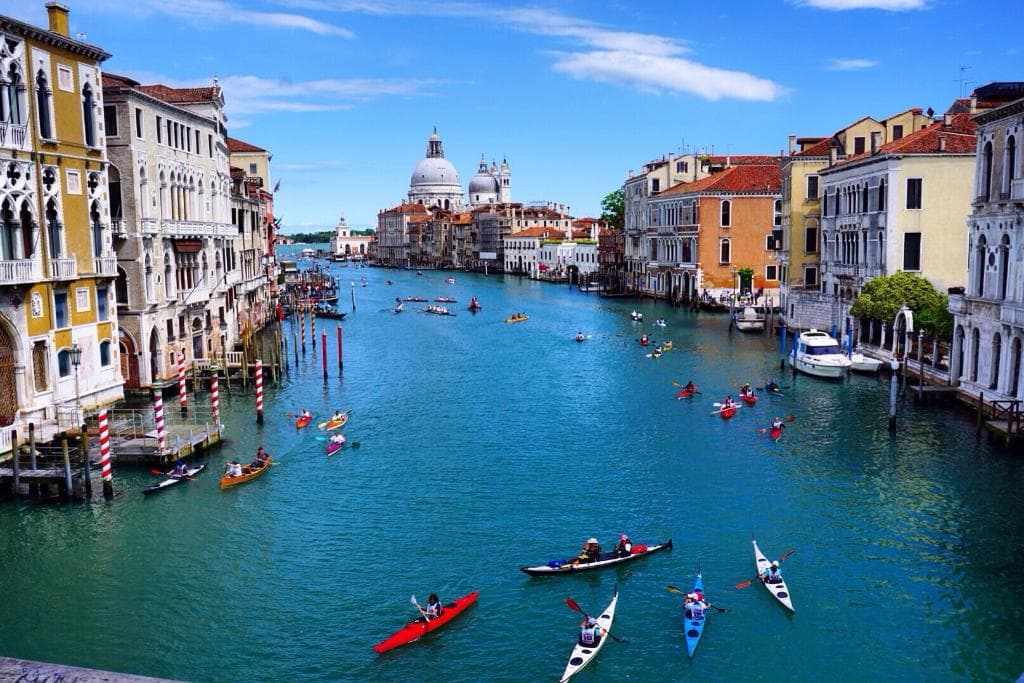
Navigating the Grand Canal via Vaporetto (water bus) offers a fantastic way to see the city, even during Acqua Alta. The elevated perspective from the Vaporetto allows you to observe the flooding without getting wet.
Tip: Vaporettos are a reliable way to get around, even during high water.
Find a cafe with outdoor seating that might offer a unique view of the Acqua Alta. Sipping a coffee while watching the water levels rise and fall can be a memorable experience.
Tip: Look for cafes in slightly elevated areas for a better view.
Not all Acqua Alta events are severe. Experiencing a mild flood can be a fascinating glimpse into Venetian life without significant disruption, allowing you to enjoy the city's charm.
Tip: Even minor flooding can create beautiful reflections.
The Acqua Alta phenomenon is intrinsically linked to the Venetian Lagoon. Understanding the lagoon's ecosystem and its role in the city's life adds depth to your visit.
Tip: Consider boat tours that explore the lagoon's islands and environment.
Observe how local businesses, from shops to restaurants, prepare for and manage Acqua Alta. Their adaptations are a testament to the city's resilience and resourcefulness.
Tip: Notice the measures shops take to protect their goods.
Dorsoduro is known for its art galleries and slightly higher elevation, making it less prone to severe flooding. It's a wonderful district to explore for its cultural offerings and charming canals.
Tip: Visit the Gallerie dell'Accademia or the Peggy Guggenheim Collection.
The sounds of Venice change during Acqua Alta. The lapping of water against buildings, the calls of gondoliers navigating flooded areas, and the echoes in the narrow streets create a unique auditory experience.
Tip: Take a moment to just listen to the city's ambient sounds.
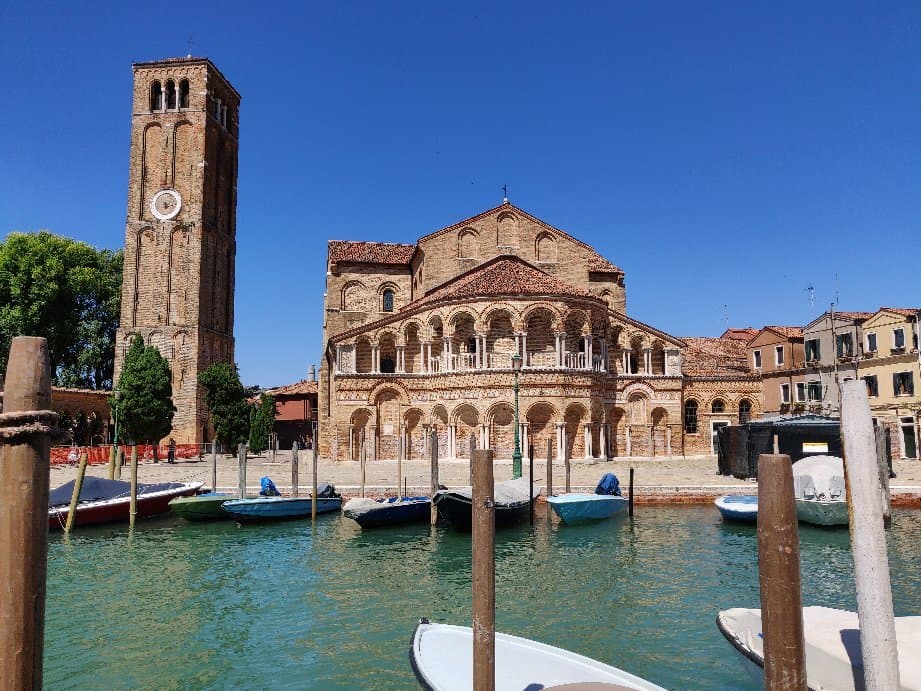
Islands like Murano and Burano are part of the Venetian Lagoon and offer a different perspective. While they can also experience high water, they provide a break from the main city's flooding.
Tip: Take a Vaporetto to Murano for its famous glass factories.
The autumn and winter months in Venice bring cooler temperatures, which can be more comfortable for walking and exploring than the heat of summer. It's a pleasant change for many travelers.
Tip: Pack layers to adapt to changing temperatures.
When the streets are flooded, the water creates stunning reflections of the historic buildings, bridges, and sky. This phenomenon adds a layer of surreal beauty to the city's already picturesque scenery.
Tip: Capture the reflections during different times of day for varied effects.
Acqua Alta has been a part of Venetian life for centuries. Learning about its historical impact and how the city has adapted over time provides a deeper appreciation for its resilience.
Tip: Read up on Venice's history with flooding before your visit.
The presence of Acqua Alta can slow down the pace of life, encouraging a more deliberate and observant approach to exploring the city. It's an invitation to savor each moment.
Tip: Allow ample time for getting around and don't rush your experiences.
For a truly magical and less crowded experience at the famous Libreria Acqua Alta, try visiting very early in the morning. You'll have more space to explore its unique book-filled gondolas and bathtubs.
Tip: Arrive right when it opens to beat the crowds.
Standing on bridges like the Rialto Bridge offers a fantastic vantage point to observe the extent of the Acqua Alta and how it affects the surrounding areas. It's a great way to gauge the tide's impact.
Tip: Bridges provide a good perspective on how high the water has risen.
Even with Acqua Alta, Venice's world-class art museums and galleries remain accessible. Use the opportunity of fewer crowds to immerse yourself in masterpieces.
Tip: Consider visiting the Gallerie dell'Accademia or the Peggy Guggenheim Collection.
The way light reflects off the water during Acqua Alta can create a unique and enchanting ambiance, especially during sunrise or sunset. The city takes on a different glow.
Tip: Capture the city's beauty during the soft light of dawn or dusk.
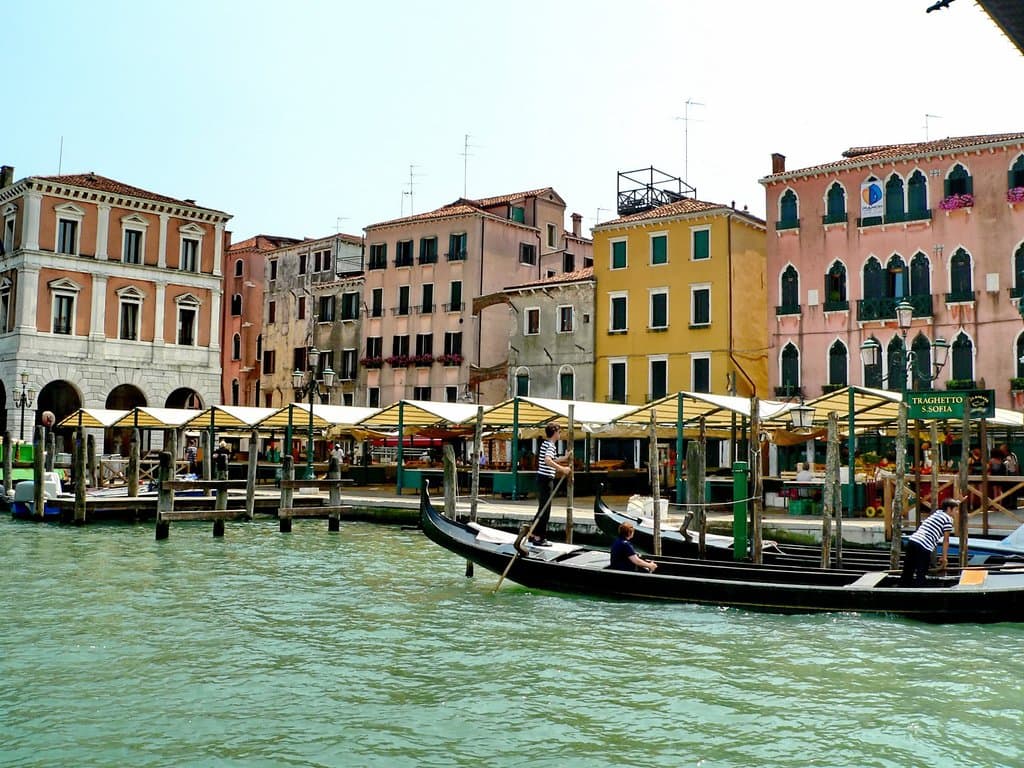
While some market areas might be affected by Acqua Alta, many remain operational. Visiting the local markets offers a glimpse into daily Venetian life and a chance to sample local produce.
Tip: Check the status of markets if Acqua Alta is predicted.
For a more private and direct way to travel, consider a water taxi. They can navigate through flooded areas efficiently, offering a comfortable and scenic journey.
Tip: Water taxis are more expensive than Vaporettos but offer direct service.
Full moon tides can sometimes coincide with Acqua Alta, creating a dramatic and visually stunning spectacle. The interplay of moonlight and the flooded city is truly captivating.
Tip: Check lunar calendars alongside tide forecasts for potential full moon tides.
The canals of Dorsoduro offer a picturesque setting, and during Acqua Alta, they can become even more enchanting with reflections and a unique atmosphere. It's a great area for a leisurely stroll.
Tip: Wander through the smaller canals for a more intimate experience.
Venice has numerous historic water gates and entrances designed to manage water flow. Observing these architectural features provides insight into the city's long history of dealing with its aquatic environment.
Tip: Look for these features along canals and building entrances.
An evening stroll during Acqua Alta can be particularly magical. The city lights reflecting on the water create a romantic and serene atmosphere, especially in less crowded areas.
Tip: Explore quieter sestieri for a more peaceful evening walk.

This modern art museum in Dorsoduro is a must-visit. Its location is generally less affected by Acqua Alta, offering a cultural escape with stunning art and beautiful canal views.
Tip: Check their website for any specific advisories during high water periods.
The sound of church bells echoing through the flooded streets during Acqua Alta adds to the unique atmosphere. It's a timeless sound that connects you to the city's history.
Tip: Listen for the bells, especially from St. Mark's Campanile.
The Venetian Lagoon is home to various bird species and marine life. During Acqua Alta, you might get unique glimpses of wildlife interacting with the higher water levels.
Tip: Keep an eye out for birds and other creatures along the water's edge.
Participate in a Venetian cooking class. It's a great indoor activity that allows you to delve into the local cuisine and culture, regardless of the weather or water levels outside.
Tip: Book in advance, as classes can fill up.

Home to a vast collection of Venetian art, the Gallerie dell'Accademia is a cultural gem. Its location makes it a reliable destination even during Acqua Alta.
Tip: Allow several hours to fully appreciate the extensive collection.
Find a bacaro (traditional Venetian bar) with canal-side seating and enjoy a classic Aperol Spritz. Watching the world go by, even with high water, is a quintessential Venetian experience.
Tip: Try different cicchetti (Venetian tapas) with your Spritz.
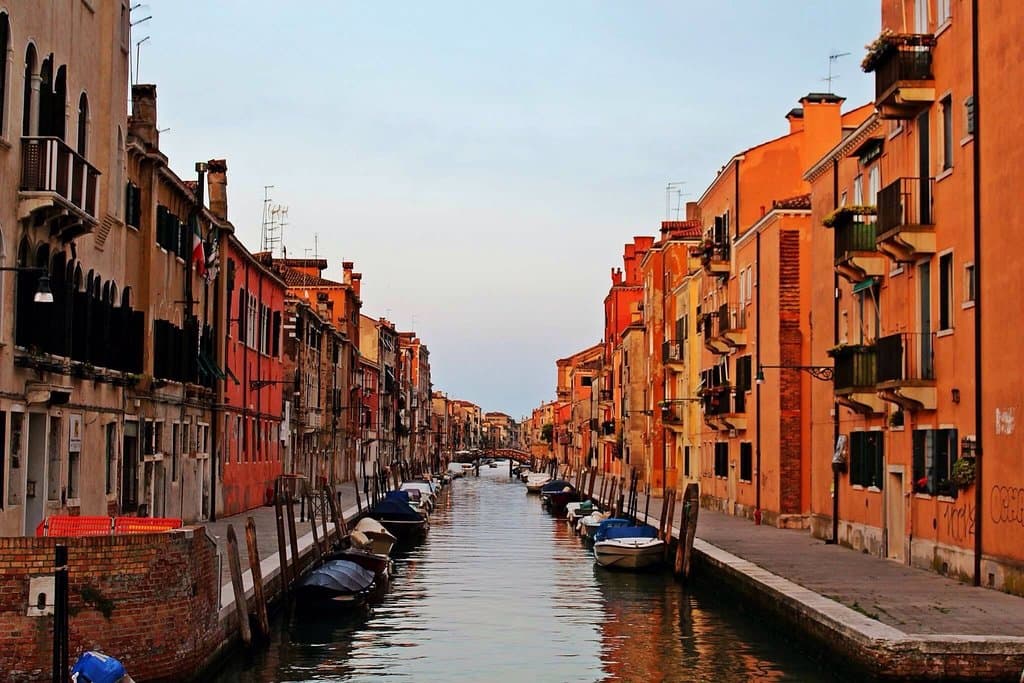
The historic Jewish Ghetto in Cannaregio is a fascinating area with a unique history. It's generally less affected by Acqua Alta and offers a quieter, more reflective experience.
Tip: Visit the Jewish Museum of Venice within the ghetto.

Ascend the bell tower of San Giorgio Maggiore for breathtaking panoramic views of Venice and the lagoon. It offers a different perspective on the city's layout and its relationship with the water.
Tip: Take a Vaporetto to the island of San Giorgio Maggiore.
Venice hosts numerous classical music performances in historic churches and venues. It's a perfect indoor activity to enjoy the city's rich cultural heritage, especially during cooler months.
Tip: Check local listings for concert schedules.
Learn about the traditional craft of Venetian mask making. Some workshops offer demonstrations or even the chance to try making your own mask, a unique souvenir.
Tip: Look for mask-making workshops or shops that offer demonstrations.
No trip to Italy is complete without gelato. Find a local gelateria and indulge in a sweet treat, a perfect pick-me-up while exploring the city, rain or shine.
Tip: Try seasonal flavors for a unique taste of Venice.

This historic confraternity building houses an incredible collection of paintings by Tintoretto. It's a stunning artistic treasure trove that offers a deep dive into Venetian Renaissance art.
Tip: Allow ample time to admire the detailed artwork.
While the main Carnival is in February, the spirit of masks and elaborate costumes can be found in shops and displays year-round. It's a glimpse into Venice's most famous celebration.
Tip: Look for shops selling traditional Venetian masks.
Join a photography tour to learn how to capture the unique light and atmosphere of Venice, especially during Acqua Alta. Local guides can show you the best spots and techniques.
Tip: Book a tour that focuses on capturing Venice's unique water elements.

This historic shipyard area offers a different perspective on Venice, with its vast canals and industrial past. It's a less touristy area that provides insight into the city's maritime power.
Tip: Walk along the canals and imagine the ships being built.
Seek out a traditional trattoria and savor authentic Venetian cuisine. Dishes featuring fresh seafood are a highlight, offering a delicious way to experience local culture.
Tip: Ask for recommendations on local specialties.

Even if parts of St. Mark's Square are flooded, the Basilica itself is a magnificent sight. Its stunning mosaics and opulent interior are a must-see, and it's usually accessible.
Tip: Check for any temporary closures or access restrictions during severe flooding.
Take a trip to the island of Murano, famous for its centuries-old tradition of glass blowing. Witness live demonstrations and explore the beautiful glass creations.
Tip: Visit a glass factory for a demonstration.
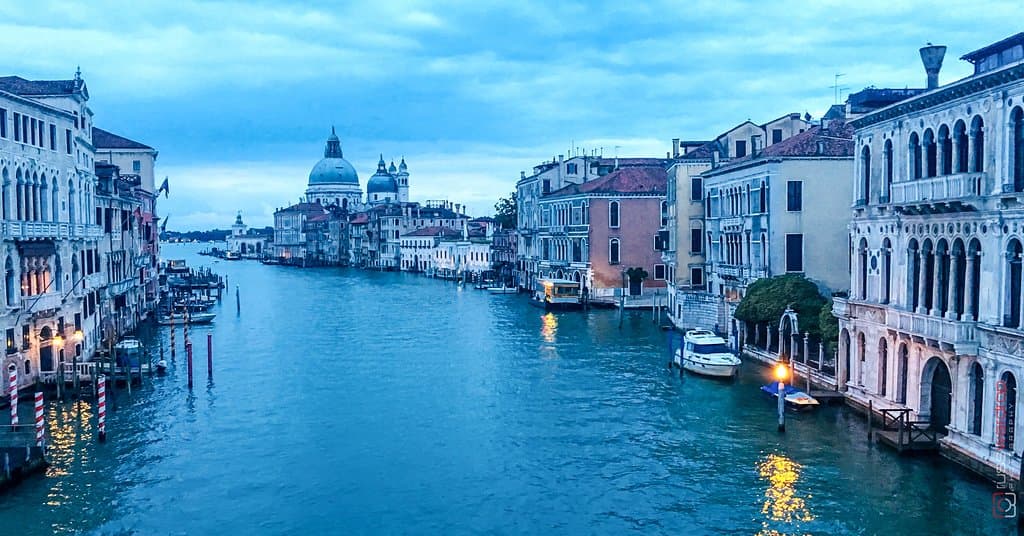
This wooden bridge offers fantastic views of the Grand Canal. It's a great spot to observe the city's activity and the water levels, especially during Acqua Alta.
Tip: Enjoy the vista of the canal and surrounding palazzi.
Venice is full of secret courtyards and hidden campi (squares). Exploring these off-the-beaten-path spaces can lead to delightful discoveries, often less affected by flooding.
Tip: Wander down narrow alleyways to find these hidden gems.
Venice's history is deeply intertwined with the sea. Exploring its maritime heritage, from the Arsenale to its seafaring traditions, provides context for its unique relationship with water.
Tip: Visit the Naval History Museum for a deeper dive.
The cooler, crisp air of autumn and winter in Venice can be invigorating. It's a refreshing change from warmer climates and perfect for exploring the city on foot.
Tip: Breathe in the fresh air as you wander through the calli (narrow streets).
For a unique perspective, take the Doge's Palace Secret Itineraries tour. It delves into the less-seen areas of the palace, offering a glimpse into its history and power structures.
Tip: Book this tour well in advance as it sells out quickly.

This iconic bridge connecting the Doge's Palace to the prison is a must-see. While often viewed from the outside, its history and design are fascinating.
Tip: Best viewed from the adjacent bridges or by boat.
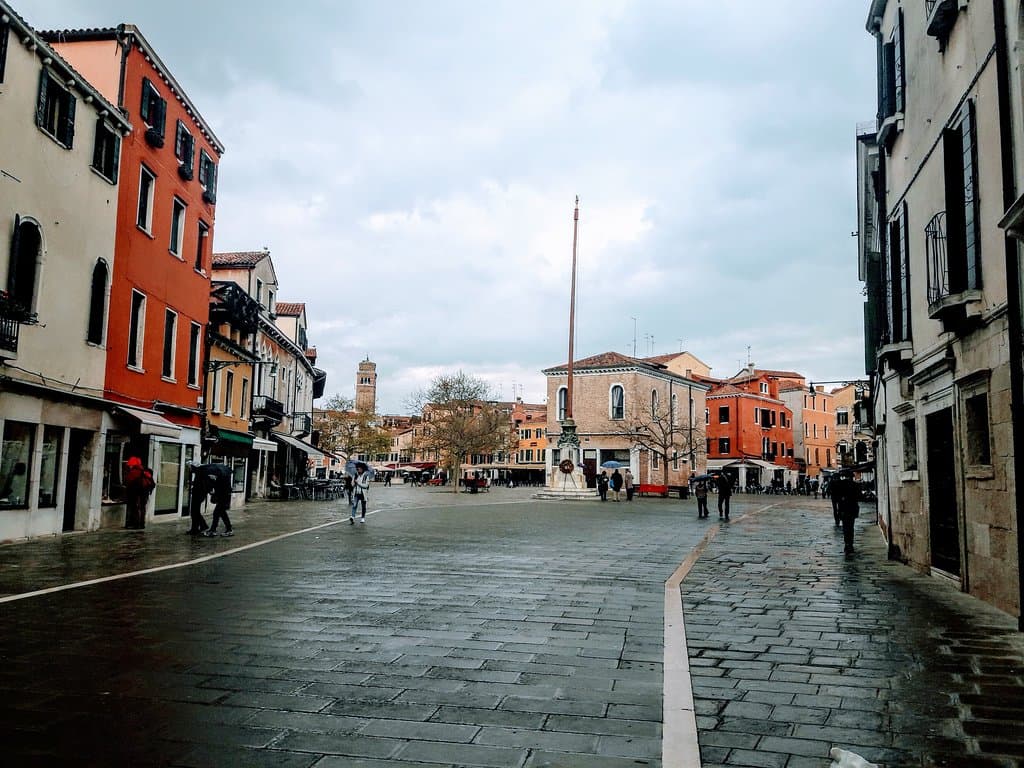
This lively campo in Dorsoduro is a popular spot for locals and students. It offers a vibrant atmosphere with cafes and shops, and is generally less prone to severe flooding.
Tip: Enjoy a coffee or aperitivo here and soak in the local life.
Immerse yourself in Venetian culture by participating in a mask-making workshop. It's a hands-on experience that allows you to create your own unique souvenir.
Tip: Book your workshop in advance to secure a spot.
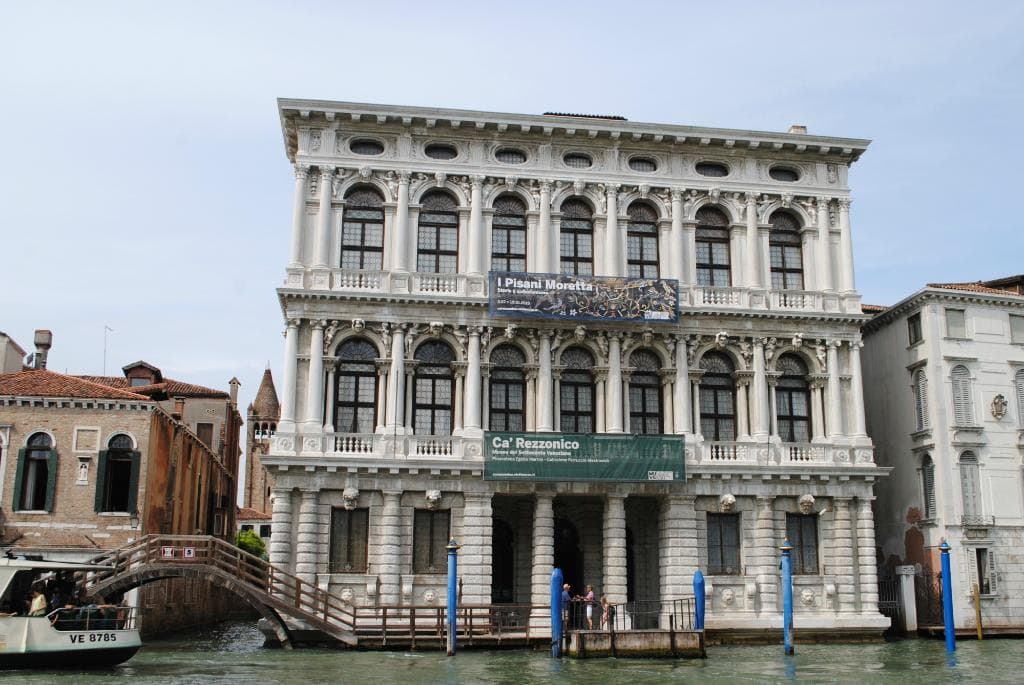
This stunning palazzo on the Grand Canal houses the Museum of 18th-century Venice. It offers a glimpse into the opulent lifestyle of Venetian nobility.
Tip: Admire the grand ballroom and period furnishings.
Waking up early to explore Venice before the crowds arrive offers a magical experience. The city is serene, and the light is often beautiful, even if there's a hint of Acqua Alta.
Tip: The hours just after sunrise are particularly magical.
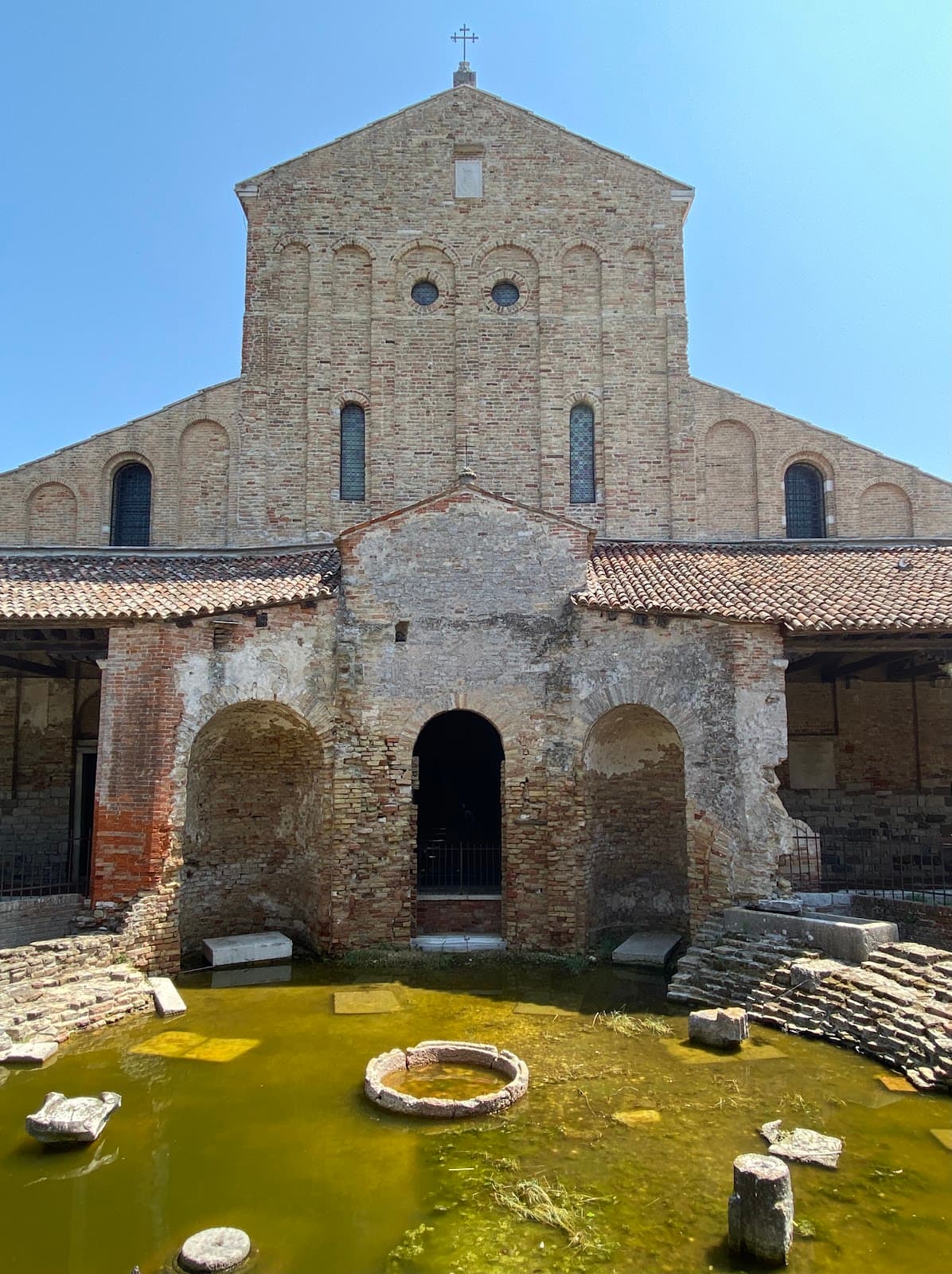
Visit the historic island of Torcello, one of the earliest settlements in the Venetian Lagoon. Its ancient cathedral and peaceful atmosphere offer a historical escape.
Tip: Explore the Cathedral of Santa Maria Assunta for its stunning mosaics.
Venice is renowned for its unique Venetian Gothic architectural style. Admire the intricate details of palaces and churches, which are even more striking when reflected in the water.
Tip: Look for the characteristic pointed arches and ornate decorations.
On a cooler day, find a cozy cafe and indulge in a rich, hot chocolate. It's the perfect way to warm up and recharge while taking in the unique Venetian atmosphere.
Tip: Look for cafes that serve artisanal hot chocolate.
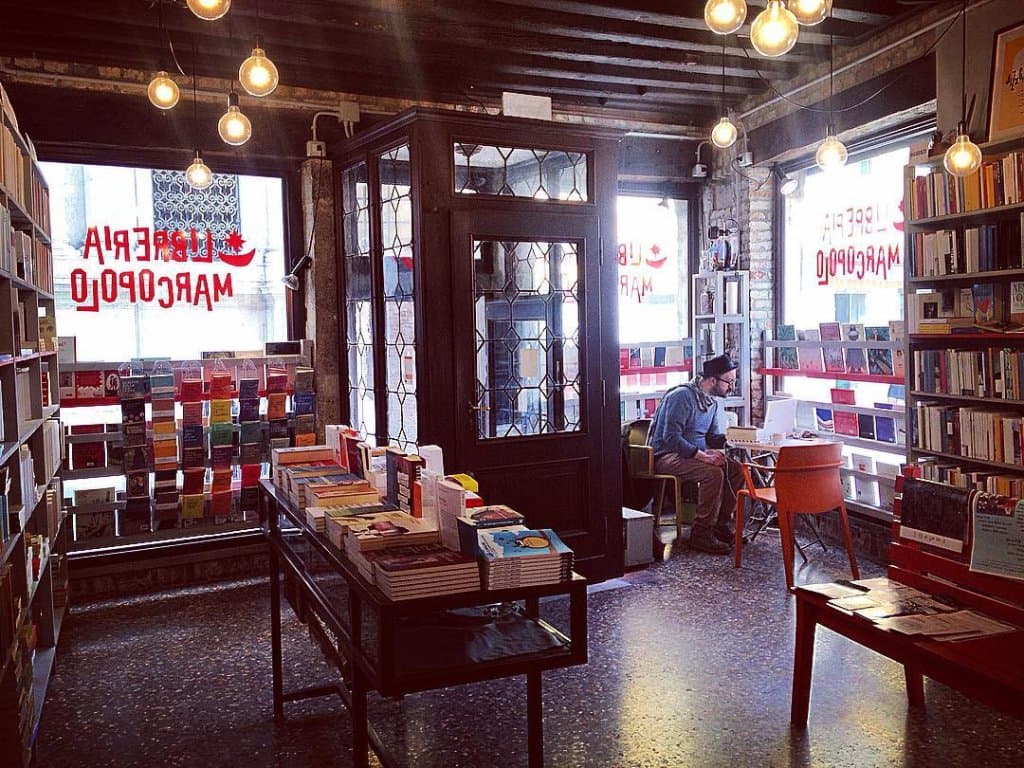
Another charming bookstore, Libreria Marco Polo, offers a curated selection of books in a cozy setting. It's a great spot to find a literary treasure away from the main tourist paths.
Tip: Browse the shelves for unique finds and local authors.
The Rialto Bridge is beautifully illuminated at night, offering a romantic and iconic view. Even with potential flooding, its nighttime charm is undeniable.
Tip: Capture the bridge's reflection in the canal after dark.
Dorsoduro is packed with smaller art galleries showcasing contemporary and traditional Venetian art. It's a fantastic district for art enthusiasts looking for unique pieces.
Tip: Wander through the district and pop into any gallery that catches your eye.
Venture beyond the Grand Canal and take a gondola ride through Venice's quieter, narrower canals. This offers a more intimate and serene experience of the city, especially during Acqua Alta.
Tip: Ask your gondolier to take you through less-trafficked waterways.