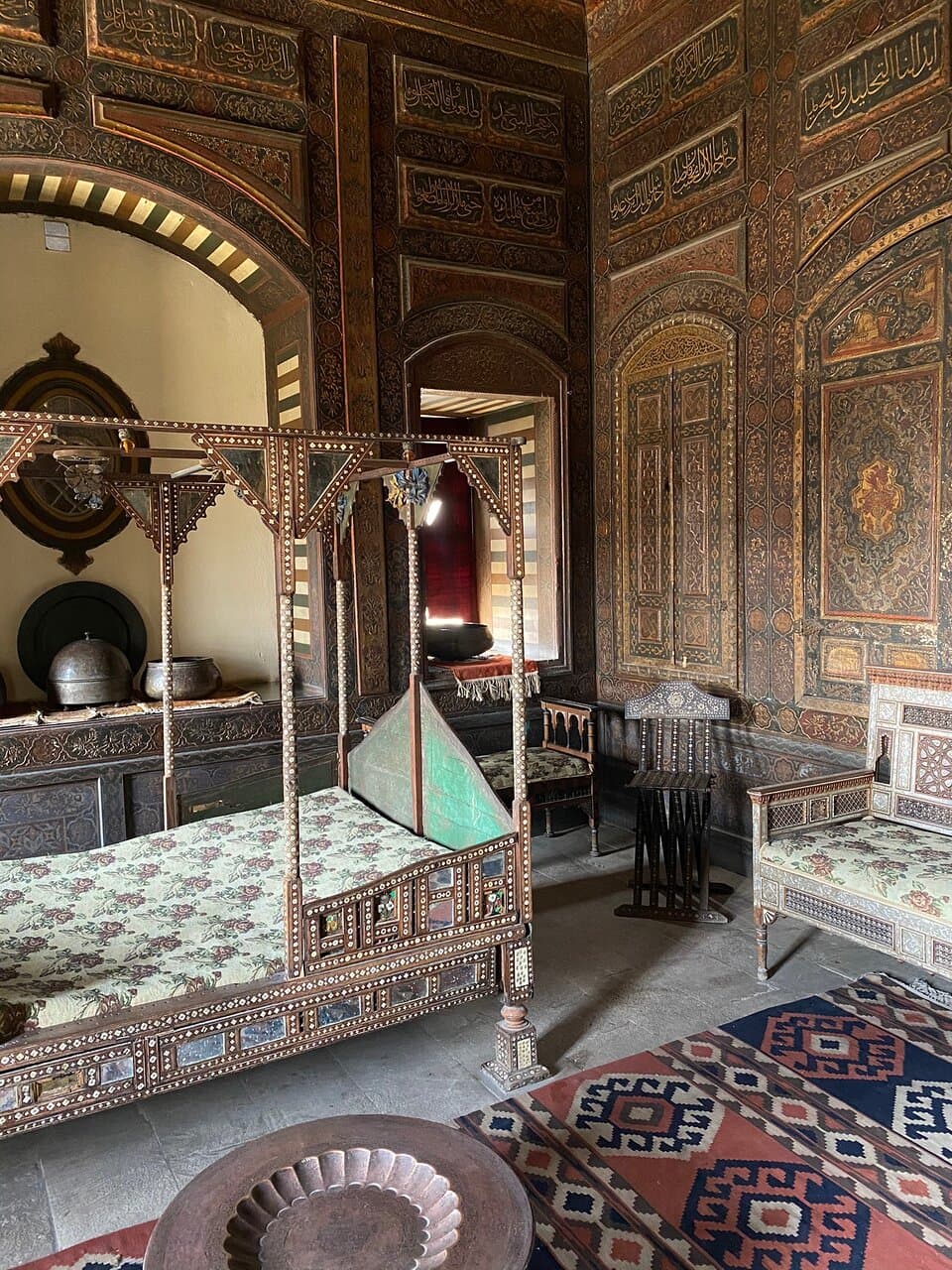
Gayer-Anderson Museum Cairo
A beautifully preserved 17th-century Islamic house turned museum, showcasing exquisite architecture and a unique collection of art and artifacts.
Highlights
Must-see attractions

Social
From TikTok & Reddit
Best Time
Fewer crowds, peaceful exploration
Gayer-Anderson Museum Cairo
Best Time
Fewer crowds, peaceful exploration
Highlights
Must-see attractions
A beautifully preserved 17th-century Islamic house turned museum, showcasing exquisite architecture and a unique collection of art and artifacts.
"A must-see in Cairo, this hidden gem offers a stunning journey through history with its architecture and artifacts."
Engage with the Guides
Guides offer fascinating insights into the history and artifacts. Their passion truly enhances the visit! :bustsinsilhouette:
Combine with Ibn Tulun Mosque
These sites are adjacent, making for a perfect historical combo. Save time and see more! :world_map:
Quick Facts
Hours
Rating
4.6 · 1,953 reviews
Type
Art museum
Highlights
Discover the most iconic attractions and experiences
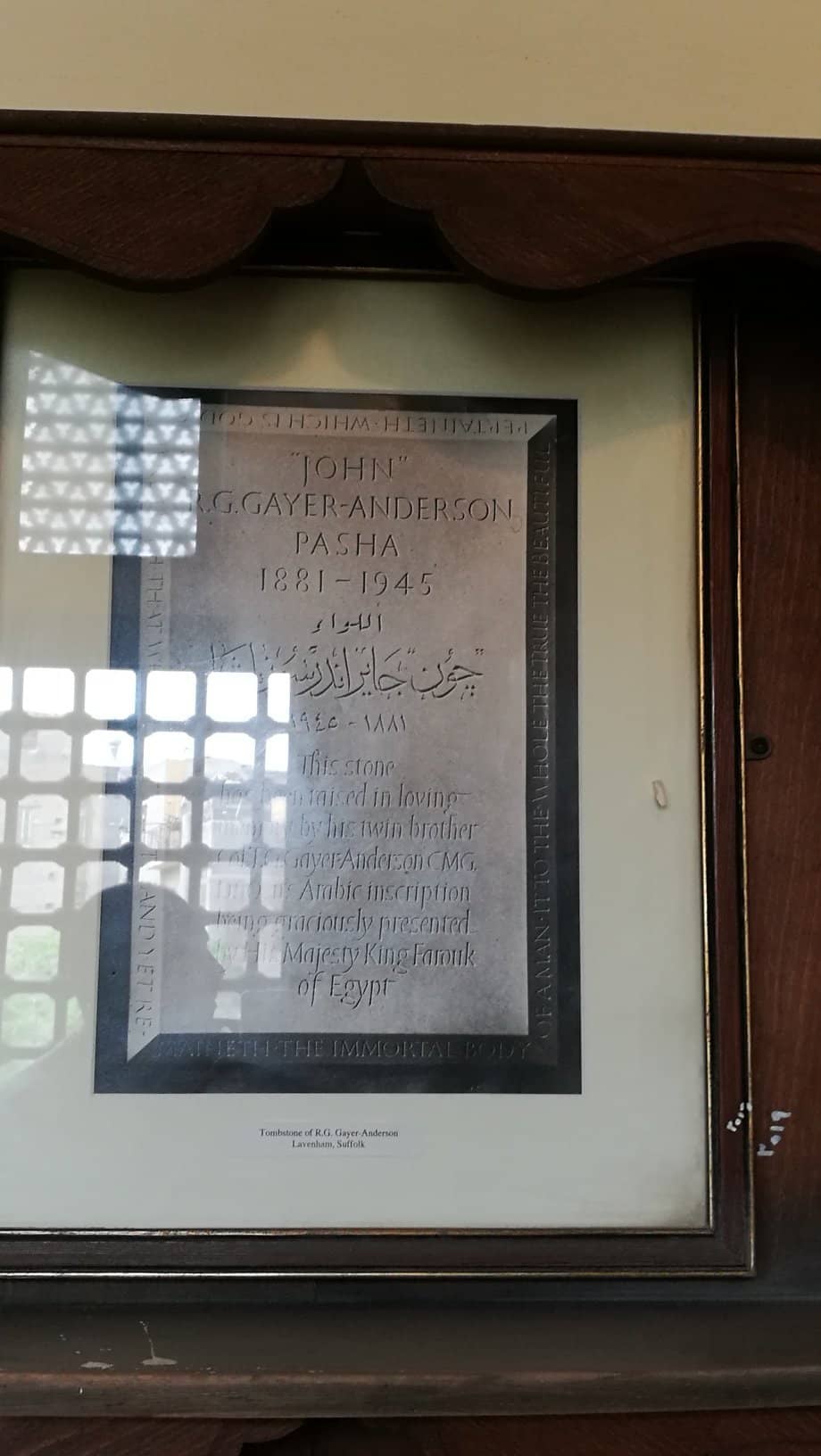
Intricate Mashrabiya Windows
Throughout the houses
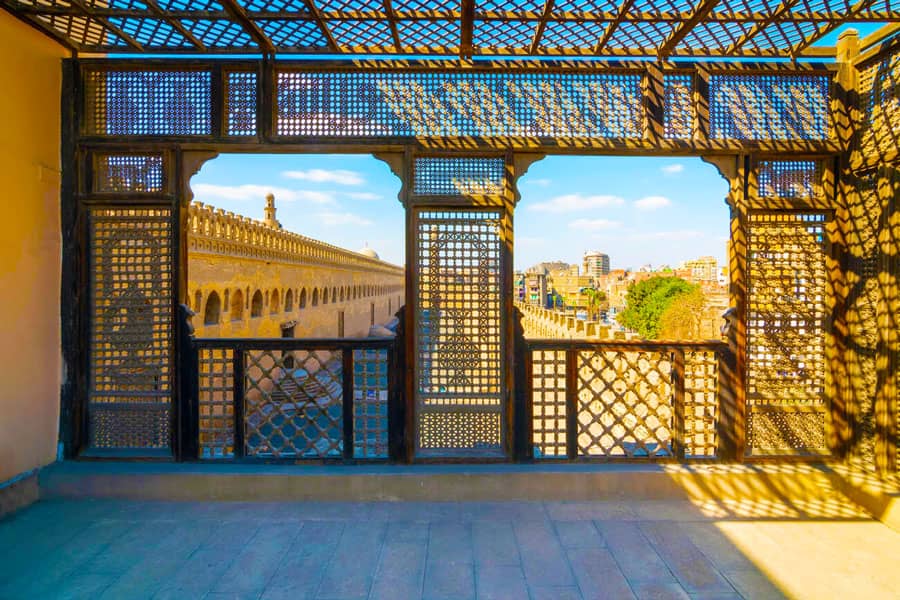
Marvel at the detailed wooden latticework, a hallmark of traditional Islamic architecture, offering privacy and ventilation.
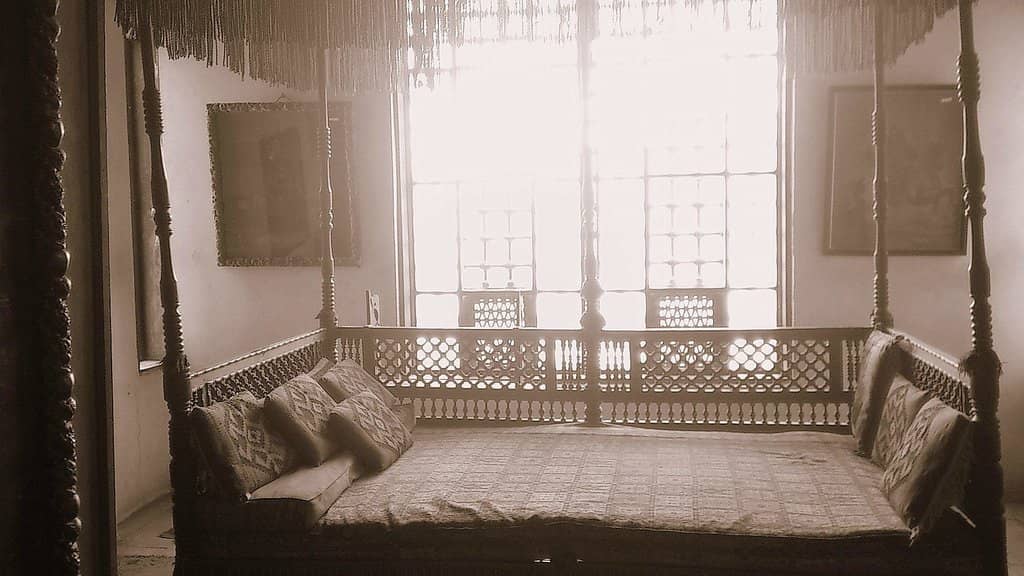
Rooftop Terrace Views
Rooftop
Enjoy panoramic views of Cairo and the adjacent Ibn Tulun Mosque from this serene vantage point.

Collection of Art and Artifacts
Various rooms
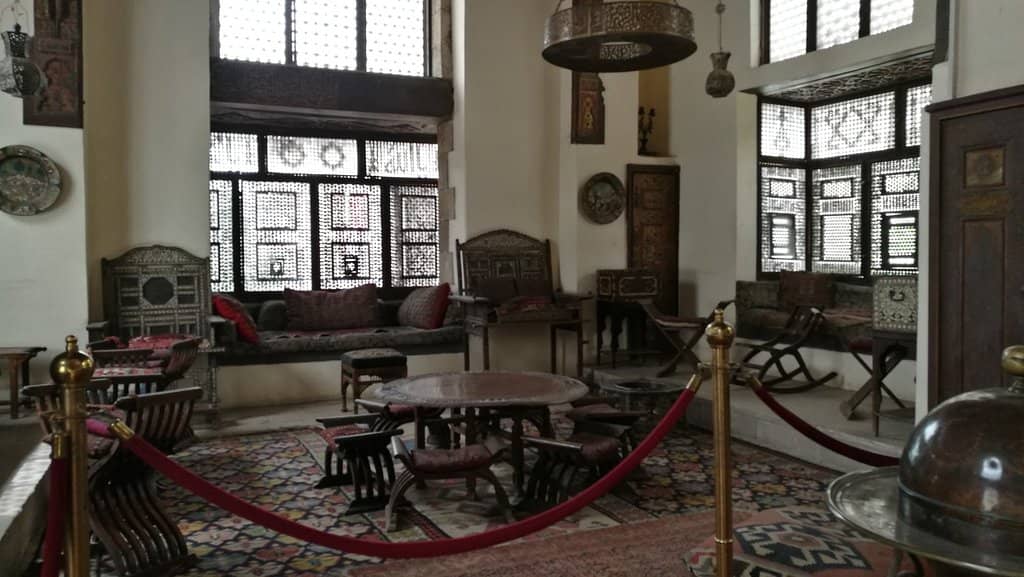
Discover a curated selection of furniture, carpets, costumes, and art from different eras and cultures.
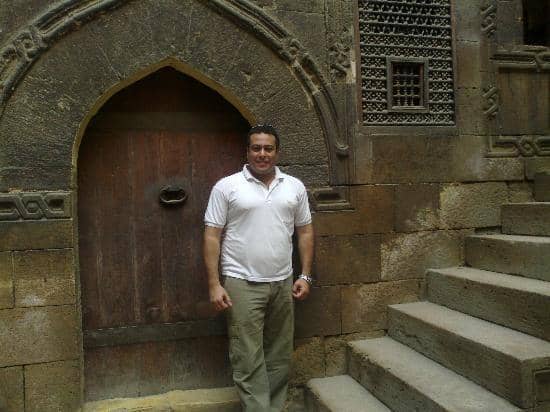
The House of the Cretan Woman
Main house
Explore the historically significant 'Beit al-Kritliyya,' a prime example of 17th-century Muslim domestic architecture.
Plans like a pro.
Thinks like you
Planning Your Visit
Timing is Key for a Peaceful Visit
Embrace the History and Architecture
Best Times
Insider Tips
from TikTok, Instagram & Reddit
Engage with the Guides
Guides offer fascinating insights into the history and artifacts. Their passion truly enhances the visit! :bustsinsilhouette:
Combine with Ibn Tulun Mosque
These sites are adjacent, making for a perfect historical combo. Save time and see more! :world_map:
Capture the Details
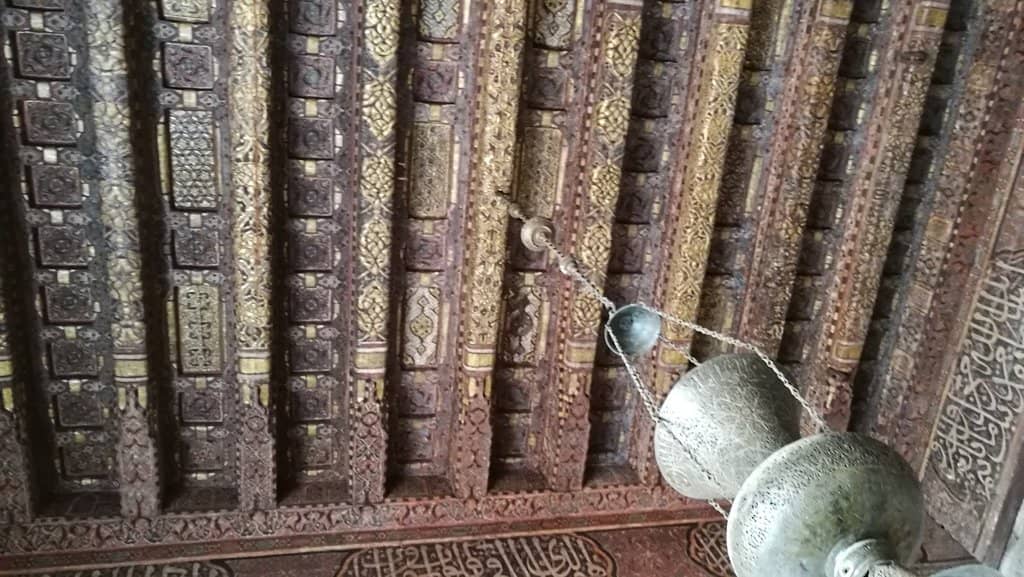
The intricate woodwork and architectural details are stunning. Bring your camera! :camerawithflash:
Allow Ample Time
Don't rush! Each room tells a story. Give yourself at least 1-2 hours to explore thoroughly. :clock1:
Tips
from all over the internet
Engage with the Guides
Guides offer fascinating insights into the history and artifacts. Their passion truly enhances the visit! :bustsinsilhouette:
Combine with Ibn Tulun Mosque
These sites are adjacent, making for a perfect historical combo. Save time and see more! :world_map:
Capture the Details
The intricate woodwork and architectural details are stunning. Bring your camera! :camerawithflash:
Allow Ample Time
Don't rush! Each room tells a story. Give yourself at least 1-2 hours to explore thoroughly. :clock1:
Wear Comfortable Shoes
You'll be doing a fair bit of walking and exploring different levels. :athletic_shoe:
What Travellers Say
Reviews Summary
Visitors consistently praise the Gayer-Anderson Museum as a 'must-see' and a 'hidden gem' in Cairo. They are captivated by its stunning 17th-century Islamic architecture, intricate details, and the unique collection of art and artifacts. The peaceful atmosphere and the knowledgeable guides further enhance the experience, making it a highly recommended stop for history and art lovers.
"A must see in Cairo.
The architecture, the interior, the decorations and the artefacts are adding to the pleasure of visiting this wonderful house.
And the guide was amazing, a true professional doing his job with love and pleasure."
Dobrinka Chukanova
"The Gayer-Anderson Museum is an art museum situated adjacent to the Mosque of Ahmad ibn Tulun.
The building takes its name from Major Robert Grenville Gayer-Anderson Pasha, who resided in the house between 1935 and 1942 with special permission from the Egyptian Government.
The museum is noted for being one of examples of 17th-century domestic architecture left in Cairo, and also for its collection of furniture, carpets, curio, and other objects.
Also known as Bayt al-Kritliyya is considered to be one of the remarkable examples of Muslim domestic architecture in Cairo. It dates back to the Mamluk Period (1040 AH/1631 AD) and it was built by Hagg Mohamed Salem Galmam el- Gazzar.
It later came into the possession of a wealthy Muslim woman from Crete, and the home became popularly known as Beit al-Kritliyya, or "House of the Cretan Woman. The second house, to the west (the innermost side in relation to the mosque) was built in 1540 AD (947 AH) by Abdel-Qader al-Haddad. It later became known as "Beit Amna bint Salim, after its last owner. The two houses were joined by a bridge at the third floor level at an unknown point, and are both collectively known as Bayt al-Kritliyya.
In 1928 the Egyptian government began to clear the homes, many of which were in very poor condition, away from the mosque as part of a plan to make important Islamic monuments more accessible. The Committee for the Conservation of Arab Monuments objected to the demolition of Bayt al-Kritliyya, however, on the grounds that the home was well preserved. The home was kept intact, and repairs were made to the side walls to strengthen them after the neighboring houses were torn down.
In 1935, Major Gayer-Anderson, a retired collector and self-described Orientalist, was granted permission to reside in the house, which had just been restored. Gayer-Anderson oversaw the installation of electricity and plumbing, and the restoration of fountains, pavements, and other parts of the interior of the home.
He populated the building with his personal collection of art, furnishings, and carpets, and he built a sailing boat he used to collect these antiques from all over Egypt, it was docked on the Nile not far from the house. In 1942, Gayer-Anderson was forced by ill health to leave Egypt, and he gave the contents of the house to the Egyptian government. King Farouk gave him the title of Pasha in return.
The James Bond film The Spy Who Loved Me was partially shot in the museum, in the ceremonial reception hall and the rooftop terrace."
Abdulrahman Qazzaz
"Very amazing and authentic place you can find a lot of tour guides/security inside that will explain the history of the place. Each room has a unique style from different country. There are even ancient Egyptian original antiques takdn from Dandara and Luxor was owned by Gayer Andrison when trading antiques was legal back then I am happy the home is aa museum now and I wish all the other antiques taken/stolen by British museum to get back here."
Sohila Abdelhady
What People Like
What People Dislike
Frequently Asked Questions
🚇 🗺️ Getting There
The museum is located in Old Cairo, adjacent to the Mosque of Ahmad Ibn Tulun. You can reach it by taxi or ride-sharing apps like Uber or Careem. It's also accessible via public transport, though this might require more walking. Many visitors combine a trip here with the nearby Ibn Tulun Mosque.
Parking in Old Cairo can be challenging. It's often best to use a taxi or ride-sharing service, or to park further away and walk. Some visitors mention that street parking might be available but can be difficult to find.
While it's in Old Cairo, walking from major tourist hubs like Tahrir Square might be too far. However, if you're already exploring the historic Islamic Cairo area, such as the Khan el-Khalili bazaar or the Citadel, it might be walkable or a short taxi ride away.
They are literally next door to each other! You can simply walk from one to the other. It's a very convenient pairing for a historical tour. 
Yes, the museum is situated right next to the impressive Mosque of Ahmad Ibn Tulun. Its minaret is a prominent landmark in the area, guiding you towards the museum.
🎫 🎫 Tickets & Entry
The museum typically opens around 9 AM and closes around 5 PM. However, it's always a good idea to check the latest hours before your visit, as they can sometimes vary.
Admission fees are generally very affordable, making it a great value for the experience. Expect a nominal fee, often around 100 EGP for foreigners.
Advance booking is usually not required for the Gayer-Anderson Museum. You can typically purchase tickets upon arrival.
Yes, children can enjoy the museum, especially if they are interested in history and unique architecture. The stories and visual elements can be engaging.
While the museum primarily showcases its permanent collection and historical architecture, it's worth checking local listings or their official channels for any temporary exhibitions or cultural events.
📸 📸 Photography
Photography is generally allowed inside the museum, but it's always best to be respectful of the artifacts and other visitors. Some areas might have restrictions, so keep an eye out for signage.
Absolutely! The rooftop terrace offers stunning views, and the courtyards with their intricate details are very photogenic. Don't miss the mashrabiya windows and the decorative elements in each room.
Drone photography is generally not permitted in and around historical sites in Cairo, including the Gayer-Anderson Museum, due to security regulations.
The museum has a mix of natural light filtering through windows and some artificial lighting. The natural light, especially during certain times of the day, can be quite beautiful for capturing the textures and colors.
While dedicated photography tours might not be common, many local guides can help you find the best angles and spots for photos. You can also explore independently and discover your own favorite shots.
🎫 🏛️ Onsite Experience
It's renowned for its stunning 17th-century Islamic domestic architecture, beautifully preserved interiors, and a unique collection of art and artifacts. It offers a glimpse into a bygone era.
Most visitors spend between 1 to 2 hours exploring the museum thoroughly. This allows time to appreciate the architecture, collections, and enjoy the rooftop views.
Yes, restroom facilities are typically available for visitors within the museum complex.
The museum has multiple levels and stairs, which might pose challenges for individuals with significant mobility issues. It's advisable to inquire about specific accessibility options beforehand.
It's a rare example of 17th-century Muslim domestic architecture. It was home to Major Gayer-Anderson, who curated its collections, and it was also featured in the James Bond film 'The Spy Who Loved Me.'
🍽️ 🍽️ Food & Dining
There are no dining facilities directly within the Gayer-Anderson Museum itself. You'll need to venture out to find food options.
The surrounding Old Cairo area offers various local eateries and cafes. You can find traditional Egyptian food, including koshari and street food, in the vicinity.
It's generally not recommended to bring outside food and drinks into museums to preserve the exhibits. It's best to consume them before or after your visit.
Koshari Abo Tarek is a famous spot mentioned by visitors for authentic koshari, though it might require a short taxi ride from the museum. There are likely other local spots closer by.
Upscale dining might be more prevalent in other parts of Cairo. Near the museum, you'll find more traditional and casual local eateries.
You may also like

Aqsunqur Mosque (Blue Mosque) Cairo

Talaat Harb Square Cairo

Al-Rifa’i Mosque Cairo

Al-Hussein Mosque Cairo

Cairo Citadel (Saladin Citadel) Cairo
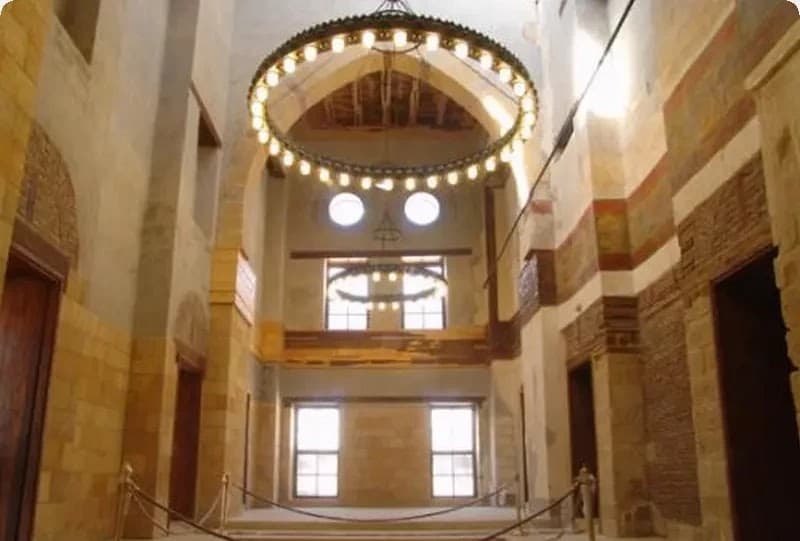
Amir Taz Palace Cairo
Aqsunqur Mosque (Blue Mosque) Cairo
Talaat Harb Square Cairo
Al-Rifa’i Mosque Cairo
Al-Hussein Mosque Cairo
Cairo Citadel (Saladin Citadel) Cairo
Amir Taz Palace Cairo

Sultan Hassan Mosque-Madrasa Cairo

Pyramid of Djoser (Step Pyramid)

October War Panorama Cairo

Manshiyat Nasr (Garbage City) Cairo

Mosque of Ibn Tulun Cairo

Social
from TikTok, Instagram & Reddit