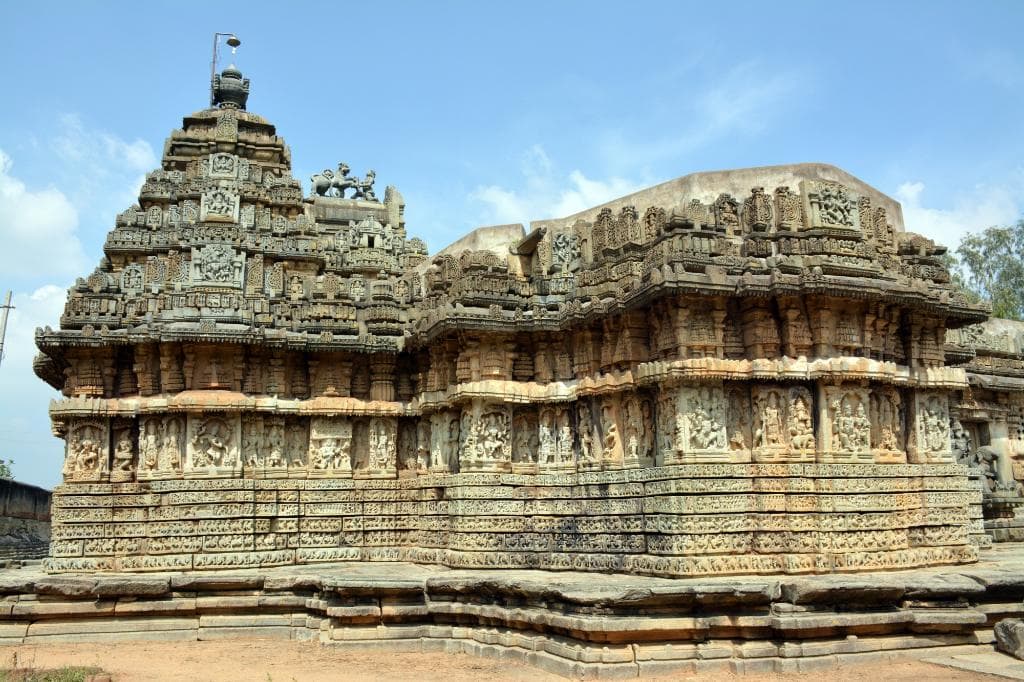
Basaralu Mallikarjuna Temple
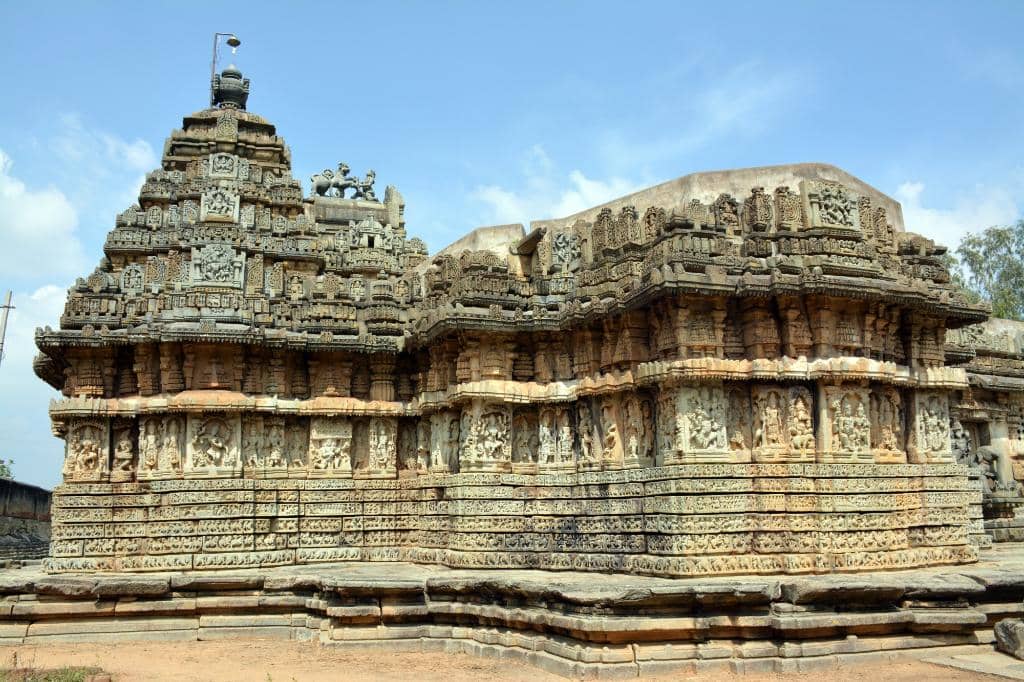
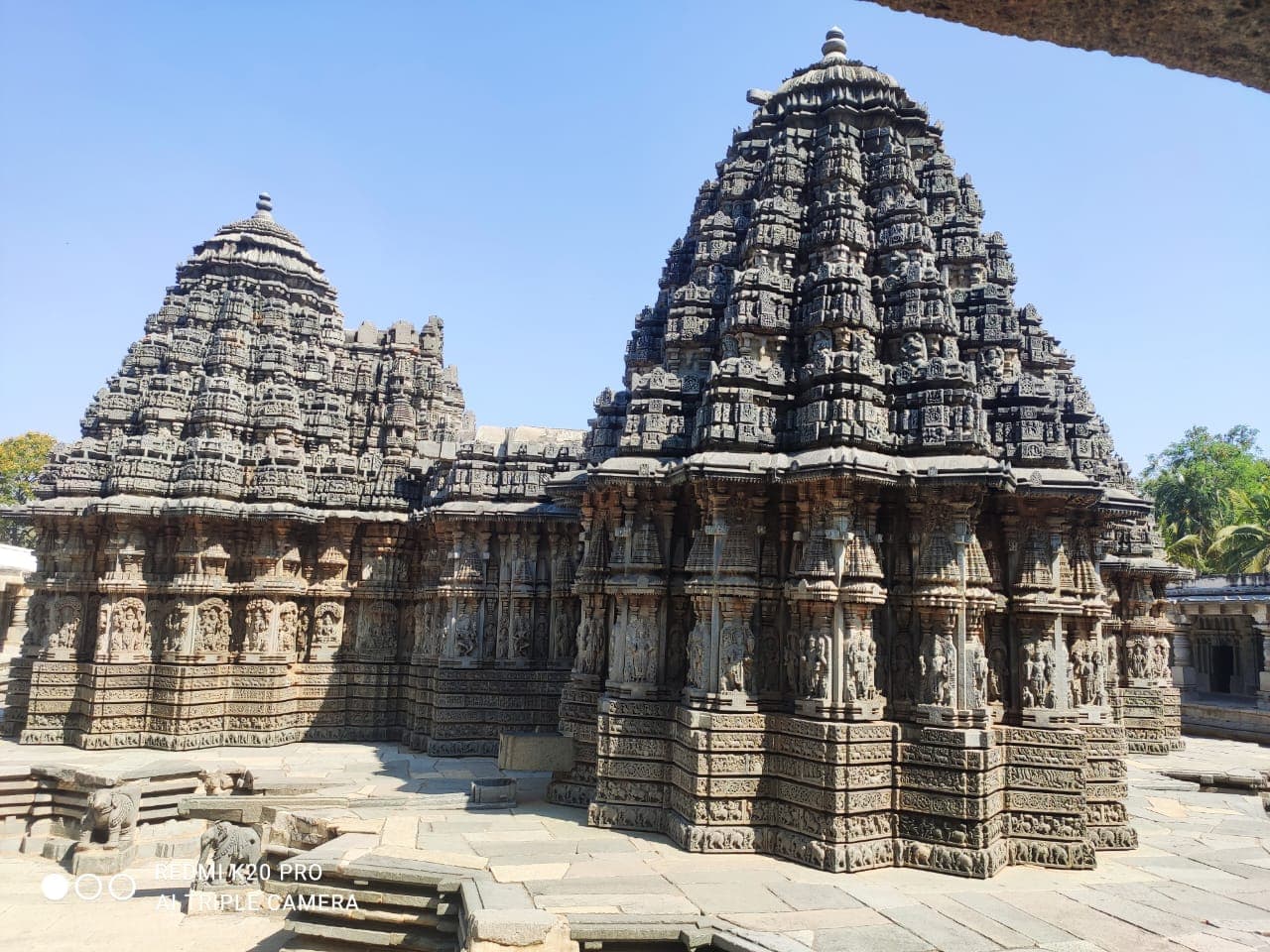
A hidden gem of Hoysala architecture, this ancient temple boasts intricate stone carvings and a unique trikuta-chala design.
Highlights
Must-see attractions

Social
From TikTok & Reddit
Best Time
Fewer crowds, serene atmosphere
Basaralu Mallikarjuna Temple
Best Time
Fewer crowds, serene atmosphere
Highlights
Must-see attractions
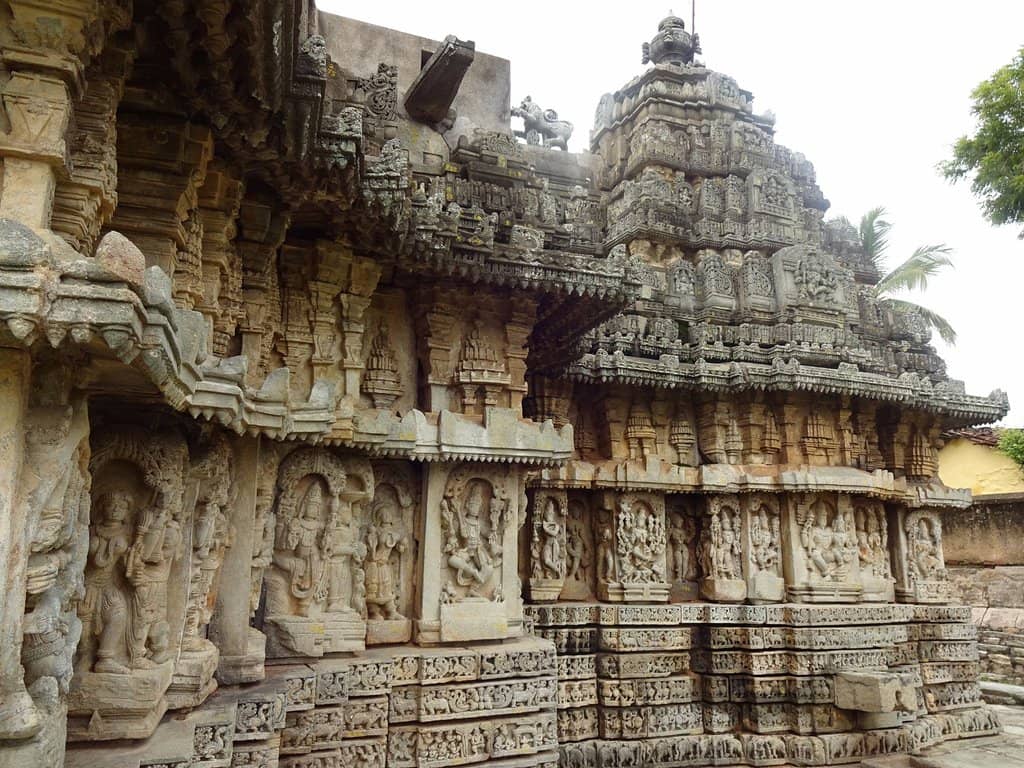
A hidden gem of Hoysala architecture, this ancient temple boasts intricate stone carvings and a unique trikuta-chala design.
"Every stone has a story to tell; a historic marvel comparable to Belur and Somnathpura."
Hire a Local Guide
Enthusiastic guides can explain the temple's history and intricate details, enriching your visit. :man_teacher:
Morning Visit Recommended
Visit in the morning to truly appreciate the artistry and avoid the midday sun. 🌅
Quick Facts
Hours
Rating
4.6 · 387 reviews
Type
Historical Landmark
Highlights
Discover the most iconic attractions and experiences
Intricate Hoysala Architecture
Marvel at the detailed stone carvings and sculptures, a hallmark of the Hoysala dynasty's artistic prowess.
Trikuta-Chala Style Sanctums
Explore the unique trikuta-chala design with three interconnected sanctums, showcasing architectural ingenuity.
Six-Armed Durga Statue
Don't miss the striking statue of the six-armed Durga, a significant sculptural highlight within the temple complex.
Plans like a pro.
Thinks like you
Planning Your Visit
Timing is Key for a Peaceful Visit
Appreciating the Artistry
Best Times
Insider Tips
from TikTok, Instagram & Reddit
Hire a Local Guide
Enthusiastic guides can explain the temple's history and intricate details, enriching your visit. :man_teacher:
Morning Visit Recommended
Visit in the morning to truly appreciate the artistry and avoid the midday sun. 🌅
Photography Restrictions
Photography is not allowed inside the sanctum, but the exterior offers ample photo opportunities. :camerawithflash:
Wear Comfortable Shoes
You'll be exploring the temple grounds, so comfortable footwear is a must. :athletic_shoe:
Tips
from all over the internet
Hire a Local Guide
Enthusiastic guides can explain the temple's history and intricate details, enriching your visit. :man_teacher:
Morning Visit Recommended
Visit in the morning to truly appreciate the artistry and avoid the midday sun. 🌅
Photography Restrictions
Photography is not allowed inside the sanctum, but the exterior offers ample photo opportunities. :camerawithflash:
Wear Comfortable Shoes
You'll be exploring the temple grounds, so comfortable footwear is a must. :athletic_shoe:
Check for Puja Times
The sanctum remains active with regular puja. Inquire about timings for a more immersive experience. 🙏
What Travellers Say
Reviews Summary
Visitors praise the Basaralu Mallikarjuna Temple for its stunning Hoysala architecture and intricate sculptures, often comparing it favorably to more famous sites. The presence of an enthusiastic guide enhances the experience, though language barriers can sometimes be an issue. While the temple is well-preserved, some note that it's surprisingly lesser-known.
"It was good experience. Ancient temple built with hoysala architecture. There will be person appointed who looks after the Temple. He explains temple as well. But he unfortunately doesn't know any regional language(only knows Hindi)."
Siddharth Kharvi
"The Mallikarjuna temple, dedicated to the Hindu god Shiva, is in Basaralu, a small town in the Mandya district, Karnataka state, India. Basaralu is close to Nagamangala and about 65 km from the culturally important city of Mysore.
The temple was built by Harihara
Dhannayaka around 1234 A.D. during the rule of the Hoysala Empire King Vira Narasimha II. The temple is constructed on a raised jagati (platform). The temple faces east and consists of a Nandi-mandapa, navaranga and antarala or sukanasi. The temple is constructed in trikuta-chala style, consisting of three garbha-grha (sanctums/cells), one each on north, south and west. Only the main sanctum, in the west, is provided with antarala (vestibule), the rests directly opens into the common mandapa (navaranga). The central ceiling of this mandapa has ashta-dikpalas. This main sanctum is adorned with tower and sukanasi, the others are devoid of towers. Due to this the temple, from outside, does not give an appearance of a trikuta structure"
Preetham Gowda
"One of the best temples of hoysala architecture, comparable to the well known somnathpura and belur temples. Intricate architecture and beautiful sculptures adorn the mallikarjuna temple. It is definitely a historic marvel. Every stone has a story to tell. It is a pity that the temple is lesser known even among locals. If properly promoted, the temple could very well attract thousands of interested people.
The lone temple guide was very enthusiastic to guide us through the temple architecture. Must visit."
Sneha Manjunath
What People Like
What People Dislike
Frequently Asked Questions
🚇 🗺️ Getting There
Basaralu is about 65 km from Mysore. You can hire a taxi or take a bus towards Nagamangala and then a local auto-rickshaw to the temple. The journey typically takes around 1.5 to 2 hours by car.
While direct public transport might be limited, you can take a bus to nearby towns like Nagamangala and then arrange local transport. It's advisable to check local bus schedules in advance.
From Bangalore, you can drive or hire a taxi. The temple is approximately 150-160 km away, and the drive takes about 3-4 hours. Consider combining it with a trip to other Hoysala sites.
Yes, there are usually parking facilities available near the temple premises for visitors arriving by car or bike.
The temple is built on a raised platform (jagati), and while the grounds are generally accessible, some areas might have steps. It's advisable to check accessibility details if you have specific mobility concerns.
🎫 🎫 Tickets & Entry
Entry to the Basaralu Mallikarjuna Temple is generally free. However, there might be nominal charges for photography or special access if applicable.
The temple is usually open from morning to evening, allowing visitors to explore during daylight hours. It's best to visit during the day to appreciate the architecture.
No, there is typically no entry fee for the Basaralu Mallikarjuna Temple. It's a place of worship and heritage that is open to all.
Yes, the temple is generally open every day of the week. However, visiting on weekdays can offer a more peaceful experience compared to weekends.
While the temple is open for most of the day, it's advisable to visit during daylight hours to fully appreciate the intricate carvings and sculptures.
🎫 🧭 Onsite Experience
Take your time to walk around the exterior and interior, admiring the detailed sculptures and architectural elements. Consider hiring a local guide for deeper insights. +1
Photography is generally not permitted inside the sanctum. However, you can capture stunning photos of the temple's exterior and its intricate carvings.
Yes, there is often a dedicated temple guide who is enthusiastic about explaining the architecture and history. They can significantly enhance your understanding. +1
Don't miss the intricate Hoysala carvings, the trikuta-chala design, the central ceiling with ashta-dikpalas, and the striking six-armed Durga statue. +1
Allocate at least 1-2 hours to fully appreciate the temple's artistry and history. If you hire a guide, you might need a bit more time.
🍽️ 🍽️ Food & Dining
Basaralu is a small village, so dining options directly at the temple are limited. It's advisable to pack snacks or plan to eat in nearby towns like Nagamangala or Mysore.
Local eateries might be scarce. For a more substantial meal, consider visiting larger towns nearby. Pack water and snacks for your visit.
If you find local eateries, expect traditional South Indian vegetarian fare. For more variety, head to Mysore or Nagamangala.
Yes, carrying your own water and snacks is a good idea, especially if you plan to spend a significant amount of time exploring the temple and its surroundings.
Cafes and coffee shops are unlikely to be found in the immediate vicinity of the temple. Plan your refreshments accordingly.
📸 📸 Photography
The exterior of the temple offers numerous angles to capture its intricate carvings, sculptures, and the unique Hoysala architectural style.
Photography is generally not permitted inside the main sanctum. Always respect the rules and signs posted at the site.
Late afternoons, when the sun casts a warm glow, can be ideal for capturing the temple's details. Early mornings also offer soft light and fewer people.
Tripod usage might be restricted, especially inside. It's best to check with local authorities or guides on site regarding equipment rules.
A versatile lens (like a 24-70mm) is useful for capturing both wide architectural shots and detailed carvings. A wide-angle lens can be great for the exterior.

You may also like

Shravanabelagola Jain Heritage Town

Amrutesvara Temple Amruthapura
Kaginahare Viewpoint
Bucesvara Temple Koravangala

Chennakesava Temple Somanathapura
Lakshminarasimha Temple Nuggehalli
Shravanabelagola Jain Heritage Town
Amrutesvara Temple Amruthapura
Kaginahare Viewpoint
Bucesvara Temple Koravangala
Chennakesava Temple Somanathapura
Lakshminarasimha Temple Nuggehalli
Cheluvanarayana Swamy Temple Melukote

Melukote Kalyani

Yoga Narasimha Temple Melukote
Sadashiva Temple Nuggehalli
Social
from TikTok, Instagram & Reddit