Oki Islands Day Trip
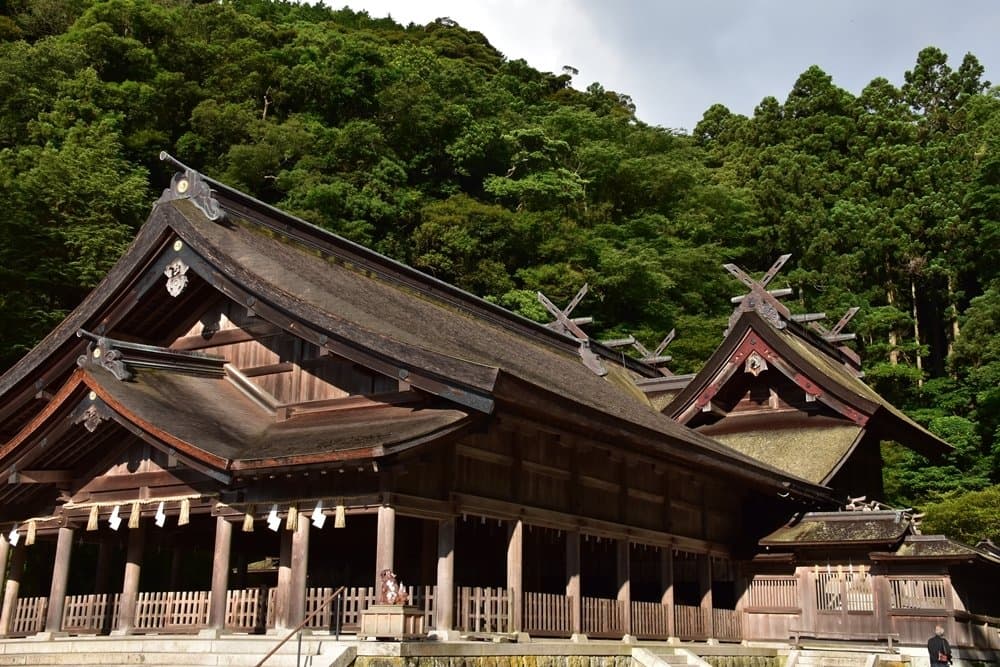
A serene shrine dedicated to Ebisu, god of wealth and music, housing ancient instruments and unique architecture.
Highlights
Must-see attractions

Social
From TikTok & Reddit
Best Time
Quieter experience, first light.
Oki Islands Day Trip
Best Time
Quieter experience, first light.
Highlights
Must-see attractions
A serene shrine dedicated to Ebisu, god of wealth and music, housing ancient instruments and unique architecture.
"A tranquil and beautiful shrine with unique architecture and a fascinating collection of musical instruments."
Plan Your Transport 🚢
Ferry or flight needed. Check schedules in advance for a smooth journey to the islands.
Visit Miho Shrine Early ☀️
Experience a quieter, more reflective visit and catch the beautiful morning light.
Quick Facts
Hours
Rating
4.5 · 3,711 reviews
Type
Place of Worship
Highlights
Discover the most iconic attractions and experiences
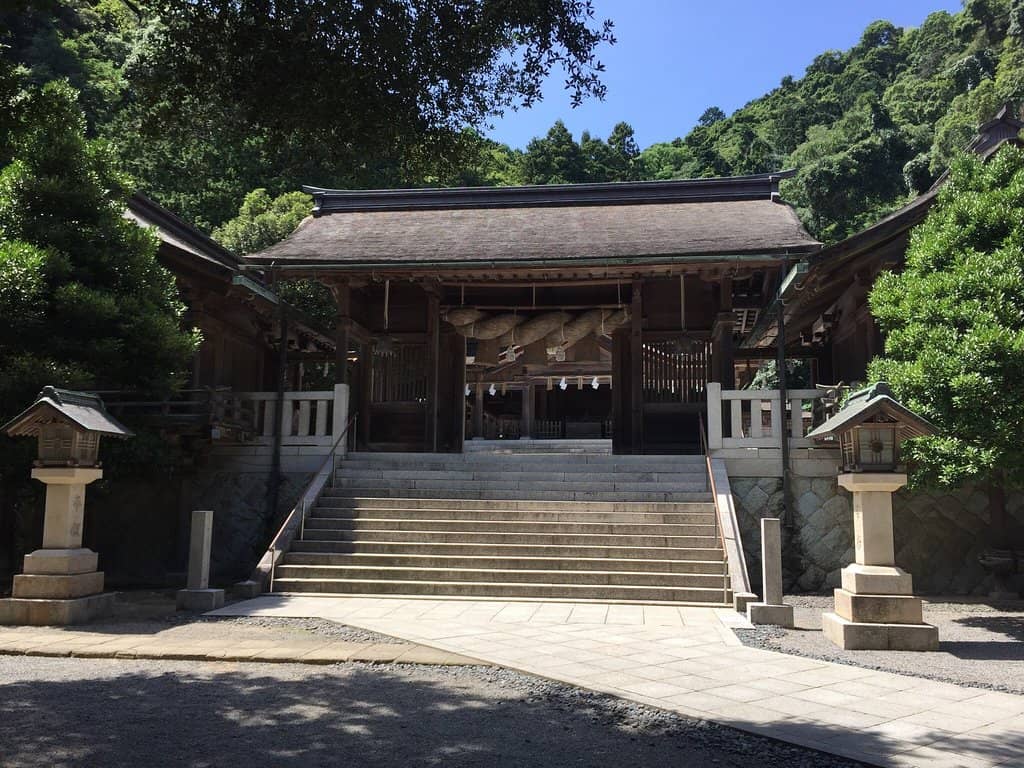
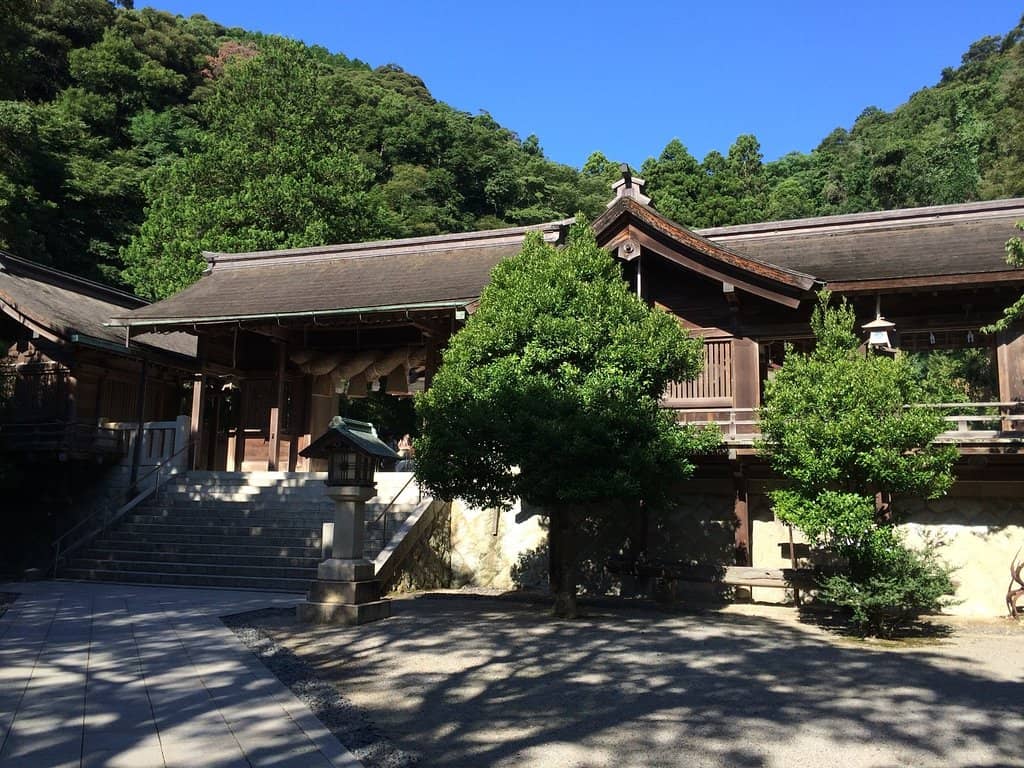
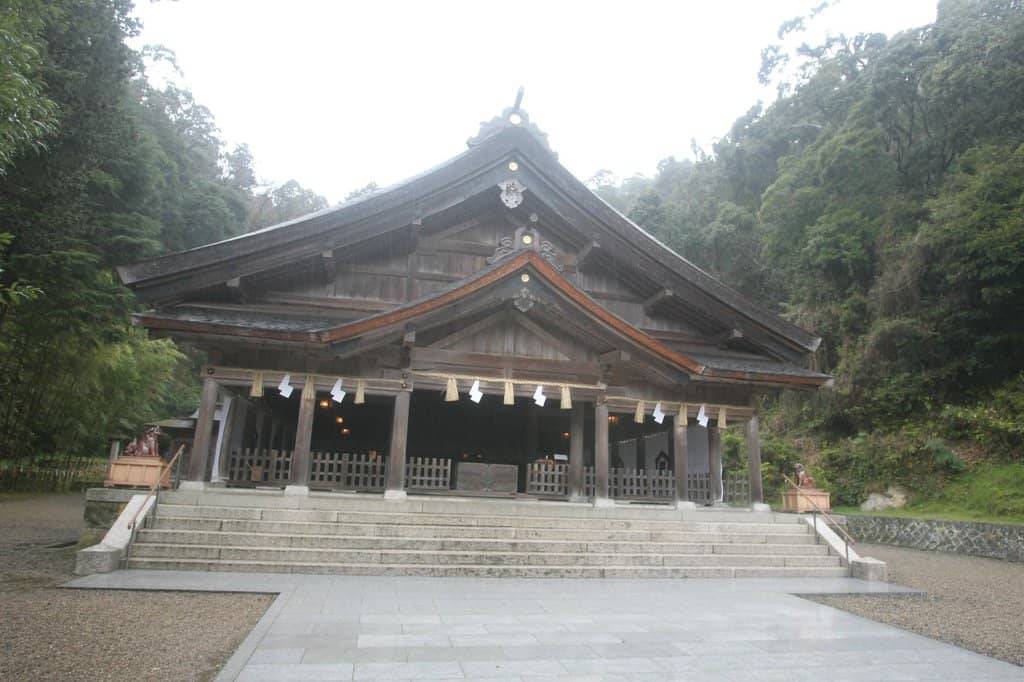
Miho Shrine
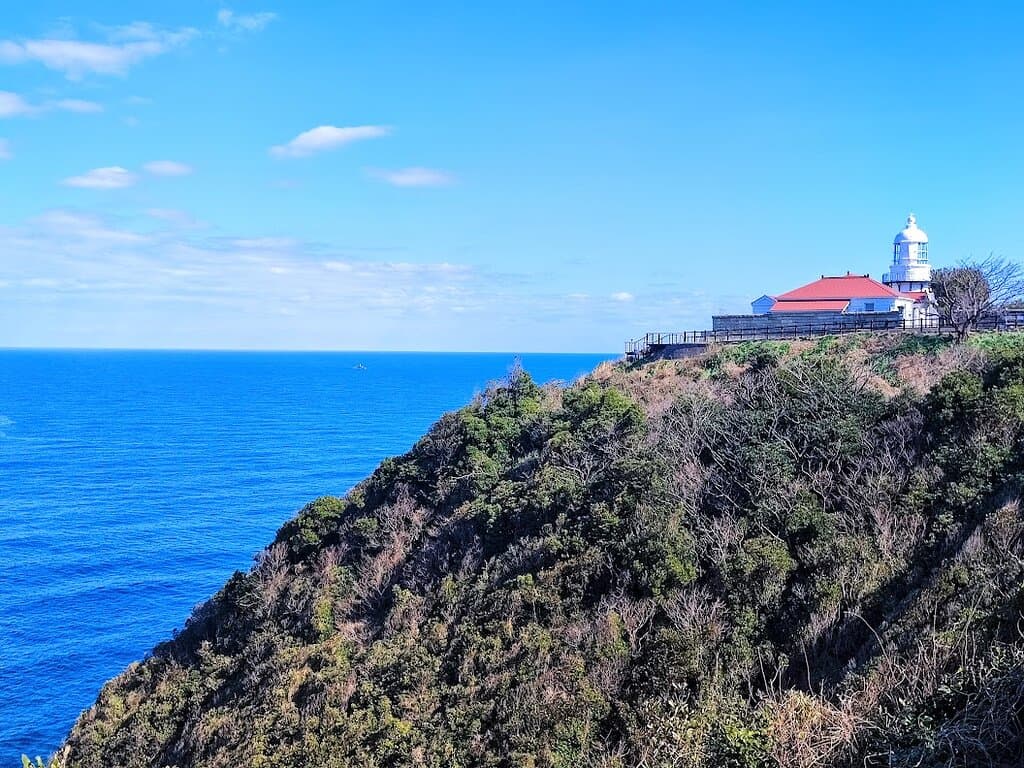
Mihonoseki Cape
A serene shrine dedicated to Ebisu, god of wealth and music, housing over 800 historical instruments.
Musical Instrument Collection
Miho Shrine
Discover Japan's oldest instruments, a unique testament to Ebisu's patronage of music.
Coastal Scenery
Mihonoseki Cape
Enjoy breathtaking views, especially at sunset, along the picturesque coastline.
Plans like a pro.
Thinks like you
Planning Your Visit
Getting to the Oki Islands
Embrace the Tranquility
Best Times
Insider Tips
from TikTok, Instagram & Reddit
Plan Your Transport 🚢
Ferry or flight needed. Check schedules in advance for a smooth journey to the islands.
Visit Miho Shrine Early ☀️
Experience a quieter, more reflective visit and catch the beautiful morning light.
Souvenir Hunting 🎁
Consider purchasing Omamori (charms) as a memento from this tranquil shrine.
Explore the Coastline 🌊
Don't miss the scenic paths along the coast, especially stunning at sunset.
Tips
from all over the internet
Plan Your Transport 🚢
Ferry or flight needed. Check schedules in advance for a smooth journey to the islands.
Visit Miho Shrine Early ☀️
Experience a quieter, more reflective visit and catch the beautiful morning light.
Souvenir Hunting 🎁
Consider purchasing Omamori (charms) as a memento from this tranquil shrine.
Explore the Coastline 🌊
Don't miss the scenic paths along the coast, especially stunning at sunset.
Unique Architecture 🏛️
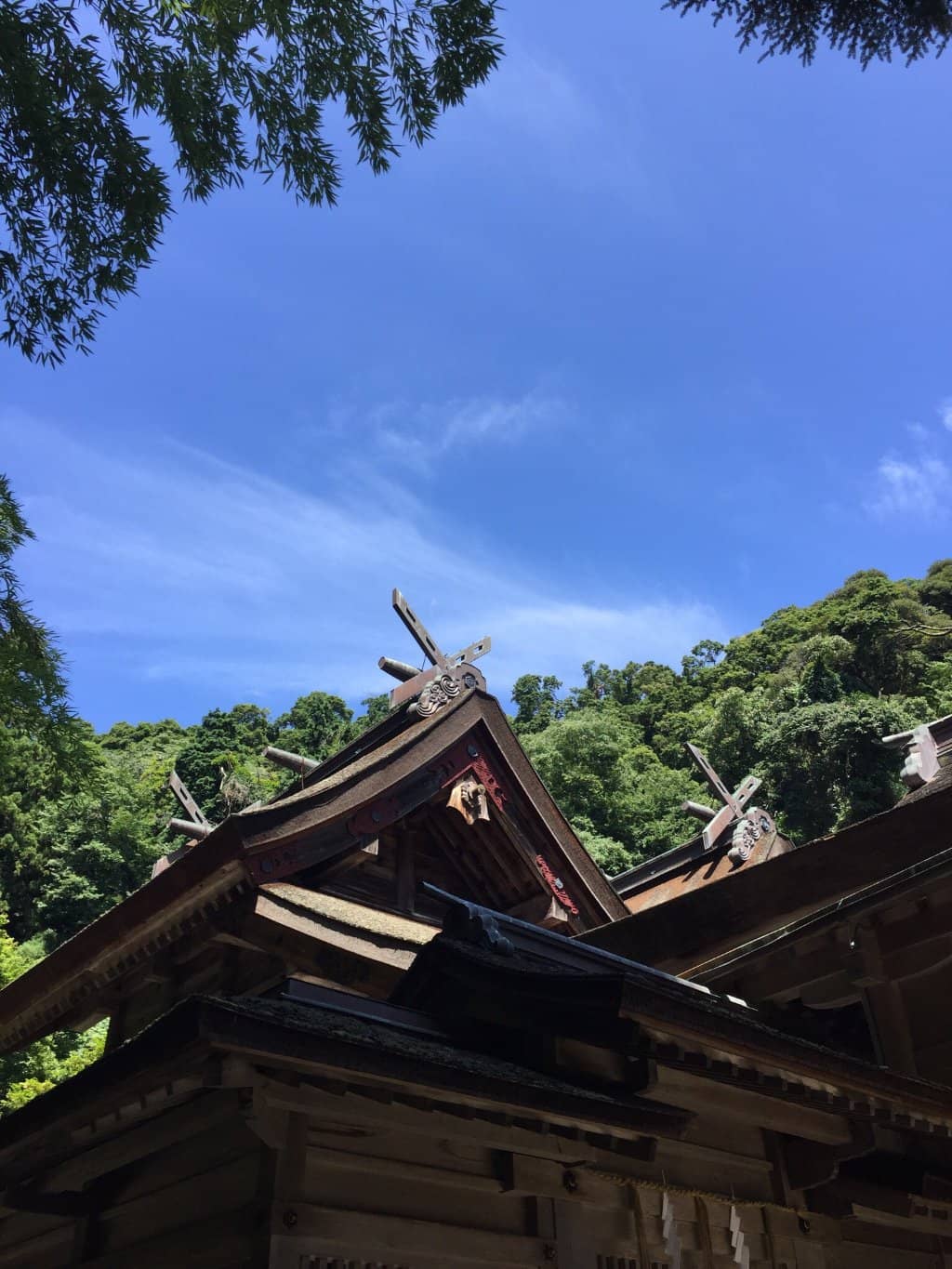
Admire the shrine's parallel main halls, a rare architectural style in Japan.
What Travellers Say
Reviews Summary
Visitors praise the Oki Islands, particularly Miho Shrine, for its tranquil atmosphere, unique architectural style, and the fascinating collection of historical musical instruments. The beautiful coastal scenery, especially at sunset, is another highlight. However, some note that transportation to and around the islands can be inconvenient, requiring careful planning.
"Although transportation here isn't particularly convenient, it is indeed a tranquil and beautiful shrine.
It is situated in a fishing village, facing the coast, with not many tourists around, so you can enjoy a very comfortable and relaxing time, and purchase the 御守here as a memento. Especially at sunset, there is a very beautiful coastal scenery along the way."
ChungChung Bao
"Miho Shrine (美保神社) is a serene and captivating destination steeped in Shinto tradition. Nestled in a charming area with lush surroundings and the gentle sound of the sea nearby, it exudes a peaceful atmosphere perfect for a reflective visit. The main shrine building is beautifully crafted, showcasing traditional architecture that reflects its centuries-old history. The grounds are well-maintained, inviting visitors to take a leisurely stroll and soak in the cultural richness.
I recommend visiting in the early morning for a quieter experience and to see the first light illuminating the shrine. Don't forget to explore the nearby scenic paths along the coastline for a full, enchanting day. Truly a must-visit for those seeking both spiritual and cultural insights in Japan."
Elias Chelala (Chewy)
"It's a beautiful peaceful shrine, kind of like a mini Izumo Taisha. No admission fee and the town streets are lovely to stroll through. The public transport is limited and a bit tricky to initially understand to get out there, but very fast and efficient once you actually do it. But do research it or have you kind hotel staff help you out to get there. I think that's what made it easier for me than, perhaps, others."
W Fowler
What People Like
What People Dislike
Frequently Asked Questions
🚇 🗺️ Getting There
Getting to the Oki Islands typically involves a ferry from ports like Sakaiminato or Tottori, or a flight to Oki Airport (OKI). For a day trip, ferries are common, but check schedules carefully as they can be limited. The journey itself offers scenic views of the Sea of Japan.
Transportation on the islands can be less convenient than on the mainland. Renting a car or scooter is often recommended for flexibility, especially if you plan to visit multiple spots. Local buses are available but may have infrequent service.
Miho Shrine is located near Mihonoseki Cape. If you're on the main island, you might take a bus or taxi from a ferry terminal or airport. Consider combining your visit with other nearby attractions on the cape.
Direct transport is limited. You'll likely need to travel to a ferry port like Sakaiminato first. Flights are available to Oki Airport, but often require a connection. Planning your route in advance is crucial.
A day trip to the Oki Islands involves significant travel time due to ferry or flight durations. Factor in at least 2-3 hours each way for ferry travel, plus time to reach the port. Flights are quicker but may involve airport procedures.
🎫 🎫 Tickets & Entry
Miho Shrine itself is generally free to enter. However, there might be fees for specific areas or events within the shrine grounds. It's always a good idea to check for any admission requirements upon arrival.
Shrines in Japan typically do not have strict closing hours for their grounds, allowing visitors to enter at most times. However, the main buildings and any associated museums or shops will have specific operating hours. It's best to visit during daylight hours for the full experience.
Miho Shrine is known for events like 'Tokaebisu,' a festival praying for prosperous business. Checking the shrine's official calendar or local tourism information can help you plan your visit around these unique cultural experiences.
Yes, you can purchase souvenirs, including Omamori (charms), at Miho Shrine. These make for meaningful mementos of your visit to this culturally rich site.
While the shrine grounds are usually free, there might be a separate admission fee for specific exhibits, such as the collection of historical musical instruments. Inquire locally for the most up-to-date information on any associated costs.
🎫 🧭 Onsite Experience
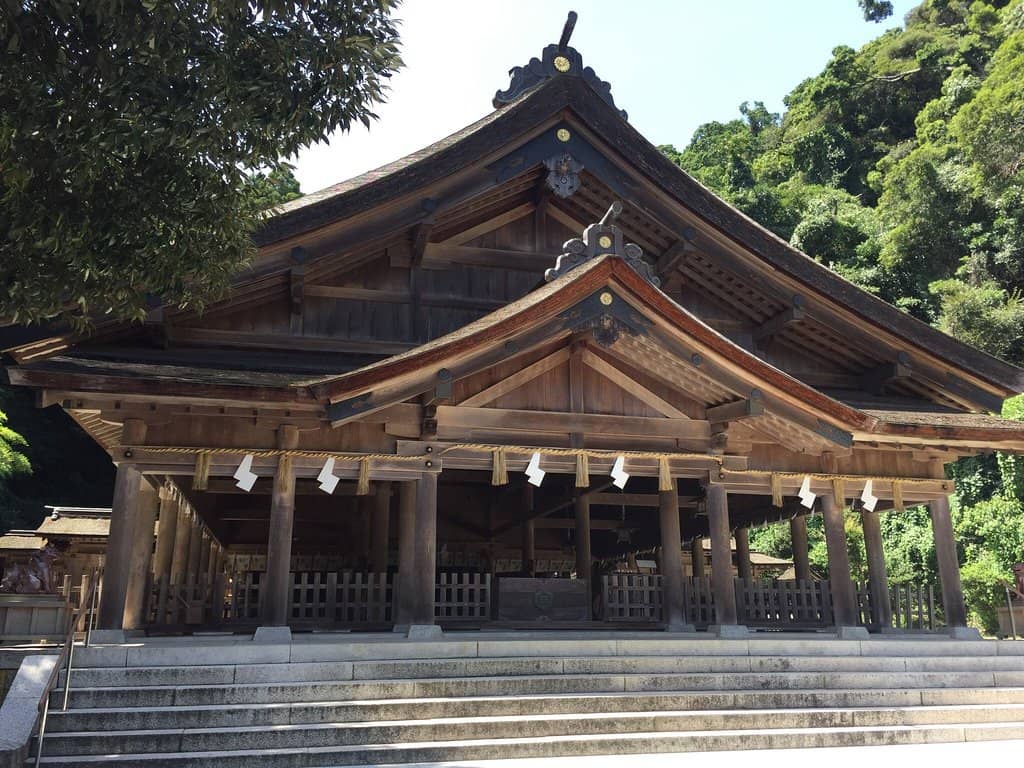
At Miho Shrine, you can admire its unique parallel main halls, explore the grounds, and marvel at the collection of over 800 historical musical instruments. The shrine is dedicated to Ebisu, the god of wealth and music, and offers a peaceful atmosphere.
Miho Shrine is architecturally unique due to its two main halls connected in parallel, a style rarely seen in Japan. The prayer hall in front resembles a medieval boat hanger, adding to its distinctive character.
Occasionally, Miho Shrine hosts mystic Shinto ceremonies, which may involve drumming and flute playing, and ritualistic dances. Witnessing these ceremonies can be a profound cultural experience.
Miho Shrine is the head shrine for Ebisu, the Shinto god of seafaring, good harvests, wealth, and music. The shrine is believed to be linked to the first fishing expedition in mythology, and Ebisu is often depicted with a fishing rod and sea bream.
Miho Shrine is located near Mihonoseki Cape, which offers beautiful coastal scenery, especially at sunset. You can also explore the charming fishing village and enjoy the tranquil surroundings.
📸 📸 Photography
The unique parallel architecture of the main halls, the serene shrine grounds, and the coastal views near Mihonoseki Cape are prime photography spots. The musical instruments collection also offers interesting visual details.
Photography is generally allowed on the shrine grounds, but it's always respectful to check for any specific restrictions, especially inside prayer halls or during ceremonies. Be mindful of other visitors and avoid intrusive photography.
Early morning offers soft light and fewer crowds, ideal for capturing the shrine's tranquility. Sunset provides dramatic lighting for the coastal scenery around Mihonoseki Cape.
Look for depictions of Ebisu, often shown with a fishing rod and sea bream, which are common motifs at the shrine. The large collection of musical instruments also presents unique photographic subjects.
A versatile lens for landscapes and architectural details is useful. For sunset shots, a wide-angle lens can capture the expansive coastal views. A tripod can be beneficial for low-light photography during dawn or dusk.

Social
from TikTok, Instagram & Reddit