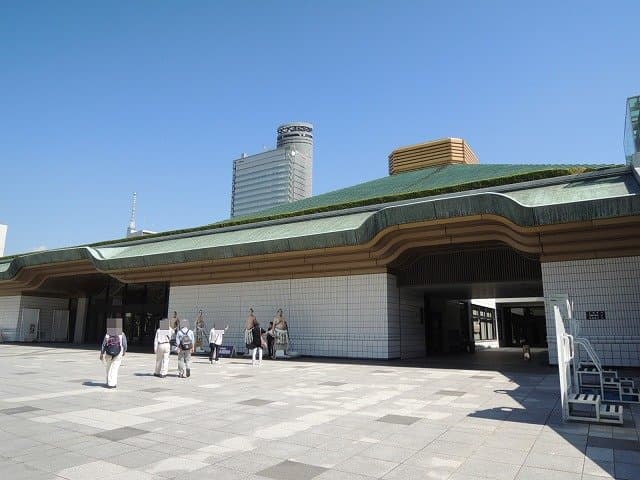
Sumo Museum Tokyo
Explore the heart of sumo culture at the Sumo Museum and Ryogoku Kokugikan, delving into the sport's history and traditions.

Highlights
Must-see attractions

Social
From TikTok & Reddit
Best Time
Experience the thrill of live sumo!
Sumo Museum Tokyo
Best Time
Experience the thrill of live sumo!
Highlights
Must-see attractions
Explore the heart of sumo culture at the Sumo Museum and Ryogoku Kokugikan, delving into the sport's history and traditions.
"A compact but insightful museum, perfect for a quick dive into sumo's rich heritage."
🎟️ Book Sumo Tickets Early
Sumo tournament tickets sell out fast! Try buysumotickets.com or Klook, but book well in advance.
🤏 Museum is Small
The Sumo Museum is tiny, plan for about 30 mins.
Quick Facts
Hours
Rating
3.9 · 1,059 reviews
Type
Museum
Highlights
Discover the most iconic attractions and experiences
Sumo Museum
Ryogoku Kokugikan
A compact but informative museum showcasing sumo history, artifacts, and memorabilia. A must-see for wrestling enthusiasts.

Ryogoku Kokugikan
Sumo Arena
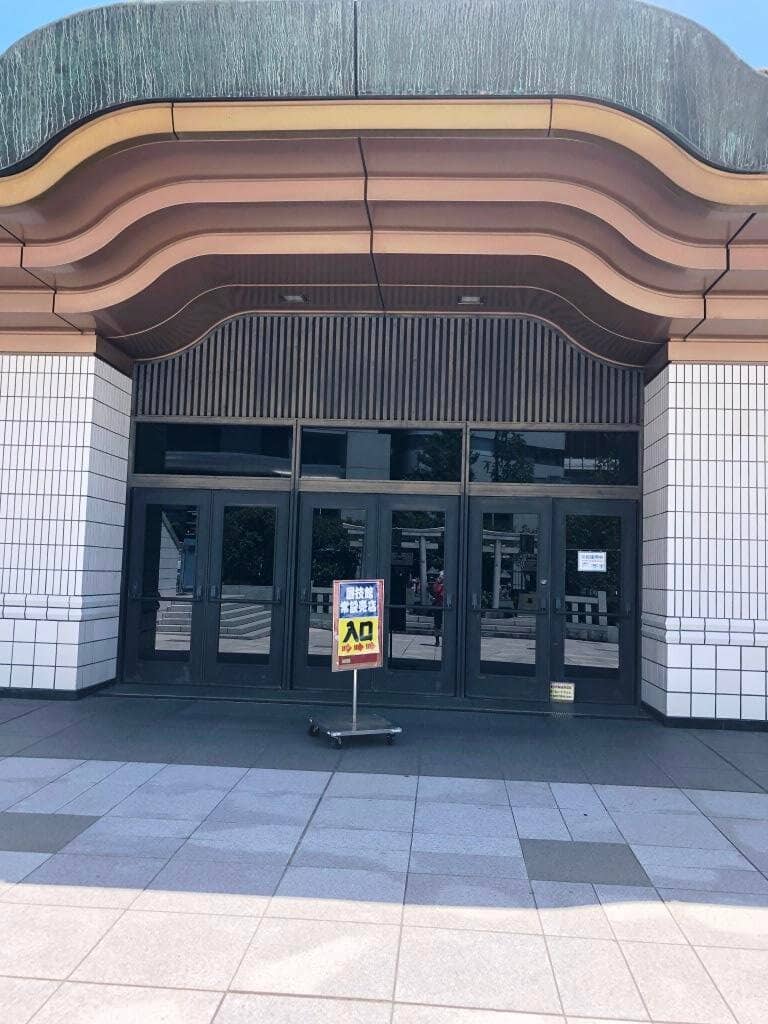
The iconic sumo stadium, even outside of tournament dates, offers a glimpse into the sport's grandeur and history.
Chankonabe Restaurants
Ryogoku Area
Savor the hearty stew eaten by sumo wrestlers. Many restaurants near the stadium offer this delicious and filling meal.
Plans like a pro.
Thinks like you
Planning Your Visit
Sumo Tournament Tickets
Sumo Museum Experience
Best Times
Insider Tips
from TikTok, Instagram & Reddit
🎟️ Book Sumo Tickets Early
Sumo tournament tickets sell out fast! Try buysumotickets.com or Klook, but book well in advance. +1
🤏 Museum is Small
The Sumo Museum is tiny, plan for about 30 mins.
🍲 Try Chankonabe
Enjoy the wrestlers' hearty stew at restaurants near the stadium.
👀 Watch Practice Sessions
Some stables offer practice viewing. Check for stables with glass walls.
Tips
from all over the internet
🎟️ Book Sumo Tickets Early
Sumo tournament tickets sell out fast! Try buysumotickets.com or Klook, but book well in advance. +1
🤏 Museum is Small
The Sumo Museum is tiny, plan for about 30 mins.
🍲 Try Chankonabe
Enjoy the wrestlers' hearty stew at restaurants near the stadium.
👀 Watch Practice Sessions
Some stables offer practice viewing. Check for stables with glass walls.
🚶 Explore Ryogoku Station
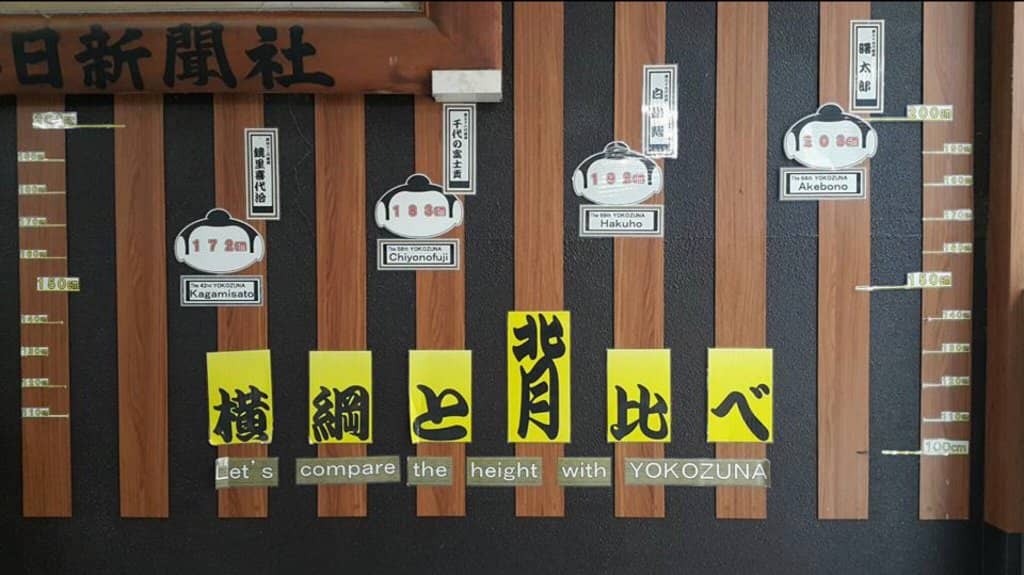
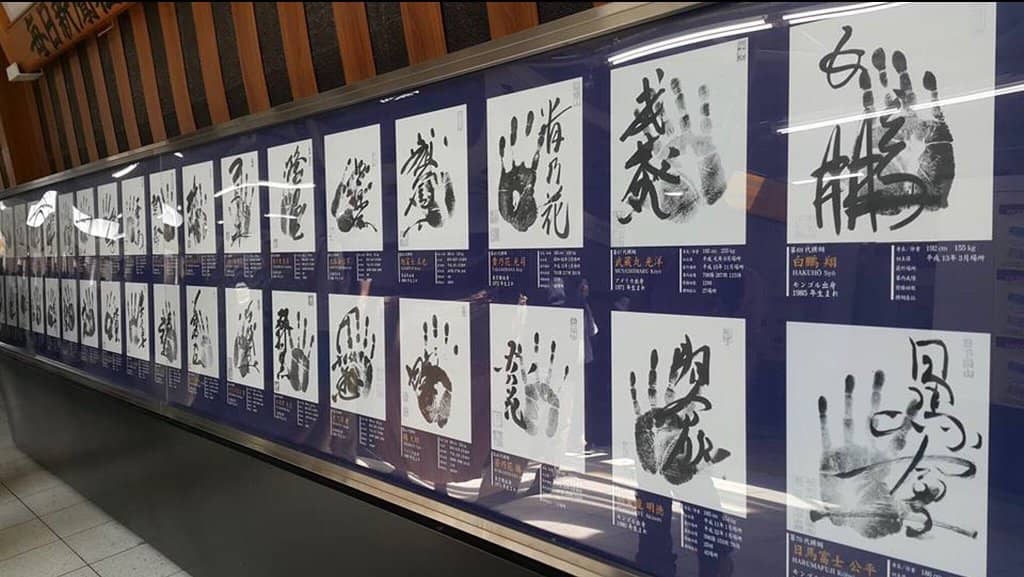
See Yokozuna portraits and handprints, and a dohyo in the mall.
What Travellers Say
Reviews Summary
Visitors generally find the Sumo Museum to be a small but informative stop, offering a quick dive into sumo's rich history. While the museum itself is compact, the surrounding Ryogoku area provides a more immersive cultural experience with chankonabe restaurants and sumo-themed attractions. The main draw for many remains the excitement of sumo tournaments, though securing tickets can be a significant challenge.
"Great museum, a bit small as there is only one exhibition hall but contains a vast amount of information on Sumo, the arena and the sport's history. There are some interactive exhibits too and a lot of memorabilia, really recommend it if you're nearby and if you're a sumo fan!"
Alexandra
"It's not really a museum, more of a display of photos of sumo wrestlers who have won championships and some trophies. We walked round slowly, looked at everything, and we're done in 20 minutes. We'd love to have seen more information on the history of sumo."
Georgina Young
"Great experience and history of sumo. You might even catch a few wrestlers in training going out for lunch"
Ricky Batista
What People Like
What People Dislike
Frequently Asked Questions
🚇 🗺️ Getting There
The Sumo Museum is located within the Ryogoku Kokugikan. The easiest way to get there is by taking the JR Sobu Line to Ryogoku Station or the Toei Oedo Line to Ryogoku Station. Both stations are a short walk from the stadium.
Yes, Ryogoku Kokugikan is very accessible by public transport. It's a short walk from Ryogoku Station on the JR Sobu Line and the Toei Oedo Line.
Yes, the Sumo Museum is generally open even when there are no tournaments. However, it's always a good idea to check the official website for the most up-to-date opening hours and any special closures.
From Narita Airport, you can take the Narita Express to Tokyo Station and then transfer to the JR Sobu Line to Ryogoku Station. Alternatively, you can take a limousine bus directly to the Ryogoku area. The trip can take 60-90 minutes.
The JR Sobu Line and the Toei Oedo Line both serve Ryogoku Station, making it convenient to reach the Sumo Museum from various parts of Tokyo.
🎫 🎫 Tickets & Entry
Sumo tournament tickets are highly sought after and often sell out quickly. Official sales begin months in advance. You can try reputable resale sites like buysumotickets.com or Klook, but be prepared for higher prices and book as early as possible. +2
Yes, tickets for major sumo tournaments, especially in Tokyo, are notoriously difficult to obtain due to high demand. It's crucial to plan and purchase them well in advance. +1
Ticket prices vary depending on the seating location and the day of the tournament. Expect prices to range from a few thousand yen for less desirable seats to tens of thousands of yen for premium boxes. Resale prices can be significantly higher.
It is highly unlikely to get tickets on the day of the event, especially for popular tournaments. Most tickets are sold in advance, and any remaining ones are usually snapped up quickly.
The Ryogoku Kokugikan has a seating capacity of around 11,000 spectators. This contributes to the high demand for tickets during tournaments.
🎫 🤼 Onsite Experience
The Sumo Museum is relatively small and features exhibits on sumo history, including historical mawashi (loincloths), ceremonial items, and photographs of past champions. It offers a quick but insightful look into the sport's heritage.
Yes, some sumo stables (beya) allow visitors to watch morning practice sessions, often through a glass wall. You might need to book a tour or check specific stable schedules.
Near the Sumo Museum, you can explore Ryogoku Kokugikan itself, dine at chankonabe restaurants, and visit the Ryogoku station area which features sumo-themed art and a dohyo replica. +1
Yes, there are souvenir shops within the Ryogoku Kokugikan where you can purchase sumo-related merchandise, including items not easily found elsewhere. It's recommended to buy early.
Chankonabe is a hearty, protein-rich stew traditionally eaten by sumo wrestlers to gain weight and strength. Many restaurants in the Ryogoku area, particularly near the Kokugikan, specialize in serving delicious chankonabe.
📸 📸 Photography
Photography policies can vary, but generally, photography is allowed in the Sumo Museum, though flash photography might be restricted. It's always best to check for signage or ask staff.
During actual sumo matches, photography rules can be strict. Often, non-flash photography is permitted, but it's essential to check the specific regulations for the event you are attending.
Good photo opportunities include the exterior of the Ryogoku Kokugikan, the sumo-themed art and dohyo replica at Ryogoku Station, and potentially candid shots of wrestlers arriving or departing on tournament days.
While the Sumo Museum focuses on sumo, there are often temporary exhibitions or related events. For Snoopy-themed experiences, you might need to look for dedicated Snoopy museums or events in Tokyo, as this is a Sumo Museum. 
Visitors often share photos of the historical sumo artifacts, displays of past champions, and the overall atmosphere of the museum.
You may also like

Kawagoe Kurazukuri District Tokyo

Shibuya Sky

Kyu-Iwasaki-tei Gardens Tokyo

Ryogoku Kokugikan Tokyo

Tokyo Station Marunouchi Building

Edo-Tokyo Museum
Kawagoe Kurazukuri District Tokyo
Shibuya Sky
Kyu-Iwasaki-tei Gardens Tokyo
Ryogoku Kokugikan Tokyo
Tokyo Station Marunouchi Building
Edo-Tokyo Museum

TeamLab Planets TOKYO

Zoshigaya Cemetery Tokyo

Kiyosumi Gardens Tokyo

Sumida Hokusai Museum Tokyo

Tokyo Metropolitan Government Building Observatories Tokyo

Social
from TikTok, Instagram & Reddit