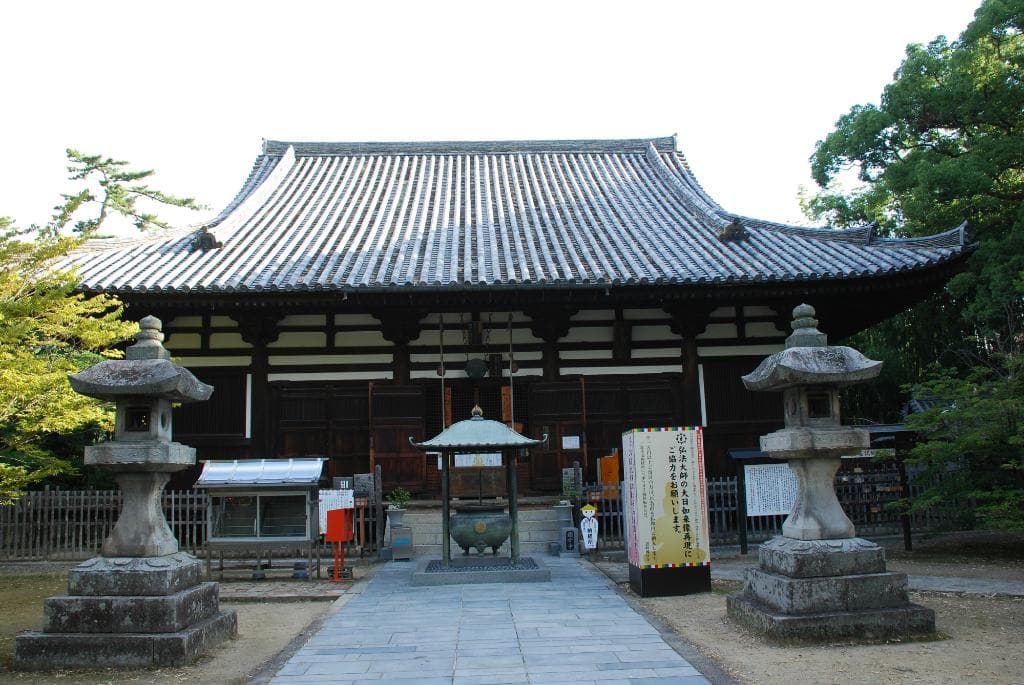
Kokubun-ji No. 80 Shikoku
A serene Buddhist temple and historic site, offering a peaceful respite and a glimpse into ancient Japanese history.
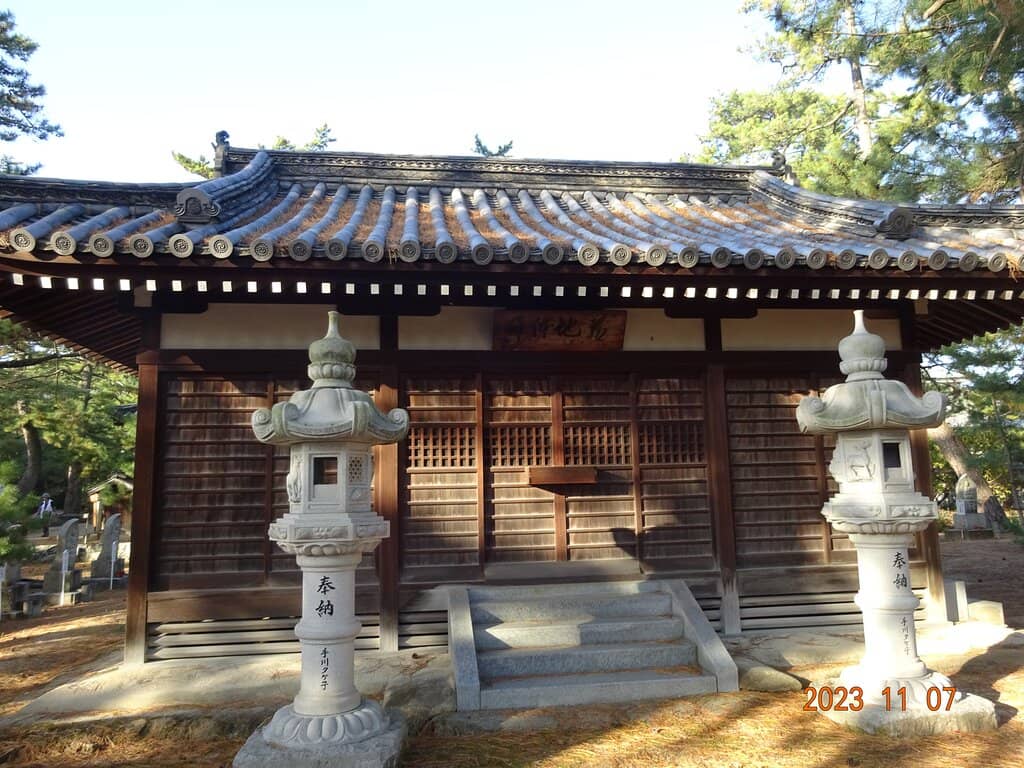
Highlights
Must-see attractions

Social
From TikTok & Reddit
Best Time
Quieter atmosphere
Kokubun-ji No. 80 Shikoku
Best Time
Quieter atmosphere
Highlights
Must-see attractions
A serene Buddhist temple and historic site, offering a peaceful respite and a glimpse into ancient Japanese history.
"A charming temple with a rich history, perfect for pilgrims and history buffs alike."
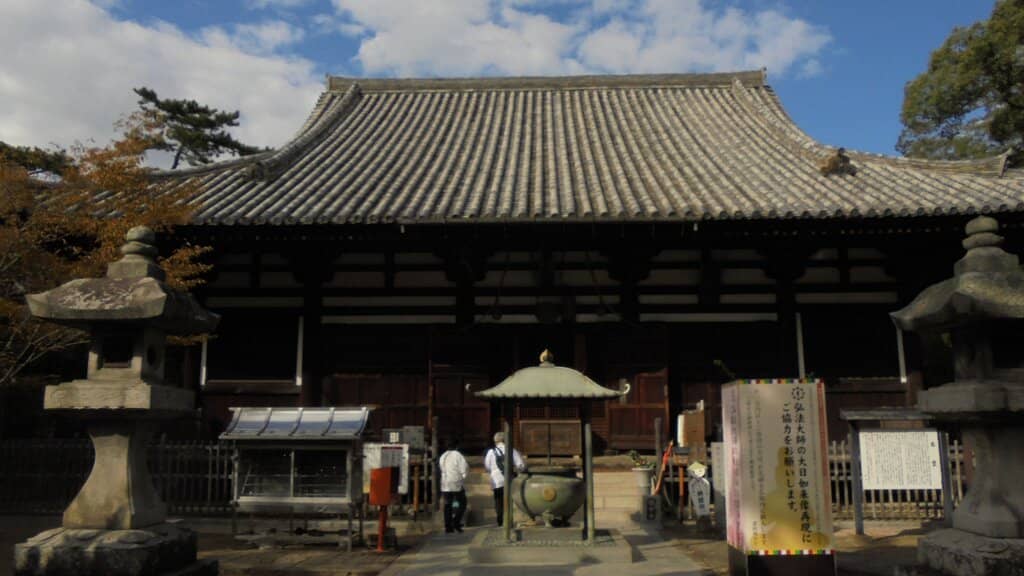
Pilgrim's Respite
A great spot for Henro pilgrims to rest, restock supplies, and find souvenirs. :shopping_bags:
Historical Significance
Don't miss the 'Sanuki Kokubunji Ruins,' the only special historic site in Shikoku. 📜
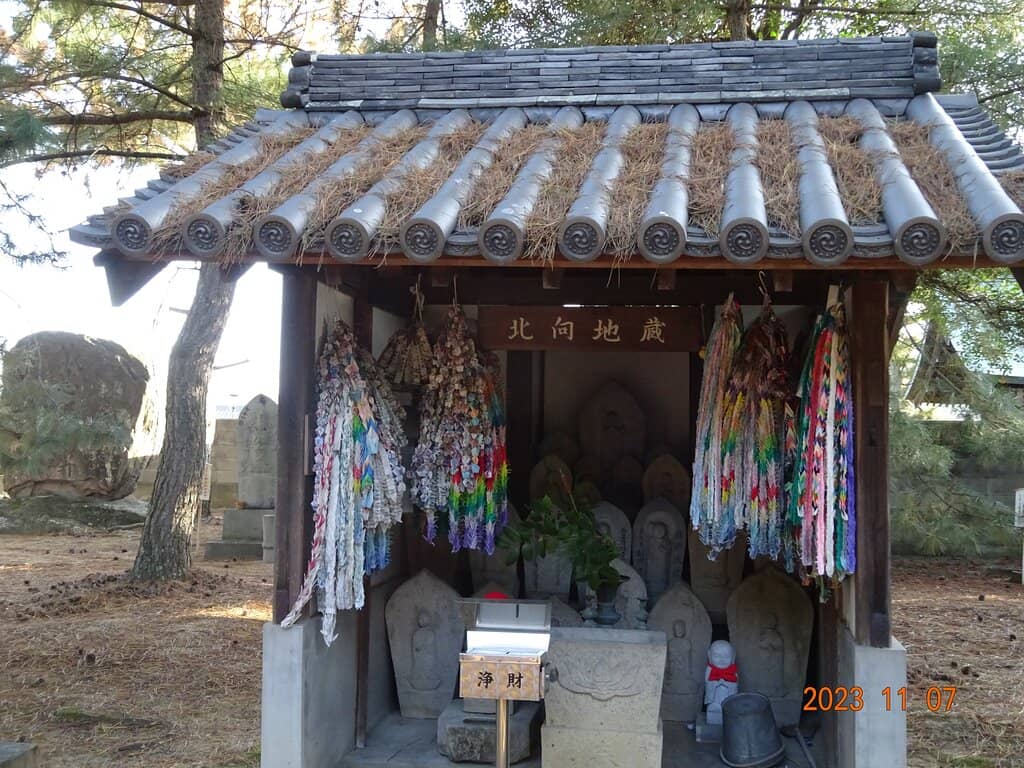
Quick Facts
Hours
Rating
4 · 661 reviews
Type
Place of Worship
Highlights
Discover the most iconic attractions and experiences
Nara Period Ruins
Former temple grounds
Explore the foundation stones of the original Nara period temple complex, including the main hall and pagoda. A rare historical treasure.
Eleven-Headed Kannon
Main Hall
Marvel at the impressive 16-foot statue of Kannon Bodhisattva housed within the immaculately maintained main hall. A truly gorgeous sight.
Buddha Foot Stone
Sacred Ground
Touch the Buddha foot stone for a blessing and ring the bronze bell (100 Dan) for a moment of spiritual connection.
Plans like a pro.
Thinks like you
Planning Your Visit
Embrace the Serenity
Discover Ancient Roots
Best Times
Insider Tips
from TikTok, Instagram & Reddit
Pilgrim's Respite
A great spot for Henro pilgrims to rest, restock supplies, and find souvenirs. :shopping_bags:
Historical Significance
Don't miss the 'Sanuki Kokubunji Ruins,' the only special historic site in Shikoku. 📜
Tranquil Atmosphere
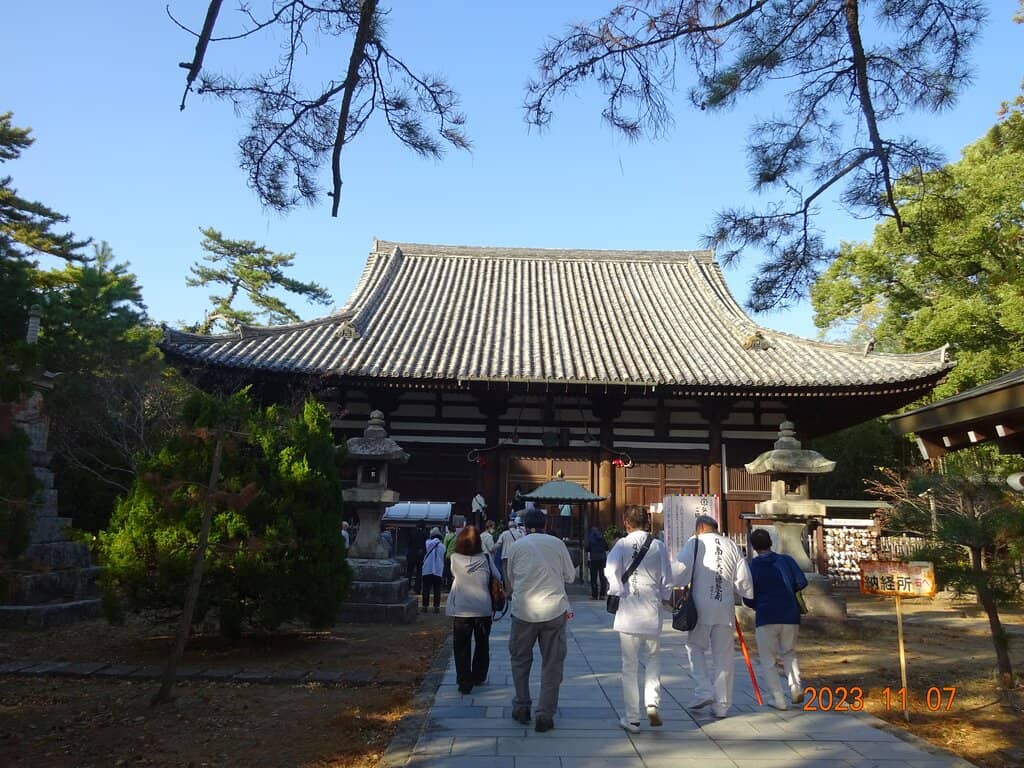
Enjoy the serene setting with mature trees and a dignified atmosphere. Perfect for quiet contemplation. :evergreen_tree:
Kannon Statue
The 16-foot Kannon statue in the main hall is a must-see, offering a gorgeous and spiritual experience. :statueofliberty:
Tips
from all over the internet
Pilgrim's Respite
A great spot for Henro pilgrims to rest, restock supplies, and find souvenirs. :shopping_bags:
Historical Significance
Don't miss the 'Sanuki Kokubunji Ruins,' the only special historic site in Shikoku. 📜
Tranquil Atmosphere
Enjoy the serene setting with mature trees and a dignified atmosphere. Perfect for quiet contemplation. :evergreen_tree:
Kannon Statue
The 16-foot Kannon statue in the main hall is a must-see, offering a gorgeous and spiritual experience. :statueofliberty:
What Travellers Say
Reviews Summary
Visitors find Kokubun-ji No. 80 to be a charming and well-maintained temple, particularly appreciated by Shikoku Pilgrimage participants for its rest areas and supplies. The historical significance of the ancient ruins and the impressive Kannon statue are frequently highlighted as major draws, offering a serene and spiritual experience.
"Very charming temple, offers rest areas after a long walk. A great stop before climbing up the mountain during the Henro. Offers a wide selection of Henro gear and ornaments. Very well maintained."
Ulysse Levallois
"This is a beautiful area to explore and enjoy. The temples seem a little subdued, but if you come to the main temple a 16 foot statue of Kannon is within. That alone will be worth the trip. Gorgeous."
Inbound Kagawa
"The main hall is located beyond the beautiful rows of pine trees.
The entire former grounds have been designated a special national historic site as the "Sanuki Kokubunji Ruins." It is the only special historic site in Shikoku. The foundation stones of the Nara period temple complex remain in good condition, and you can see the remains of the main hall and seven-story pagoda. The current main hall was built on the site of a lecture hall from the Nara period, and its foundation stones have been reused."
Tiger
What People Like
What People Dislike
Frequently Asked Questions
🚇 🗺️ Getting There
Kokubun-ji No. 80 is conveniently located on flat ground in Takamatsu City, making it easily accessible. It's a quick commute from the city center. You can typically reach it by local bus or a short taxi ride.
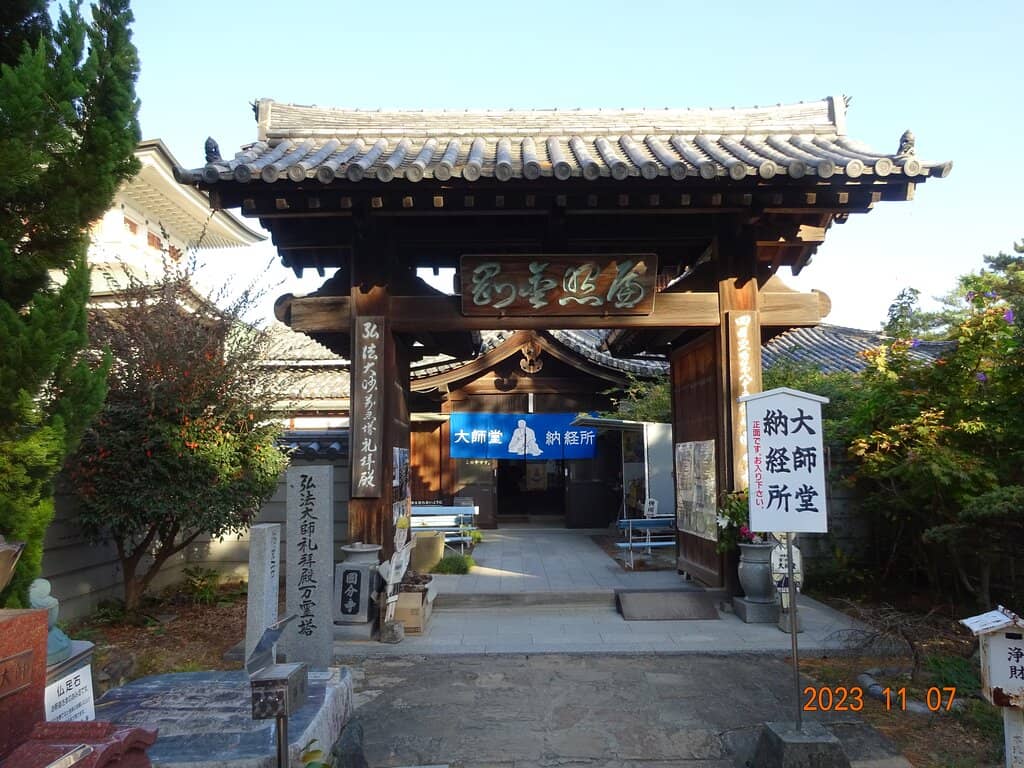
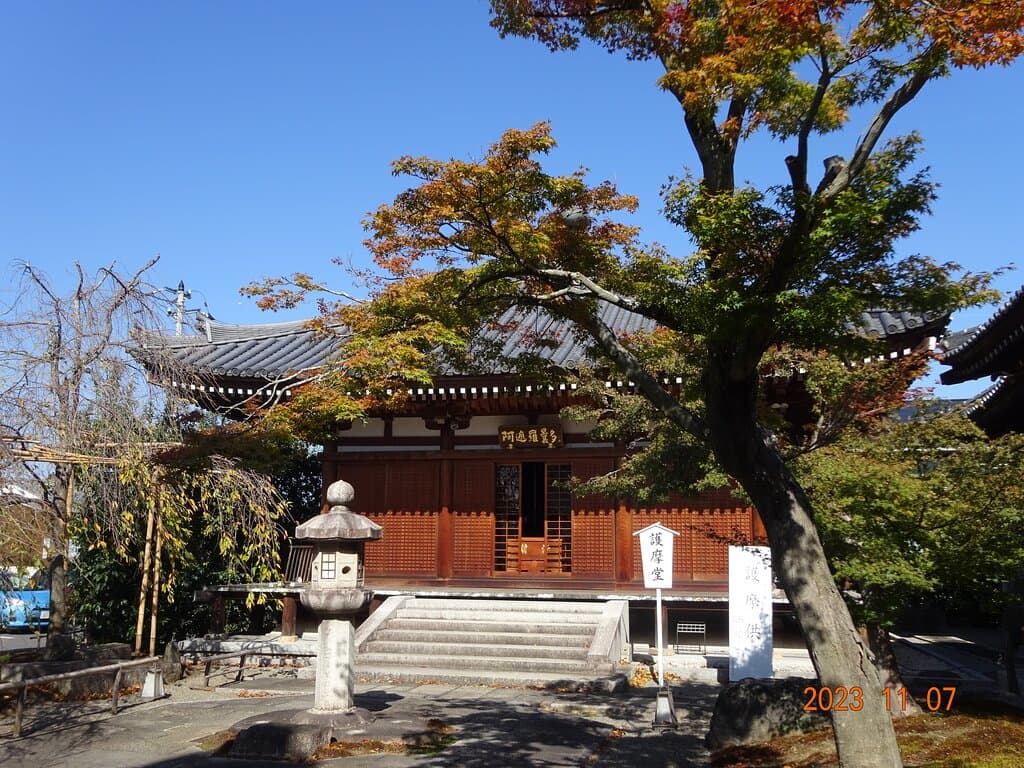
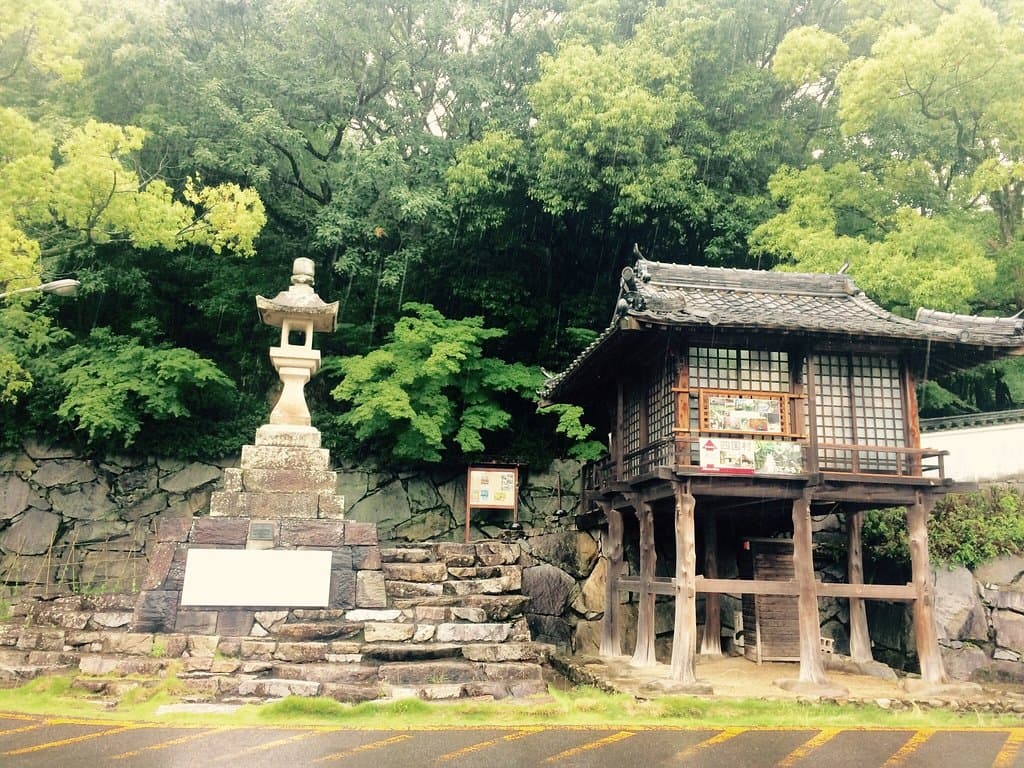
Yes, the temple entrance is a simple gate, and the route is straightforward, lined with stone lanterns and trees, creating a tranquil atmosphere.
For Henro stops like Kokubun-ji No. 80, many pilgrims walk, but local buses and trains are available for longer distances or to bypass challenging sections.
🎫 🎫 Tickets & Entry
There is a small admission fee of 200 Yen to enter the area where the sutras are stored and to see the statue of Master Kukai.
While specific hours aren't always listed, temples on the Shikoku Pilgrimage are generally accessible during daylight hours. It's best to visit during the day for the full experience.
Yes, this temple is known to offer a wide selection of Henro gear and ornaments, making it a convenient stop for pilgrims.
🎫 🧭 Onsite Experience
You can explore the foundation stones of the ancient Nara period temple complex, see the remains of the main hall and pagoda, admire the 16-foot Kannon statue, and touch the Buddha foot stone.
Absolutely. The temple grounds are well-maintained with mature trees and flowers, offering a simple, dignified, and peaceful atmosphere for rest and contemplation.
These ruins are designated as a special national historic site and are the only one of their kind in Shikoku, preserving the foundation stones of the original Nara period temple complex.
Photography is generally allowed on the temple grounds, but there is a specific mention that photos are not permitted in the place where the sutras are stored, where Master Kukai's statue is located.
The atmosphere is described as peaceful and solemn, especially when worshipping. It offers a more intimate experience compared to larger mountain temples.
🍽️ 🍽️ Food & Dining
While the temple itself is focused on worship, the approach to the shrine often has shops offering local specialties. It's a good place to find a quick bite or a local treat.
Kotohira City, near Kokubun-ji No. 80, is known for its local specialties. Exploring the shops along the approach to shrines and temples is a good way to discover them.
📸 📸 Photography
Capture the serene approach lined with stone lanterns and trees, the historic foundation stones of the ancient ruins, and the impressive Kannon statue within the main hall.
While general photography is permitted, avoid taking pictures inside the sutra storage area where Master Kukai's statue is located.
The tranquil and historic nature of the temple lends itself well to contemplative and architectural photography. Focus on capturing the serene atmosphere and historical details.



Social
from TikTok, Instagram & Reddit