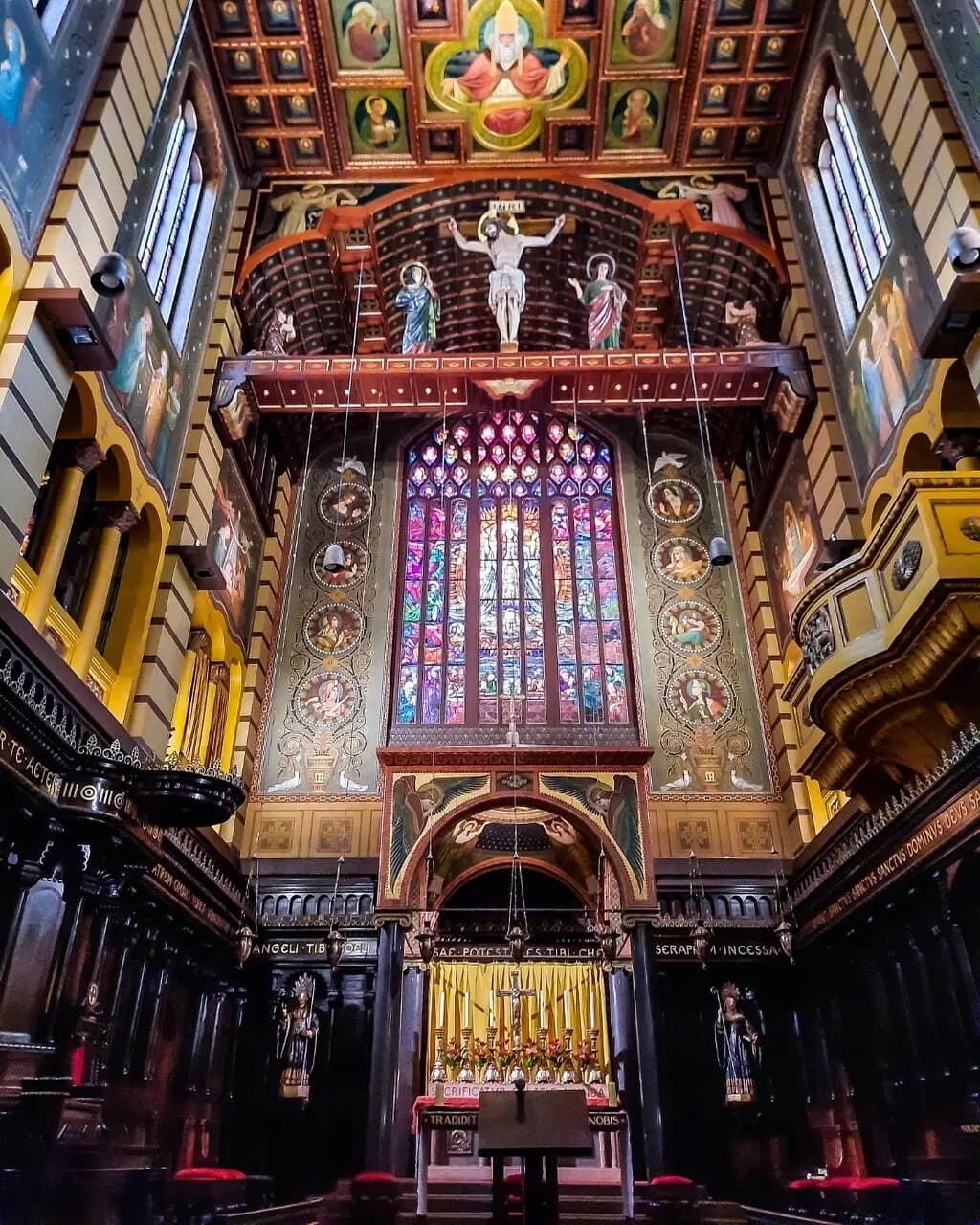
São Bento de Cástris Monastery
A grand Cistercian monastery in Évora, Portugal, showcasing 16th-century Gothic and Renaissance architecture with notable azulejo tiles.
Highlights
Must-see attractions

Social
From TikTok & Reddit
Best Time
Fewer crowds, peaceful atmosphere
São Bento de Cástris Monastery
Best Time
Fewer crowds, peaceful atmosphere
Highlights
Must-see attractions
A grand Cistercian monastery in Évora, Portugal, showcasing 16th-century Gothic and Renaissance architecture with notable azulejo tiles.
"A large and well-preserved Cistercian monastery, impressive even with ongoing repairs."
Check Accessibility First
Reconstruction may affect access. Confirm which areas are open before you go. :informationdeskperson:
Exterior Photo Ops
Photos are usually allowed outside. Inside, be respectful of rules and services. :camerawithflash:

Quick Facts
Rating
4.2 · 54 reviews
Type
Place of Worship
Highlights
Discover the most iconic attractions and experiences
Monastery Courtyard
Exterior grounds
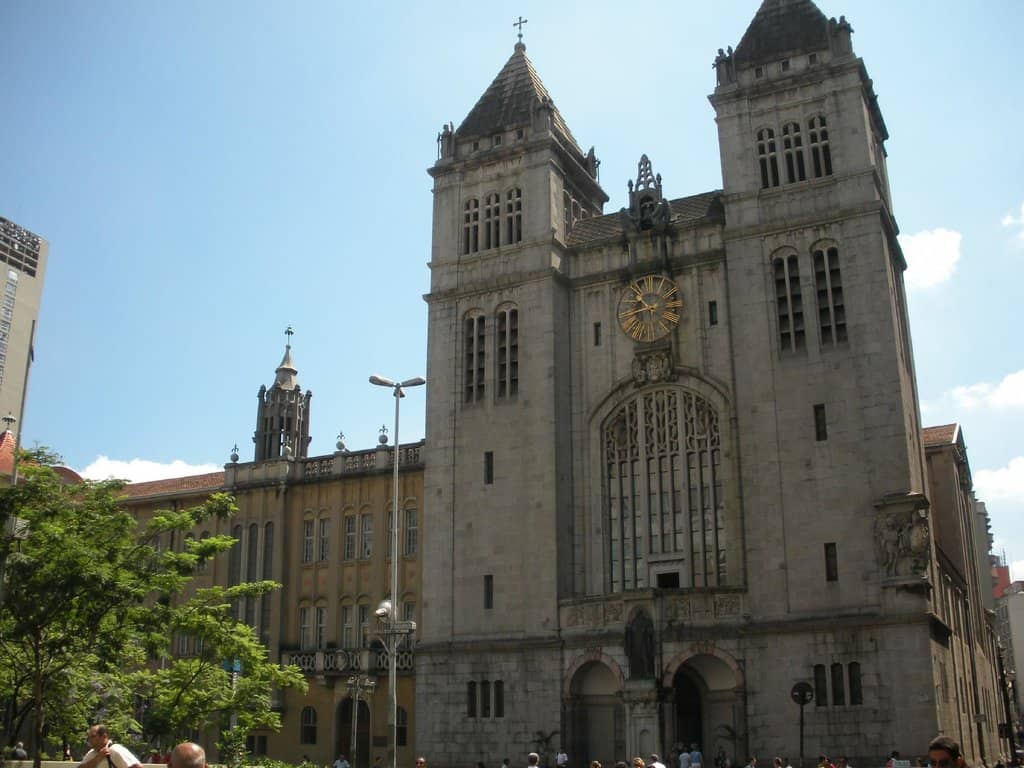
Explore the expansive courtyard, offering a glimpse into the monastery's historical grandeur and architectural details.
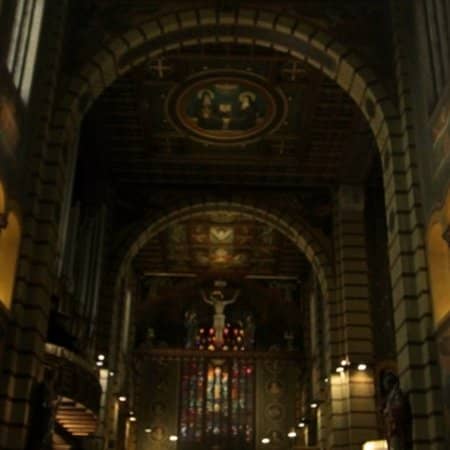
Chapel Interior
Main chapel
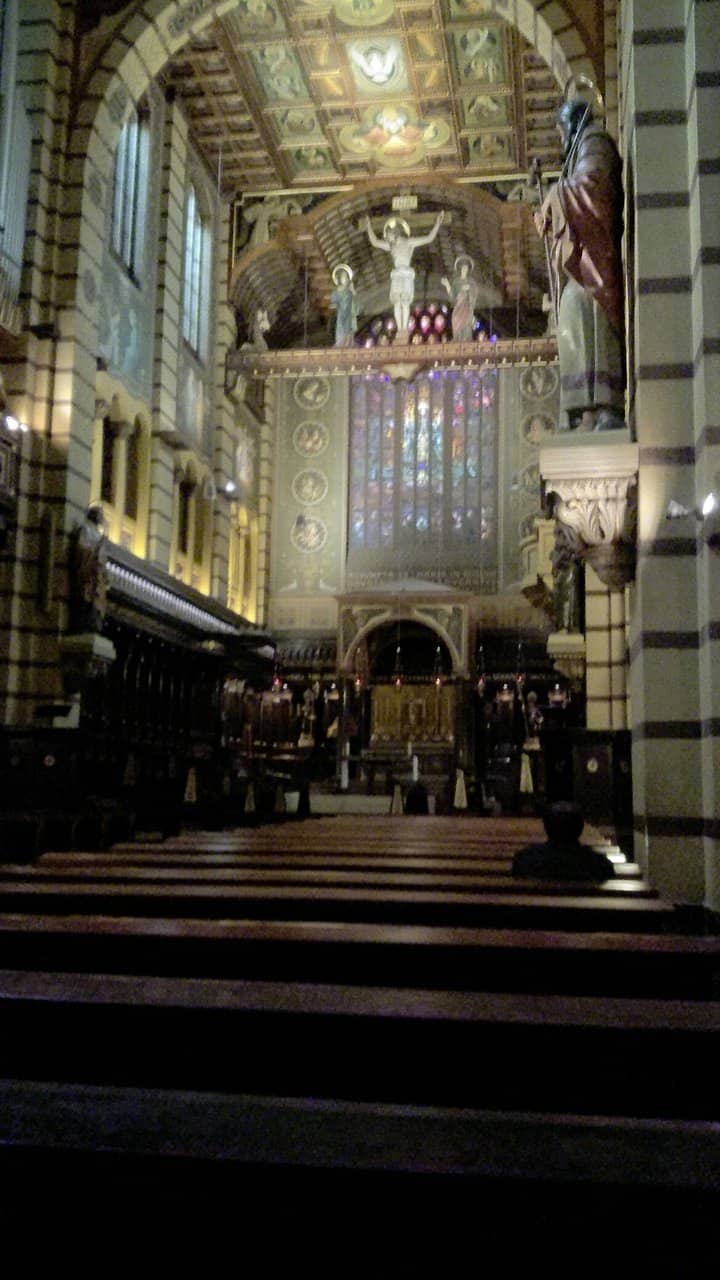
Admire the chapel's impressive azulejo tiles and vaulted ceilings, a testament to its rich artistic heritage.
Cistercian Architecture
Throughout the monastery
Appreciate the well-preserved Cistercian architecture, showcasing elements of Gothic and Renaissance styles.
Plans like a pro.
Thinks like you
Planning Your Visit
Timing Your Visit
Photography Etiquette
Best Times
Insider Tips
from TikTok, Instagram & Reddit
Check Accessibility First
Reconstruction may affect access. Confirm which areas are open before you go. :informationdeskperson:
Exterior Photo Ops
Photos are usually allowed outside. Inside, be respectful of rules and services. :camerawithflash:
Free Entry
Visiting the accessible parts of the monastery is typically free of charge. :moneywithwings:
Architectural Marvel
Admire the stunning 16th-century vaulted ceilings and azulejo tiles. :classical_building:
Tips
from all over the internet
Check Accessibility First
Reconstruction may affect access. Confirm which areas are open before you go. :informationdeskperson:
Exterior Photo Ops
Photos are usually allowed outside. Inside, be respectful of rules and services. :camerawithflash:
Free Entry
Visiting the accessible parts of the monastery is typically free of charge. :moneywithwings:
Architectural Marvel
Admire the stunning 16th-century vaulted ceilings and azulejo tiles. :classical_building:
Eventful Evenings
Look out for concerts or cultural events held here. :musical_score:
What Travellers Say
Reviews Summary
Visitors find the Monastery of São Bento de Cástris to be a historically significant and architecturally impressive site, particularly its well-preserved Cistercian design and interior chapel details. While access can be limited due to ongoing reconstruction, the exterior and courtyard offer a glimpse into its grandeur, and it's often appreciated as a free-to-visit historical monument.
"Nice place to visit for stop overs. It is also very old Covent.
You are allowed to take photos outside the church(convent) but inside nope.
The premises is huge place too.
You can have 20 mins visit and it is for free."
Dorene Joy Abelleja
"Be careful, some photos in Google are from Convent of the Carthusians. That is how Sao Bento looks like (I had a unique opportunity to enter there):"
Oleh Shpytko
"Great monument. Not currently available to visits."
Rui Barroso
What People Like
What People Dislike
Frequently Asked Questions
🚇 🗺️ Getting There
The monastery is located in Évora, Portugal. It's accessible by car, and there are often local buses or taxis available from the city center. If you're exploring the Rota de Cister, it's a key stop.
Parking availability can vary, especially during peak tourist seasons or events. It's advisable to check for nearby public parking lots or consider public transport if available.
Yes, the Monastery of São Bento de Cástris is often included in day trips to Évora and the surrounding Cistercian region. Plan your itinerary to include travel time.
🎫 🎫 Tickets & Entry
Generally, visiting the exterior and accessible parts of the monastery is free. However, for special events or if certain areas are open for guided tours, there might be a fee. Always check current access policies.
Opening hours can be inconsistent due to ongoing reconstruction. It's best to check local tourism websites or contact the monastery directly for the most up-to-date information on access.
The monastery has been undergoing repairs and reconstruction. While some areas like the courtyard and chapel might be accessible, full access may be limited. It's crucial to verify the current status before planning your visit.
Guided tours may be offered, especially during specific events or when reconstruction allows. Inquire locally or check for event schedules to see if tours are available during your visit.
📸 📸 Photography
Photography is typically allowed in the exterior areas. Inside the church or chapel, it's often restricted, especially during religious services. Be mindful of signage and respect the sacred space.
The courtyard offers great perspectives of the monastery's facade and architectural details. The chapel's interior, if accessible, is also a stunning subject with its azulejo tiles and vaulted ceilings.
Drone usage is generally restricted in historical and religious sites to preserve the atmosphere and prevent disturbances. It's best to assume drones are not permitted unless explicitly stated otherwise.
🎫 🏛️ History & Architecture
This large and well-preserved Cistercian monastery dates back to the 16th century, showcasing significant Gothic and Renaissance architectural elements. It's a key site on the Rota de Cister. 
The monastery features a blend of architectural styles, notably late Gothic and Renaissance, characteristic of Cistercian construction. Look for the impressive vaulted ceilings and intricate stonework.
Azulejos are Portuguese painted tin-glazed ceramic tiles, often used for decoration or storytelling. The chapel at São Bento de Cástris features beautiful examples of these tiles.
You may also like
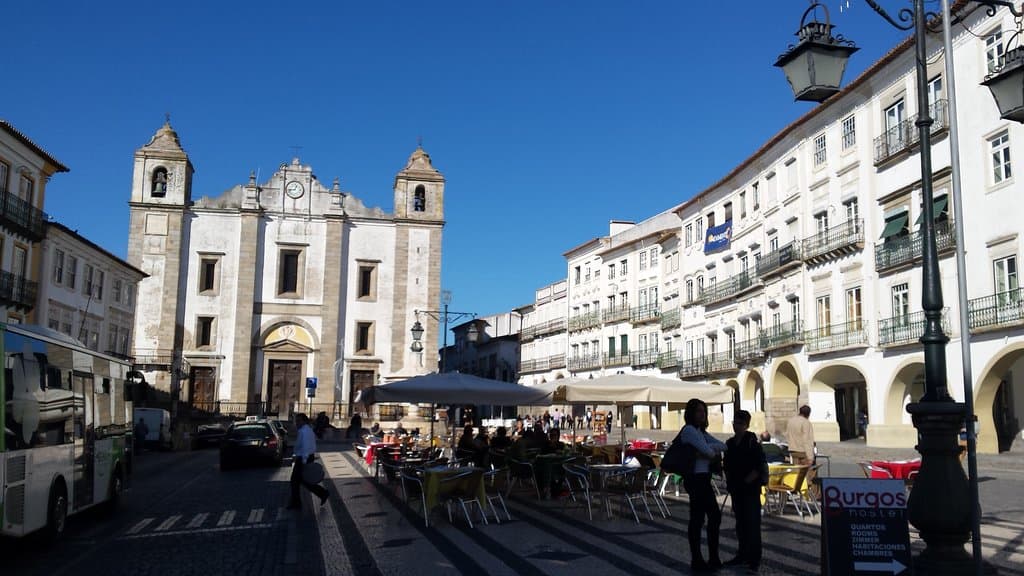
Évora Historic Centre

Igreja da Graça Convento da Graça
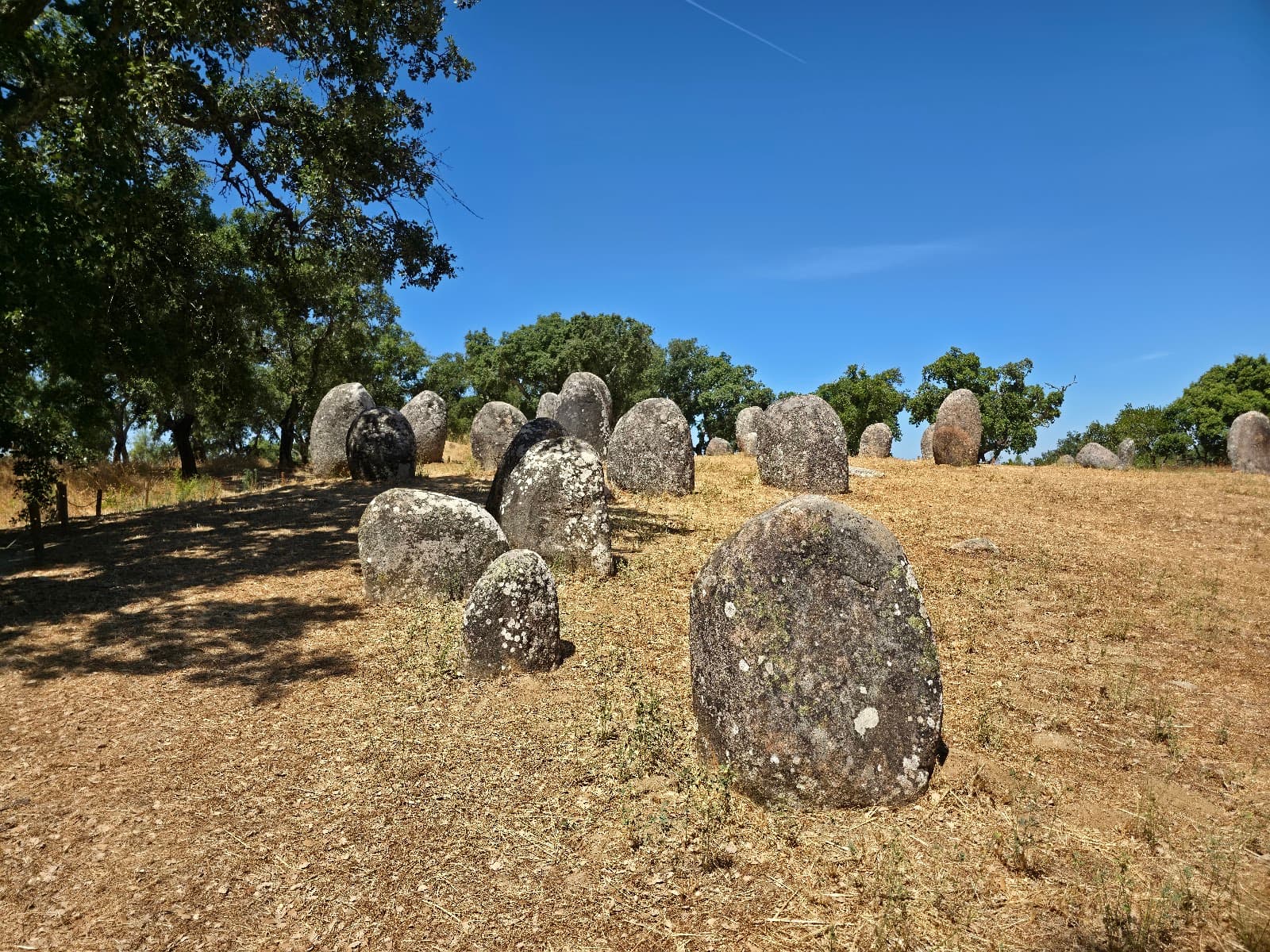
Cromeleque dos Almendres

Roman Baths Évora

Convento do Espinheiro Évora
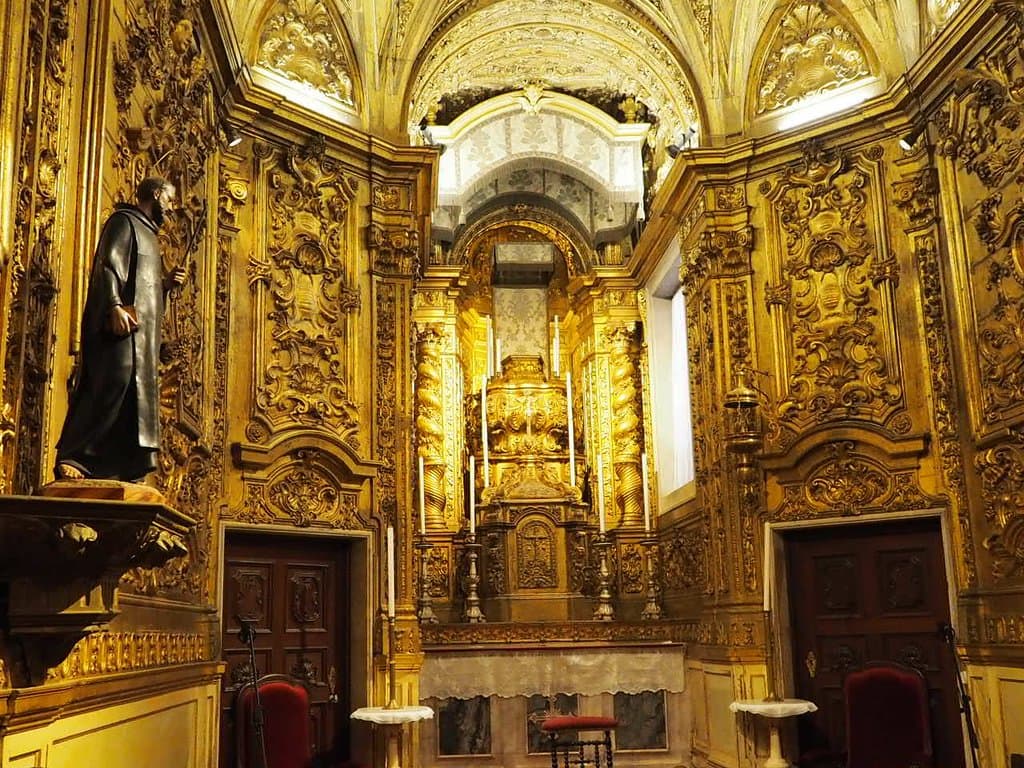
Évora Cathedral
Évora Historic Centre
Igreja da Graça Convento da Graça
Cromeleque dos Almendres
Roman Baths Évora
Convento do Espinheiro Évora
Évora Cathedral
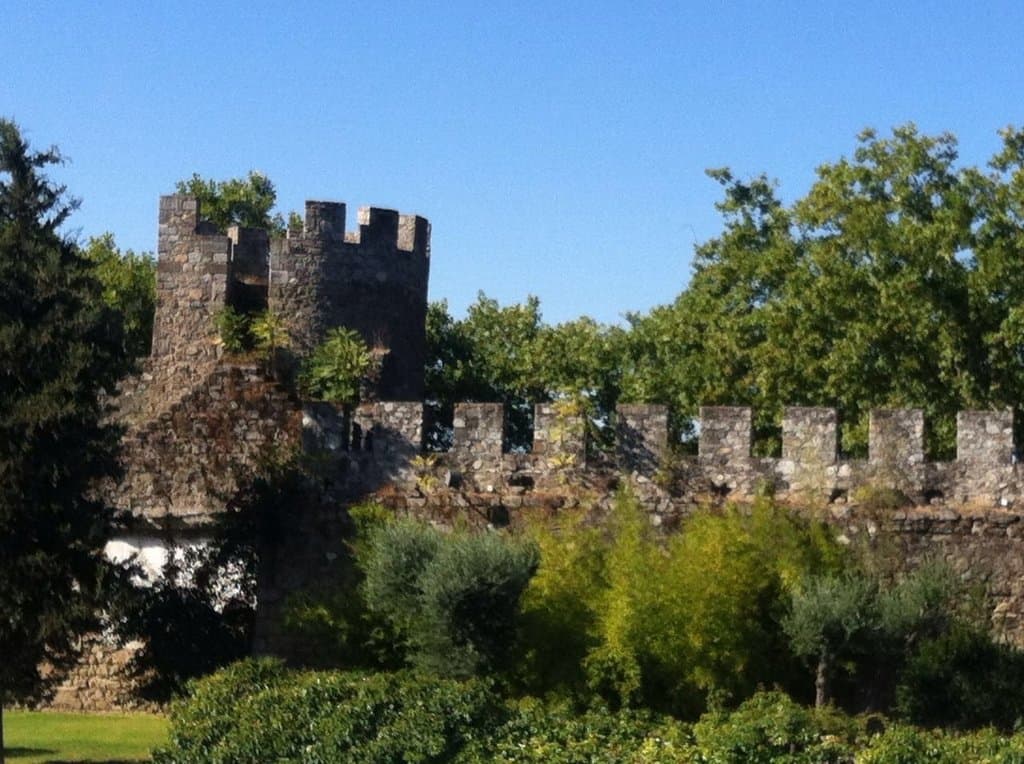
Évora Walls and Towers
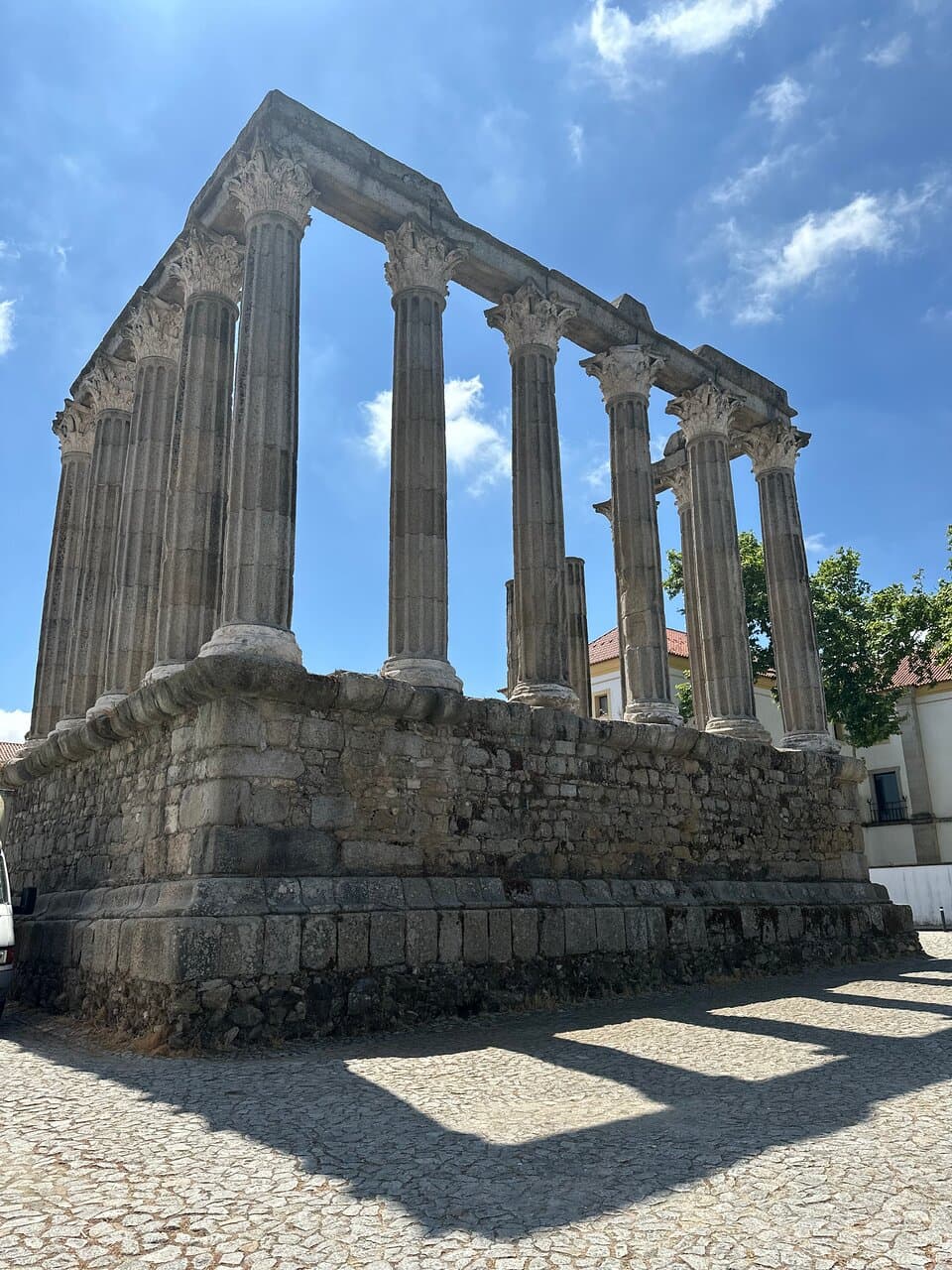
Palace of the Dukes of Cadaval
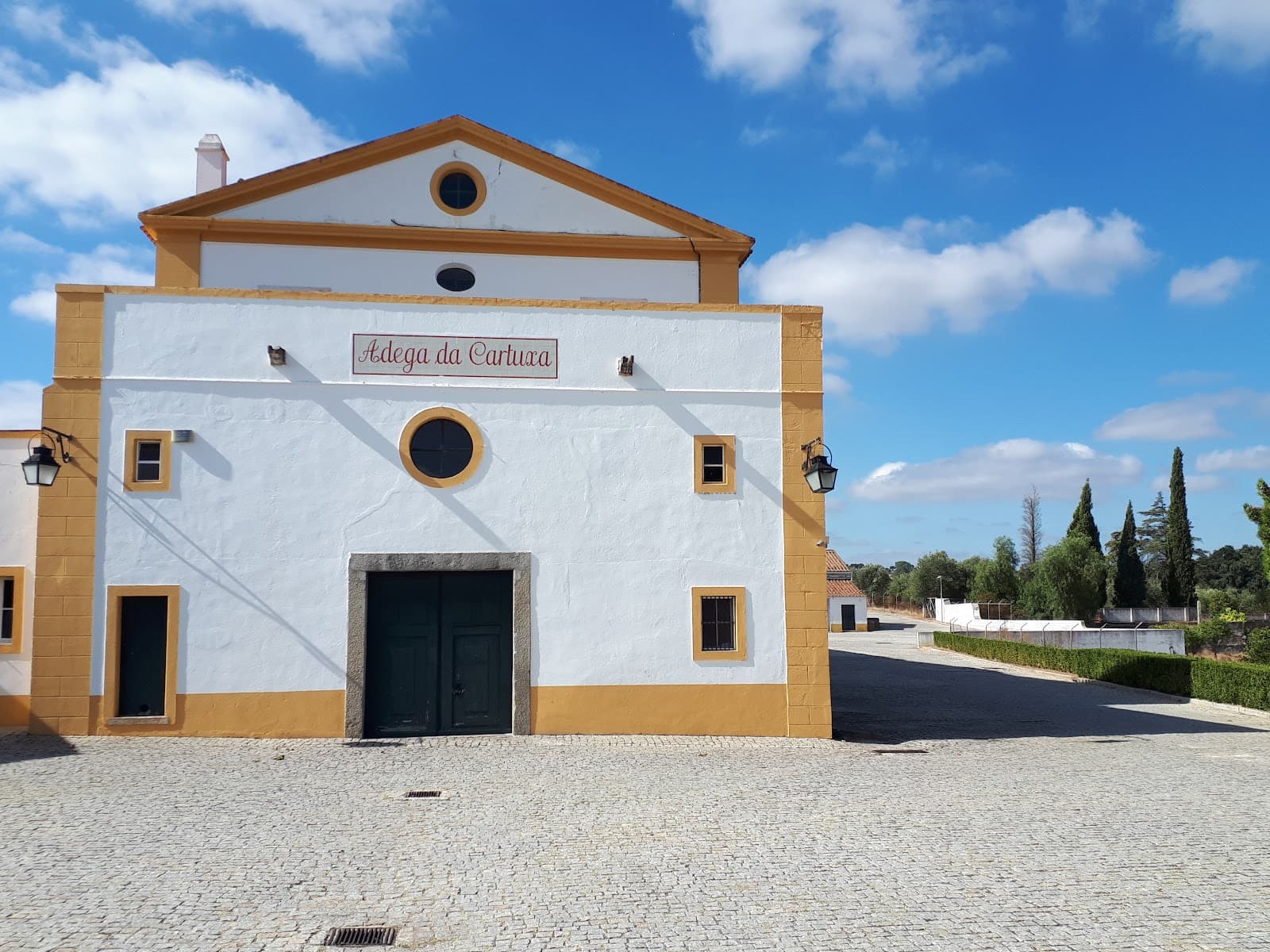
Cartuxa Winery (Adega Cartuxa)
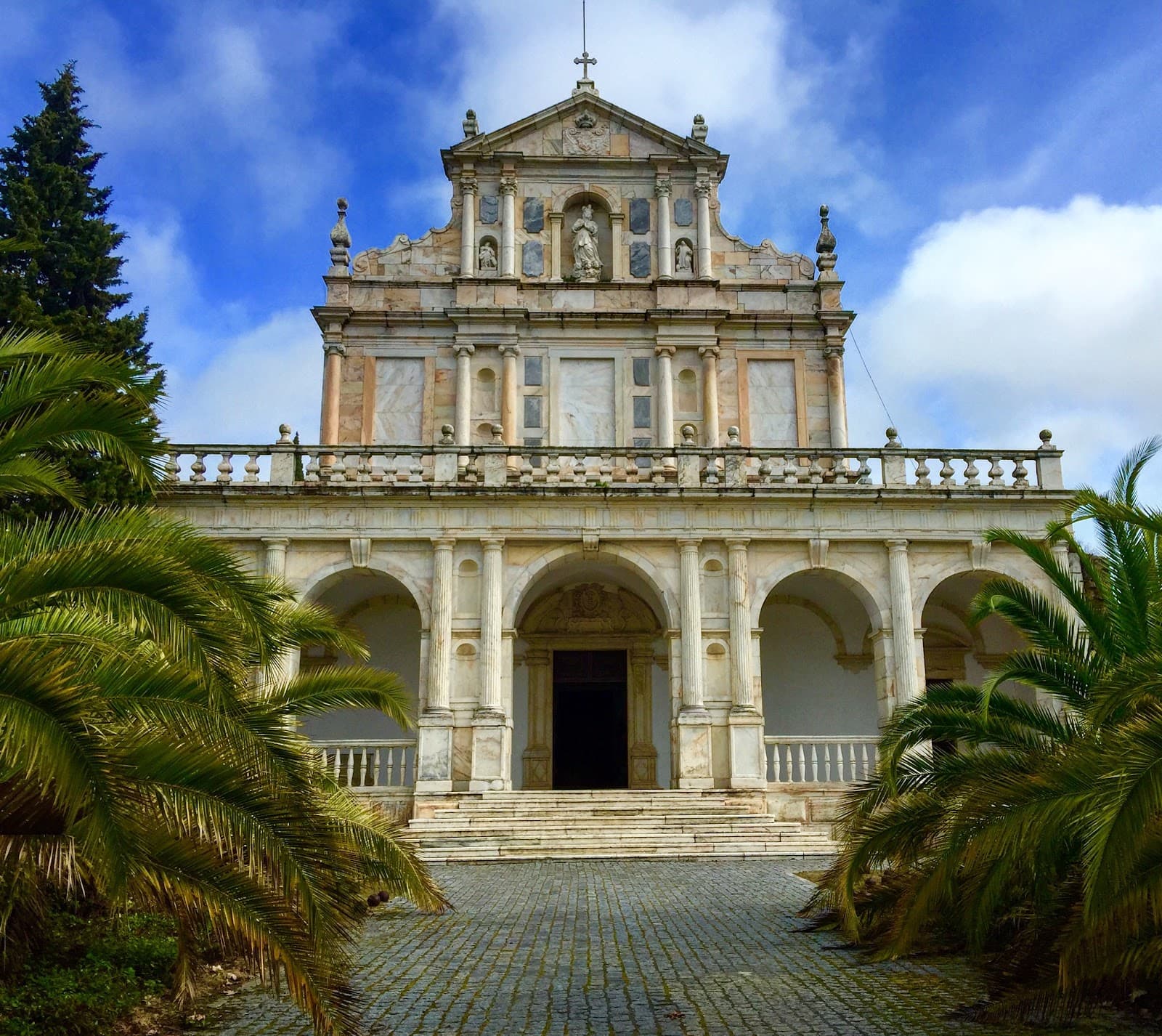
Cartuxa Monastery Évora
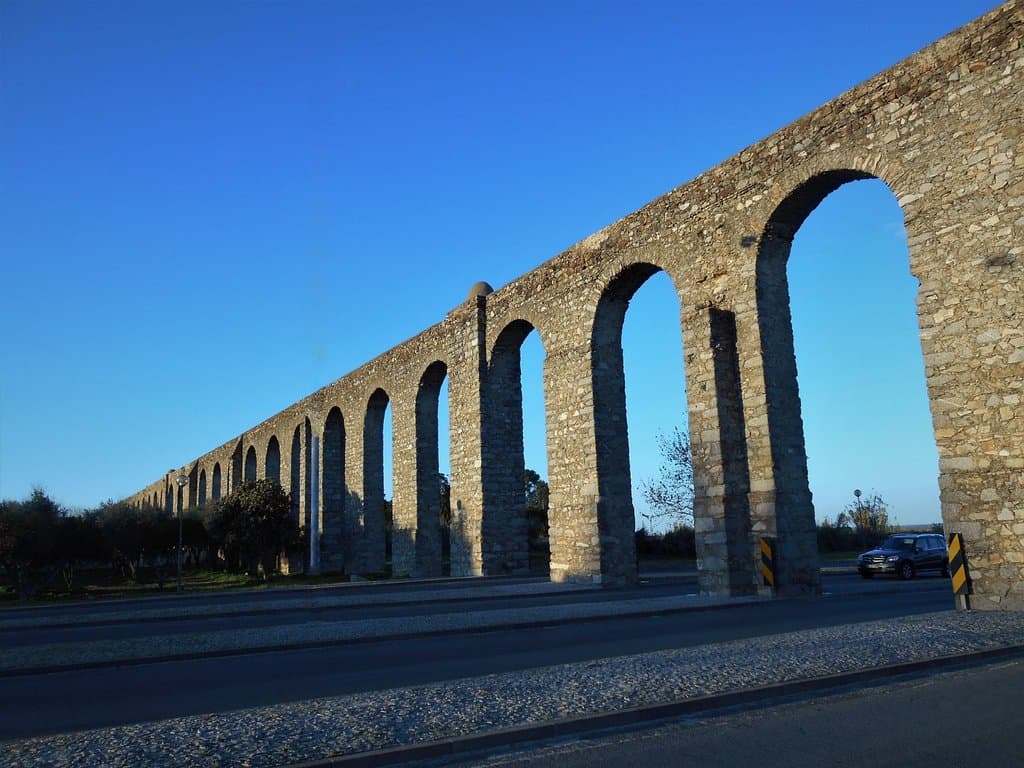
Água de Prata Aqueduct
Social
from TikTok, Instagram & Reddit