29 Best Architecture in Budapest
Discover Budapest's architectural wonders, from the majestic Hungarian Parliament Building and fairytale Vajdahunyad Castle to hidden Art Nouveau gems and striking communist-era structures. Explore Neo-Gothic marvels, Brutalist designs, and charming historical streets that make Budapest a feast for the eyes. This guide highlights must-see landmarks and lesser-known spots for an unforgettable architectural journey.

See what's trending
We've done exactly what you would have done—spent hours scrolling through TikTok, Instagram, and Reddit to find the absolute best experiences. These 31 recommendations come from real travelers sharing their unfiltered takes, hidden gems, and insider secrets. No travel agency fluff, just the wisdom of people who've actually been there. This is how everyone really plans their trips these days.


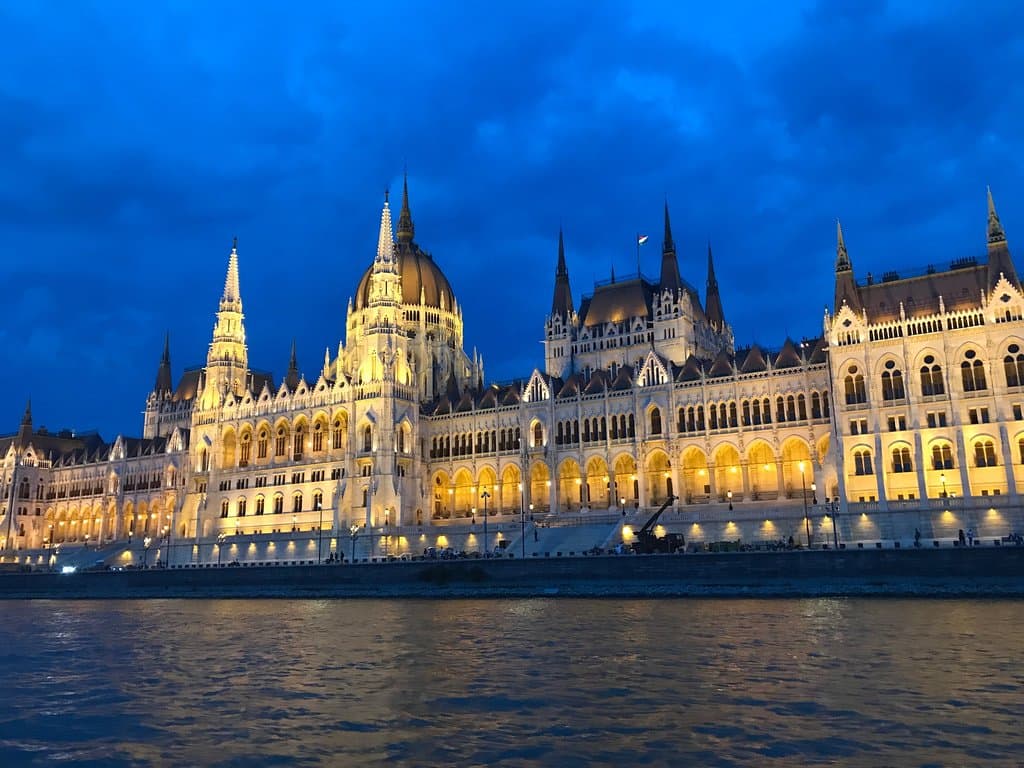
Marvel at this iconic Neo-Gothic masterpiece, a symbol of national pride situated majestically along the Danube River. Its intricate facade and ornate interiors are a testament to Hungary's rich history and culture.
Tip: See it at night when it's all lit up for a truly majestic experience.

Step into a fairytale at Vajdahunyad Castle in City Park, an architectural blend of Romanesque, Gothic, Renaissance, and Baroque styles. This unique landmark offers a glimpse into medieval Transylvanian castles.
Tip: Entry to the castle grounds is free, making it a great budget-friendly exploration.

Admire the stunning 13th-century St. Matthias Church, featuring neo-Gothic spires, intricate arches, and vibrant Zsolnay roof tiles. Its detailed design draws the eye upwards, creating a sense of awe.
Tip: Look closely at the roof tiles; they shimmer like armor and tell a story.

Visit one of Budapest's most beautiful churches, a grand basilica with impressive architecture. Its dome dominates the city skyline and offers breathtaking views from its observation deck.
Tip: Climb to the top of the dome for panoramic views of Budapest.
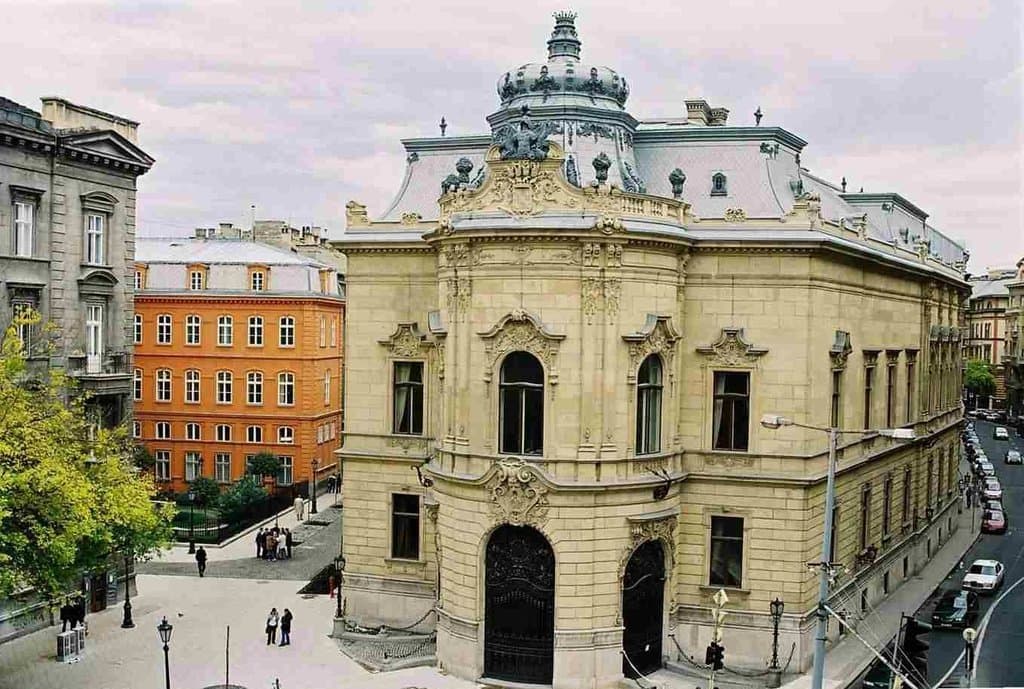
Explore what's considered one of the most beautiful libraries in Europe, housed in a former palace. Its opulent interiors and grand staircase offer a truly magnificent experience for book lovers and architecture enthusiasts alike.
Tip: Check the library's opening hours before your visit, as they can vary.

Behold the breathtaking architecture of the Párisi Udvar, a stunning building that feels like stepping into Paris. Its intricate facade and lavish interior design are a feast for the eyes.
Tip: While it's a hotel, you can often visit the stunning lobby and courtyard area.

Discover a unique example of communist-era architecture at Déli Train Station. Its distinctive style offers a different perspective on Budapest's architectural landscape.
Tip: Explore the station's design elements that reflect its historical period.

Experience the imposing Brutalist architecture of the former OKISZ Headquarters, built in 1973. This concrete structure stands as a significant example of its style in Budapest.
Tip: Note the building's unique form and material, characteristic of Brutalism.

Step inside a hidden Art Nouveau gem at the Schiffer Villa, now housing the Museum of Tax and Customs. Admire its stunning stained glass, Zsolnay tiles, and turn-of-the-century design.
Tip: Entry is free, making it an accessible way to experience exquisite Art Nouveau.
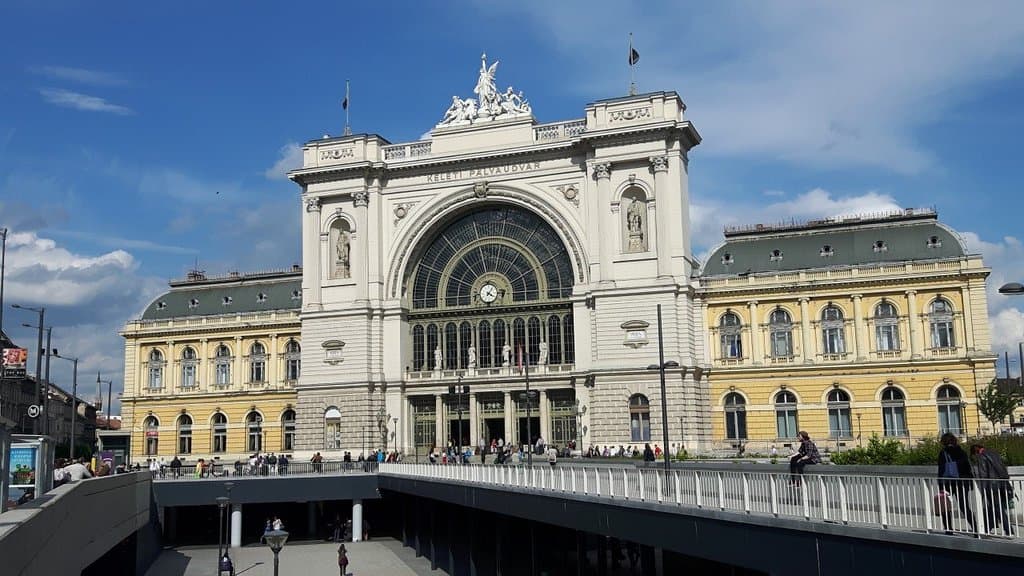
Don't miss the architectural grandeur of Keleti Railway Station, a beautiful building that serves as a major transportation hub. Its design is a favorite among architecture enthusiasts.
Tip: Take time to admire the station's facade and interior details.

Explore the historic Buda Castle complex, a sprawling palace and fortress offering panoramic views of the city. Its various architectural styles reflect centuries of history.
Tip: Wander through the courtyards and enjoy the stunning vistas over the Danube.
Discover the architectural charm of Dumbó Train Station, a lesser-known but beautiful building that showcases Budapest's diverse architectural heritage.
Tip: Look for unique decorative elements that make this station stand out.
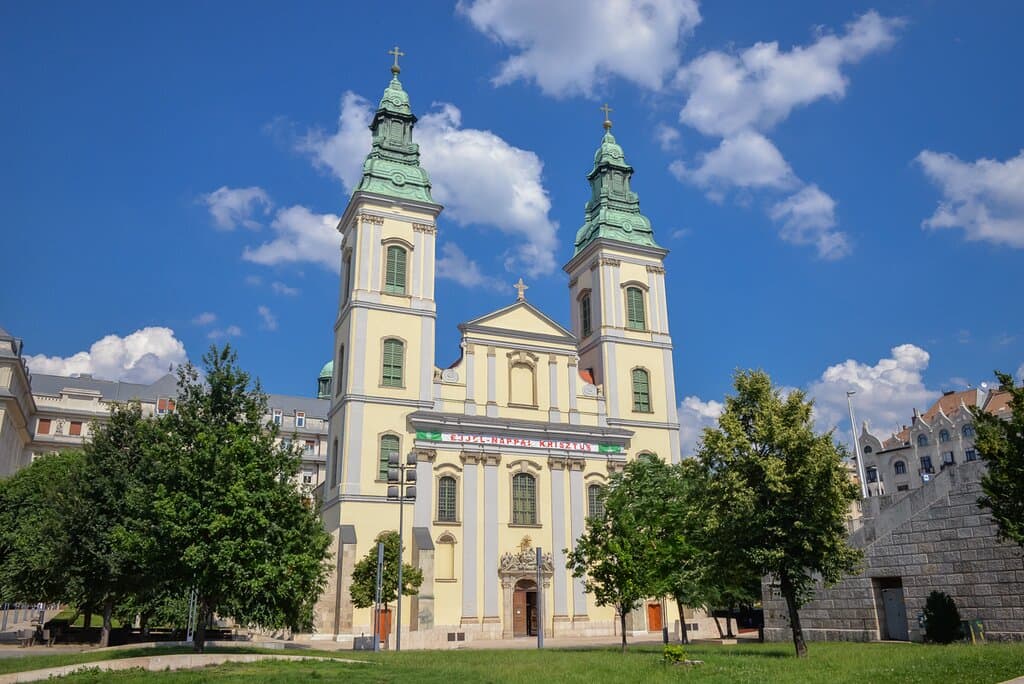
Experience the blend of Gothic, Baroque, and modern design at the Inner City Parish Church. Its Baroque portal and relic-filled chapels tell a rich historical story.
Tip: Pay attention to the detailed carvings and historical artifacts within the church.
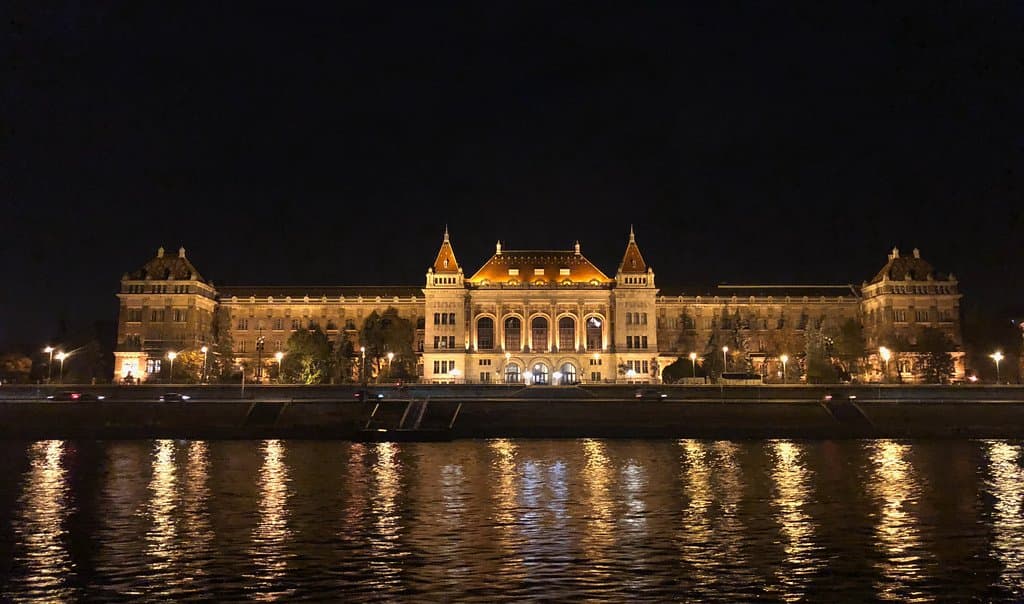
Explore the campus of the Budapest University of Technologies and Economics, particularly the buildings south of Bertalan Lajos street, which feature communist-era architecture and a unique nuclear power plant building.
Tip: The campus grounds are free to access on weekdays, offering a glimpse into this architectural style.

See the Szabad György Irodaház, a building near the Hungarian Parliament that was constructed based on original plans that were never realized. It showcases a fascinating approach to architectural development.
Tip: Consider its context as a modern building built from historical blueprints.

Visit the distinctive cylindrical Hotel Budapest, a notable example of communist-era architecture. Its unique shape and design make it a landmark in its district.
Tip: Appreciate its unusual form, which stands out from typical hotel structures.

Admire the Geological Museum of Budapest, which, from certain angles, resembles a castle from an old strategy video game. Its unique appearance makes it a visually striking building.
Tip: Try different vantage points to capture its impressive, almost fortress-like look.

Explore the Várkert Bazár, a stunning architectural complex along the Danube. This beautifully restored area offers a blend of historical charm and modern design.
Tip: Enjoy a stroll along the waterfront and admire the intricate details of the architecture.
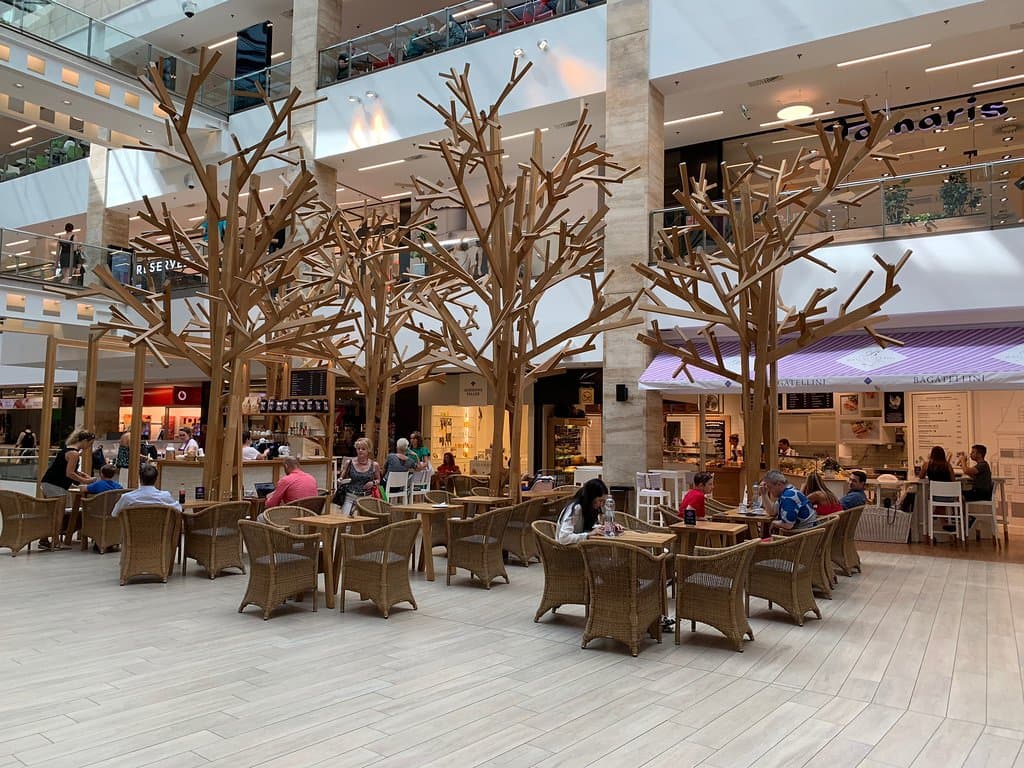
Discover the architectural remnants of the communist era at MOM Park, which incorporates elements from that period. It offers a glimpse into Budapest's past.
Tip: Look for specific architectural features that hint at its past use.

Experience the Gubacsi Lakótelep, a perfect example of early 1950s communist residential architecture. This neighborhood offers a unique look into socialist-era housing.
Tip: Observe the uniform style and layout typical of early communist housing projects.

Visit József Attila Lakótelep, an accessible residential area showcasing buildings from different communist periods (1957-1967 and 1979-1981). It includes schools and other public buildings.
Tip: Compare the architectural styles from the different decades within the same neighborhood.

Check out the MABEOS Headquarters, a building with a distinct communist-era feel. Its architecture offers a glimpse into the style of that period in the city center.
Tip: Look for the characteristic design elements of communist-era public buildings.
See the former Marxist-Leninist University at Villányi út 11, known for its great stained glass windows. Though slated for demolition, it represents a significant piece of architectural history.
Tip: Appreciate the intricate stained glass before the building is potentially lost.

Explore one of MOME's buildings, considered a 'szocreál' (socialist realism) architectural example. Located in the 12th district, it's a notable piece of Hungarian design history.
Tip: Seek out the specific building that exemplifies the 'szocreál' style.

Visit the 2nd district's city hall building at Mechwart Liget, an example of architecture from the communist era. Its presence adds to the diverse architectural landscape of the area.
Tip: Note its location near other notable buildings in the district.

Explore Csepel, an area known for its industrial architecture and remnants of communist-era development. It offers a different perspective on Budapest's urban landscape.
Tip: Research specific industrial sites within Csepel for a focused exploration.

Wander through Budapest's 5th district, an area praised for its stunning architecture and charming streets between Liberty and Elizabeth Bridge. It's a place where you can easily get lost for hours.
Tip: Take your time to explore the side streets and discover hidden architectural gems.
Discover the futuristic building of a small nuclear power plant on the BME campus. It's a unique architectural feature amidst the university's communist-era structures.
Tip: Look for this distinctive building within the southern part of the BME campus.
Visit MAA and its atrium, highlighted as a favorite architectural spot. This location offers a unique blend of design and space that appeals to architecture lovers.
Tip: Experience the interplay of light and space within the atrium.