71 Roman Forums and Archaeological Sites
Uncover the ancient wonders of Rome with this curated list of Roman Forum and archaeological site activities. Explore iconic ruins like Palatine Hill and Trajan's Column, delve into lesser-known gems like the Baths of Caracalla and the Appian Way, and discover the historical heart of the Roman Empire. Perfect for history buffs and curious travelers seeking authentic Roman experiences.

See what's trending
We've done exactly what you would have done—spent hours scrolling through TikTok, Instagram, and Reddit to find the absolute best experiences. These 24 recommendations come from real travelers sharing their unfiltered takes, hidden gems, and insider secrets. No travel agency fluff, just the wisdom of people who've actually been there. This is how everyone really plans their trips these days.


Wander through the heart of ancient Rome, where emperors, senators, and citizens once gathered. This vast archaeological site is a sprawling testament to the city's rich history, filled with ruins of temples, basilicas, and public spaces.
Tip: Allocate at least half a day to explore; consider a guided tour for deeper insights.

Discover the legendary birthplace of Rome and enjoy panoramic views of the Roman Forum and Circus Maximus. This hill was once home to emperors and offers a glimpse into imperial residences and ancient gardens.
Tip: Tickets often include access to the Colosseum and Roman Forum; book in advance as entry is limited.
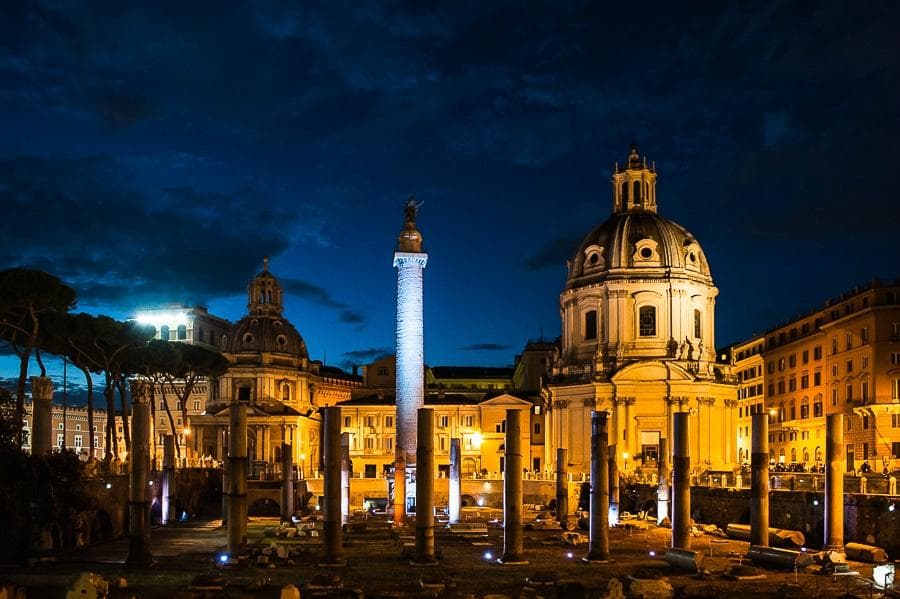
Admire the intricate spiral bas-relief that winds its way up this monumental column, depicting Emperor Trajan's victories in the Dacian Wars. It's a stunning example of Roman propaganda and artistry.
Tip: Best viewed from the base; the detailed narrative can be appreciated up close.
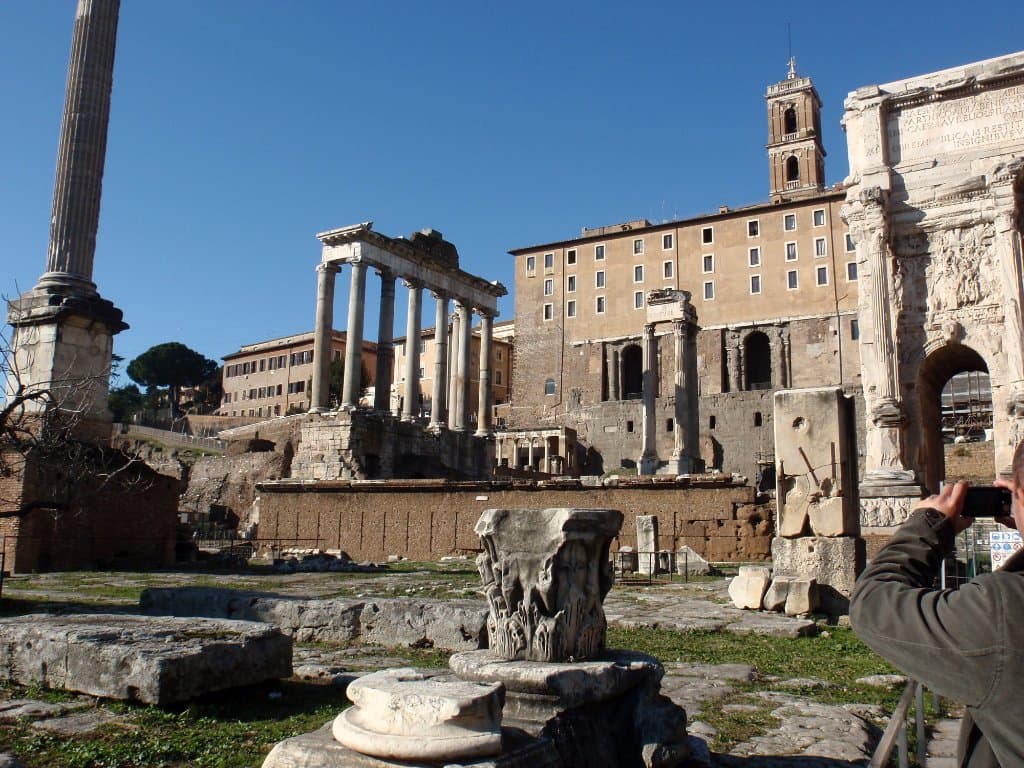
Step inside the remarkably preserved Senate House, where crucial political decisions of the Roman Republic and Empire were made. Its solid brick structure has withstood the test of time.
Tip: Check for special access days as it's not always open to the public.
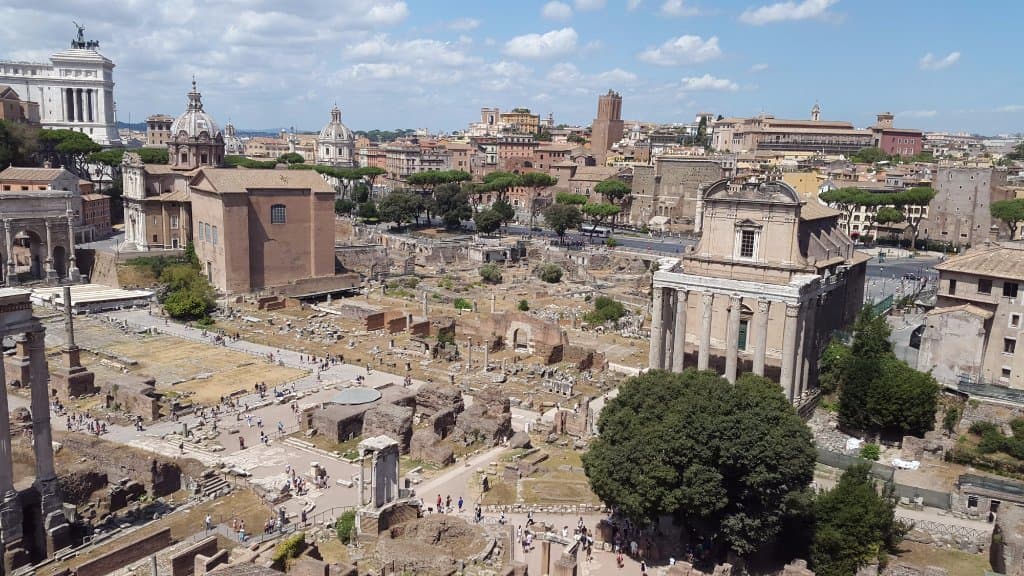
Pay respects at the site where Julius Caesar was cremated after his assassination. This monument in the Roman Forum marks a pivotal moment in Roman history.
Tip: Look for the altar where offerings were traditionally placed.

Discover a series of monumental public squares built by emperors like Caesar, Augustus, and Trajan. These forums were the political, religious, and economic hubs of ancient Rome.
Tip: Best explored on foot; consider visiting at different times of day for varied lighting.
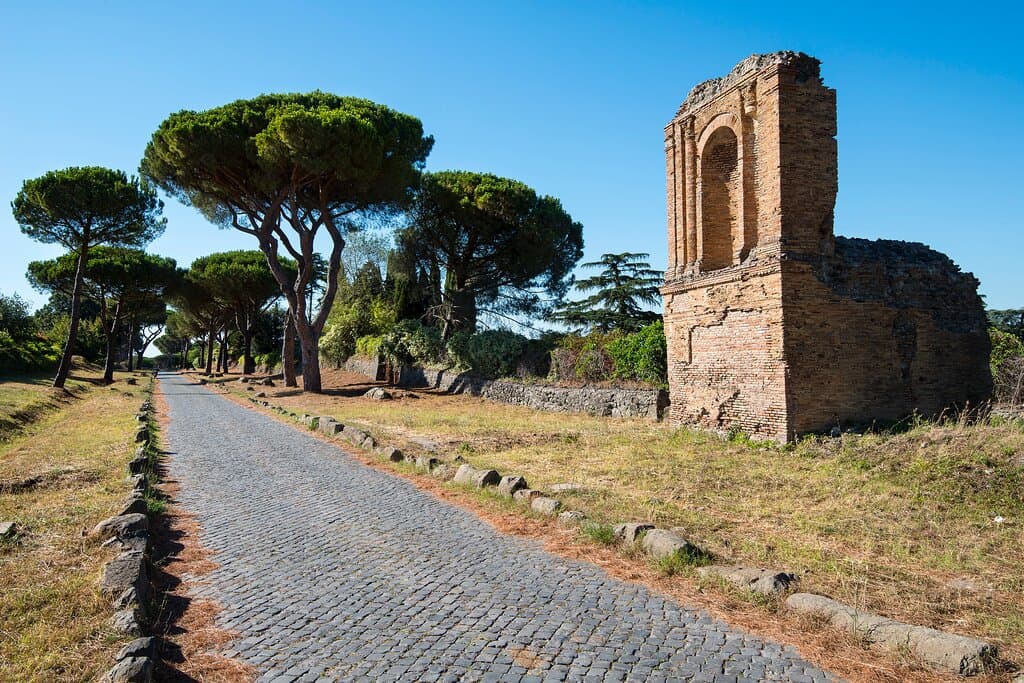
Stroll along one of Rome's oldest and most important roads, lined with ancient tombs, ruins, and monuments. It offers a more serene and less crowded experience of Roman history.
Tip: Rent a bike for a more extensive exploration of the road and its surroundings.
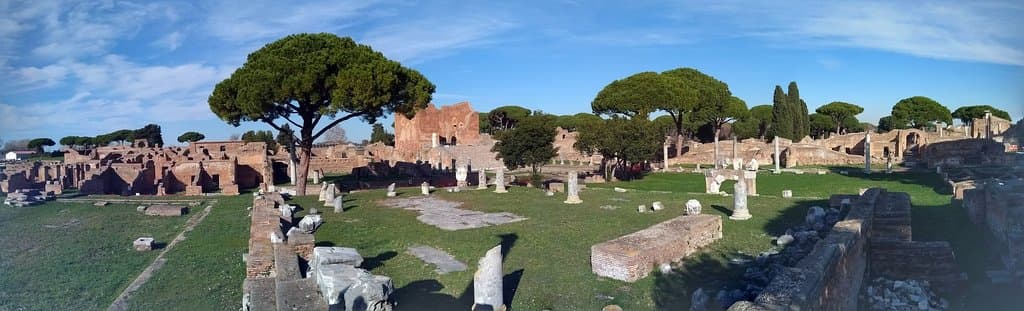
Journey to the remarkably well-preserved ancient port city of Rome. Explore its ancient streets, apartment buildings, baths, and theaters, offering a vivid picture of daily Roman life.
Tip: Easily accessible by train from Rome; wear comfortable shoes for walking.
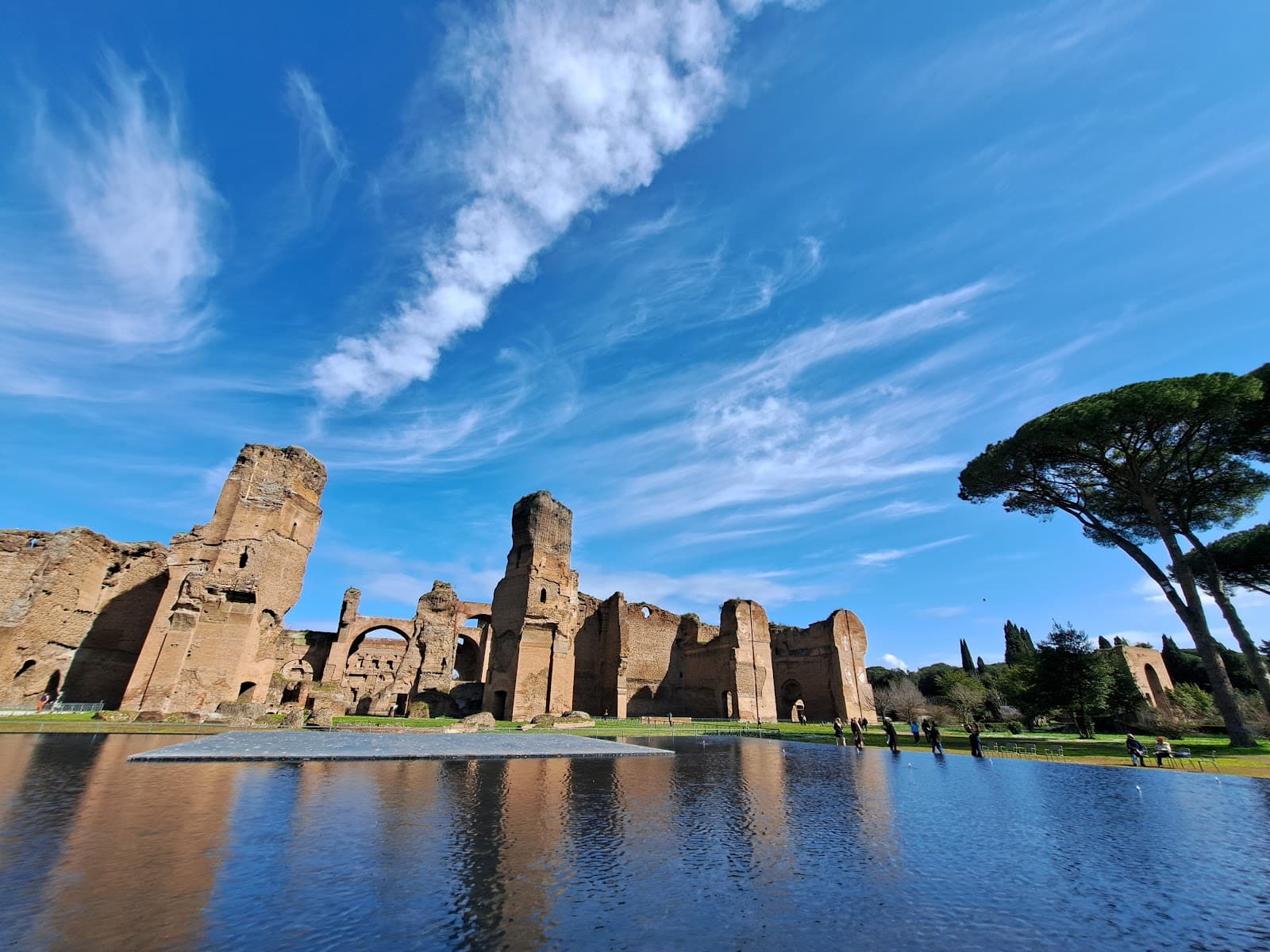
Imagine the grandeur of ancient Roman public life at these massive and impressive bath complexes. The scale of the ruins hints at the opulence and social importance of these sites.
Tip: The sheer size of the ruins is best appreciated with an audio guide or detailed map.

Descend through layers of history, from a 12th-century church to a 4th-century basilica, and finally to an ancient Roman street with a pagan temple. It's a fascinating journey underground.
Tip: The lowest level reveals an ancient Roman street with a flowing stream.

Visit the site where Julius Caesar was assassinated, now a public square housing ancient Roman temple ruins and a sanctuary for stray cats. It's a unique blend of history and modern life.
Tip: The ruins are visible from street level, making it an easy stop.

Admire the remaining iconic columns of this ancient temple dedicated to the divine twins. It's a prominent landmark within the Roman Forum, steeped in mythology and history.
Tip: These three standing columns are a recognizable feature of the Forum.
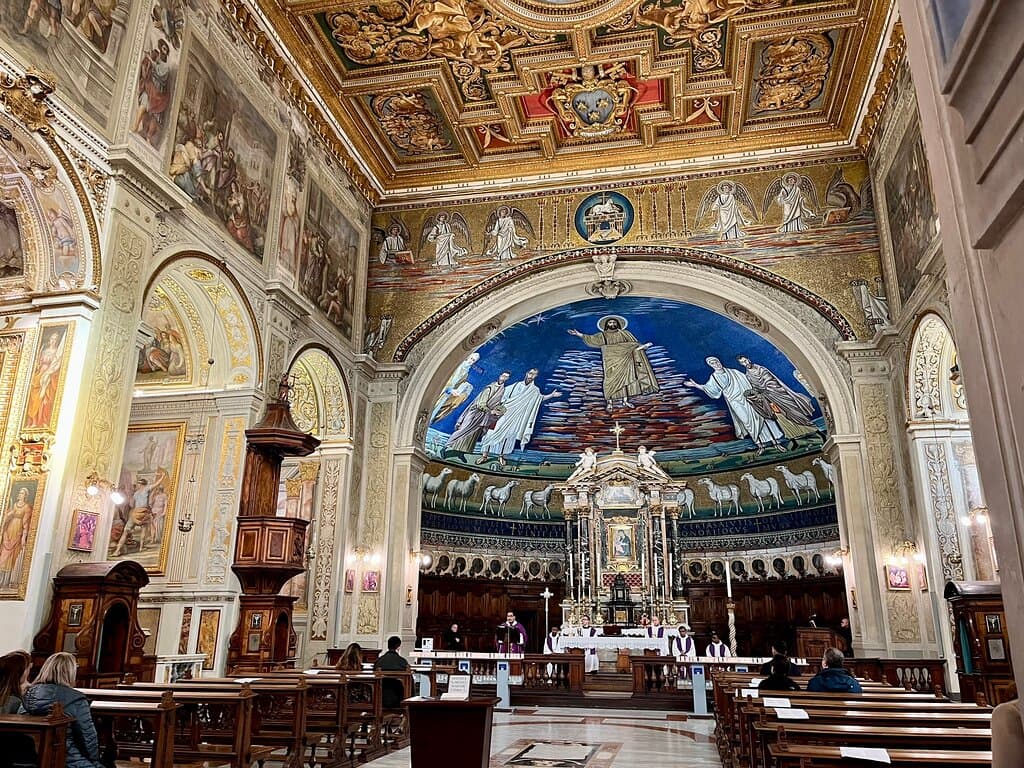
Explore this ancient church, built on the foundations of the Temple of Romulus. It's a fascinating example of how Roman structures were repurposed for Christian worship.
Tip: Look for the ancient apse mosaics that are still remarkably intact.

Observe the well-preserved circular structure of the Temple of Romulus, a testament to early 4th-century Roman architecture. It's a striking building within the Roman Forum.
Tip: Note its distinctive bronze doors, which are original.
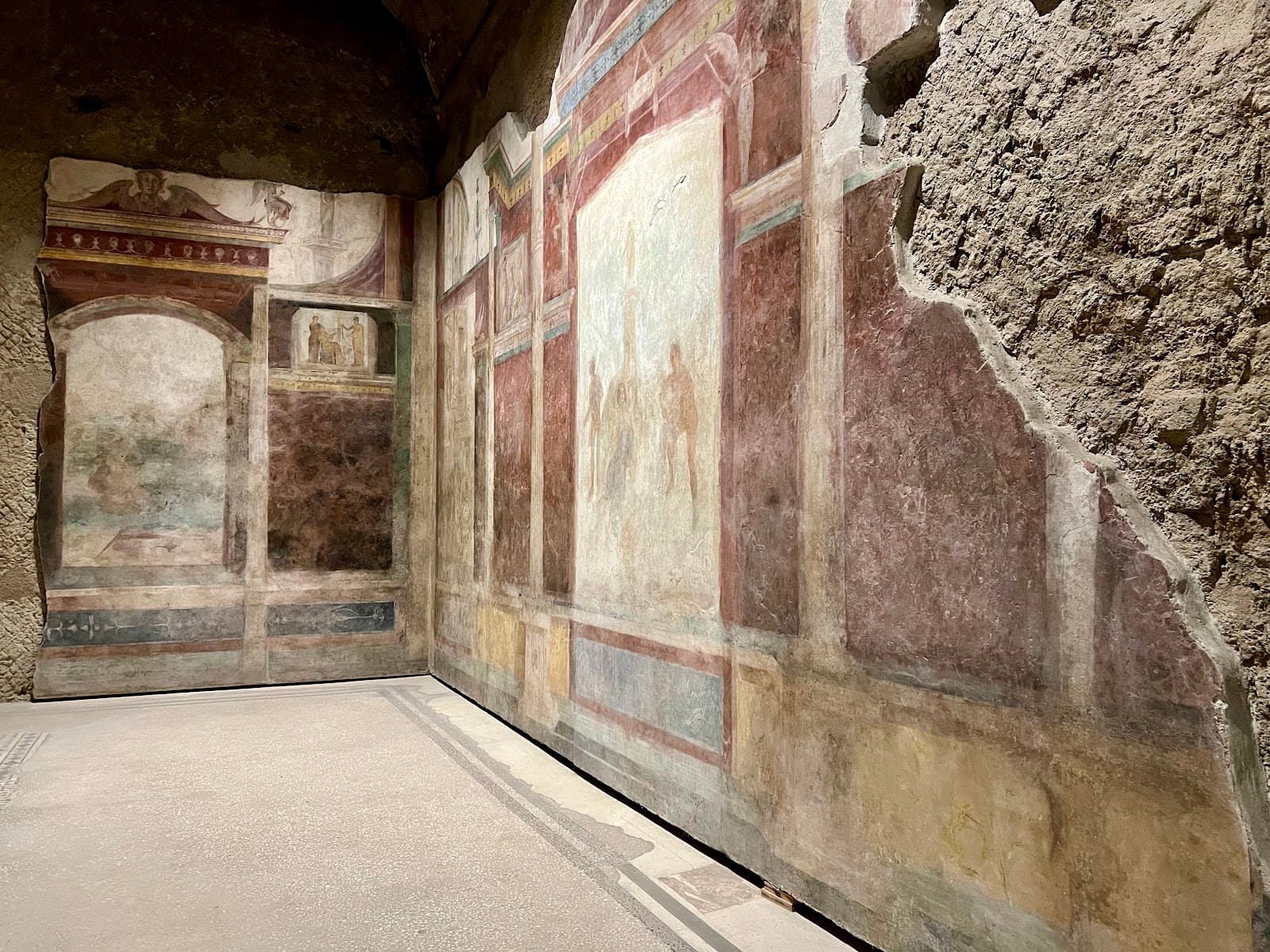
Step into the former residence of Livia Drusilla, wife of Emperor Augustus. This ancient domus offers a glimpse into the domestic life of Rome's elite, with preserved frescoes.
Tip: Check for reopening status and visiting hours, as access can be limited.
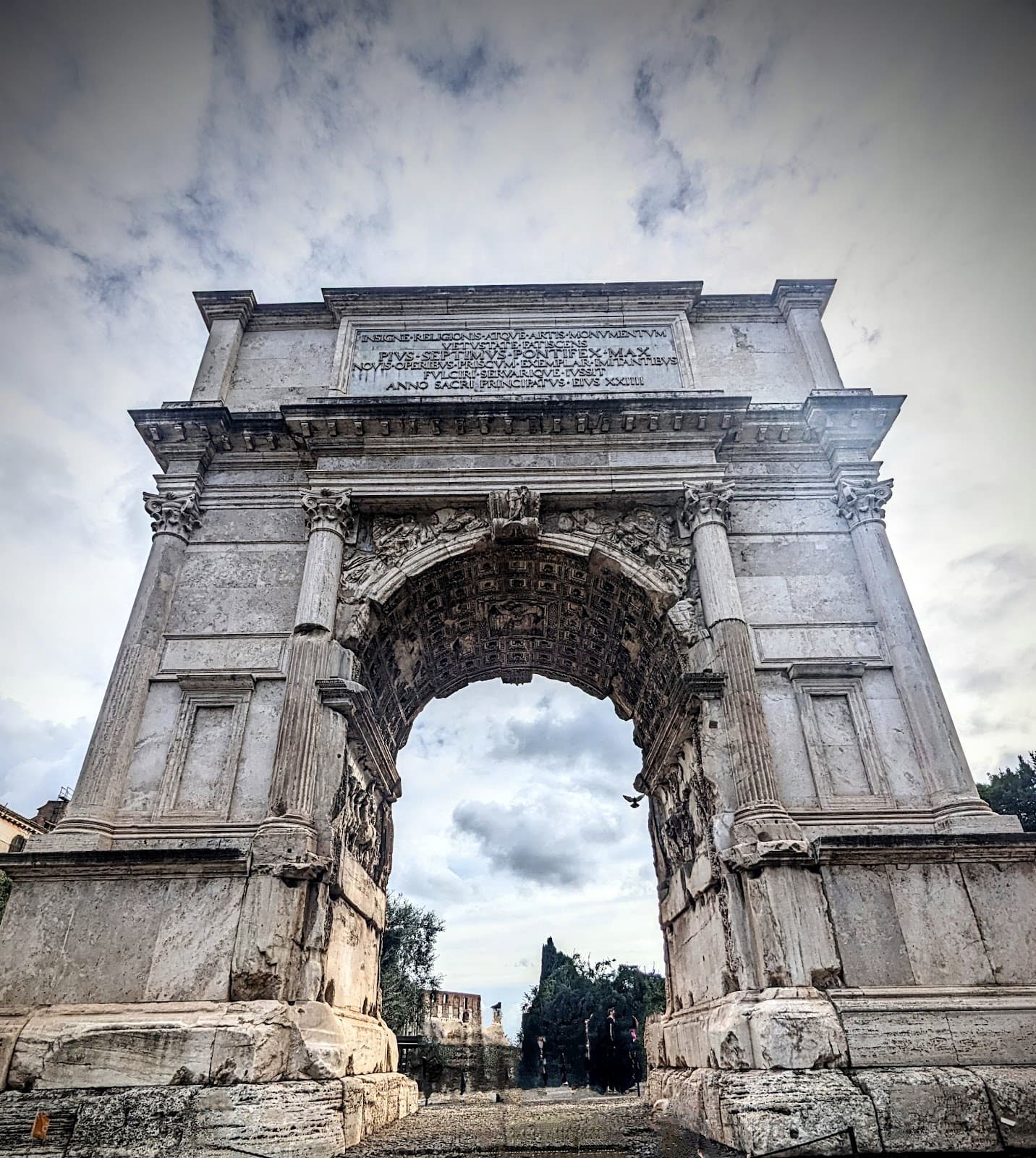
Pass under this triumphal arch, commemorating Emperor Titus's victory in the Jewish War. Its detailed reliefs depict scenes from the conquest of Jerusalem.
Tip: The inner panels are particularly famous for their depiction of the spoils from Jerusalem.
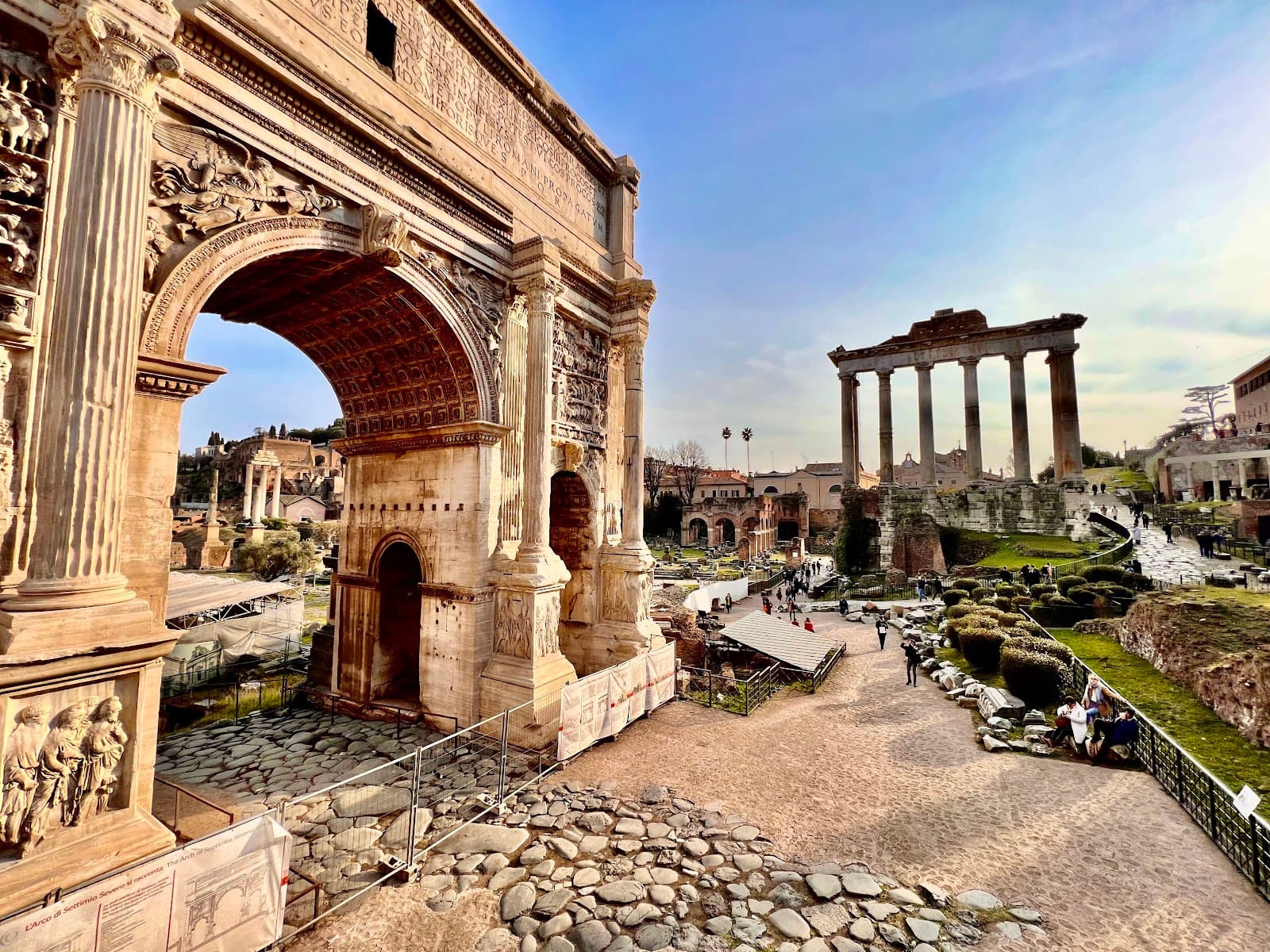
Admire the imposing triple archway that celebrates the victories of Emperor Septimius Severus. Its grand scale and detailed inscriptions offer insights into Roman military achievements.
Tip: The inscriptions on the arch provide historical context.
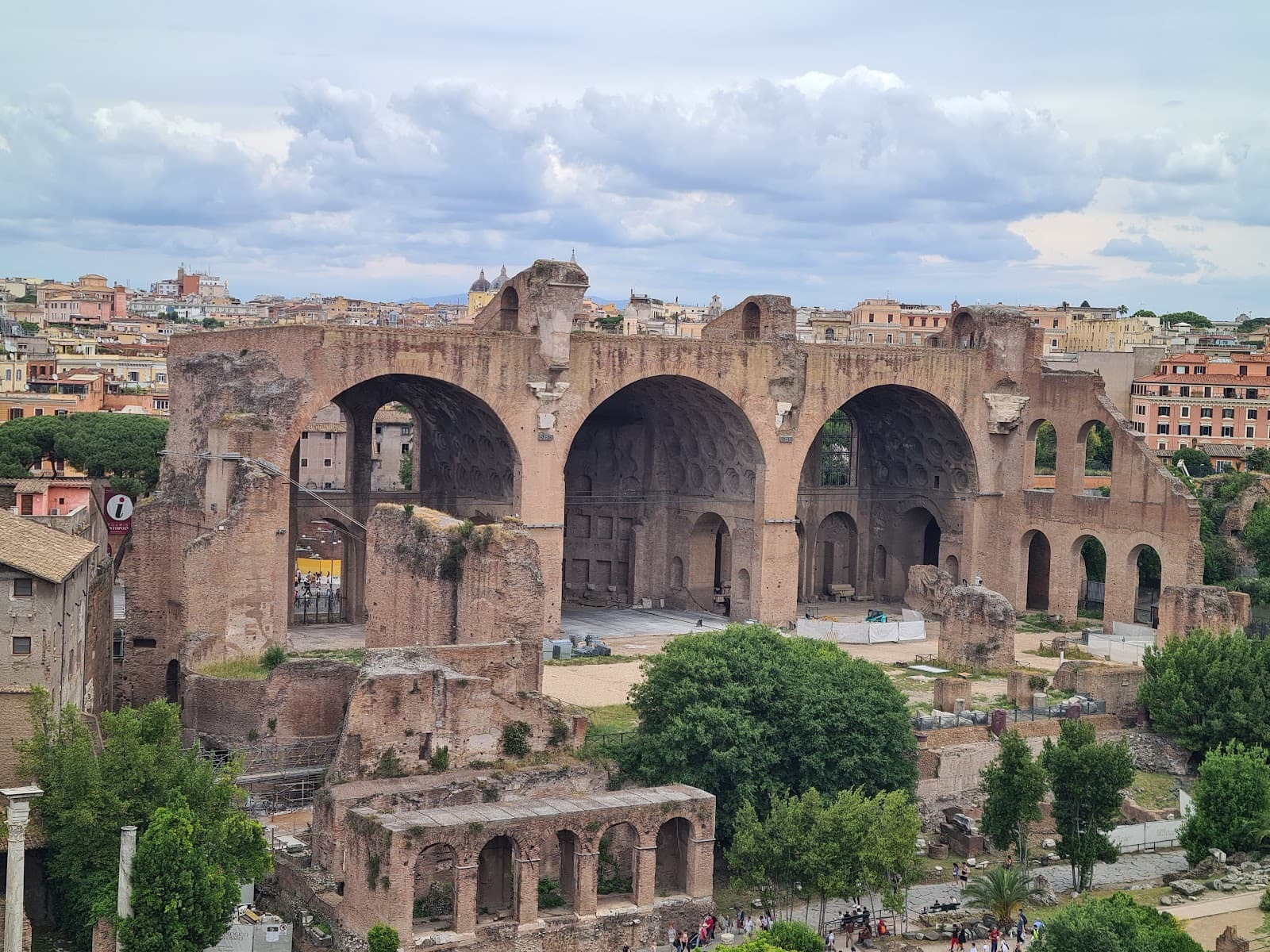
Explore the colossal ruins of one of the largest buildings in the Roman Forum. Its remaining massive arches and concrete vaults showcase advanced Roman engineering.
Tip: Imagine the original scale of this once-grand basilica.
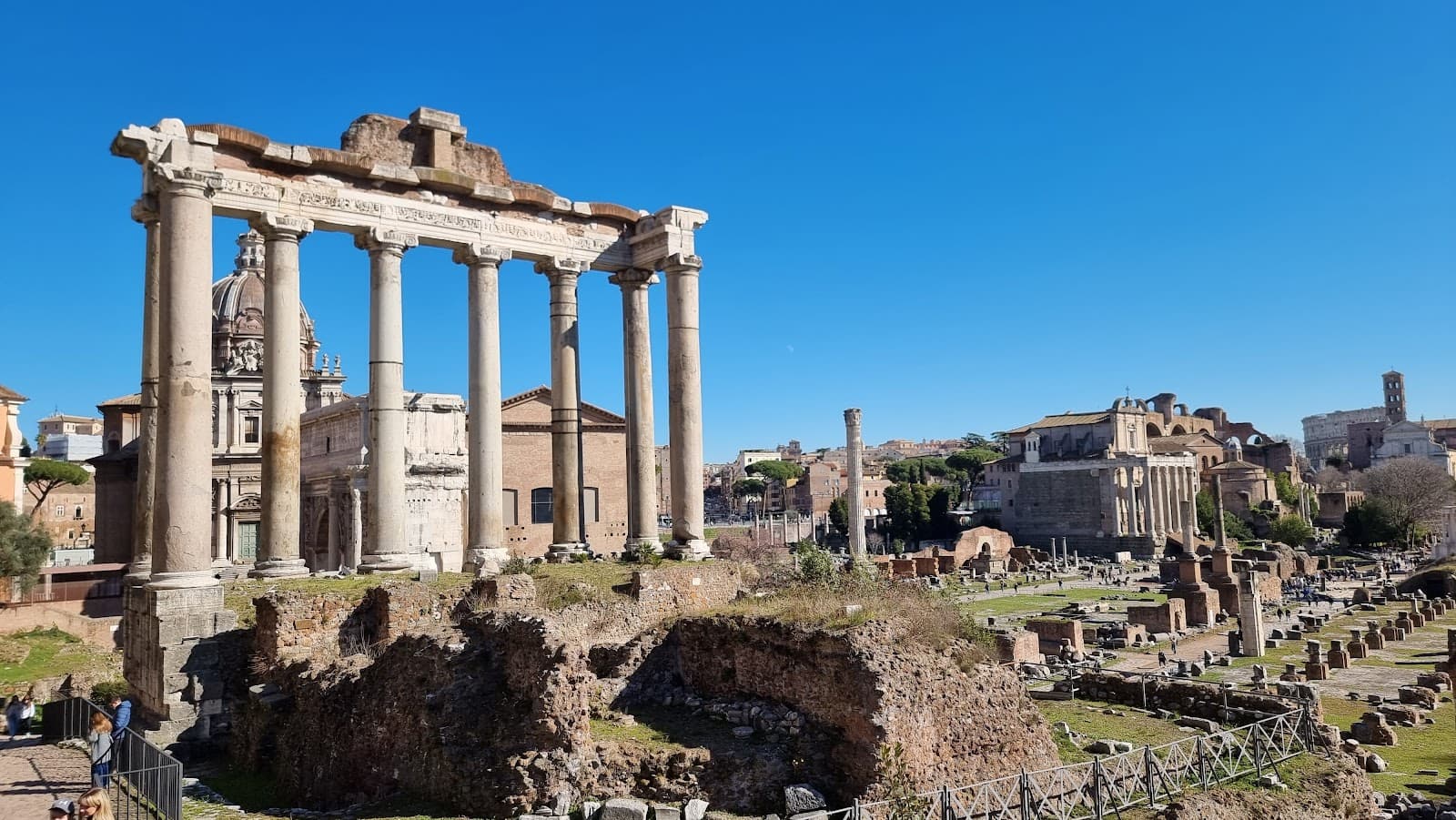
See the iconic remaining columns of the Temple of Saturn, one of the oldest structures in the Roman Forum. It once housed the state treasury and was a site for important festivals.
Tip: The remaining eight columns are a distinctive feature of the Forum.
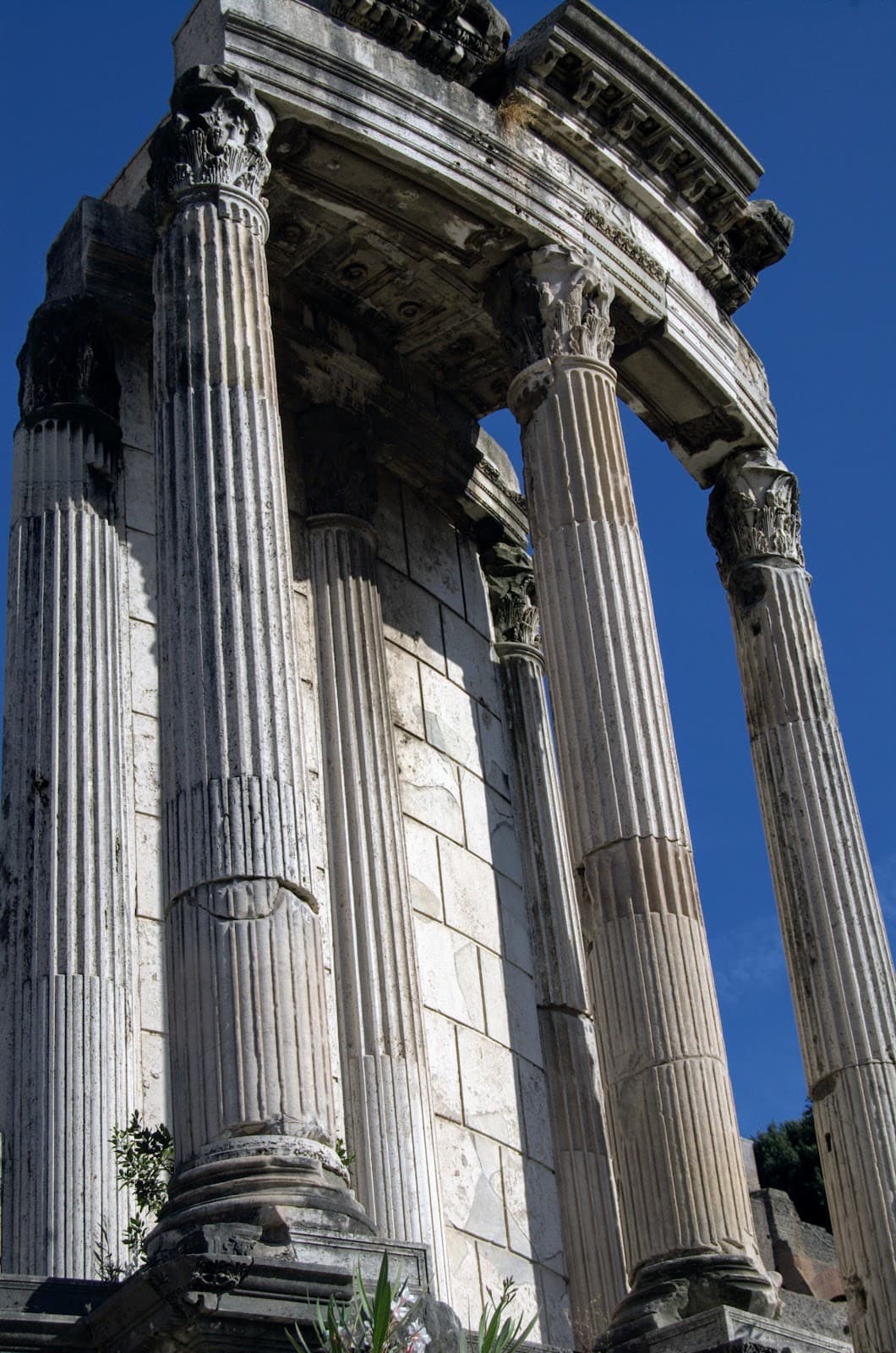
See the circular foundation of the Temple of Vesta, where the sacred flame of Rome was kept burning by the Vestal Virgins. It was a central religious site in the Forum.
Tip: The circular plan is unique among Roman temples.
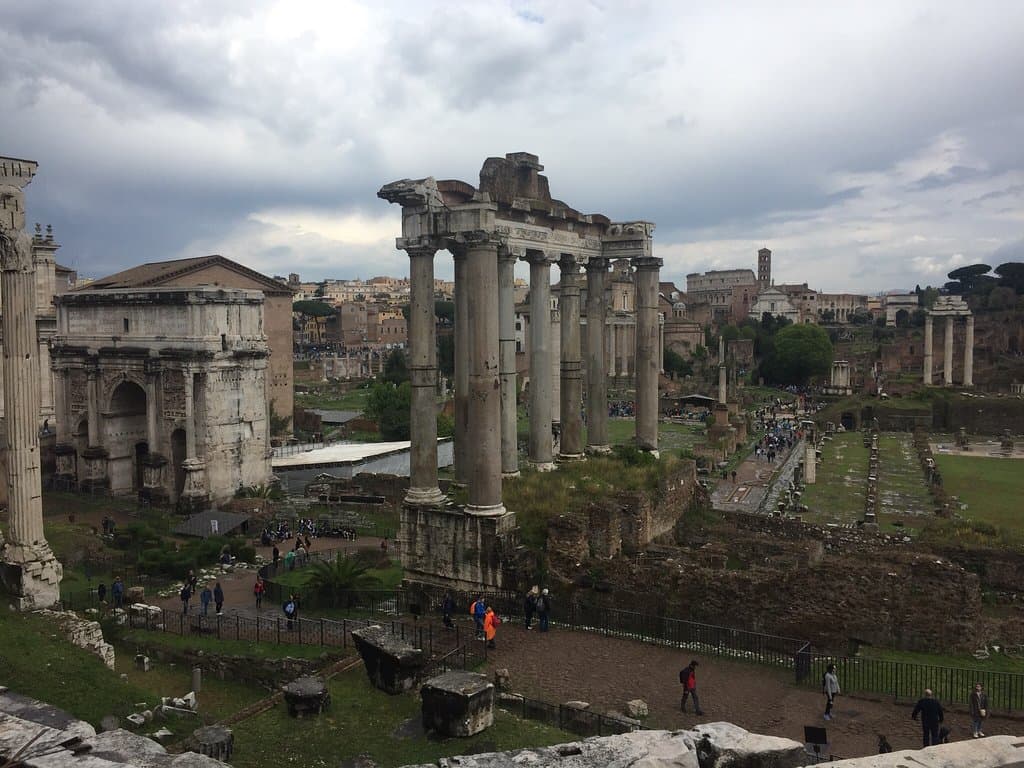
Visit the archaeological remains of the house where Emperor Augustus lived. Though less grand than imperial palaces, it offers a personal glimpse into the life of Rome's first emperor.
Tip: Often visited in conjunction with the House of Livia.
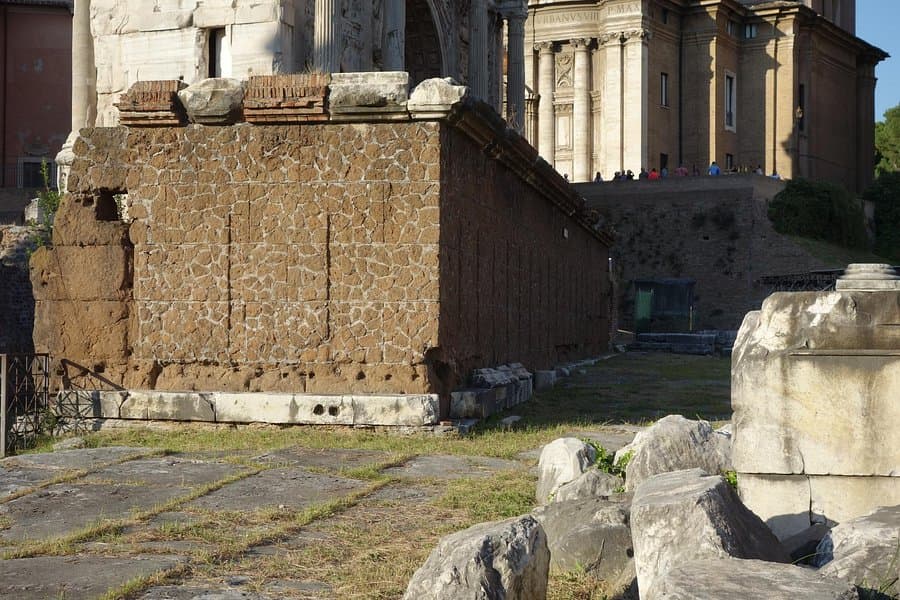
Stand at the ancient speaker's platform in the Roman Forum, where orators addressed the Roman people. Imagine the powerful speeches that once echoed from this spot.
Tip: This was a central point for public announcements and political discourse.
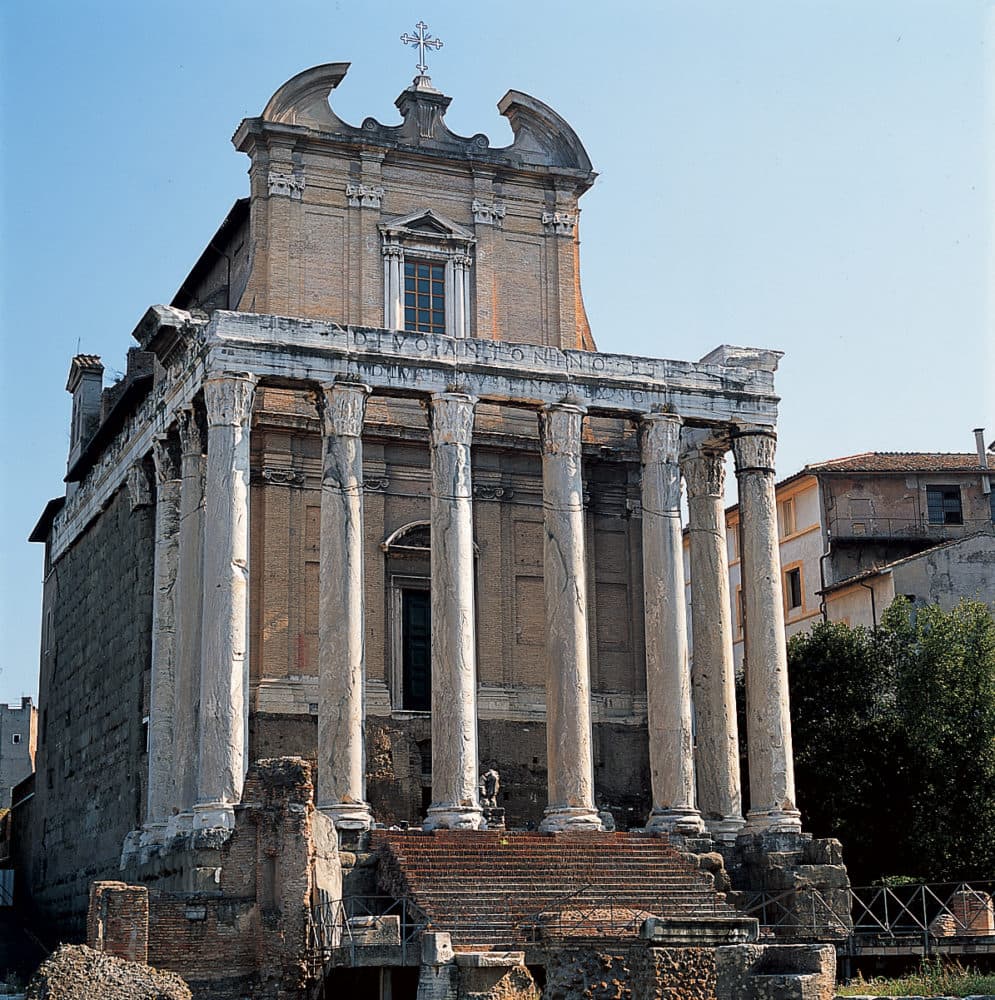
Observe this well-preserved temple, later converted into a church. Its imposing facade with Corinthian columns is a striking feature of the Roman Forum.
Tip: The inscription on the frieze is still visible.

Discover the remains of Emperor Nero's extravagant palace, a vast complex that once covered a significant portion of Rome. Guided tours offer insights into its former splendor.
Tip: Requires booking a guided tour in advance; access is limited.
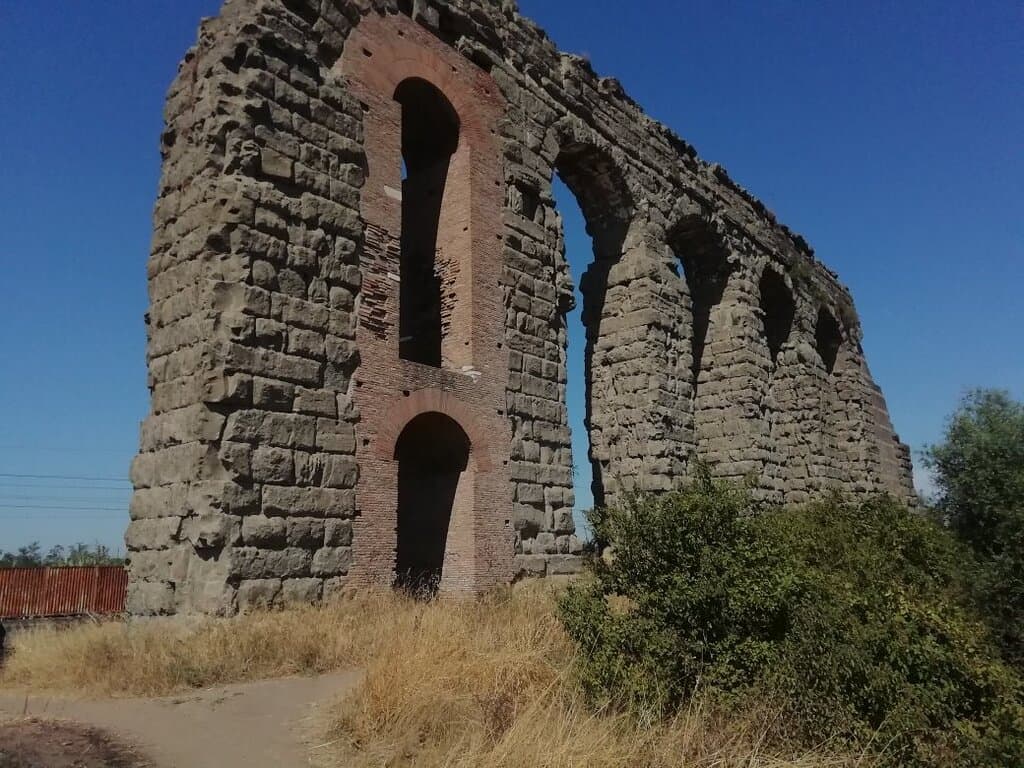
Walk among the impressive ruins of ancient Roman aqueducts in this beautiful park. It's a serene escape offering stunning views and a sense of Roman engineering prowess.
Tip: Ideal for a peaceful walk or picnic, especially during the golden hour.

Descend into these ancient underground burial chambers, once used by early Christians. It's a somber yet fascinating glimpse into early Christian history and funerary practices.
Tip: Guided tours are mandatory and provide essential historical context.

Explore this cylindrical fortress, originally Emperor Hadrian's mausoleum, later a papal fortress and prison. It offers a rich history and commanding views of the Tiber River.
Tip: Look for 'The Passetto', a fortified corridor connecting it to the Vatican.

See the imposing circular tomb built by Emperor Augustus for himself and his family. While undergoing restoration for years, its historical significance is immense.
Tip: Check for current access status, as it has been subject to long-term restoration.

Marvel at the architectural genius of the Pantheon, a former Roman temple now a church, renowned for its massive unsupported dome and oculus. It's one of the best-preserved ancient Roman buildings.
Tip: Entry is free, but can get crowded; visit early or late in the day.

Immerse yourself in Roman art and history at the world's oldest public museums, located on Capitoline Hill. They house an incredible collection of ancient sculptures and artifacts.
Tip: Don't miss the equestrian statue of Marcus Aurelius (a replica is outside).

View the impressive semi-circular structure of this ancient open-air theatre, which once hosted performances. It's a striking landmark with a long history of use.
Tip: Apartments have been built into the upper levels, a unique adaptation.

Admire the Altar of Peace, a beautifully preserved altar dedicated to Pax, the Roman goddess of Peace. Its intricate marble reliefs depict processions and mythological scenes.
Tip: Housed in a modern museum designed by Richard Meier.

Discover the vast ruins of the largest imperial baths in ancient Rome. Parts of the complex now house the National Roman Museum, showcasing incredible artifacts.
Tip: The museum within the baths offers a comprehensive look at Roman history.
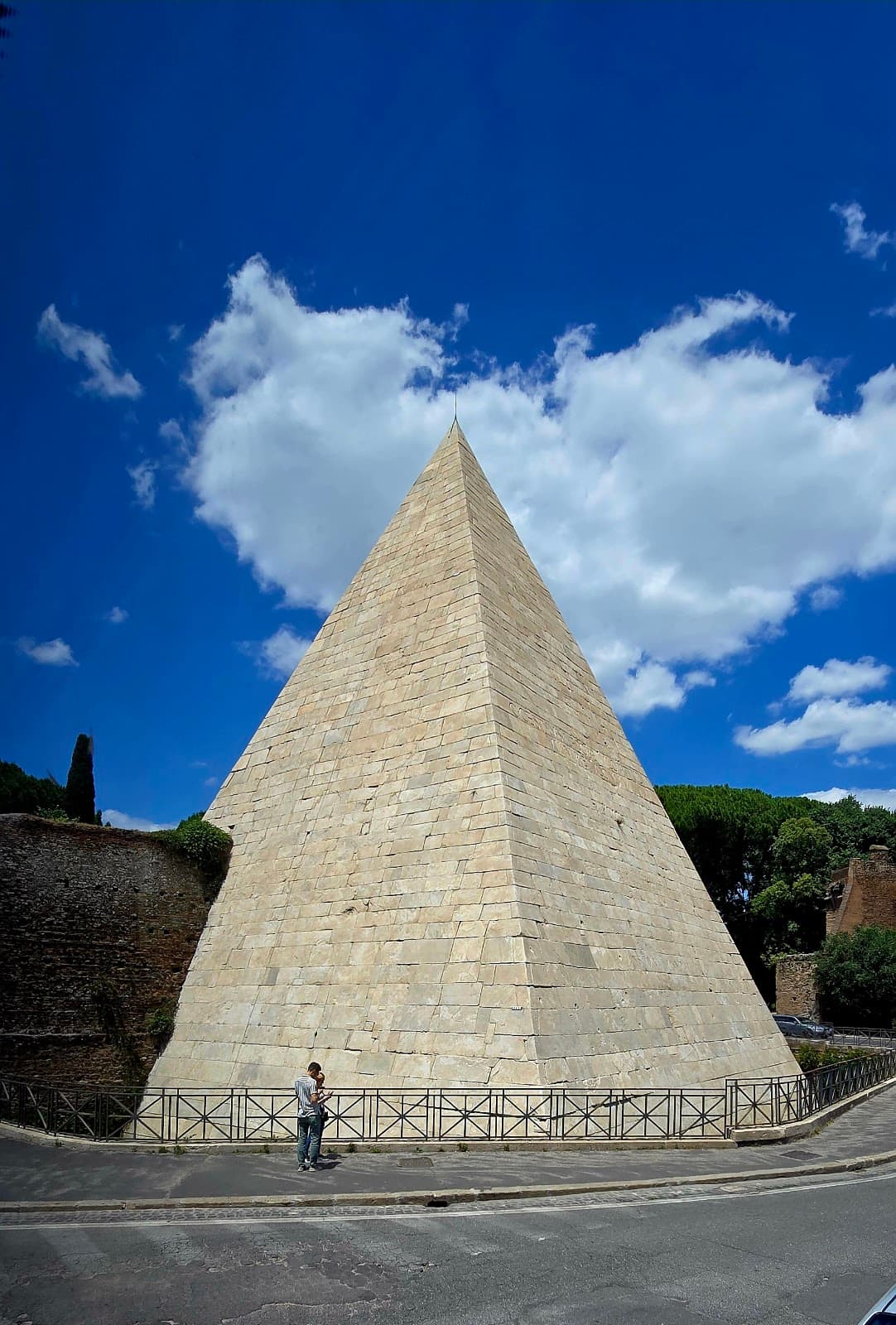
Be surprised by the presence of this ancient Egyptian-style pyramid, built as a tomb for Gaius Cestius. It's a unique architectural anomaly in Rome.
Tip: Located near the Protestant Cemetery, offering a striking contrast.
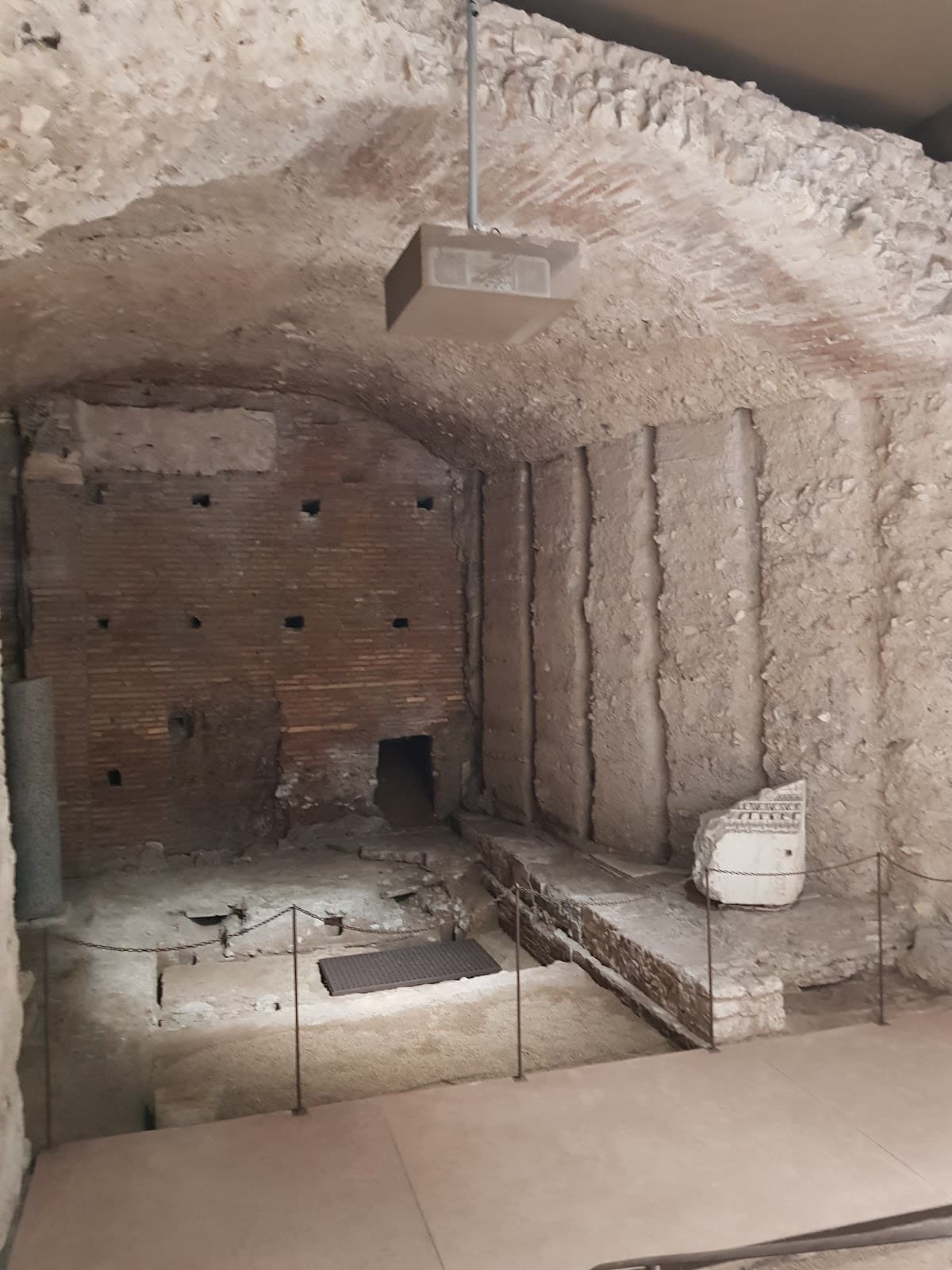
Explore the remains of Nero's early palace, a luxurious residence that was later incorporated into the Domus Aurea. It showcases early imperial decorative arts.
Tip: Often visited as part of the Palatine Hill complex.

Admire the remarkably intact circular temple in the Forum Boarium, dedicated to Hercules. Its Corinthian columns make it one of the best-preserved ancient Roman buildings.
Tip: One of the oldest marble structures in Rome.

View the well-preserved rectangular temple in the Forum Boarium, dedicated to the god of harbors. Its Ionic columns and ionic frieze are notable features.
Tip: Located near the Tiber River, offering scenic views.

Imagine the thundering chariots and roaring crowds at the site of ancient Rome's largest stadium. Though mostly a large grassy area now, its scale is still impressive.
Tip: Great for a walk or a picnic with views of Palatine Hill.

Admire the largest Roman triumphal arch, commemorating Emperor Constantine's victory. It's notable for its spolia, incorporating elements from earlier monuments.
Tip: The reliefs tell stories of Constantine's reign and victories.
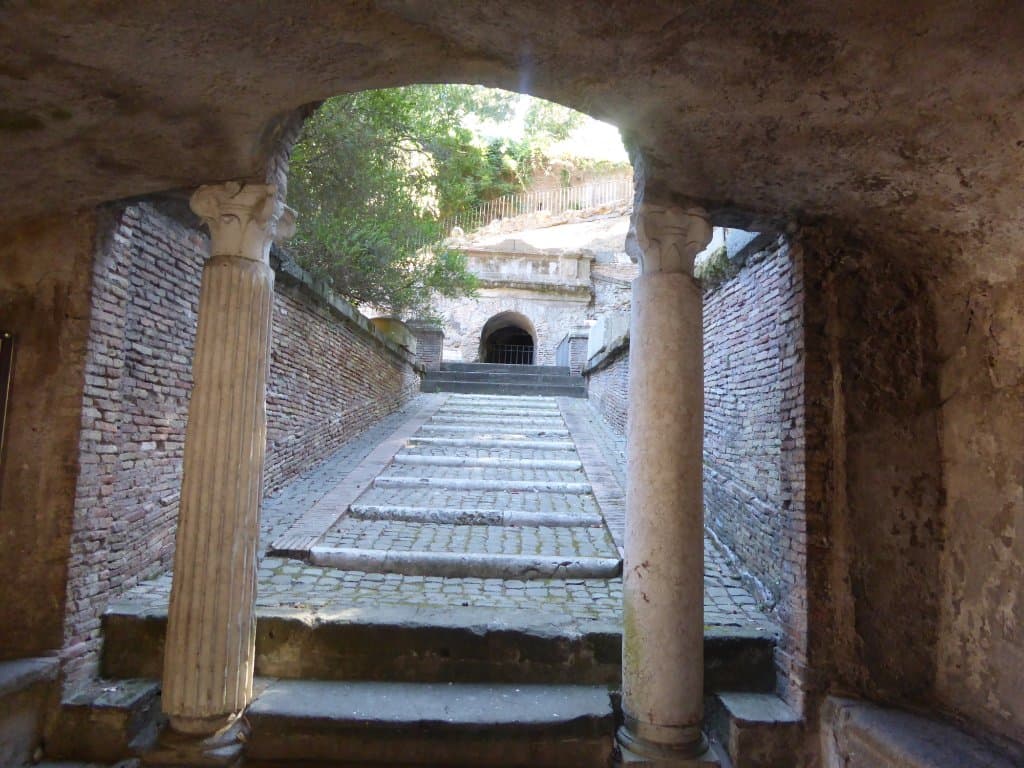
See the archaeological site of the ancient burial place of the prominent Scipio family, including the famous Scipio Africanus. It offers insight into Roman aristocratic burial practices.
Tip: Located along the Appian Way, often visited as part of a broader exploration.
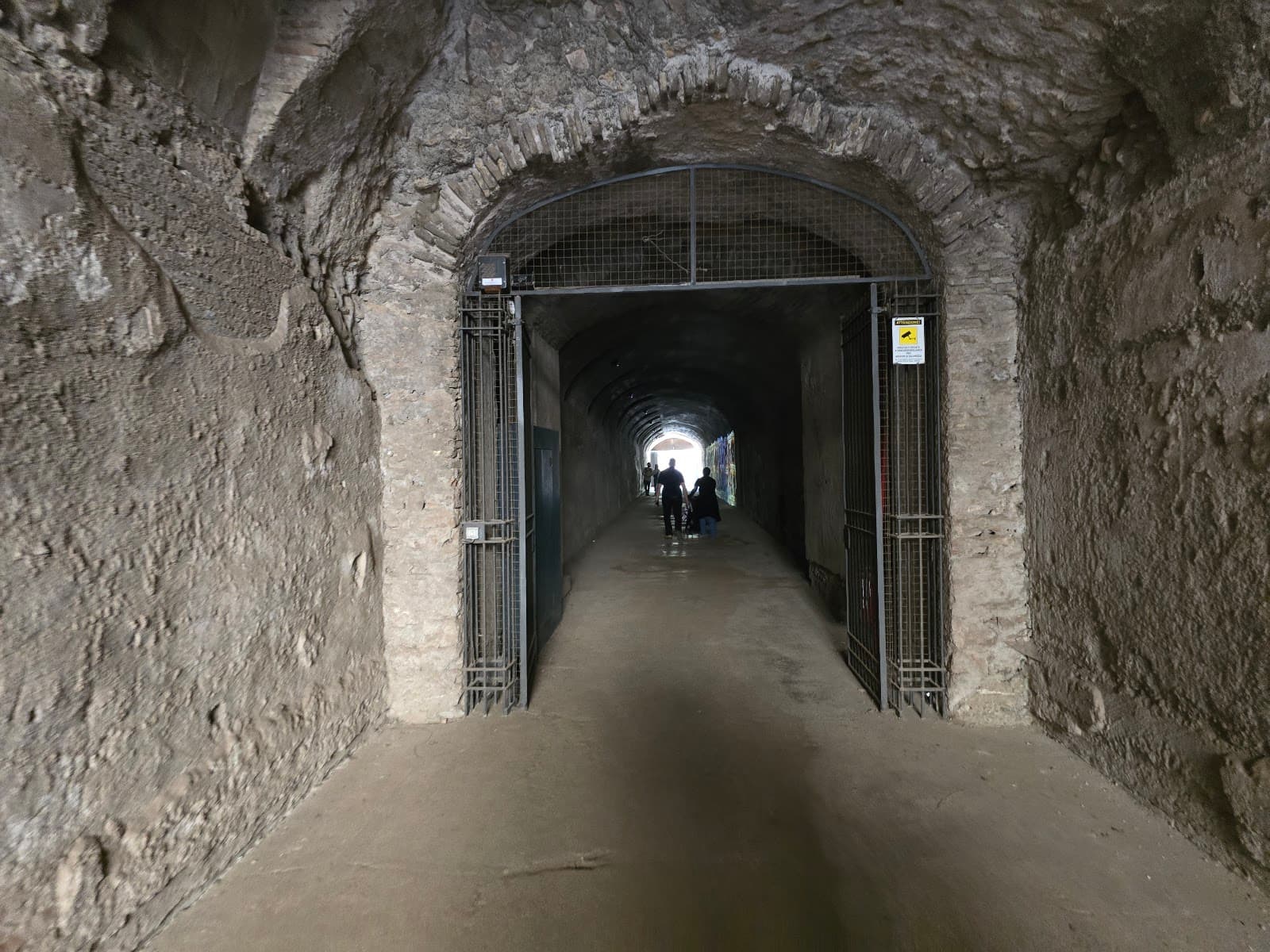
Walk through the underground passageway that connected Nero's palace complex. This vaulted corridor offers a glimpse into the infrastructure of imperial residences.
Tip: Often accessible as part of the Palatine Hill archaeological area.
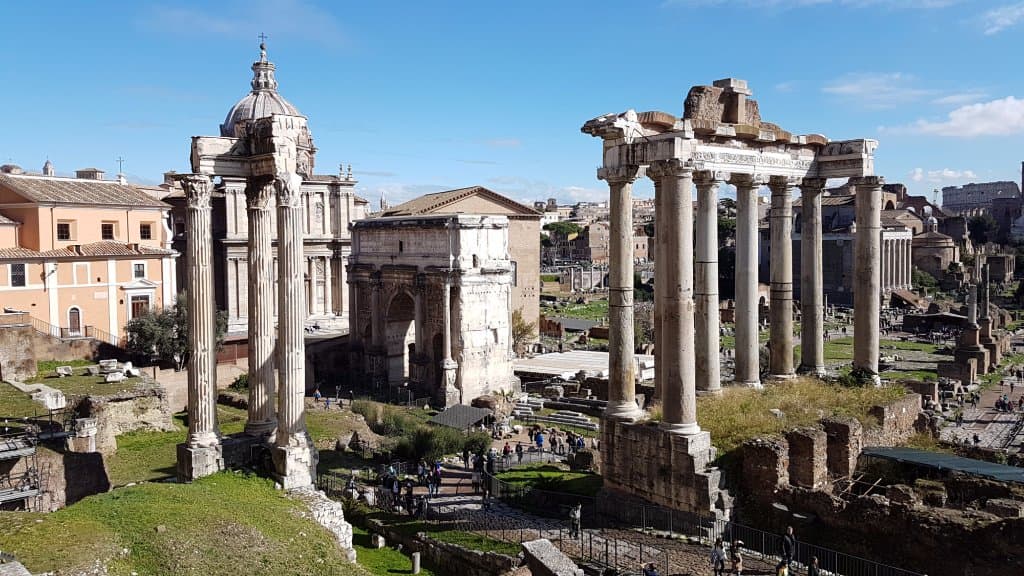
See the remaining three Corinthian columns of this temple, dedicated to the deified emperors Vespasian and Titus. It's a prominent feature in the Roman Forum.
Tip: Its location near the Temple of Saturn makes it easy to combine visits.
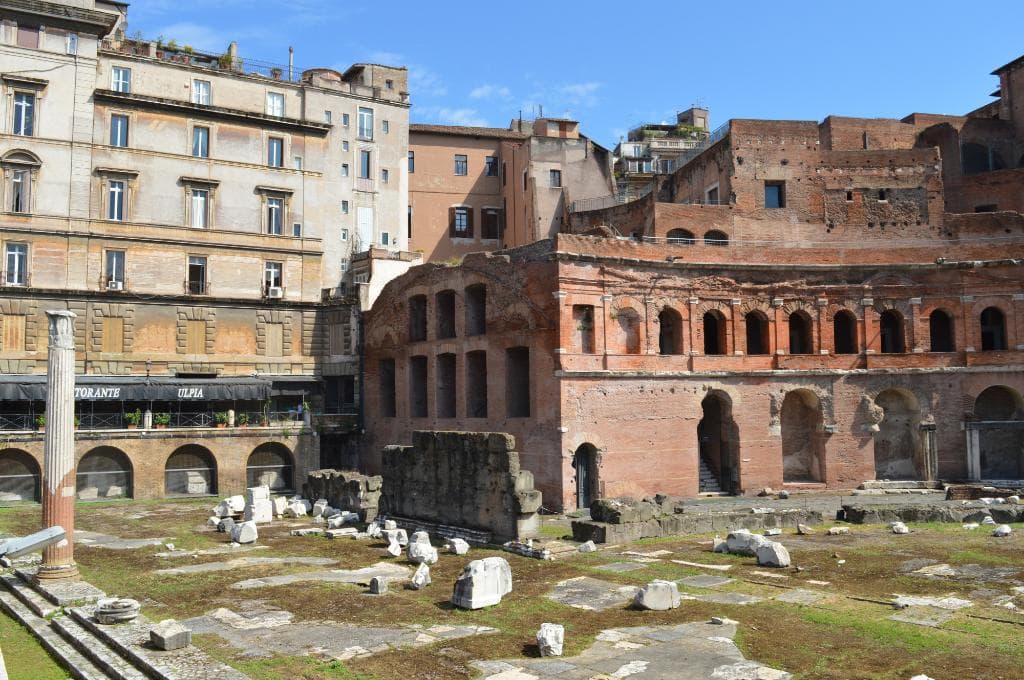
Explore the smallest of the Imperial Forums, built by Emperor Nerva. Its remaining colonnade and the striking 'Colonnacce' (broken columns) are distinctive.
Tip: The 'Colonnacce' are a unique visual element.
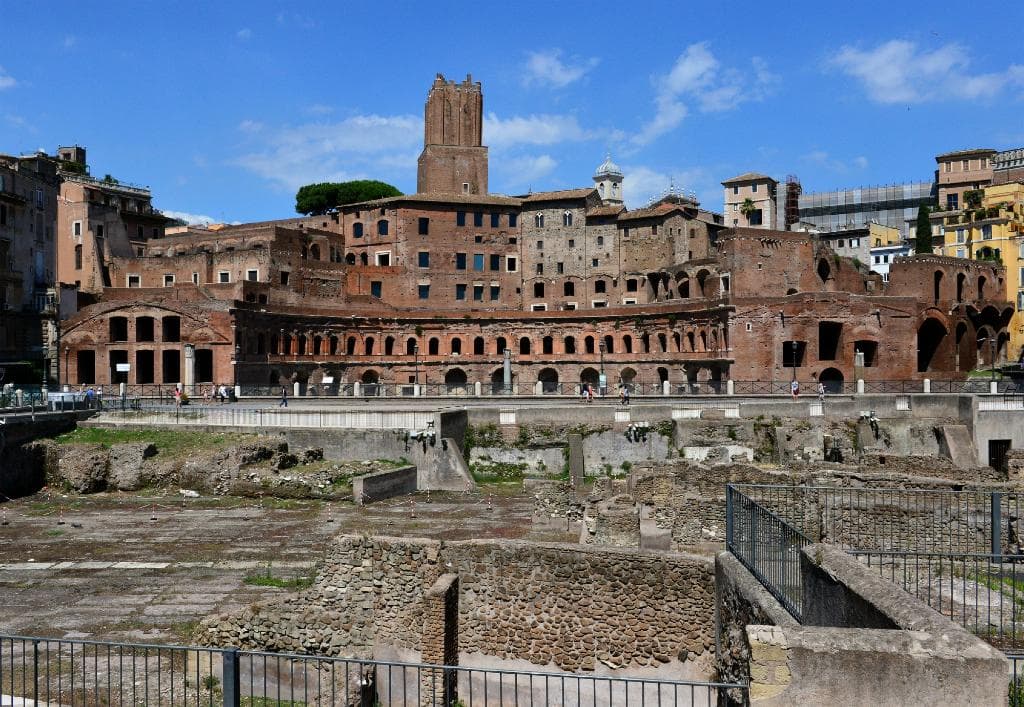
Walk through the impressive ruins of the Forum of Augustus, built to commemorate his victory at the Battle of Philippi. The Temple of Mars Ultor was its centerpiece.
Tip: Look for the remaining walls and the base of the Temple of Mars Ultor.
Explore the first of the Imperial Forums, commissioned by Julius Caesar. It was a significant expansion of the Roman Forum and included a temple dedicated to Venus Genetrix.
Tip: Its construction marked a new era of imperial expansion.

Explore the largest and most magnificent of the Imperial Forums, featuring Trajan's Column, a basilica, and a library. It was a grand testament to Emperor Trajan's power and achievements.
Tip: The scale of this forum is truly awe-inspiring.

View the remains of the Temple of Concord, dedicated to the goddess of harmony. It was a significant site for important political ceremonies and treaties.
Tip: Its location in the Roman Forum made it a central meeting point.
See the remaining three columns of the Temple of Castor, dedicated to the divine twins. It was a significant religious and administrative building in the Roman Forum.
Tip: Often confused with the Temple of Castor and Pollux, but distinct.
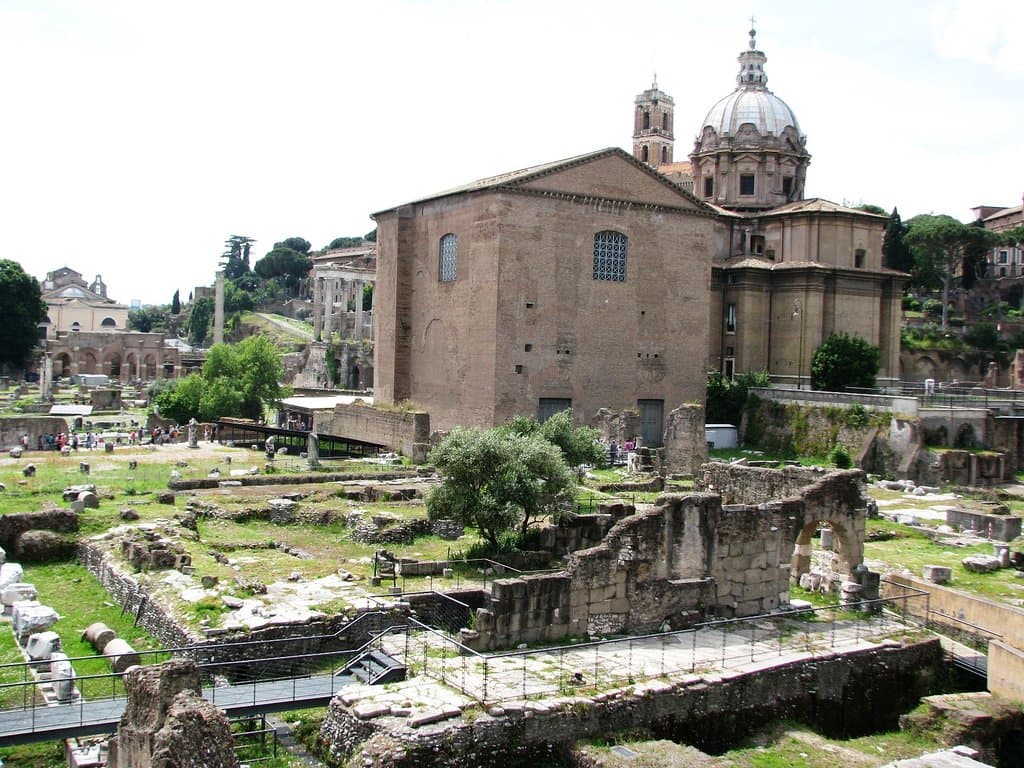
Imagine the bustling commercial and legal activity that once took place in the ruins of the Basilica Aemilia. It was one of the most important basilicas in the Roman Forum.
Tip: Look for the paving stones and remnants of its once-grand structure.
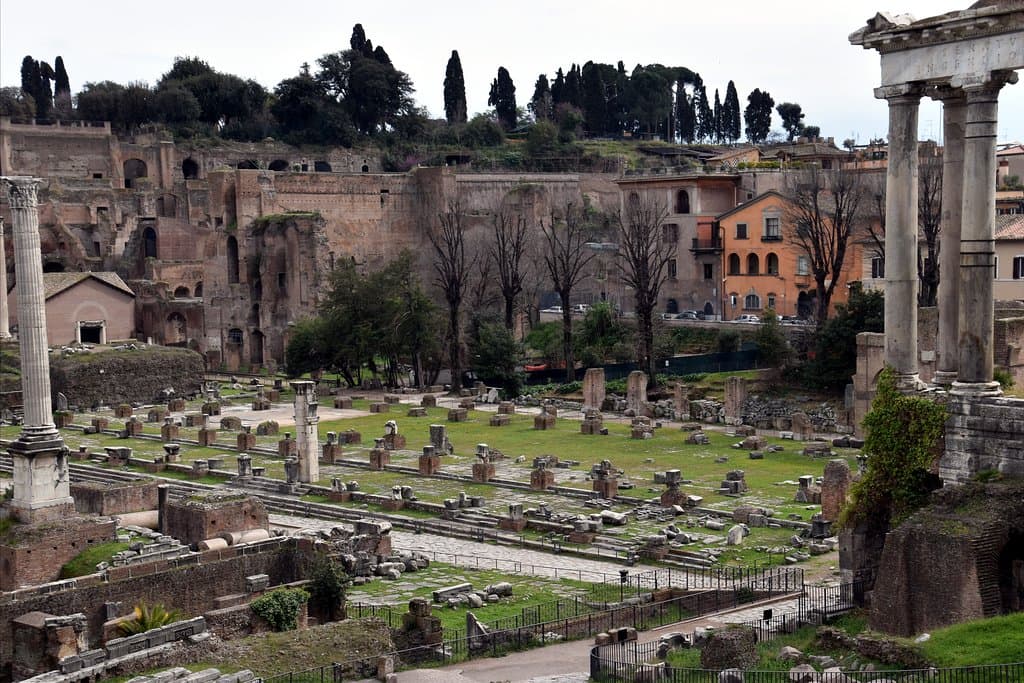
Walk through the foundations of the Basilica Julia, a large public building commissioned by Julius Caesar. It served as a courthouse and meeting place.
Tip: The grid of lines on the floor once marked game boards.
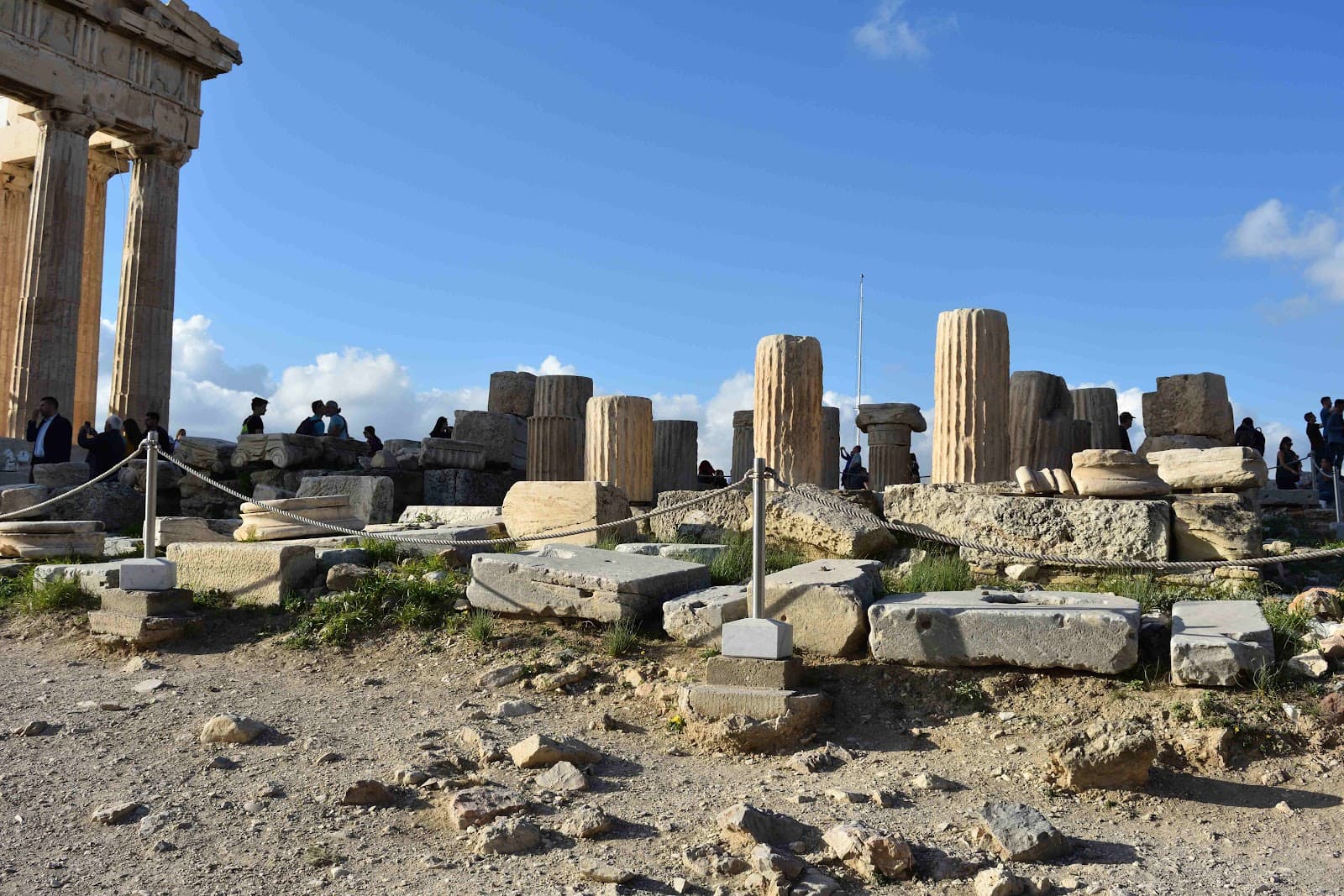
See the remains of the temple dedicated to the deified Augustus, built by his successor Tiberius. It was a significant religious monument in the Roman Forum.
Tip: Its location highlights the importance of the imperial cult.
Though largely vanished, the site of the Arch of Tiberius marks an important triumphal route in ancient Rome. It was erected to commemorate Tiberius's victories.
Tip: Its historical significance is greater than its visible remains.

Visit the site of the most important temple in ancient Rome, dedicated to Jupiter. Though only foundations remain, its historical and religious significance is immense.
Tip: Located on the Capitoline Hill, it was the spiritual heart of Rome.

Discover the location of the Temple of Juno Moneta, which gave its name to 'money' due to the Roman mint being located nearby. It was an important religious site.
Tip: Its historical connection to coinage is fascinating.
Admire the iconic remaining eight columns of the Temple of Saturn, one of the oldest structures in the Roman Forum. It served as the state treasury and was a site for important festivals.
Tip: The remaining columns are a recognizable landmark.
See the remaining three Corinthian columns of this temple, dedicated to the deified Emperor Vespasian. It's a prominent feature in the Roman Forum.
Tip: Its location near the Temple of Saturn makes it easy to combine visits.
See the circular foundation of the Temple of Vesta, where the sacred flame of Rome was kept burning by the Vestal Virgins. It was a central religious site in the Forum.
Tip: The circular plan is unique among Roman temples.
Observe this well-preserved temple, later converted into a church. Its imposing facade with Corinthian columns is a striking feature of the Roman Forum.
Tip: The inscription on the frieze is still visible.
Admire the remarkably intact circular temple in the Forum Boarium, dedicated to Hercules. Its Corinthian columns make it one of the best-preserved ancient Roman buildings.
Tip: One of the oldest marble structures in Rome.
View the well-preserved rectangular temple in the Forum Boarium, dedicated to the god of harbors. Its Ionic columns and ionic frieze are notable features.
Tip: Located near the Tiber River, offering scenic views.
Visit the site of the most important temple in ancient Rome, dedicated to Jupiter. Though only foundations remain, its historical and religious significance is immense.
Tip: Located on the Capitoline Hill, it was the spiritual heart of Rome.
Pass under this triumphal arch, commemorating Emperor Titus's victory in the Jewish War. Its detailed reliefs depict scenes from the conquest of Jerusalem.
Tip: The inner panels are particularly famous for their depiction of the spoils from Jerusalem.
Admire the imposing triple archway that celebrates the victories of Emperor Septimius Severus. Its grand scale and detailed inscriptions offer insights into Roman military achievements.
Tip: The inscriptions on the arch provide historical context.
Admire the largest Roman triumphal arch, commemorating Emperor Constantine's victory. It's notable for its spolia, incorporating elements from earlier monuments.
Tip: The reliefs tell stories of Constantine's reign and victories.
Explore the colossal ruins of one of the largest buildings in the Roman Forum. Its remaining massive arches and concrete vaults showcase advanced Roman engineering.
Tip: Imagine the original scale of this once-grand basilica.
Imagine the bustling commercial and legal activity that once took place in the ruins of the Basilica Aemilia. It was one of the most important basilicas in the Roman Forum.
Tip: Look for the paving stones and remnants of its once-grand structure.
Walk through the foundations of the Basilica Julia, a large public building commissioned by Julius Caesar. It served as a courthouse and meeting place.
Tip: The grid of lines on the floor once marked game boards.
Visit the archaeological remains of the house where Emperor Augustus lived. Though less grand than imperial palaces, it offers a personal glimpse into the life of Rome's first emperor.
Tip: Often visited in conjunction with the House of Livia.
Discover the remains of Emperor Nero's extravagant palace, a vast complex that once covered a significant portion of Rome. Guided tours offer insights into its former splendor.
Tip: Requires booking a guided tour in advance; access is limited.
Imagine the thundering chariots and roaring crowds at the site of ancient Rome's largest stadium. Though mostly a large grassy area now, its scale is still impressive.
Tip: Great for a walk or a picnic with views of Palatine Hill.
See the remaining three columns of the Temple of Castor, dedicated to the divine twins. It was a significant religious and administrative building in the Roman Forum.
Tip: Often confused with the Temple of Castor and Pollux, but distinct.