80 Best Temples and Shrines in Tokyo
Discover Tokyo's most sacred and serene spots with this curated list of temples and shrines. From the iconic Senso-ji and Meiji Jingu to hidden gems like Gotokuji (the 'Cat Temple') and Koami Shrine, find spiritual tranquility and cultural immersion. Explore unique traditions, beautiful architecture, and peaceful gardens that offer a respite from the bustling city.

See what's trending
We've done exactly what you would have done—spent hours scrolling through TikTok, Instagram, and Reddit to find the absolute best experiences. These 33 recommendations come from real travelers sharing their unfiltered takes, hidden gems, and insider secrets. No travel agency fluff, just the wisdom of people who've actually been there. This is how everyone really plans their trips these days.


A peaceful oasis dedicated to Emperor Meiji and Empress Shoken, this shrine is surrounded by a vast forest, offering a serene escape from the city bustle. It's a perfect spot for a tranquil walk and to experience traditional Shinto architecture.
Tip: Visit early in the morning to avoid crowds and experience the quiet grounds.

Tokyo's oldest temple, Senso-ji in Asakusa is a vibrant and iconic landmark. Explore the Nakamise-dori market leading up to the main hall for traditional snacks and souvenirs, and admire the impressive Kaminarimon Gate.
Tip: Visit early in the morning or late at night for a more peaceful experience.

Located near Akihabara, this vibrant shrine is dedicated to deities of prosperity and good fortune. It's also popular with tech enthusiasts, offering unique charms for electronics and a lively atmosphere.
Tip: Look for the unique charms and ema (prayer plaques) related to technology.
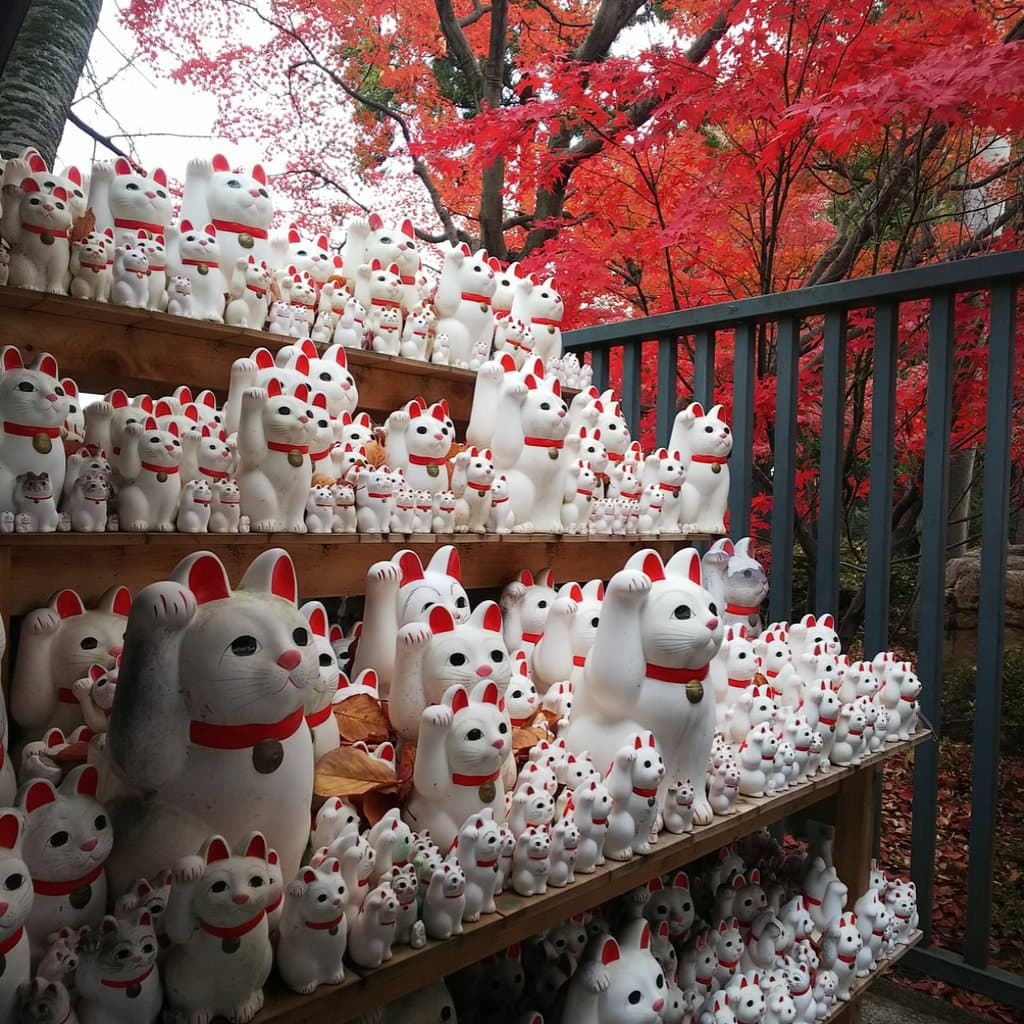
Famous for its thousands of 'maneki-neko' (beckoning cat) figurines, Gotokuji Temple is a whimsical and charming destination. Visitors can purchase their own lucky cat to leave at the temple.
Tip: Consider buying a maneki-neko to leave as a donation or take home.

This shrine is known as the guardian deity of Tokyo and offers a peaceful escape with its lush greenery and vibrant red torii gates. It's a beautiful spot to experience a more traditional side of the city.
Tip: Climb the stairs for a rewarding view and a sense of accomplishment.
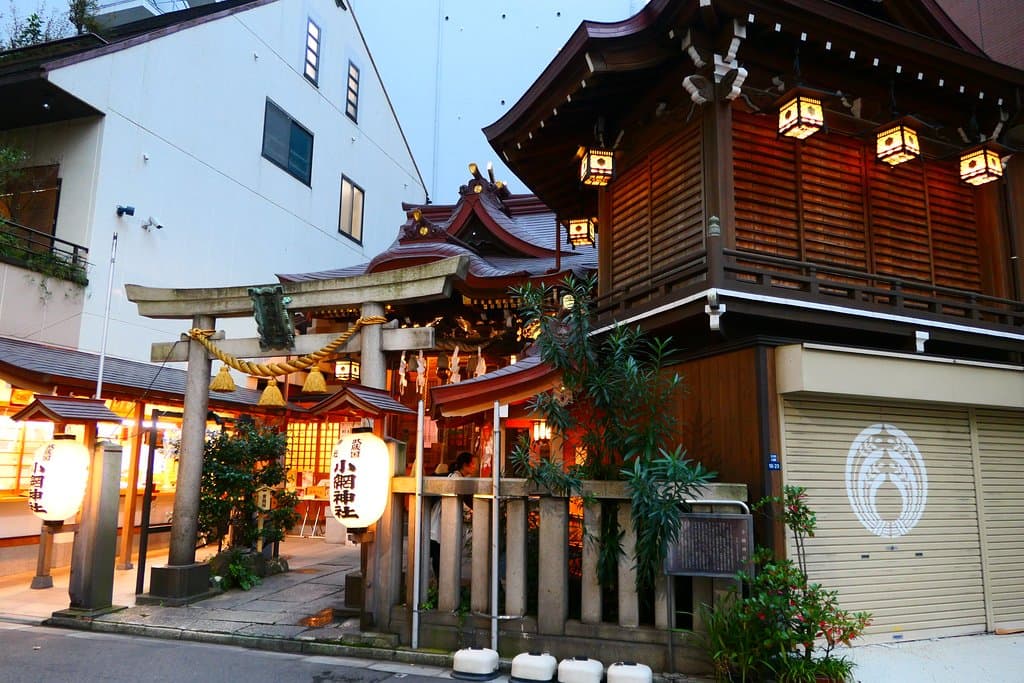
This historic shrine is renowned for its 'good luck' purification ritual, believed to bring financial fortune. It's a popular spot for those seeking blessings and a touch of spiritual prosperity.
Tip: Participate in the purification ritual for a chance to boost your fortune.
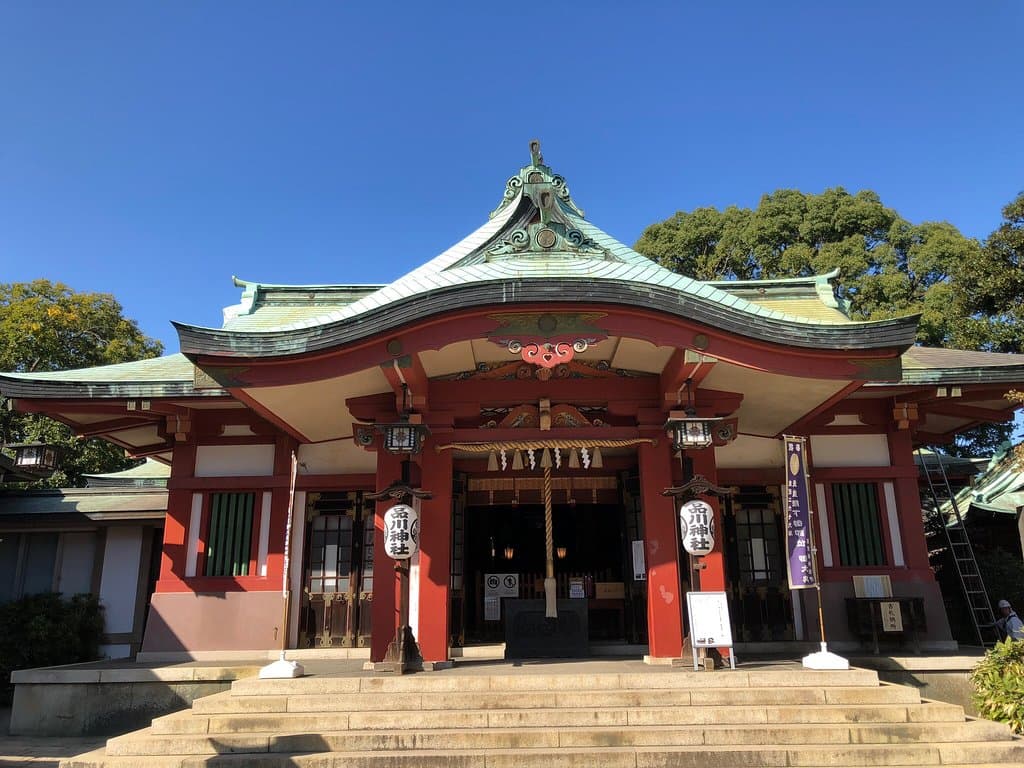
A significant shrine in the Shinagawa area, known for its historical importance and its association with good fortune. It's a great place to experience local worship and traditional Japanese culture.
Tip: Explore the surrounding area for a more comprehensive local experience.
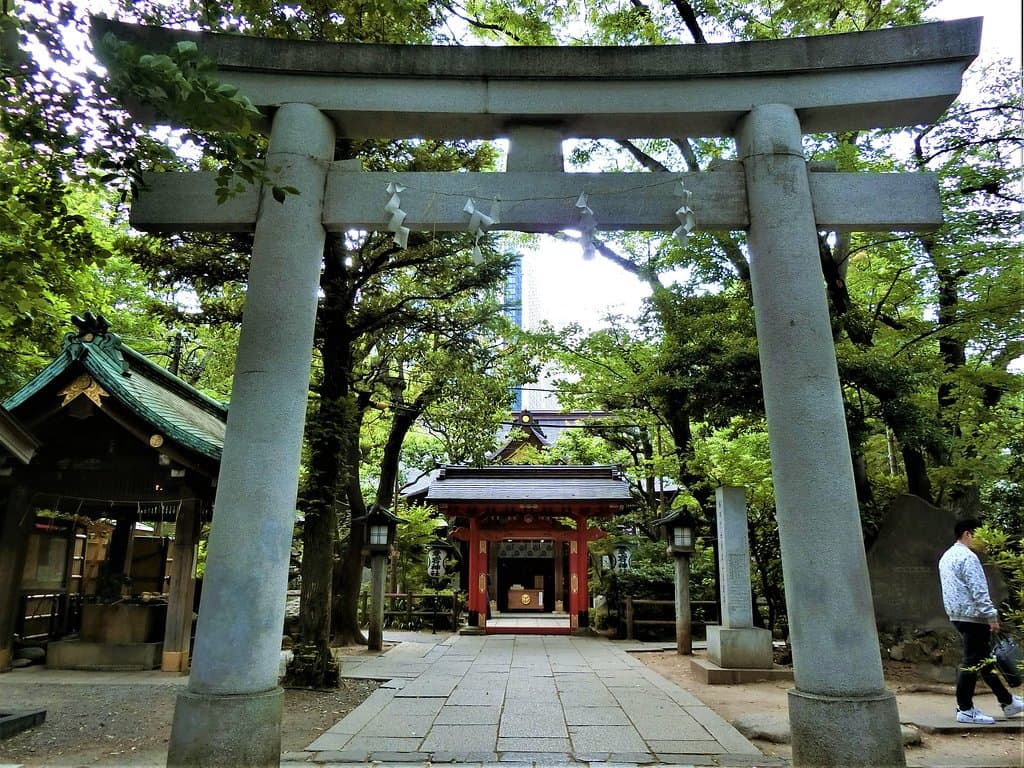
Perched atop a hill, Atago Shrine is famous for its steep 'Success Stairs,' which are said to bring good fortune in business to those who climb them. It offers a unique challenge and a rewarding view.
Tip: Be prepared for the climb; it's a popular spot for businessmen seeking success.
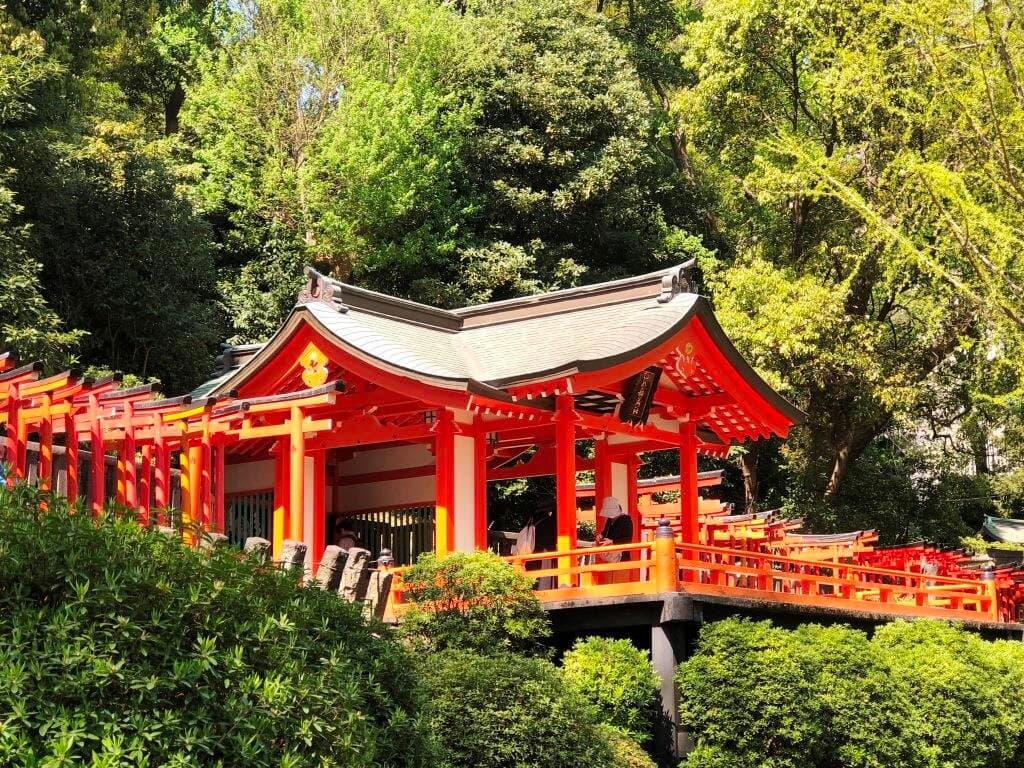
Known for its stunning azalea gardens (in season) and a tunnel of vibrant red torii gates, Nezu Shrine offers a picturesque and tranquil experience. It's a beautiful spot for photography and quiet contemplation.
Tip: Visit during azalea season (typically April-May) for the most spectacular display.
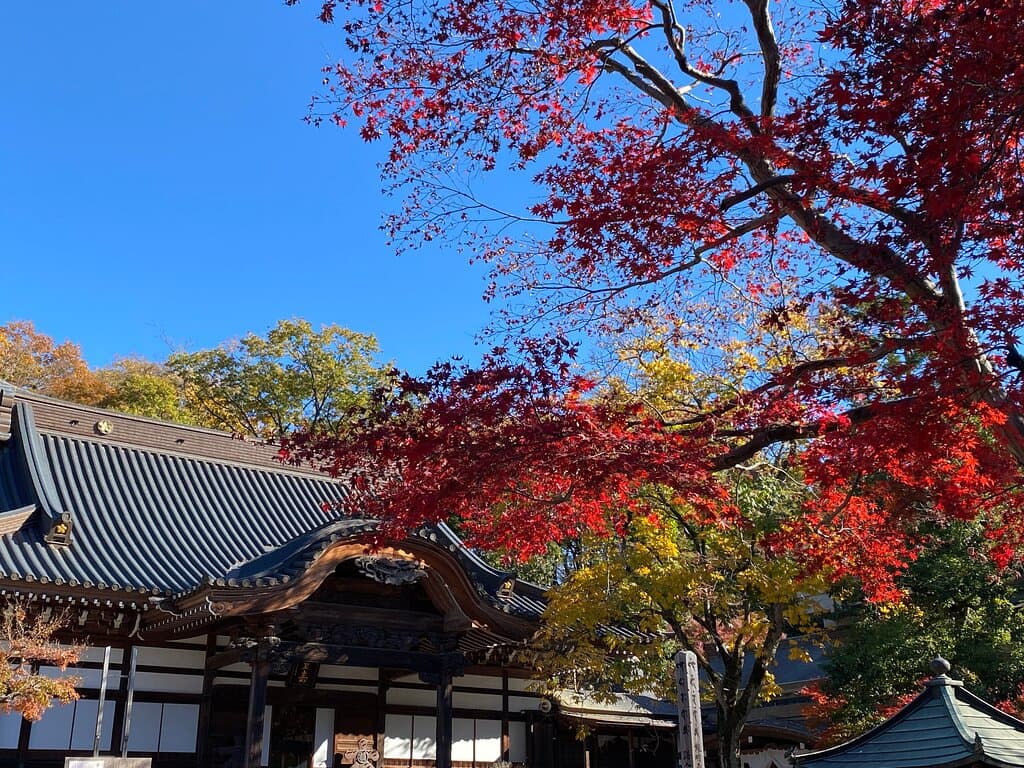
As Tokyo's second oldest temple, Jindaiji offers a glimpse into ancient history with its serene grounds and traditional architecture. The surrounding area is also known for its charming soba noodle shops.
Tip: Try the local soba noodles after your temple visit.
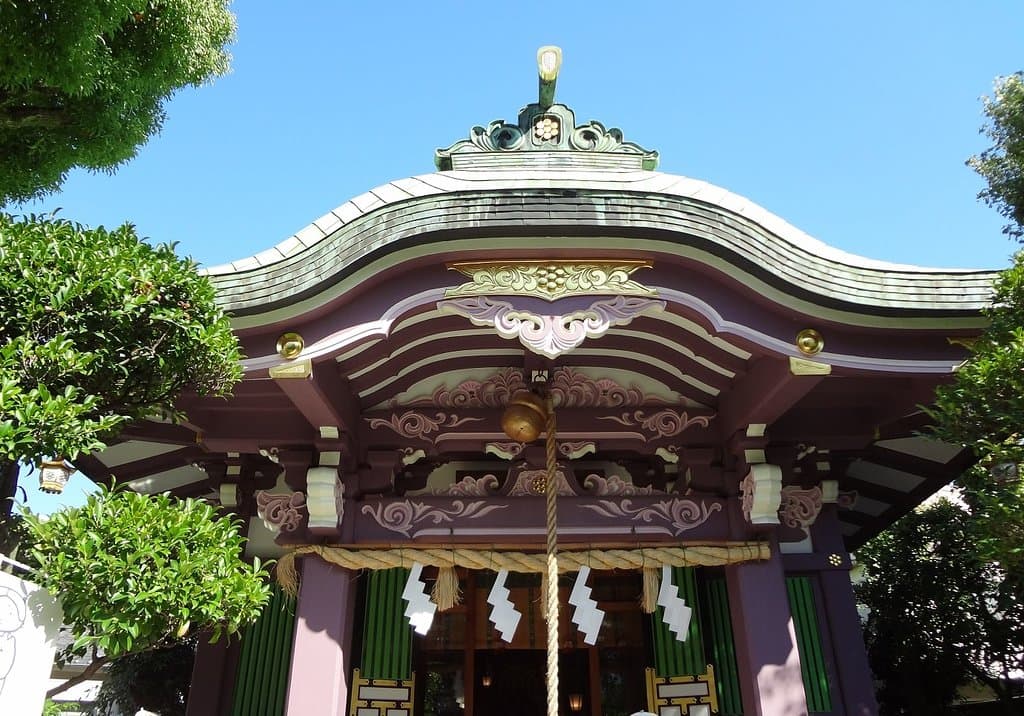
This unique shrine stands out with its distinctive purple hue and onigiri (rice ball) decorations. You can find onigiri motifs on prayer boards, amulets, and even purchase them.
Tip: Look for the special onigiri-themed amulets and prayer boards.
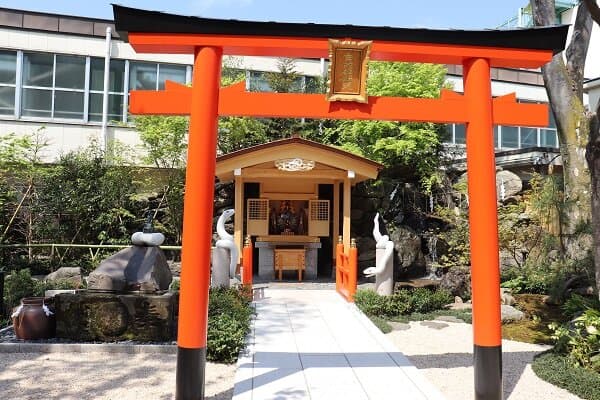
This shrine is a 'power spot' tied to the legend of the white snake, a symbol of wealth and renewal. Visitors can stroke the white snake statues for blessings of prosperity.
Tip: Gently stroke the 'Nade Shirohebi' (white snake statues) for blessings.
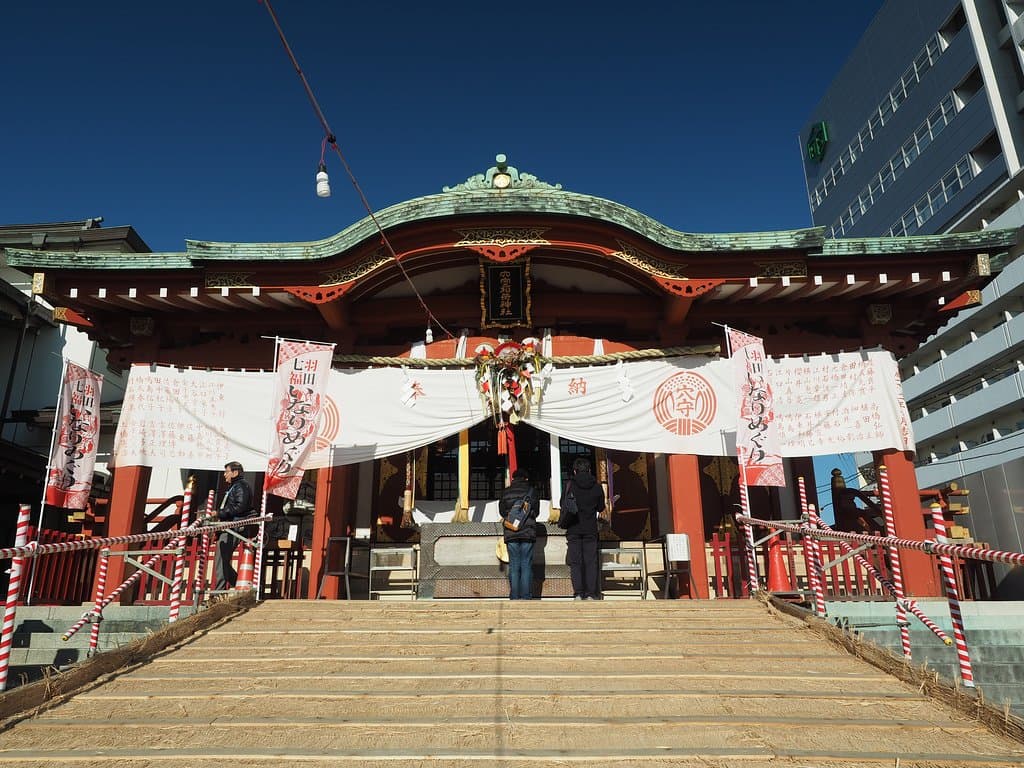
A hidden gem offering a tranquil atmosphere away from the crowds, this shrine is a peaceful retreat. It's a great option for those seeking a more serene and less touristy spiritual experience.
Tip: Enjoy the quiet and serene environment, a perfect escape from the city.
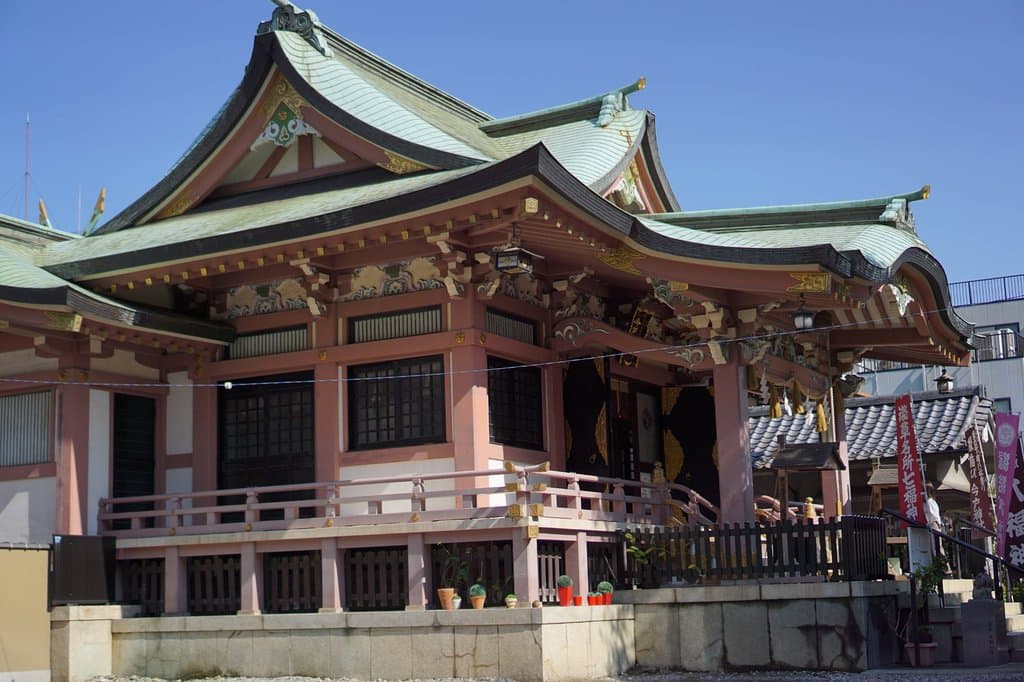
This charming shrine is known as the birthplace of the 'maneki-neko' (beckoning cat) and is dedicated to the deities of love and matchmaking. It's a delightful spot with a unique cultural significance.
Tip: Look for the numerous maneki-neko statues scattered throughout the shrine.

A significant and often discussed shrine, Yasukuni Shrine is dedicated to the spirits of those who died in service of the Emperor of Japan. It's a place of remembrance and reflection.
Tip: Be mindful of the shrine's historical context and significance.
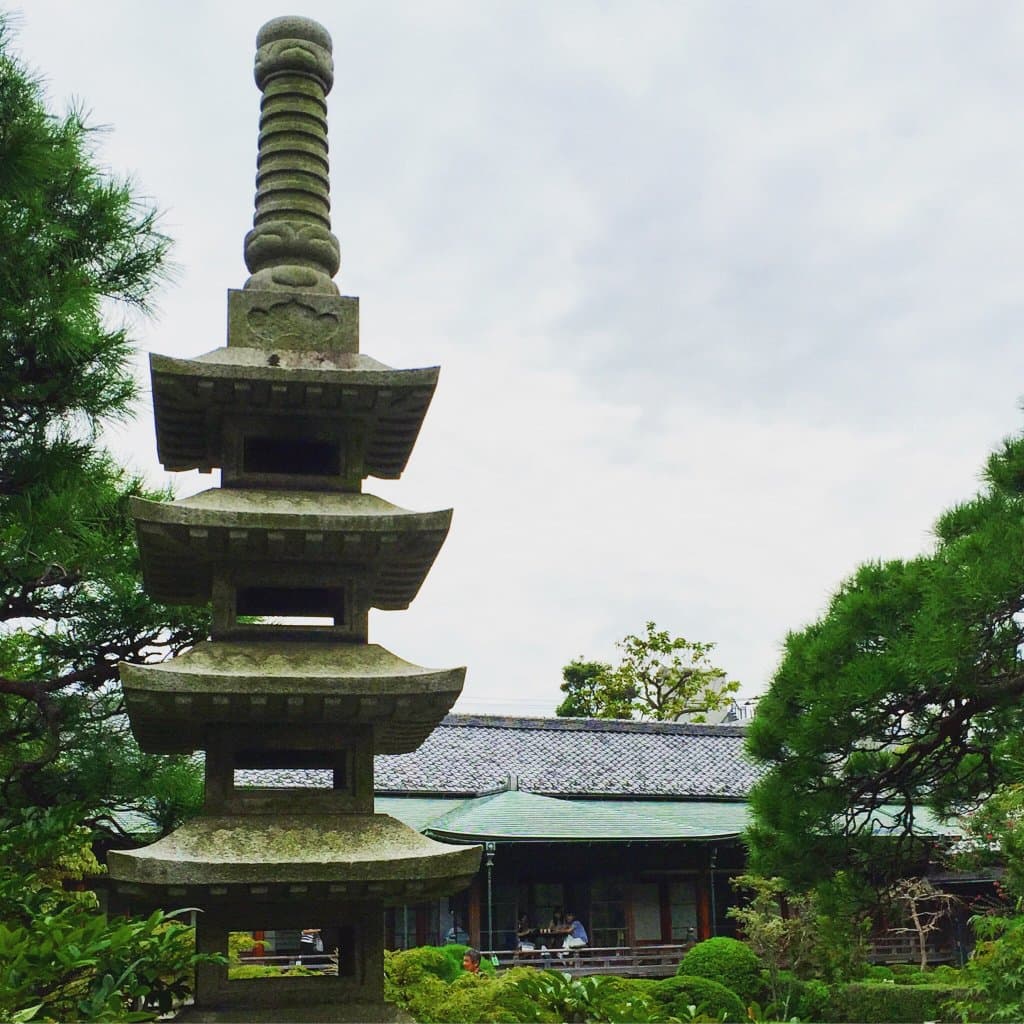
This temple and its surrounding Taishakuten-sando street offer a nostalgic journey back in time with traditional low buildings selling Japanese snacks and goods. It's a charming area for a leisurely stroll.
Tip: Explore the Taishakuten-sando street for local treats and souvenirs.
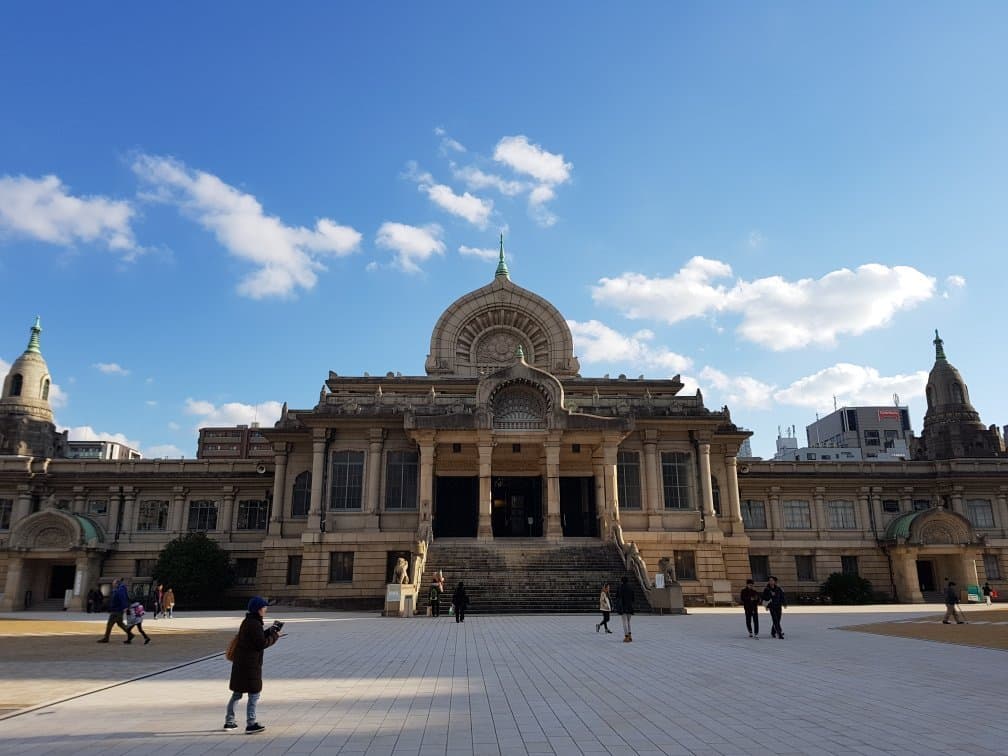
With a unique architectural style inspired by Silk Road temples, Tsukiji Honganji is one of Tokyo's most visually distinctive Buddhist temples. Its grand facade and interior offer a striking contrast to typical Japanese temple designs.
Tip: Admire the temple's unique blend of Indian and Japanese architectural influences.
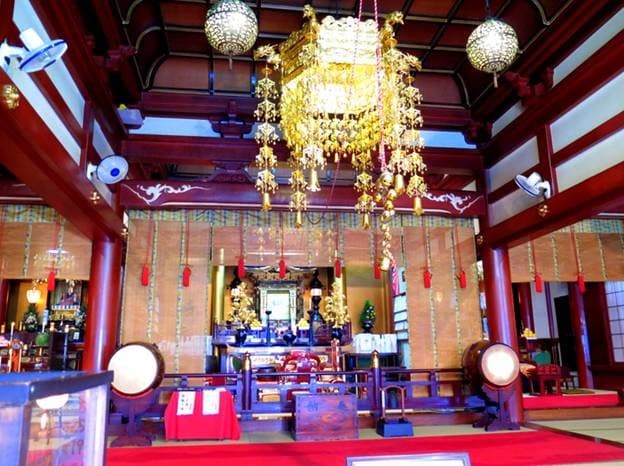
Dedicated to Marishiten, a deity historically patronized by swordsmen, this temple in Ueno is a peaceful stop. It's a place to pray for protection and find a moment of calm amidst the city.
Tip: A good spot to visit if you appreciate historical deities and a quiet atmosphere.
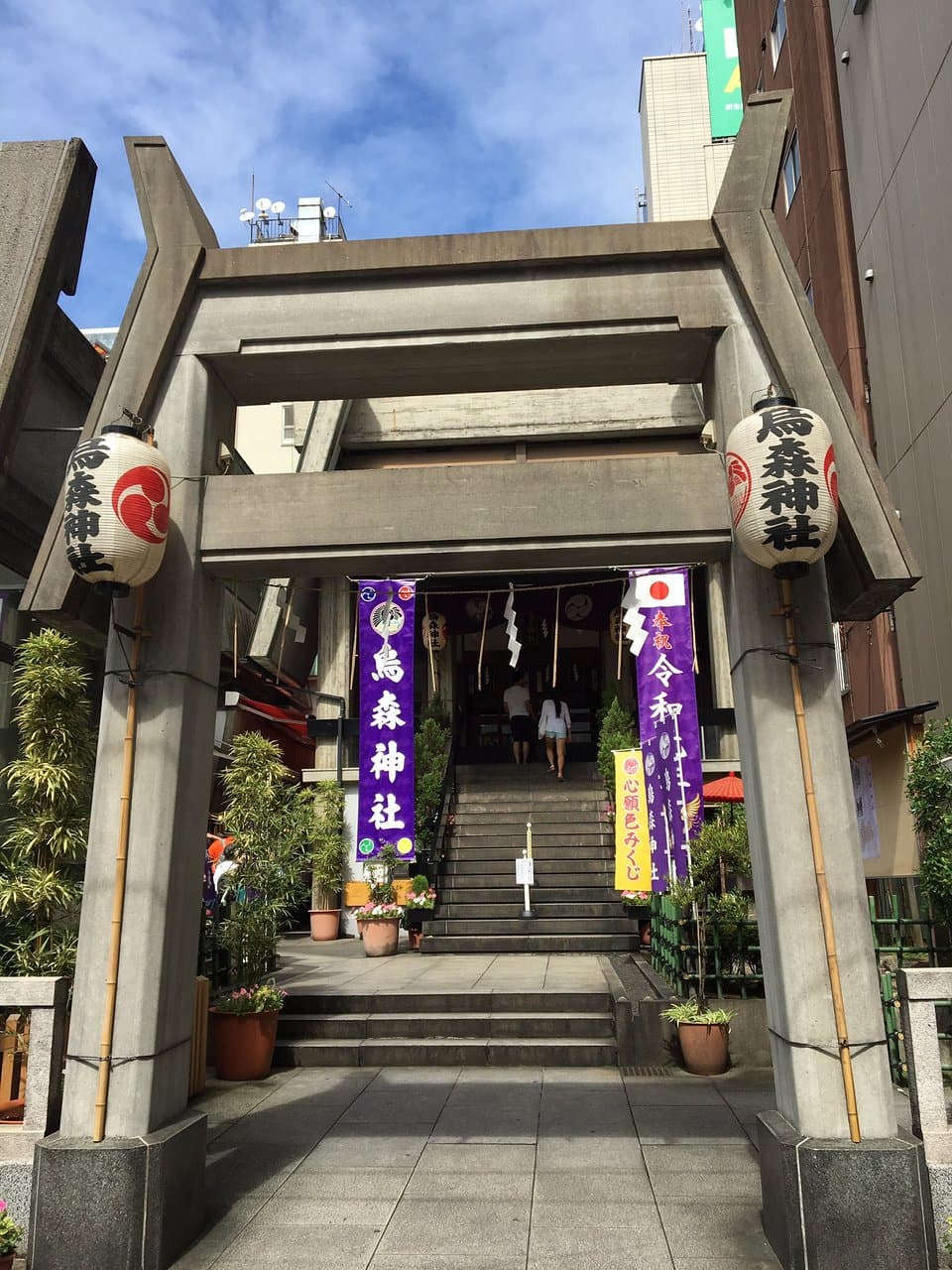
This shrine, dedicated to crows, offers a unique theme for visitors. It's a small but interesting spot near Shimbashi Station, known for prayers for protection and prevention of calamities.
Tip: A unique shrine for those interested in less common deities and themes.
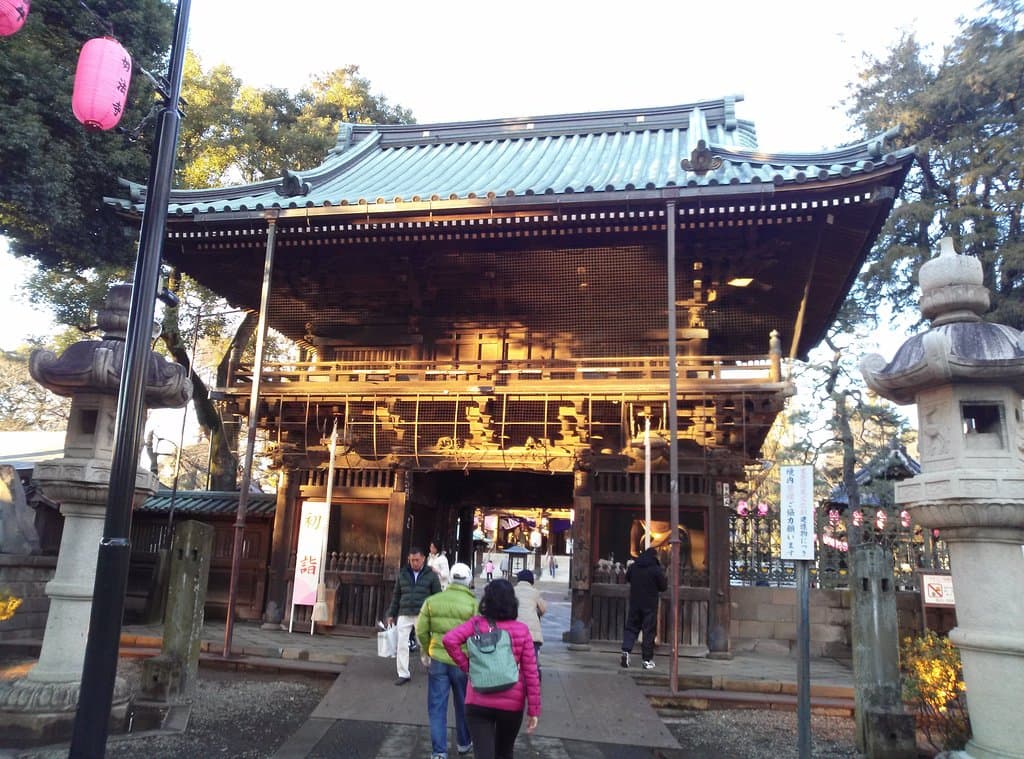
Tucked away in South Koenji, Myouhoji Temple is a serene and beautiful spot with many quiet nooks. It's a perfect place to escape the crowds and find a moment of peace.
Tip: Enjoy the tranquility and explore the various peaceful corners of the temple.
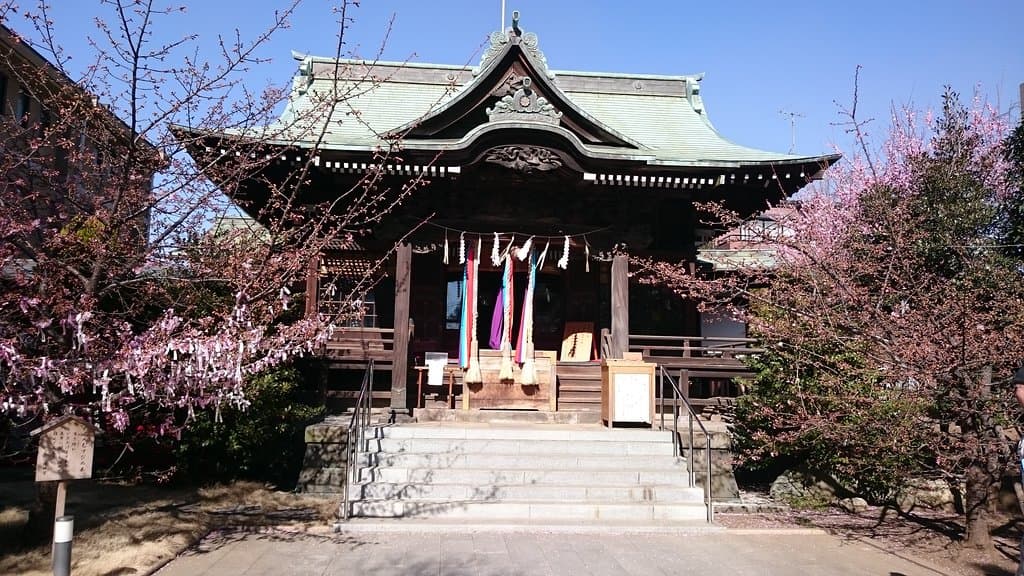
A peaceful shrine known for its cherry blossoms (in season) and a tranquil atmosphere. It's a lovely spot for quiet contemplation and enjoying natural beauty.
Tip: Especially beautiful during cherry blossom season, but peaceful year-round.

Offering a striking contrast with Tokyo Tower in the background, Zojoji Temple is a significant Buddhist temple with a long history. It provides a unique juxtaposition of old and new Tokyo.
Tip: Great photo opportunities with Tokyo Tower as a backdrop.
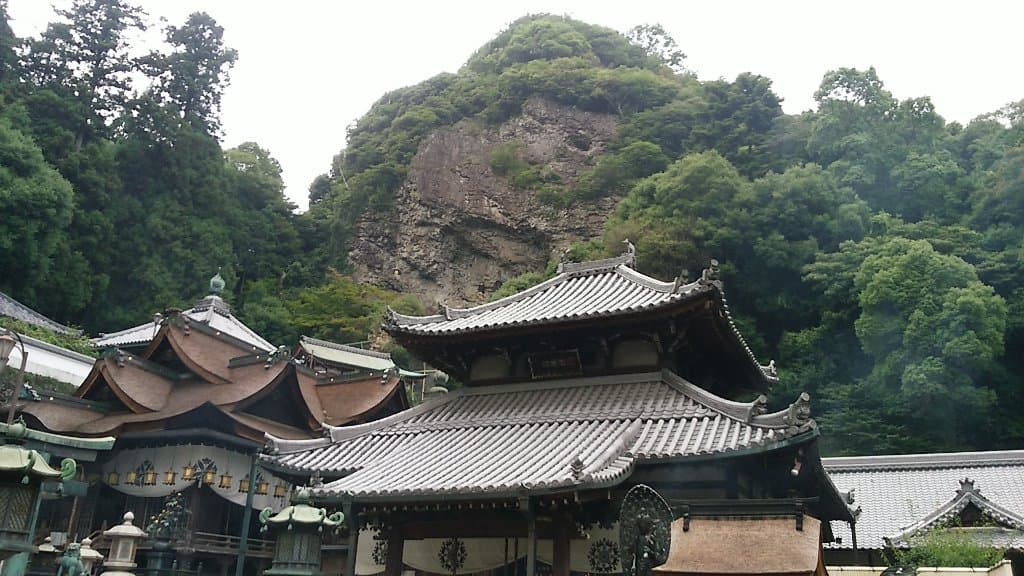
This temple is noted for its connection to the anime film 'Your Name.' and its Studio Ghibli-esque atmosphere. It's a pilgrimage site for fans of the movie and those seeking a picturesque spiritual spot.
Tip: A must-visit for fans of the anime film 'Your Name.'
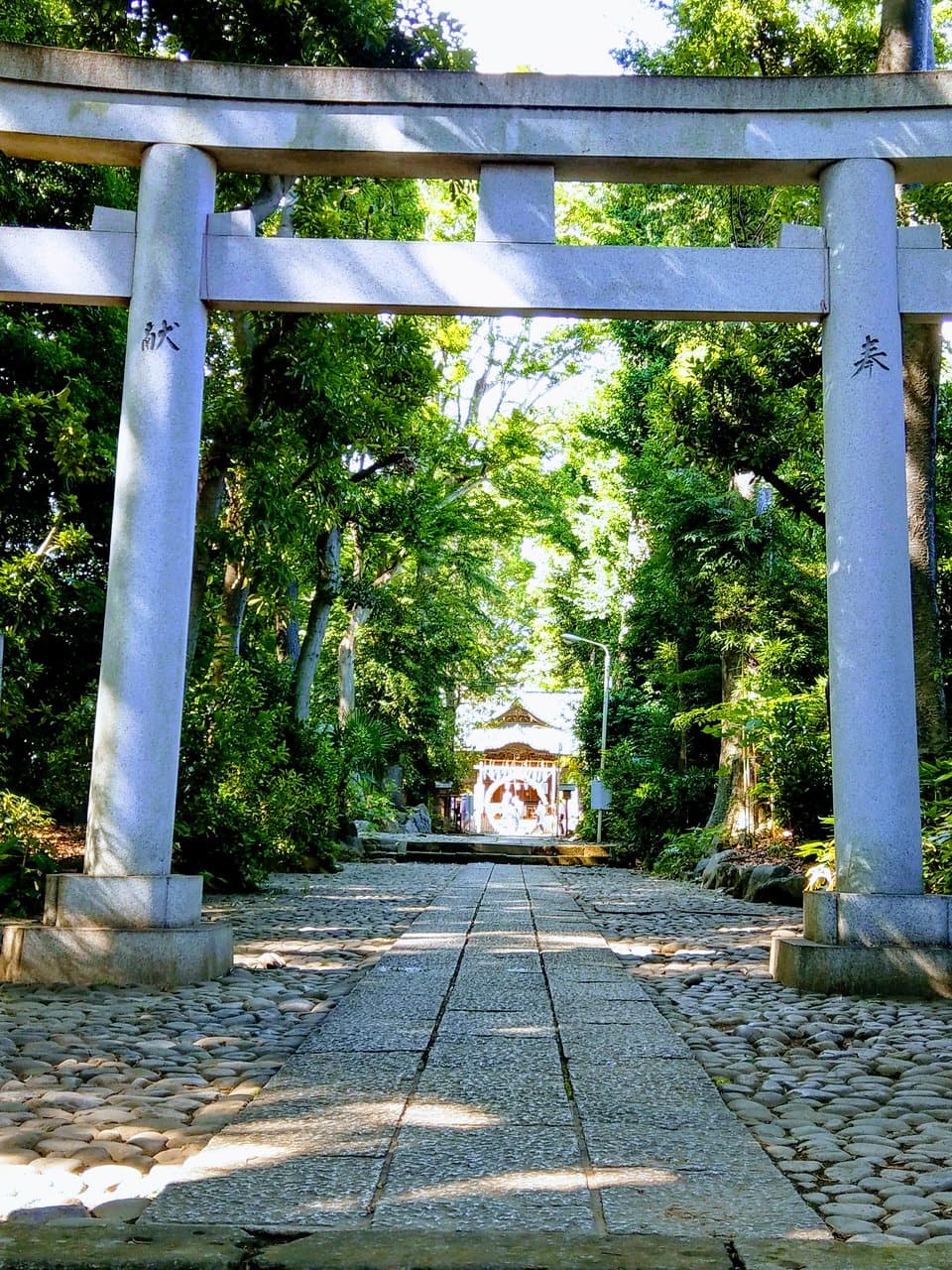
A smaller, less crowded shrine near Yoyogi Park, offering a more intimate spiritual experience. It's a good alternative to the busier Meiji Jingu for those seeking a quieter visit.
Tip: A good option for a peaceful visit before or after exploring Yoyogi Park.
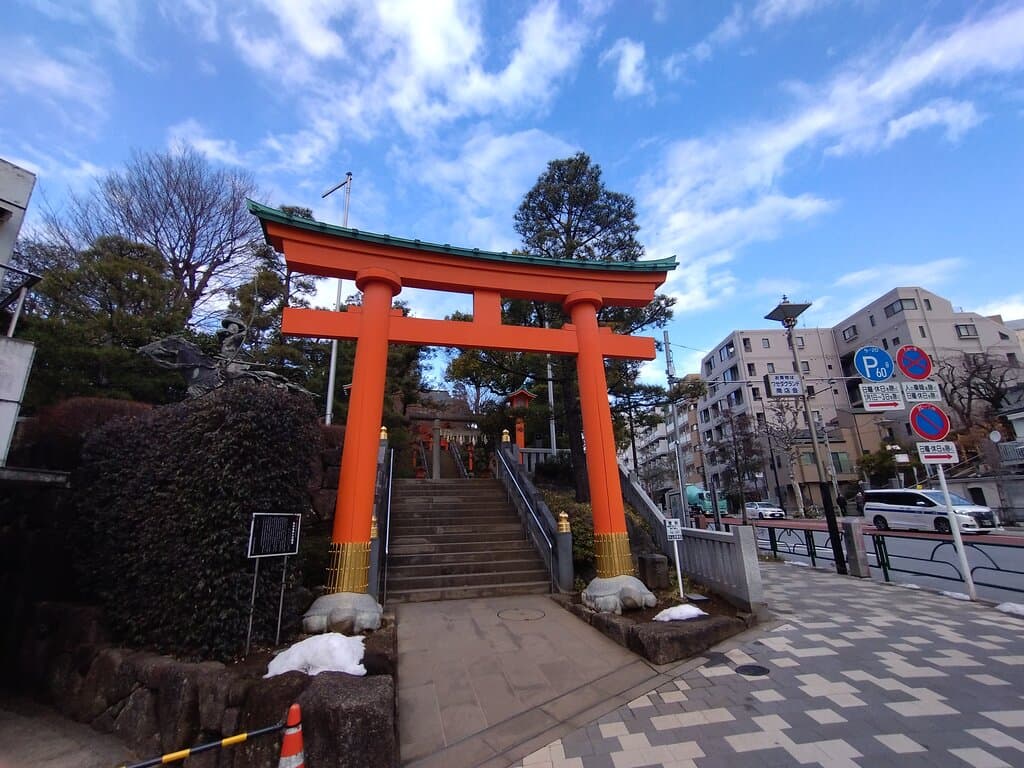
This shrine is known for its association with good luck and prosperity, making it a popular destination for those seeking blessings. It offers a glimpse into local spiritual practices.
Tip: A worthwhile stop for those interested in seeking good fortune.

While technically a day trip from Tokyo, the Great Buddha of Kamakura is an awe-inspiring sight. This massive bronze statue is a powerful symbol of Buddhism and a must-see for its sheer scale and historical significance.
Tip: Consider visiting Kamakura for a day trip to see the Great Buddha and other temples.

Located in Kamakura, Hase-dera is renowned for its stunning gardens that change beautifully with the seasons. The temple also houses a large wooden statue of Kannon, the goddess of mercy.
Tip: Check their website for information on seasonal blooms and events.
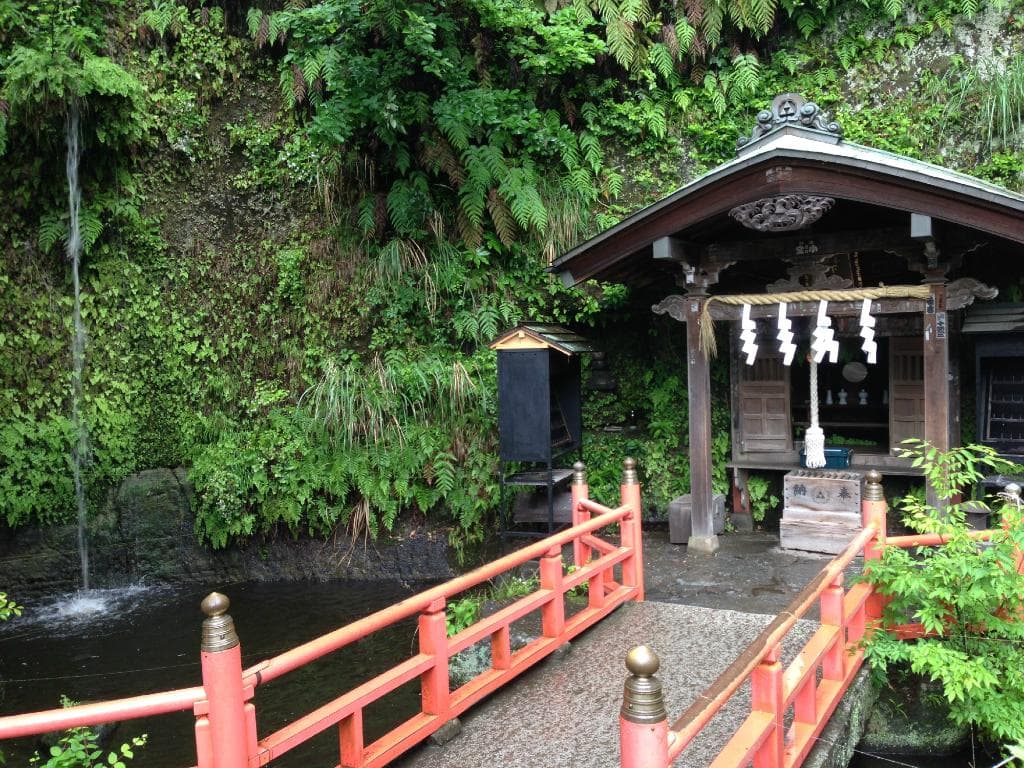
This unique shrine in Kamakura is famous for its 'money washing' ritual. Visitors can wash their money in the sacred spring, believing it will multiply their wealth.
Tip: Bring cash to wash for good fortune.
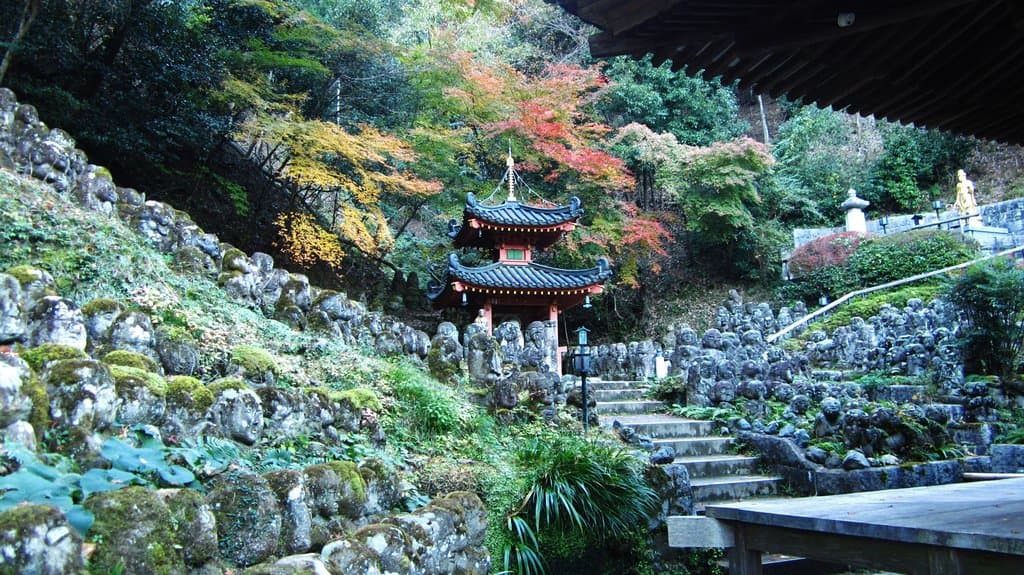
Located in Kyoto, this temple is famous for its 1,200 unique and whimsical stone statues of Rakan (disciples of Buddha), each with a different expression. It's a truly unique and charming spiritual site.
Tip: Take your time to discover the individuality of each statue.
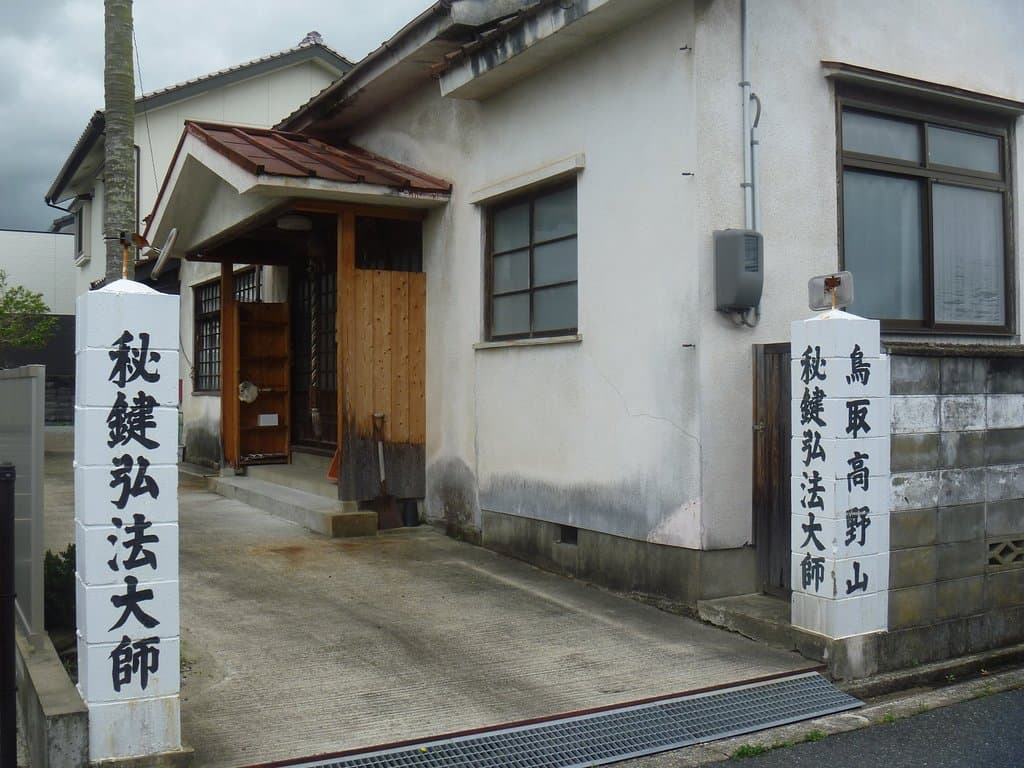
A sacred mountain retreat in Wakayama Prefecture, Koyasan is the center of Shingon Buddhism. It offers a profound spiritual experience with numerous temples, shrines, and the atmospheric Okunoin cemetery.
Tip: Consider an overnight stay in a temple lodging for a full experience.

One of Japan's most important Zen Buddhist temples, Eiheiji is known for its rigorous monastic training and its stunning, expansive grounds. It offers a deep dive into Zen practice and architecture.
Tip: A significant pilgrimage site for Zen Buddhists and those interested in its practice.
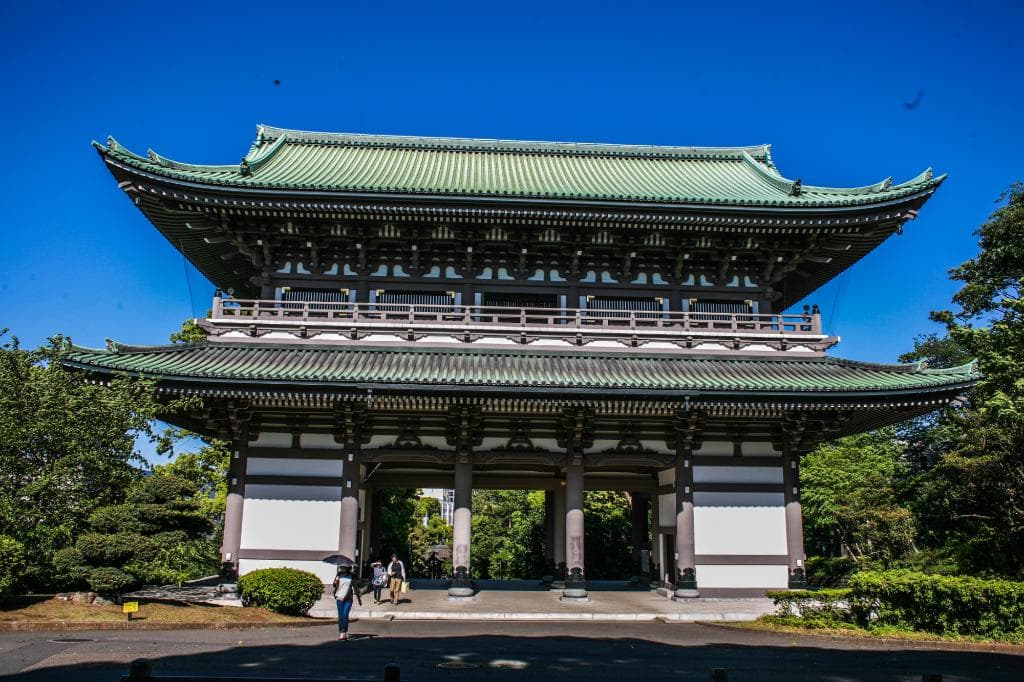
This temple is significant as the training ground for many monks and offers a peaceful environment for reflection. It's a place with deep spiritual roots and a serene atmosphere.
Tip: A place of quiet contemplation and spiritual significance.

The most famous shrine in Kamakura, Tsurugaoka Hachiman-gu is a significant historical site, notably known as the location of a shogun's assassination. It's a grand shrine with a rich past.
Tip: Explore the history associated with this important shrine.
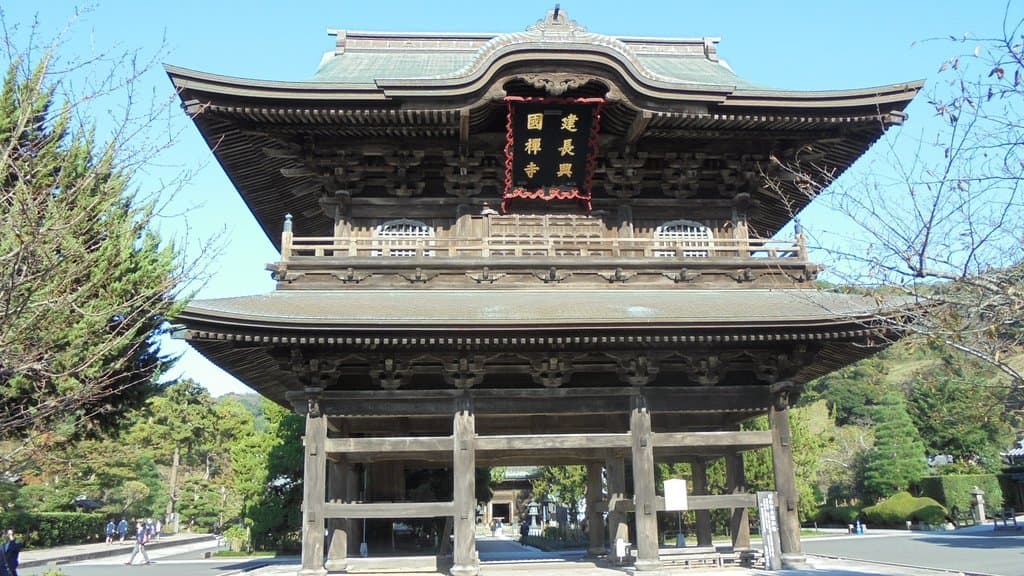
One of Kamakura's prominent Zen temples, Kencho-ji is known for its impressive grounds and numerous statues of Tengu, mythical creatures often depicted as bird-like humanoids.
Tip: Look for the various statues of Tengu scattered throughout the temple complex.

While not strictly a temple or shrine, this expansive garden offers a tranquil oasis in the heart of Shinjuku. Its diverse garden styles provide a peaceful escape with the city skyline as a backdrop.
Tip: Experience the unique juxtaposition of nature and the bustling city.
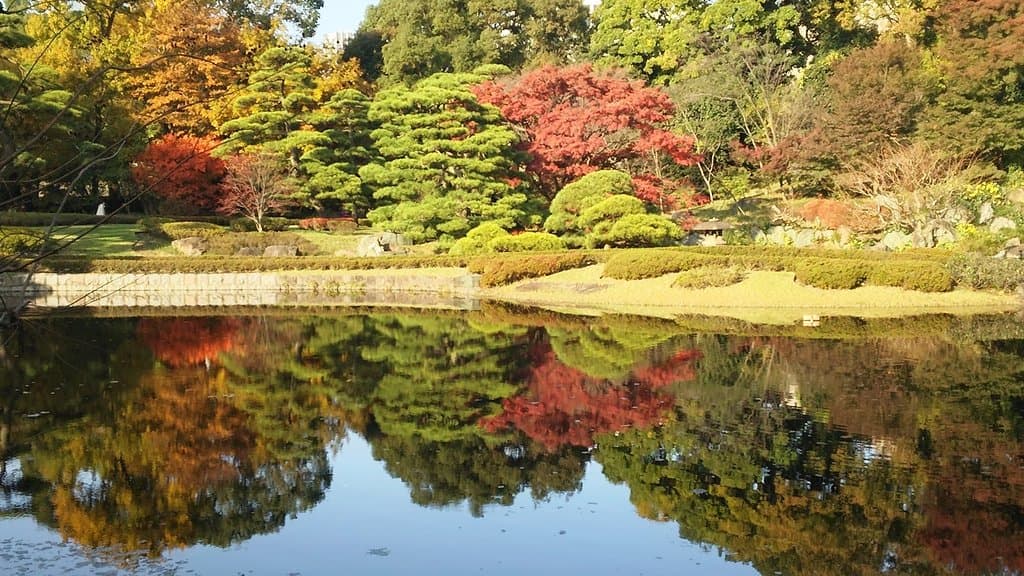
The former site of Edo Castle, these gardens offer a glimpse into Japan's feudal past with moats, massive stone walls, and guardhouses. It's a historical and serene space within the city.
Tip: Explore the remnants of Edo Castle and enjoy the historical atmosphere.
This shrine is known for its special hydrangea-themed 'goshuin' (temple stamp) during a limited period. It's a unique souvenir for those who appreciate calligraphy and seasonal motifs.
Tip: Inquire about seasonal goshuin designs for a unique memento.
Adjacent to Myouhoji Temple, Shinsei-ji is described as feeling like a hidden garden walled in by trees. It offers a secluded and tranquil experience for visitors seeking peace.
Tip: A perfect spot for quiet contemplation and enjoying nature's embrace.

While Tenryu-ji is in Kyoto, its Gohyakurakan (500 Arhats) statues are a significant and visually striking collection, each with a unique expression, offering a profound spiritual and artistic experience.
Tip: Take time to appreciate the individuality and artistry of each statue.

Located in Kyoto, Kifune Shrine is famous for its stunning staircase lined with red lanterns, creating a magical atmosphere, especially at night. It's dedicated to the god of water.
Tip: Visit at night for a truly enchanting experience with the illuminated lanterns.

A UNESCO World Heritage site in Kyoto, Kiyomizu-dera is famous for its wooden stage that juts out from the hillside, offering panoramic views of the city. It's a historic and iconic temple.
Tip: Enjoy the panoramic views from the famous wooden stage.
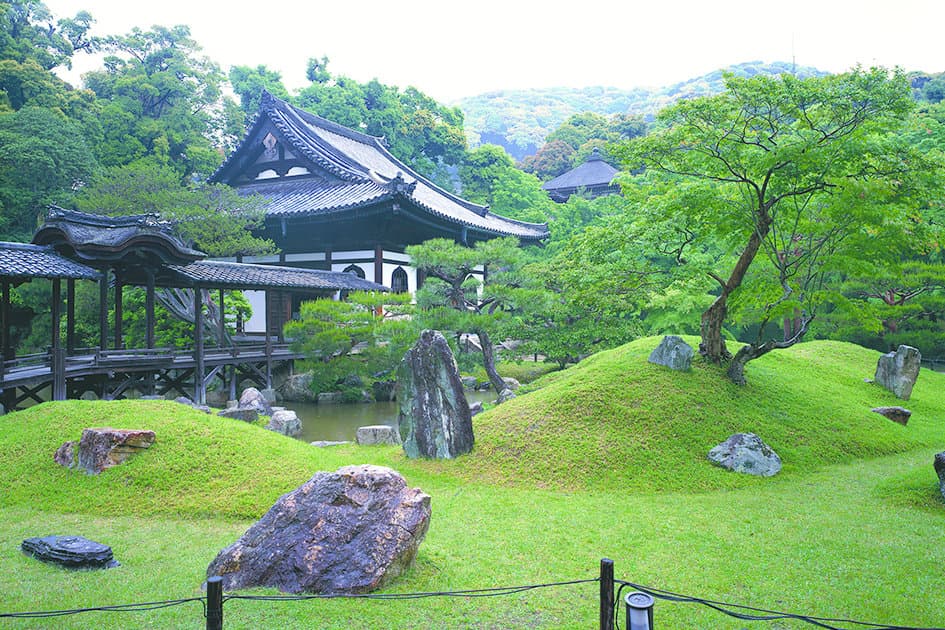
This temple in Kyoto is known for its beautiful Zen gardens, including a rock garden and a bamboo grove. It offers a serene and aesthetically pleasing experience.
Tip: Wander through the meticulously maintained gardens for a peaceful experience.

The iconic Golden Pavilion in Kyoto is a Zen Buddhist temple whose top two floors are completely covered in gold leaf. It's a breathtaking sight reflected in the surrounding pond.
Tip: Admire the stunning reflection of the pavilion in the mirror pond.

Famous for its thousands of vibrant red torii gates winding up a mountainside, Fushimi Inari Shrine is a visually spectacular and spiritually significant site dedicated to the Shinto god of rice.
Tip: Allow ample time to hike through the torii gate trails.

This large Zen temple complex in Kyoto features beautiful rock gardens and a particularly peaceful garden within the main temple area, offering a serene and contemplative atmosphere.
Tip: Seek out the tranquil garden within the main temple area for quiet reflection.

A Shinto shrine in Kyoto, Heian Jingu is known for its expansive and stunning gardens, considered among the best in Japan. The shrine itself is a vibrant representation of Heian period architecture.
Tip: Dedicate time to explore the meticulously designed gardens.
This temple is accessible via the charming Setagaya Line 'Cat Tram,' making the journey itself an experience. The temple itself offers a peaceful atmosphere and a connection to local life.
Tip: Ride the adorable Setagaya Line 'Cat Tram' to reach the temple.
Otagi Nenbutsu-ji Temple in Kyoto is famous for its 1,200 unique and whimsical stone statues of Rakan (disciples of Buddha), each with a different expression, offering a profoundly charming and unusual spiritual experience.
Tip: Take your time to discover the individuality and charm of each statue.
The most prominent shrine in Kamakura, Tsurugaoka Hachiman-gu is a significant historical site, notably known as the location of a shogun's assassination. It's a grand shrine with a rich past.
Tip: Explore the history associated with this important shrine.
One of Kamakura's major Zen temples, Kencho-ji is known for its impressive grounds and numerous statues of Tengu, mythical creatures often depicted as bird-like humanoids.
Tip: Look for the various statues of Tengu scattered throughout the temple complex.
This unique shrine in Kamakura is famous for its 'money washing' ritual. Visitors can wash their money in the sacred spring, believing it will multiply their wealth.
Tip: Bring cash to wash for good fortune.
While visiting Takagi Shrine, you get a unique perspective with the Tokyo Skytree visible in the background. This offers a blend of traditional spiritual site and modern cityscape.
Tip: Enjoy the juxtaposition of the shrine with the modern Tokyo Skytree.

Ride the charming Setagaya Line, a local tram decorated with lucky cats, for a unique and delightful journey through Tokyo's neighborhoods. It's a fun and quirky way to see a different side of the city.
Tip: A fun and scenic way to explore local Tokyo neighborhoods.
Collecting 'goshuin' (temple stamps) in a 'goshuincho' (stamp book) is a popular and rewarding activity. Each stamp is a unique piece of calligraphy, creating a personalized souvenir of your spiritual journey.
Tip: Purchase a goshuincho early and collect stamps from each site visited.
This shrine in Shinagawa is a 'power spot' tied to the legend of the white snake, a symbol of wealth and renewal. Visitors can stroke the white snake statues for blessings of prosperity.
Tip: Gently stroke the 'Nade Shirohebi' (white snake statues) for blessings.
Located conveniently near Akihabara, this shrine is a popular spot for both spiritual seekers and tech enthusiasts, offering unique charms for electronics and a vibrant atmosphere.
Tip: Combine your visit with exploring the electronics district of Akihabara.
Adjacent to Yoyogi Park, Meiji Jingu Shrine offers a serene escape. The vast forest surrounding the shrine provides a peaceful transition from the urban energy of the park.
Tip: Enjoy a walk through Yoyogi Park before or after visiting the shrine.
Tokyo's oldest temple, Senso-ji in Asakusa, is a vibrant landmark. Explore the Nakamise-dori market leading up to the main hall for traditional snacks and souvenirs, and admire the impressive Kaminarimon Gate.
Tip: Visit early in the morning or late at night for a more peaceful experience.
Famous for its thousands of 'maneki-neko' (beckoning cat) figurines, Gotokuji Temple is a whimsical and charming destination. Visitors can purchase their own lucky cat to leave at the temple.
Tip: Consider buying a maneki-neko to leave as a donation or take home.
This shrine is known as the guardian deity of Tokyo and offers a peaceful escape with its lush greenery and vibrant red torii gates. It's a beautiful spot to experience a more traditional side of the city.
Tip: Climb the stairs for a rewarding view and a sense of accomplishment.
This historic shrine is renowned for its 'good luck' purification ritual, believed to bring financial fortune. It's a popular spot for those seeking blessings and a touch of spiritual prosperity.
Tip: Participate in the purification ritual for a chance to boost your fortune.
A significant shrine in the Shinagawa area, known for its historical importance and its association with good fortune. It's a great place to experience local worship and traditional Japanese culture.
Tip: Explore the surrounding area for a more comprehensive local experience.
Perched atop a hill, Atago Shrine is famous for its steep 'Success Stairs,' which are said to bring good fortune in business to those who climb them. It offers a unique challenge and a rewarding view.
Tip: Be prepared for the climb; it's a popular spot for businessmen seeking success.
Known for its stunning azalea gardens (in season) and a tunnel of vibrant red torii gates, Nezu Shrine offers a picturesque and tranquil experience. It's a beautiful spot for photography and quiet contemplation.
Tip: Visit during azalea season (typically April-May) for the most spectacular display.
As Tokyo's second oldest temple, Jindaiji offers a glimpse into ancient history with its serene grounds and traditional architecture. The surrounding area is also known for its charming soba noodle shops.
Tip: Try the local soba noodles after your temple visit.
This unique shrine stands out with its distinctive purple hue and onigiri (rice ball) decorations. You can find onigiri motifs on prayer boards, amulets, and even purchase them.
Tip: Look for the special onigiri-themed amulets and prayer boards.
This shrine is a 'power spot' tied to the legend of the white snake, a symbol of wealth and renewal. Visitors can stroke the white snake statues for blessings of prosperity.
Tip: Gently stroke the 'Nade Shirohebi' (white snake statues) for blessings.
A hidden gem offering a tranquil atmosphere away from the crowds, this shrine is a peaceful retreat. It's a great option for those seeking a more serene and less touristy spiritual experience.
Tip: Enjoy the quiet and serene environment, a perfect escape from the city.
This charming shrine is known as the birthplace of the 'maneki-neko' (beckoning cat) and is dedicated to the deities of love and matchmaking. It's a delightful spot with a unique cultural significance.
Tip: Look for the numerous maneki-neko statues scattered throughout the shrine.
A significant and often discussed shrine, Yasukuni Shrine is dedicated to the spirits of those who died in service of the Emperor of Japan. It's a place of remembrance and reflection.
Tip: Be mindful of the shrine's historical context and significance.
This temple and its surrounding Taishakuten-sando street offer a nostalgic journey back in time with traditional low buildings selling Japanese snacks and goods. It's a charming area for a leisurely stroll.
Tip: Explore the Taishakuten-sando street for local treats and souvenirs.
With a unique architectural style inspired by Silk Road temples, Tsukiji Honganji is one of Tokyo's most visually distinctive Buddhist temples. Its grand facade and interior offer a striking contrast to typical Japanese temple designs.
Tip: Admire the temple's unique blend of Indian and Japanese architectural influences.
Dedicated to Marishiten, a deity historically patronized by swordsmen, this temple in Ueno is a peaceful stop. It's a place to pray for protection and find a moment of calm amidst the city.
Tip: A good spot to visit if you appreciate historical deities and a quiet atmosphere.
This shrine, dedicated to crows, offers a unique theme for visitors. It's a small but interesting spot near Shimbashi Station, known for prayers for protection and prevention of calamities.
Tip: A unique shrine for those interested in less common deities and themes.
Tucked away in South Koenji, Myouhoji Temple is a serene and beautiful spot with many quiet nooks. It's a perfect place to escape the crowds and find a moment of peace.
Tip: Enjoy the tranquility and explore the various peaceful corners of the temple.
A peaceful shrine known for its cherry blossoms (in season) and a tranquil atmosphere. It's a lovely spot for quiet contemplation and enjoying natural beauty.
Tip: Especially beautiful during cherry blossom season, but peaceful year-round.
Offering a striking contrast with Tokyo Tower in the background, Zojoji Temple is a significant Buddhist temple with a long history. It provides a unique juxtaposition of old and new Tokyo.
Tip: Great photo opportunities with Tokyo Tower as a backdrop.
This temple is noted for its connection to the anime film 'Your Name.' and its Studio Ghibli-esque atmosphere. It's a pilgrimage site for fans of the movie and those seeking a picturesque spiritual spot.
Tip: A must-visit for fans of the anime film 'Your Name.'
A smaller, less crowded shrine near Yoyogi Park, offering a more intimate spiritual experience. It's a good alternative to the busier Meiji Jingu for those seeking a quieter visit.
Tip: A good option for a peaceful visit before or after exploring Yoyogi Park.
This shrine is known for its association with good luck and prosperity, making it a popular destination for those seeking blessings. It offers a glimpse into local spiritual practices.
Tip: A worthwhile stop for those interested in seeking good fortune.