Japan
About Japan
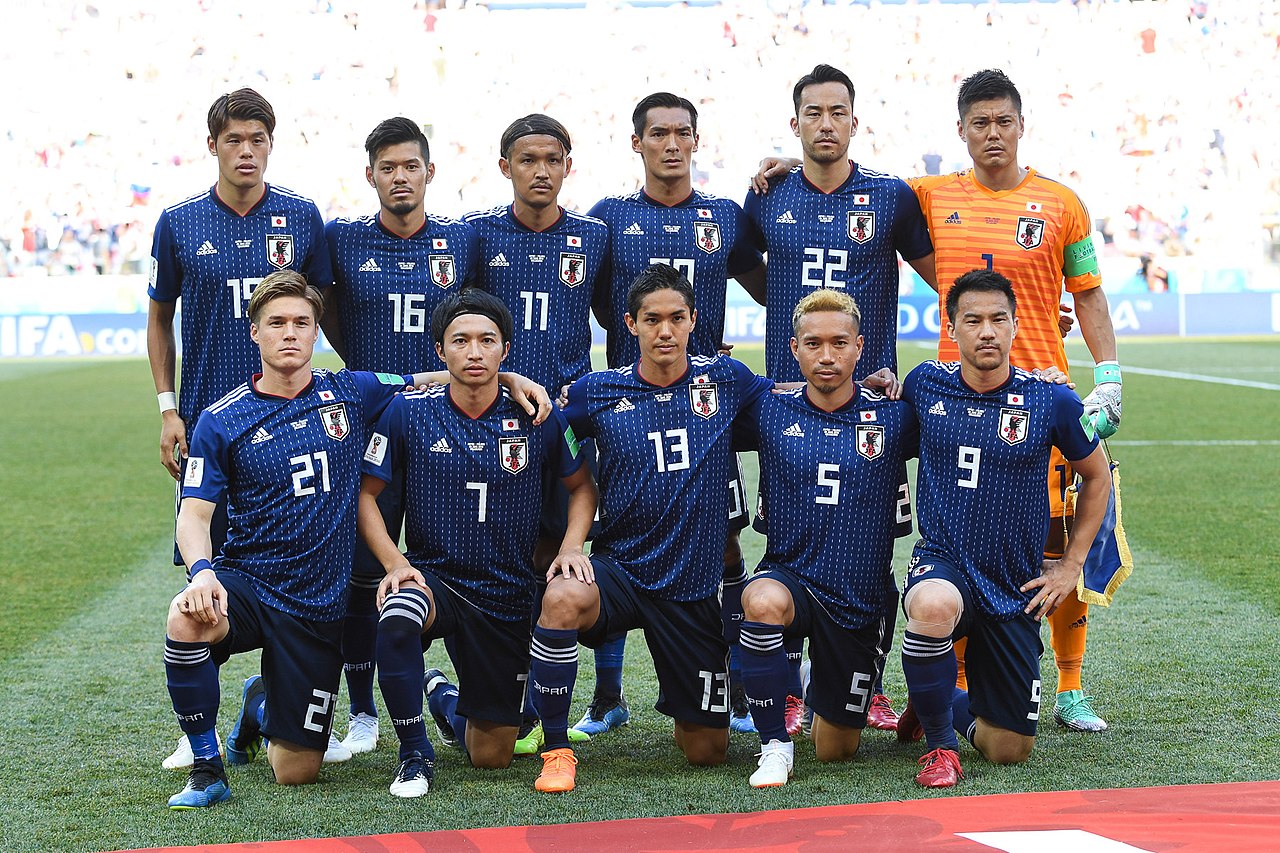
Japan have qualified for every World Cup since 1998, co-hosting the 2002 tournament with South Korea and reaching the round of sixteen on home soil. Their 2022 Qatar campaign was their finest: Moriyasu's side defeated Germany and Spain in Group E before losing to Croatia on penalties. The Samurai Blue have reached the knockout stage four times in total. No Asian nation has gone further than the quarter-finals, a ceiling Japan came agonisingly close to breaking in Qatar, and they arrive at 2026 with genuine belief they can finally crack it.
Japan are out of the World Cup
Japan were knocked out in the Round of 32, losing 1–2 to Brazil.
Players to watch
Moriyasu typically lines up in a 4-2-3-1, with Endo and Ao Tanaka forming a disciplined double pivot that allows Kubo and Ritsu Doan to press high and wide. Japan defend with a compact mid-block and spring forward in rapid transitions, using the width of Yukinari Sugawara and Hiroki Ito as overlapping full-backs to stretch opponents. Kamada operates as the ten, threading passes into the channels.
Watch Takefusa Kubo first — the Real Sociedad winger is Japan's most technically gifted attacker, capable of beating defenders in tight spaces with quick directional changes that make him genuinely dangerous in the final third. Wataru Endo anchors Liverpool's midfield and brings that same defensive intelligence and press-resistance to Japan's engine room. Daichi Kamada is the creative wildcard, a late-arriving midfielder whose timing in the box regularly produces goals from nothing.
Japan's collective pressing is among the most organised in Asia, built around Endo's reading of the game and Tanaka's tireless covering runs. Their ability to hurt elite opponents on the counter — as Germany and Spain discovered in 2022 — gives them a genuine tactical weapon against higher-ranked sides.
Japan's squad depth in central striking is thin: Ayase Ueda and Koki Ogawa are solid club-level forwards but neither has consistently dominated at international level. Set-piece defending has also been a recurring vulnerability, and Ko Itakura and Tsuyoshi Watanabe will need to be sharper aerially against physical European and South American forwards.
The lines
Daizen Maeda offers relentless pressing and aerial threat from Celtic, while Ayase Ueda provides a more technical finishing option after a productive Feyenoord career. Kubo operates as the creative hub behind them, and Doan's direct running from wide areas at Eintracht Frankfurt adds another dimension.
Endo and Tanaka form a disciplined double pivot — one protecting, one progressing — giving Kamada licence to arrive late and create. Kaishu Sano and Junnosuke Suzuki provide cover, while Keito Nakamura's technical ability off the bench adds variety when Japan need to unlock a deep defensive block.
Hiroki Ito has established himself at Bayern Munich and is Japan's most assured centre-back. Ko Itakura partners him at Ajax, offering composure in possession. Takehiro Tomiyasu provides versatility across the back line, and Sugawara's attacking instincts from right-back at Werder Bremen give Japan an extra outlet in build-up.
Zion Suzuki of Parma is the likely starter, having displaced veterans as Japan's first choice. Still young and developing at Serie A level, he is athletic and commanding in his area, though his inexperience at major tournaments remains an open question heading into the group stage.
Squad





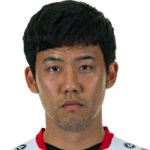
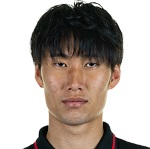

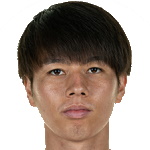


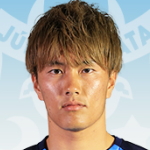
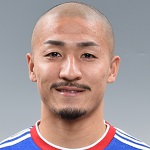
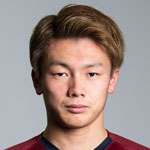
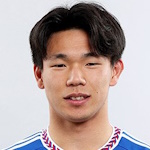
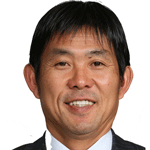 Manager: Hajime MoriyasuView profile →
Fixtures & results
Frequently asked questions
What group is Japan in at the 2026 World Cup?
Japan are in Group F at the 2026 FIFA World Cup.
Who is Japan's manager?
Japan are managed by Hajime Moriyasu.
Who are Japan's players to watch?
Key players to watch for Japan include Takefusa Kubo, Wataru Endo, Daichi Kamada.
See the full World Cup 2026 title odds and predicted bracket.