78 Ancient Temples in Rome
Discover Rome's ancient temples and historical wonders beyond the usual tourist trail. Explore well-preserved structures like the Pantheon and the Temple of Hadrian, delve into layered history at the Basilica of San Clemente, and wander through the ruins of the Roman Forum. From the oldest temples to imperial grandeur, uncover Rome's rich past.

See what's trending
We've done exactly what you would have done—spent hours scrolling through TikTok, Instagram, and Reddit to find the absolute best experiences. These 23 recommendations come from real travelers sharing their unfiltered takes, hidden gems, and insider secrets. No travel agency fluff, just the wisdom of people who've actually been there. This is how everyone really plans their trips these days.


Step into the Pantheon, a marvel of Roman engineering and one of the best-preserved ancient buildings in the world. Originally a temple to all gods, its massive dome with the iconic oculus is a breathtaking sight.
Tip: Visit early or late to avoid crowds. Entry fee applies.

Journey through layers of history at the Basilica of San Clemente, where you can descend from the 12th-century church to a 4th-century basilica, and further down to an ancient Roman street with a pagan temple.
Tip: Wear comfortable shoes for exploring the underground levels.
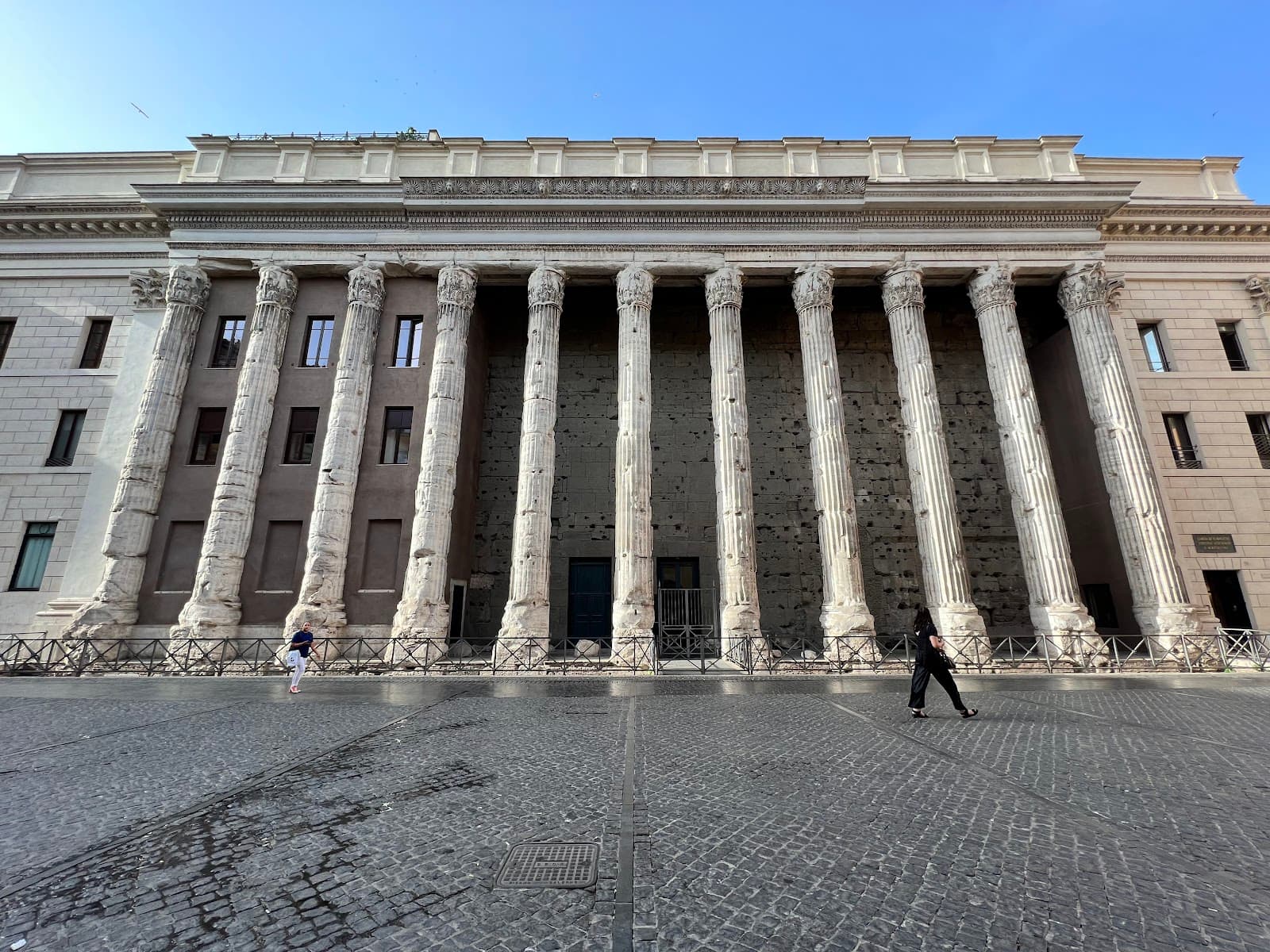
Marvel at the imposing columns of the Temple of Hadrian, a stunning example of ancient Roman architecture. Inside, an immersive cinema offers a captivating journey through Rome's history.
Tip: The cinema experience is a small fee and offers a great historical context.

Explore the Foro Boario, home to two of Rome's oldest and most intact ancient temples: the Temple of Hercules Victor and the Temple of Portunus.
Tip: These temples are located in a historically significant area of ancient Rome.

Wander through the heart of ancient Rome at the Roman Forum, once the bustling center of political and social life. Imagine senators debating and citizens gathering amidst the ruins.
Tip: Consider a guided tour to fully understand the significance of the various structures.
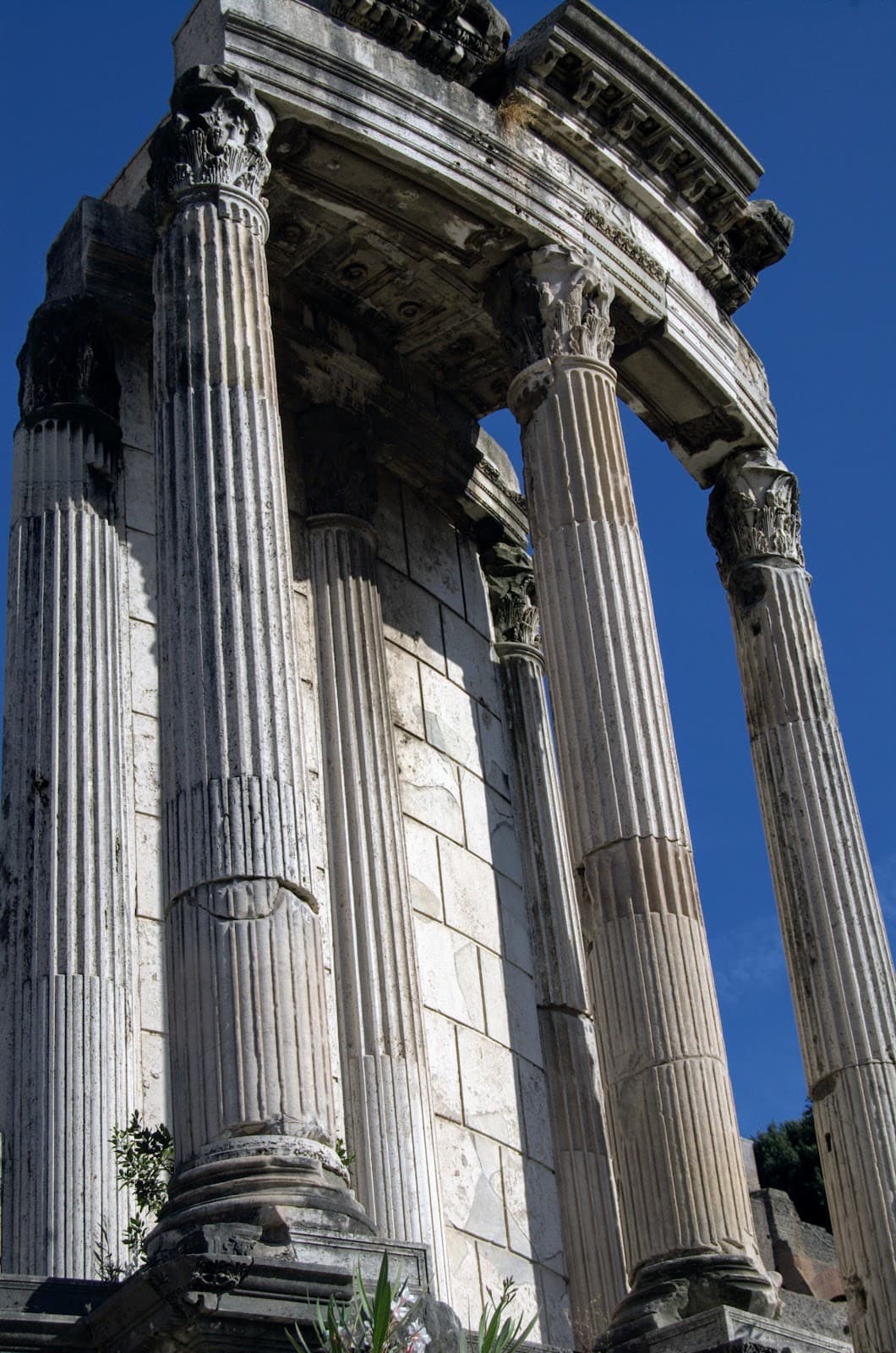
Discover the circular Temple of Vesta, where the Vestal Virgins tended the sacred fire of Rome. It's a poignant reminder of ancient Roman religious practices.
Tip: Located within the Roman Forum, it's best visited with a general Forum ticket.

Find the unique circular Temple of Romulus in the Roman Forum, an architectural gem from the early 4th century AD, offering a glimpse into a different era of Roman history.
Tip: Its distinctive shape makes it stand out among the other ruins in the Forum.

Admire the remaining columns of the Temple of Apollo, a striking ancient structure located across from the Theater of Marcellus, offering a glimpse into Rome's past.
Tip: This site is easily accessible and offers great photo opportunities.

Explore the impressive ruins of the Temple of Venus and Roma, one of the largest ancient temples in Rome, offering a sense of its former grandeur.
Tip: This temple is located near the Colosseum and Roman Forum.
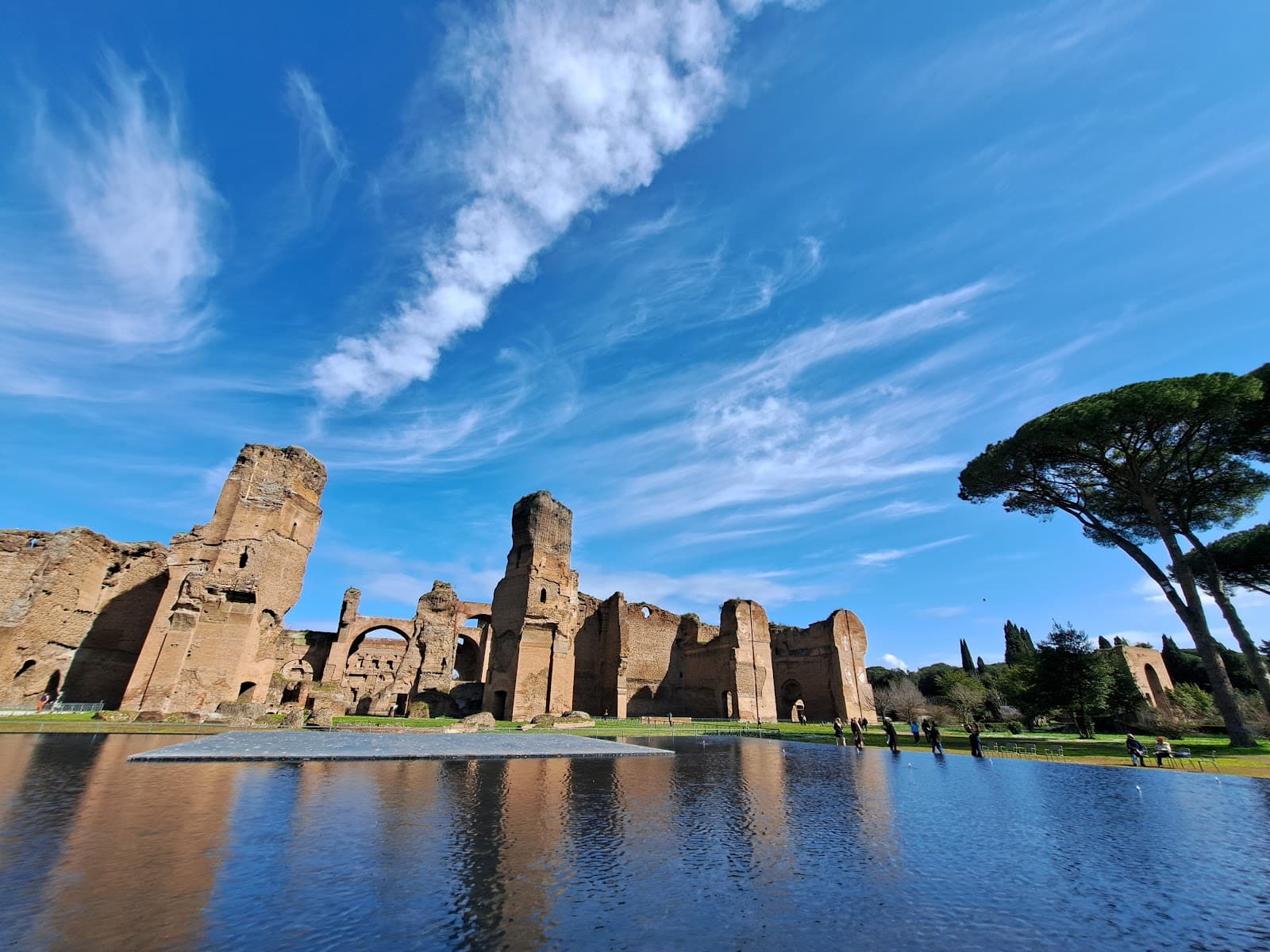
Imagine the grandeur of ancient Roman public life at the Baths of Caracalla, a vast complex of thermal baths that showcases impressive engineering and scale.
Tip: Allow ample time to explore the extensive ruins.

Stand where Julius Caesar was famously assassinated at Largo di Torre Argentina, a fascinating archaeological site in the middle of the city, now also a sanctuary for cats.
Tip: It's a unique spot to see ancient ruins amidst modern city life.
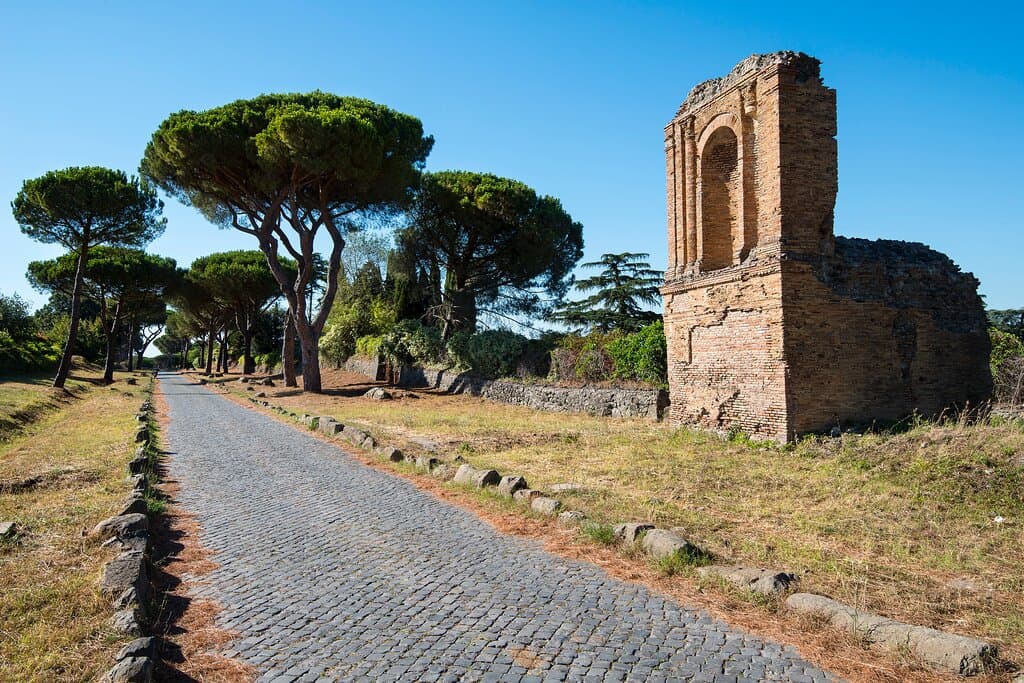
Stroll along the ancient Appian Way, a historic Roman road lined with tombs, ruins, and ancient villas, offering a journey back in time.
Tip: Rent a bike for a more extensive exploration of the area.
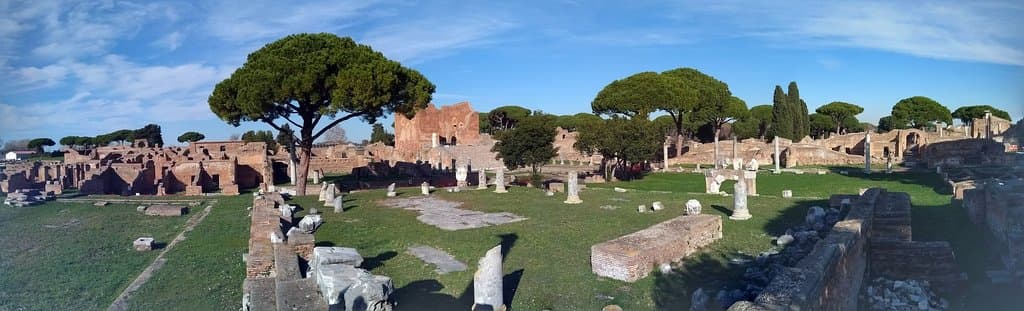
Step back in time at Ostia Antica, the remarkably well-preserved ancient port city of Rome. Wander through its streets, theaters, and apartment buildings.
Tip: This site is extensive; dedicate a full day to explore.

Explore Trajan's Market, often considered the world's first shopping mall, a multi-level complex that offers insight into Roman commerce and daily life.
Tip: Part of the Imperial Forums, it provides a great perspective on Roman urban planning.
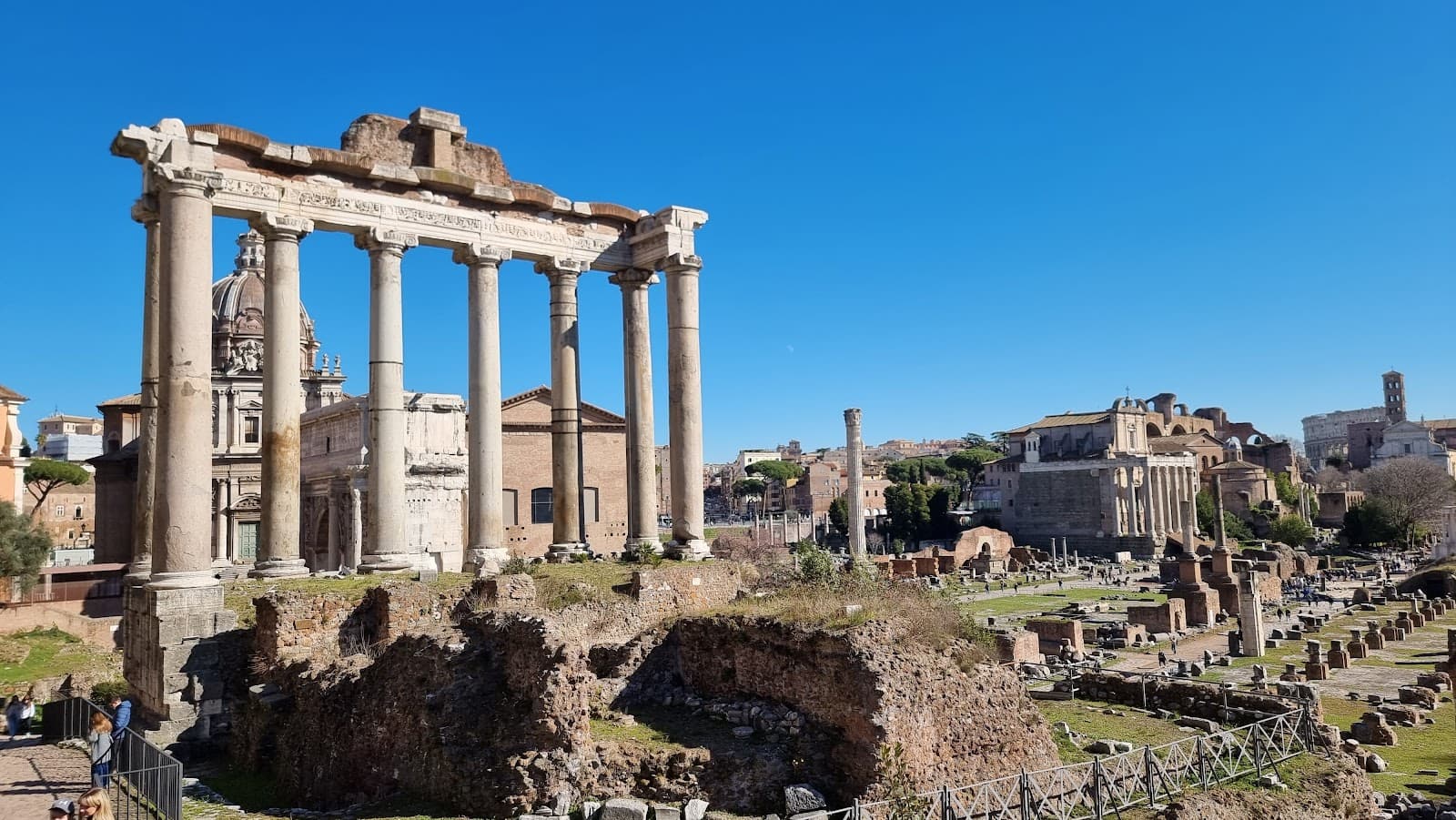
See the iconic remaining columns of the Temple of Saturn in the Roman Forum, once a vital treasury and a symbol of Roman prosperity.
Tip: Its prominent location makes it a key landmark within the Forum.
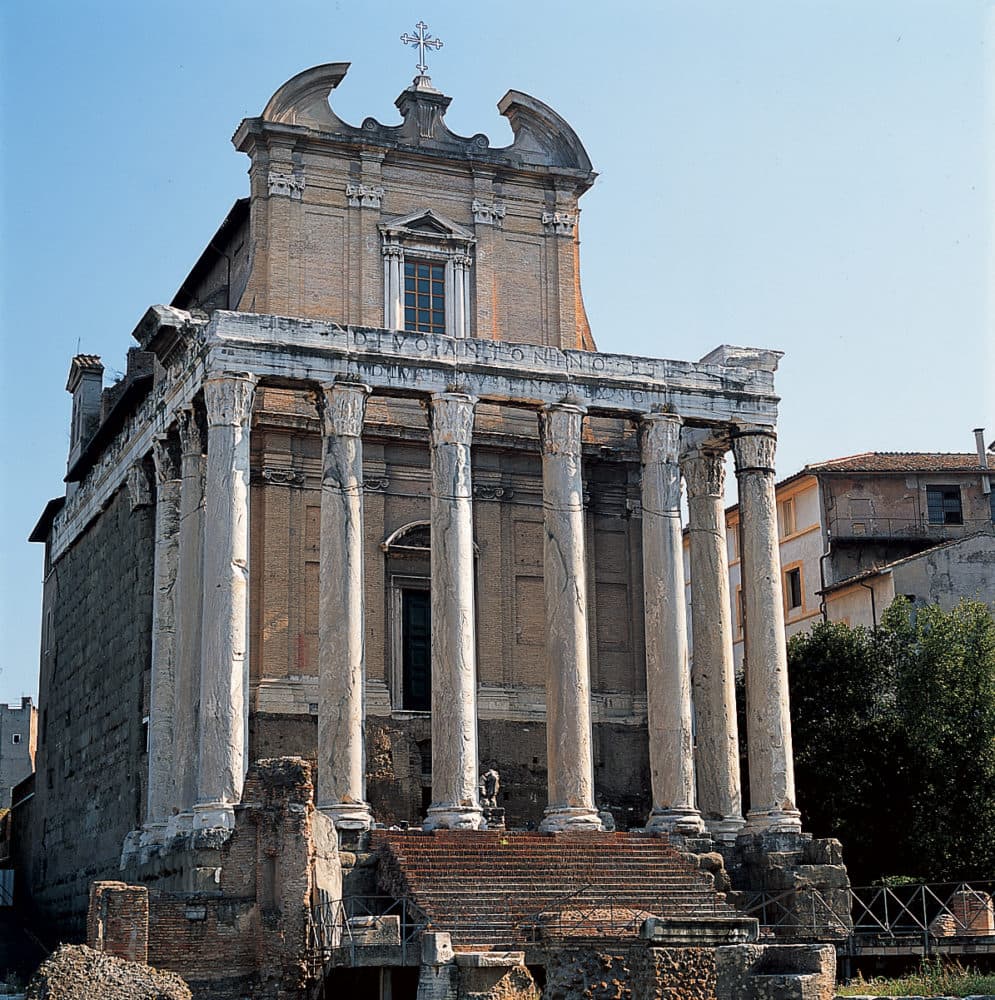
Observe the well-preserved Temple of Antoninus and Faustina, a striking structure in the Roman Forum with its original Corinthian columns and inscription.
Tip: Its integration into a later church highlights Rome's layered history.
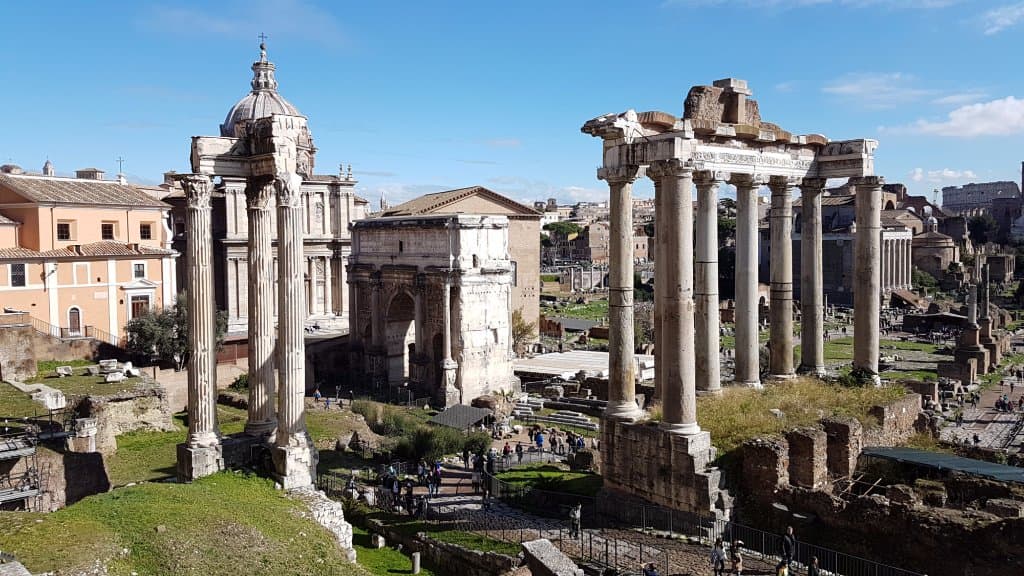
View the three remaining Corinthian columns of the Temple of Vespasian and Titus, a testament to the grandeur of imperial Rome, located in the Roman Forum.
Tip: This temple is situated near other significant Forum ruins.

Admire the three majestic columns of the Temple of the Dioscuri (Castor and Pollux) in the Roman Forum, a visually striking remnant of ancient Roman architecture.
Tip: Its height and distinct columns make it a memorable sight.

Discover remnants of the Servian Walls, ancient fortifications dating back to the 4th century BC, offering a glimpse into Rome's early defensive structures.
Tip: Sections of the wall can be found near Termini station.

See the impressive engineering of the Cloaca Maxima, one of the world's earliest sewer systems, showcasing ancient Roman ingenuity in sanitation.
Tip: While not a typical tourist site, its historical significance is immense.

Admire the ancient Theater of Marcellus, an impressive open-air venue that has been adapted over centuries and still stands as a significant architectural landmark.
Tip: Its unique structure is visible from the outside and integrated into modern buildings.

Take a guided tour of the Domus Aurea, Emperor Nero's opulent 'Golden House,' an archaeological site that reveals the lavish scale of imperial residences.
Tip: Book tickets in advance as tours are limited.

See the remarkably preserved Temple of Hercules Olivarius, one of the oldest temples in Rome, located in the ancient Forum Boarium.
Tip: Often visited alongside the Temple of Portunus.

See the substructures of ancient huts on Palatine Hill, believed to be evidence of Rome's earliest settlements dating back to the 10th century BC.
Tip: These offer a glimpse into the very origins of Rome.

Explore the fascinating layers beneath the Basilica of Saints John and Paul, including ancient Roman houses and a Mithraic temple.
Tip: The underground levels offer a unique historical perspective.
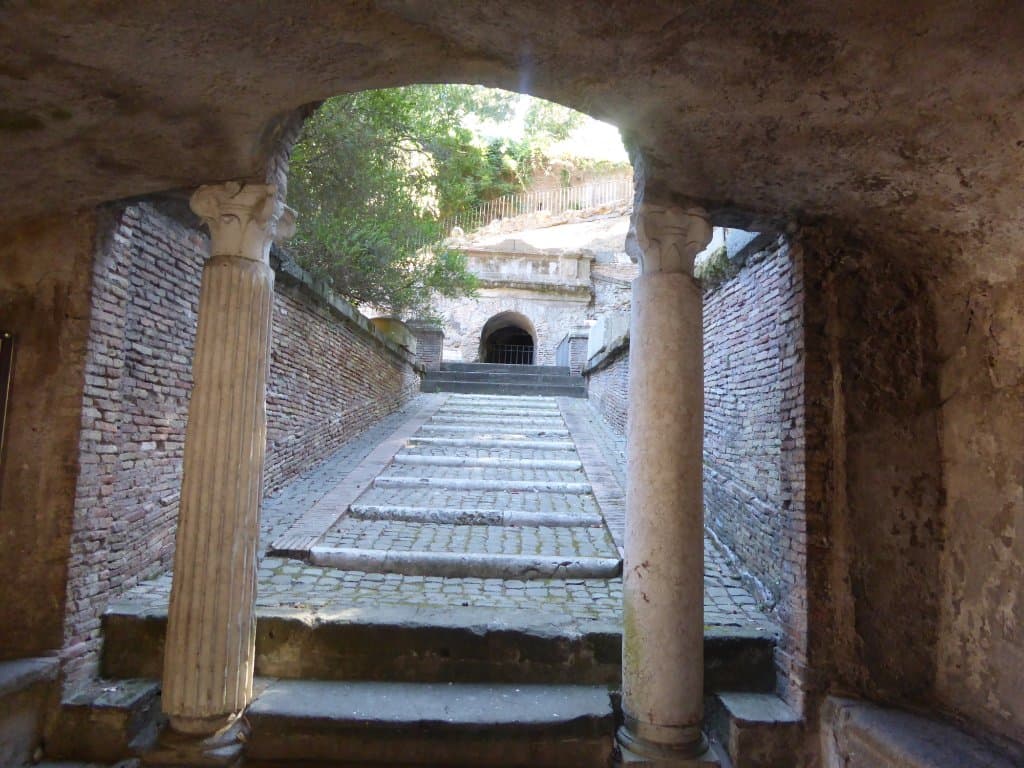
Visit the Tomb of the Scipios, an ancient Roman burial site that was once the resting place of the prominent Scipio family, known for its role in the Punic Wars.
Tip: Located along the Appian Way, it's part of a rich historical landscape.
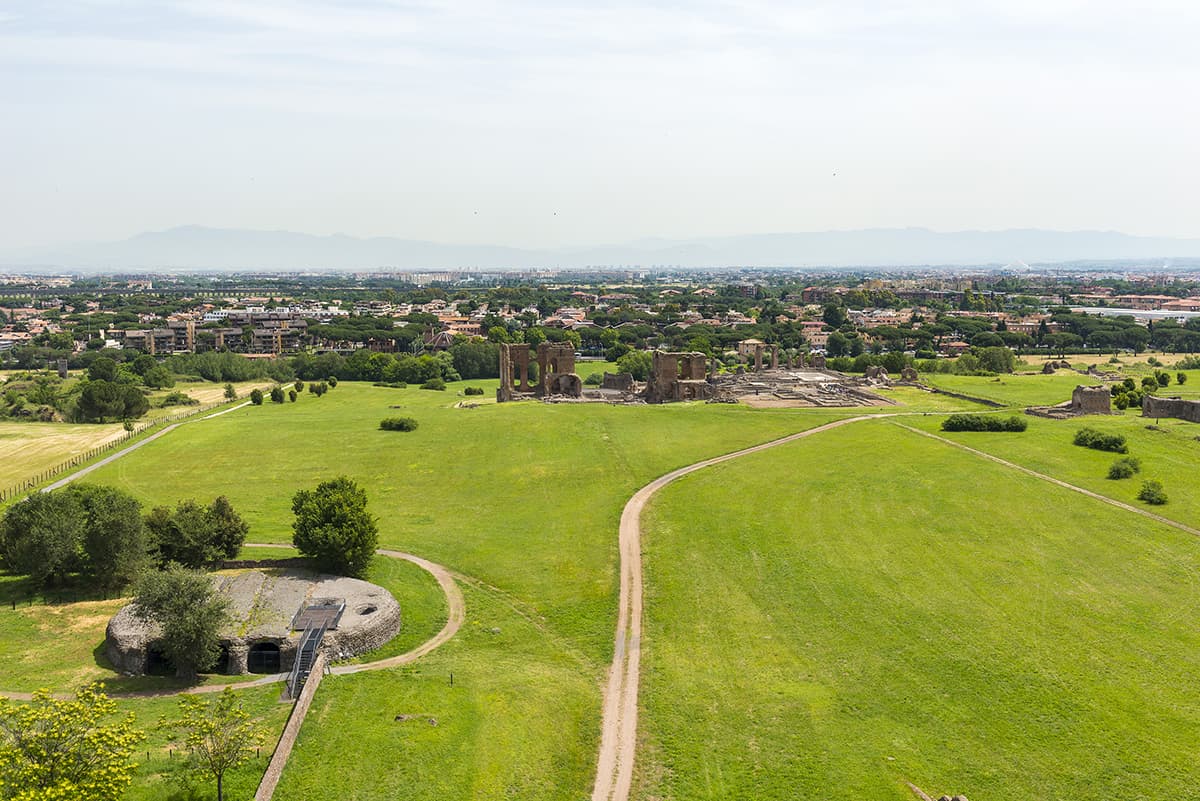
Discover the impressive ruins of the Villa dei Quintili along the Appian Way, a vast and luxurious ancient Roman villa offering stunning views.
Tip: Requires a bit of travel from the city center but is well worth the visit.

Explore the remains of the Baths of Diocletian, one of the largest public bath complexes in ancient Rome, now housing part of the National Roman Museum.
Tip: The museum exhibits provide context to the vast ruins.

Visit the site of the Temple of Jupiter Optimus Maximus on Capitoline Hill, the most important temple in ancient Rome, though little remains of the original structure.
Tip: The current Capitoline Museums are built on the ancient foundations.
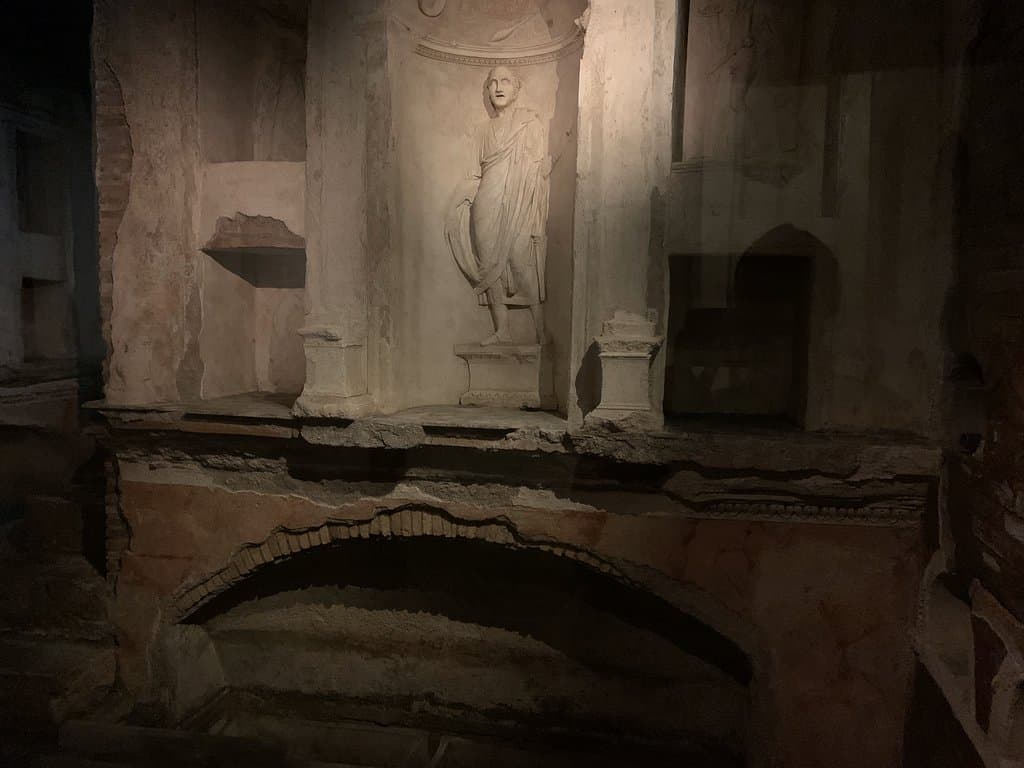
Take a guided tour of the Vatican Necropolis, an ancient Roman burial ground beneath St. Peter's Basilica, offering a unique and profound historical experience.
Tip: Book this highly sought-after tour months in advance.
Admire the three remaining columns of the Temple of Castor and Pollux, a prominent and beautiful structure in the Roman Forum dedicated to the divine twins.
Tip: Its distinctive appearance makes it easily recognizable.

View the remnants of the Temple of Concordia in the Roman Forum, a site dedicated to the goddess of harmony, which has witnessed significant historical events.
Tip: Its location provides context to the surrounding political and social structures.
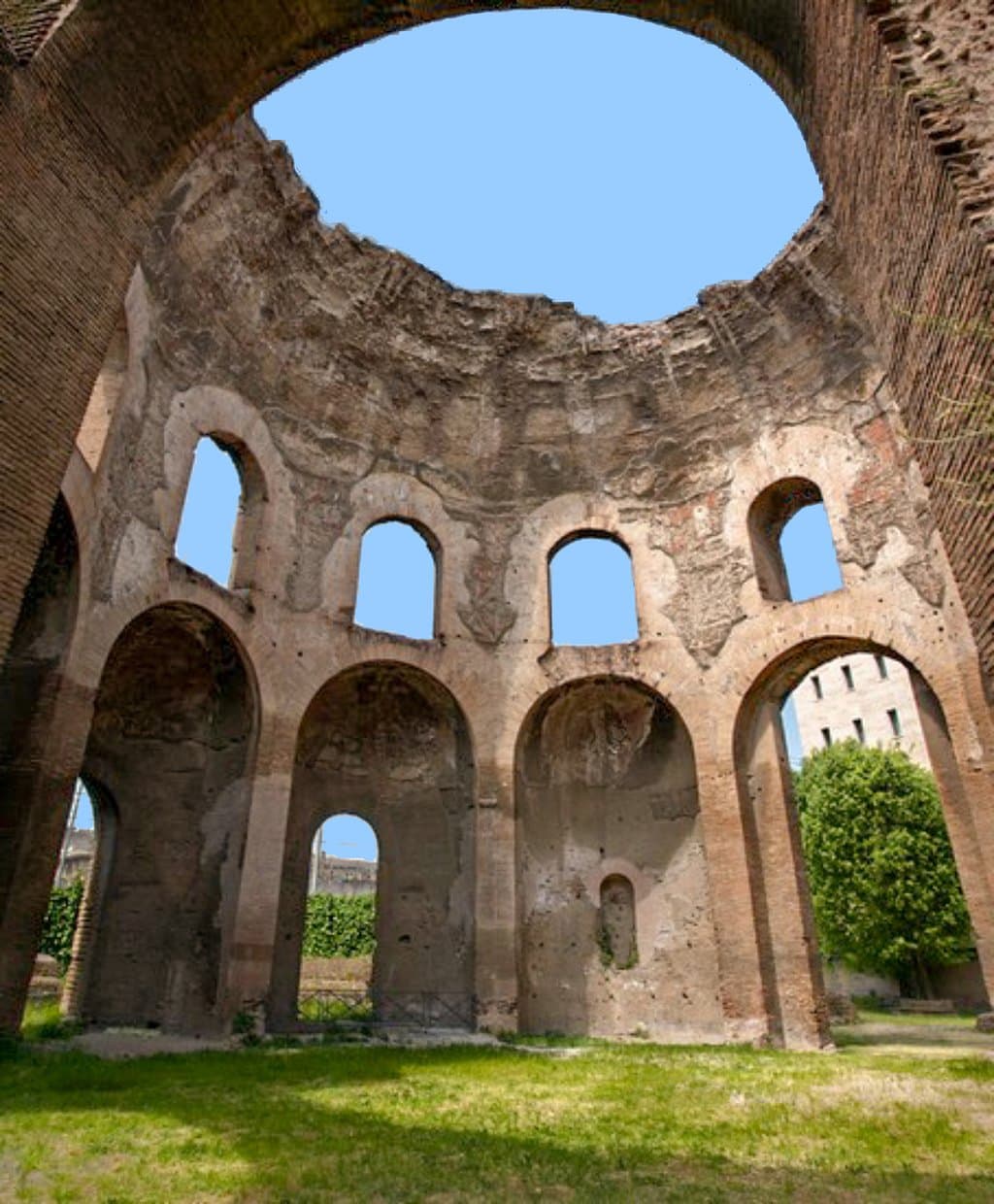
Discover the remains of the Temple of Minerva, once dedicated to the goddess of wisdom and warfare, located within the Roman Forum.
Tip: Part of the Imperial Forums complex, offering a broader historical context.

See the remains of the Temple of Venus Genetrix in the Imperial Forums, originally vowed by Julius Caesar, dedicated to his divine ancestor.
Tip: This temple is part of the larger Forum of Caesar.

Discover the Porticus of the 12 Gods, an ancient Roman structure that served as a meeting point and housed statues of the twelve Olympian deities.
Tip: Though not a temple, it was a significant religious and social space.
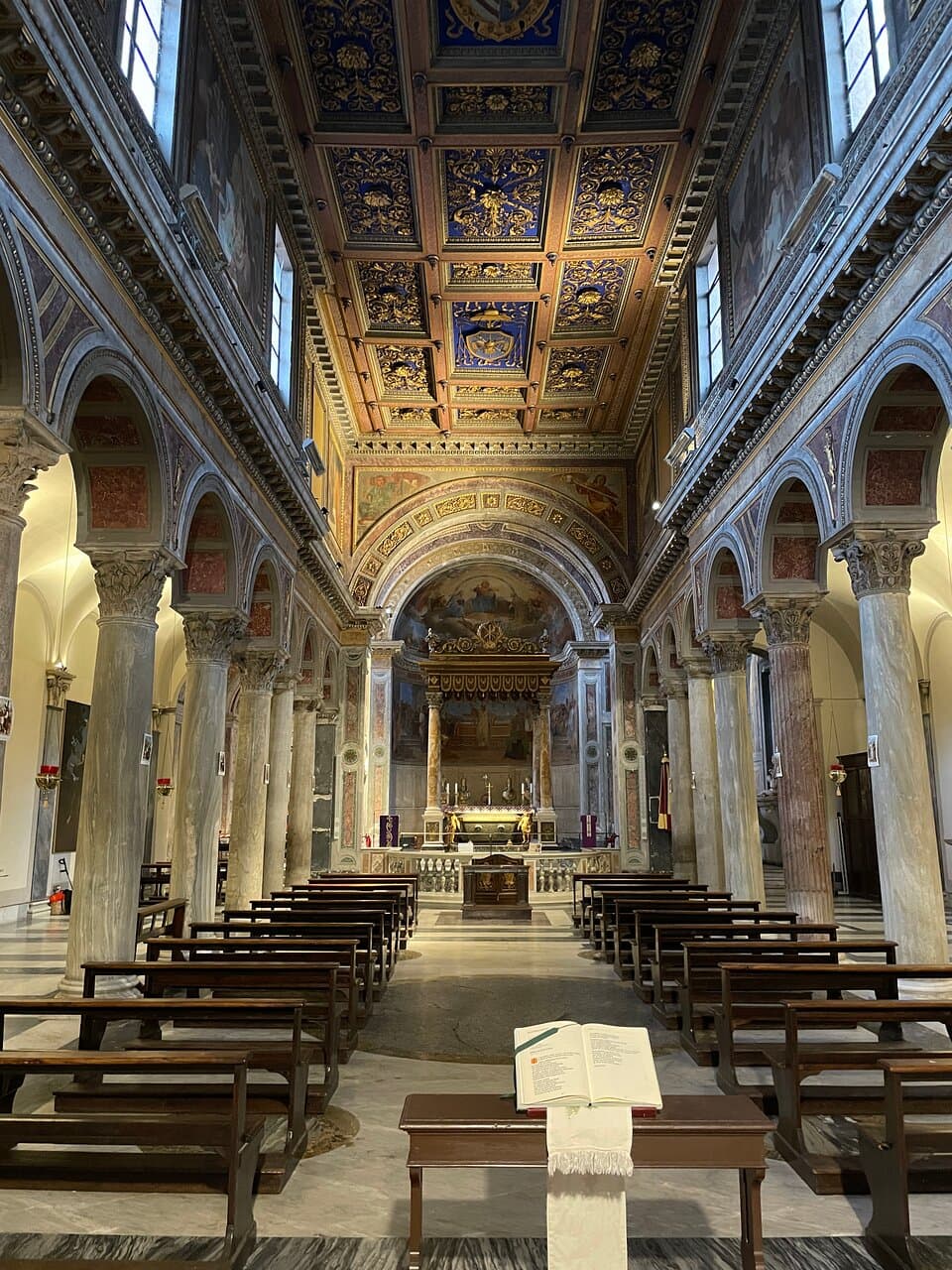
Explore the foundations of the Church of San Nicola in Carcere, which incorporates the remains of three ancient Roman temples from the 3rd century BC.
Tip: You can see the temple basements both inside and outside the church.

Discover the ancient foundations of the Temple of Juno, one of the three Roman temples incorporated into the structure of the Church of San Nicola in Carcere.
Tip: Look for the visible remnants within the church's structure.

Explore the ancient remains of the Temple of Spes, one of the three Roman temples integrated into the Church of San Nicola in Carcere, dating back to the 3rd century BC.
Tip: Visible in the underground levels of the church.
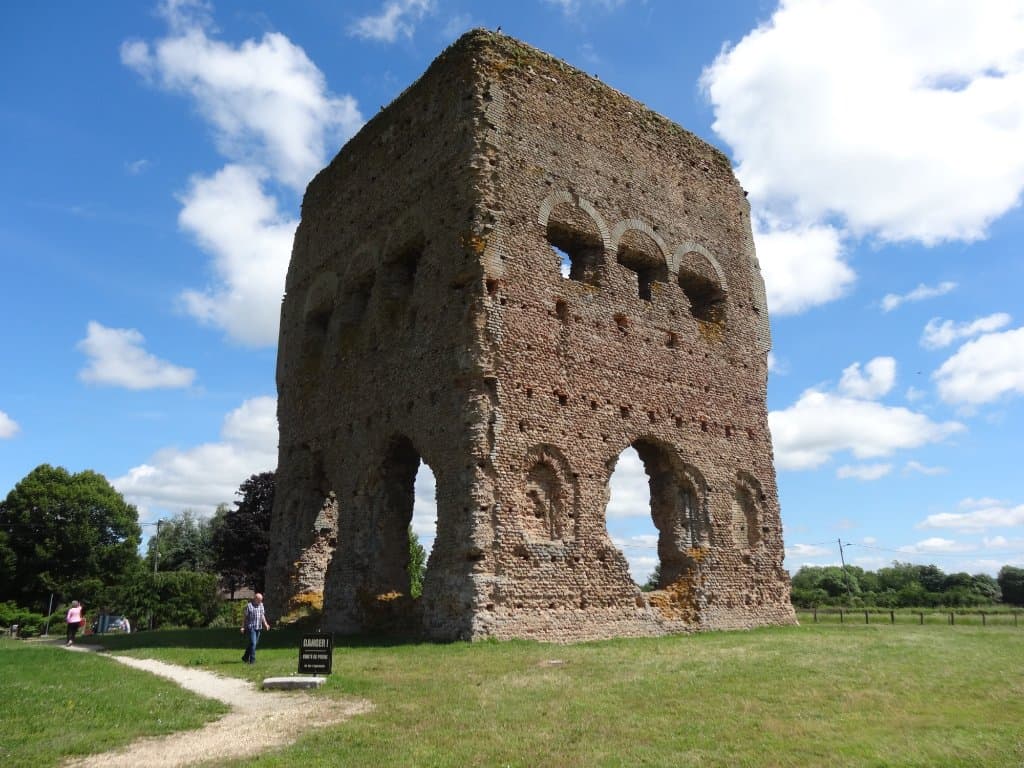
Discover the ancient foundations of the Temple of Janus, one of the three Roman temples incorporated into the Church of San Nicola in Carcere, representing a significant piece of ancient history.
Tip: Accessible through the church's underground areas.
While the main Pantheon is a must-see, its crypt also holds historical significance, offering a deeper look into the structure's past and notable burials.
Tip: Check for access and any specific visiting hours for the crypt.

See the Ara Pacis Augustae, an altar dedicated to the Roman goddess of Peace, housed in a modern museum designed by Richard Meier, showcasing intricate Roman reliefs.
Tip: The museum provides excellent context for the altar's historical importance.

Visit the Mausoleum of Augustus, the monumental tomb built for the first Roman emperor, offering a glimpse into imperial funerary architecture.
Tip: Check for current accessibility as it undergoes restoration.

Descend into the crypt of Santa Cecilia in Trastevere to find well-preserved remnants from the 2nd century AD, offering a fascinating glimpse into early Christian Rome.
Tip: A hidden gem in the charming Trastevere neighborhood.

Admire the remarkably preserved Temple of Portunus, an ancient Roman temple dedicated to the god of harbors, known for its Ionic columns and portico.
Tip: Located in the Forum Boarium, it's easily accessible.
See the Temple of Hercules Victor, considered the most ancient structure still standing in Rome, dating back to 120 BC, located in the Forum Boarium.
Tip: Its circular design and well-preserved state make it a standout.

Wander through the expansive Imperial Forums, a series of monumental public squares built by emperors like Caesar, Augustus, and Trajan, showcasing Roman power and architecture.
Tip: Combine with a visit to Trajan's Market for a comprehensive experience.

Visit the site of the Temple of Peace (Templum Pacis), a vast ancient Roman structure built by Emperor Vespasian, which housed art and served as a library.
Tip: Located in the Imperial Forums area, offering historical context.
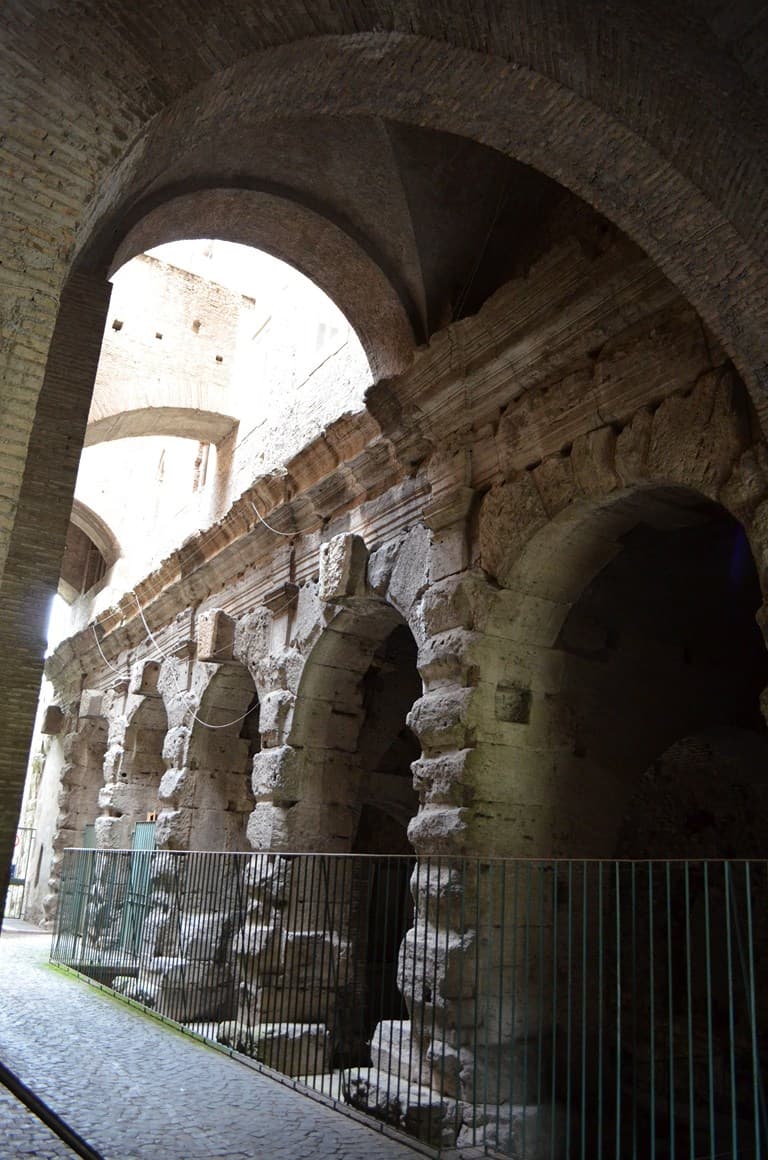
Explore the remains of the Temple of Claudius, an ancient Roman temple dedicated to the deified Emperor Claudius, located on the Caelian Hill.
Tip: Offers a less crowded perspective on Roman imperial worship.

See the remnants of the Temple of Diana on the Aventine Hill, an ancient Roman temple dedicated to the goddess of the hunt and moon.
Tip: Combine with a visit to the nearby Orange Garden for panoramic views.
Discover the site of the Temple of Bellona, an ancient Roman temple dedicated to the goddess of war, located near the Theater of Marcellus.
Tip: Its historical significance is tied to Roman military and political events.
Admire the three iconic columns of the Temple of Castor, a prominent structure in the Roman Forum dedicated to one of the divine twins.
Tip: Easily recognizable and a key landmark within the Forum.
View the remains of the Temple of Pollux, part of the larger Temple of Castor and Pollux complex in the Roman Forum, dedicated to the other divine twin.
Tip: Often seen in conjunction with the Temple of Castor.
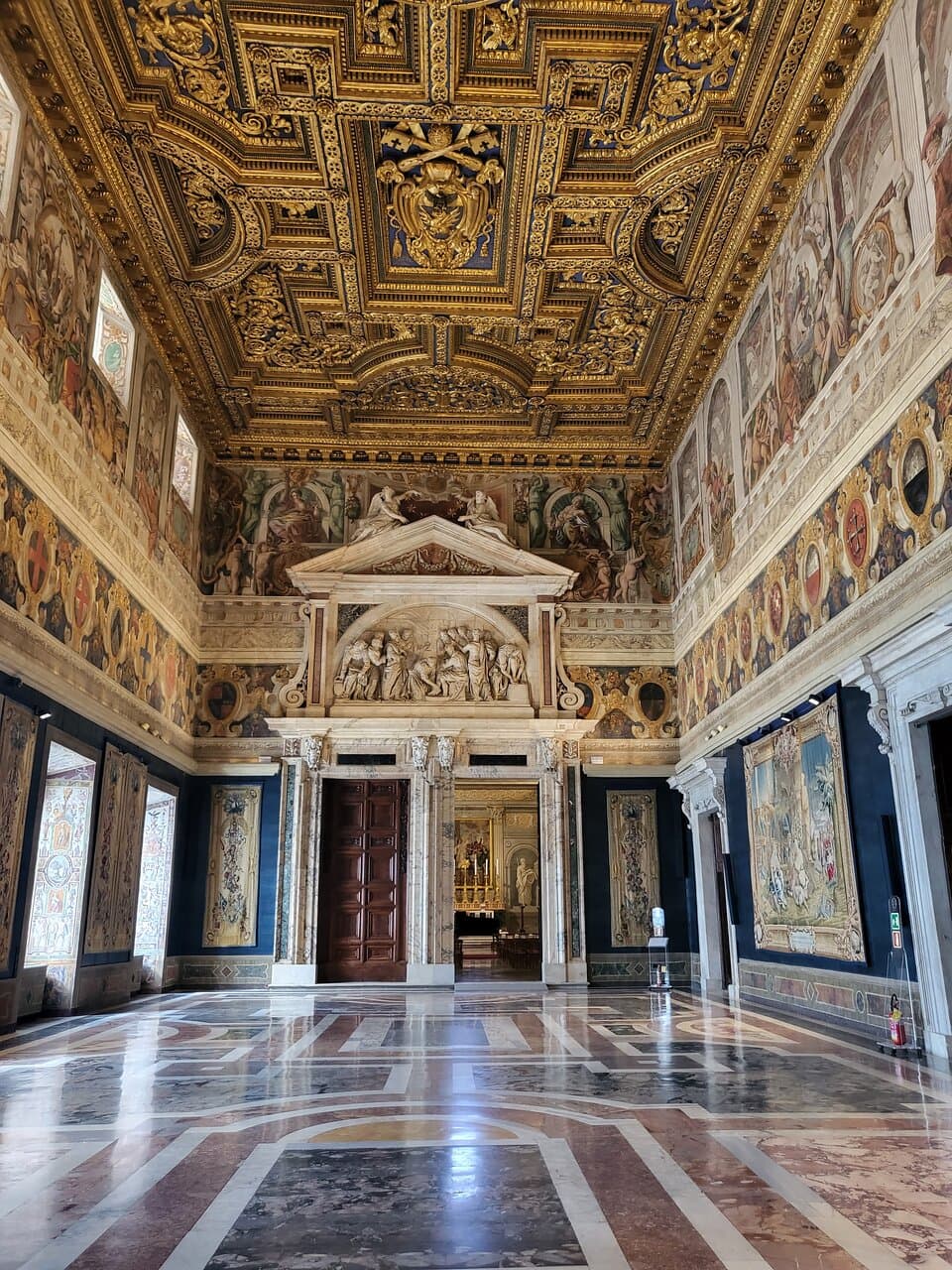
Discover the site of the Temple of Quirinus, an ancient Roman temple dedicated to the Sabine god Quirinus, who was identified with the deified Romulus.
Tip: Located on the Quirinal Hill, offering historical context.
Visit the site of the ancient Temple of Diana on the Aventine Hill, a significant religious spot dedicated to the goddess of the moon and hunt.
Tip: Enjoy the views from the Aventine Hill after your visit.

Visit the site where the grand Temple of Jupiter Optimus Maximus once stood on Capitoline Hill, the most important temple in ancient Rome.
Tip: While little remains, its historical significance is immense.
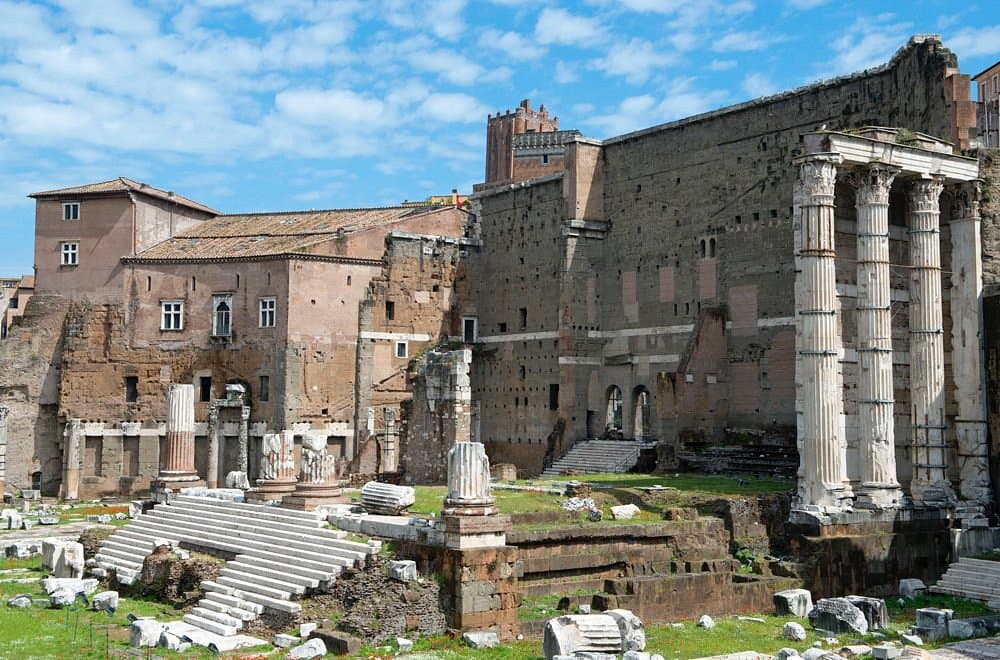
See the remains of the Temple of Mars Ultor (Mars the Avenger) in the Forum of Augustus, built by Emperor Augustus to commemorate his victory.
Tip: A key part of the Imperial Forums complex.
Explore the unique decagonal structure of the Temple of Minerva Medica, an ancient Roman building whose exact function remains debated but is architecturally significant.
Tip: Its distinctive shape makes it a memorable site.
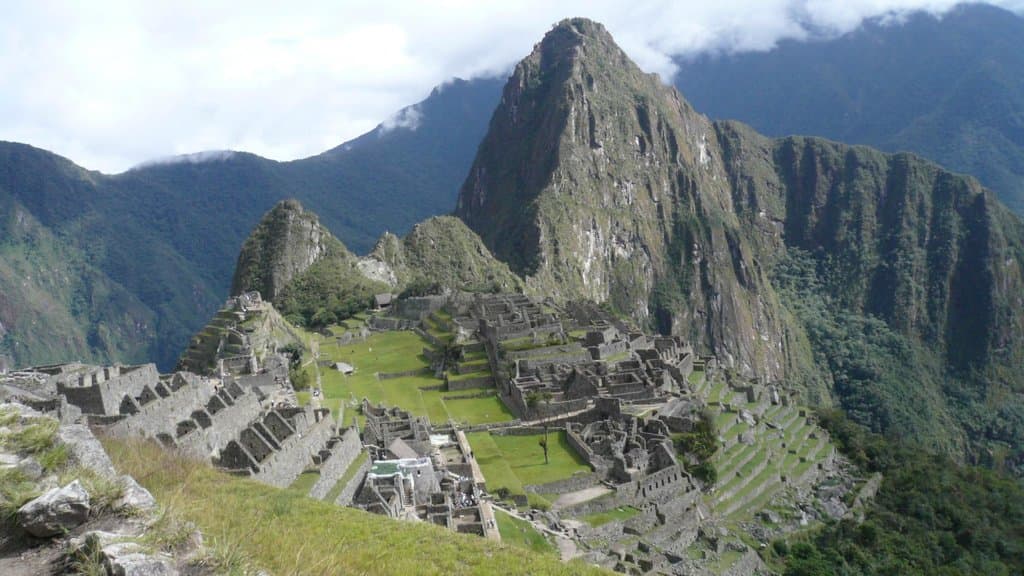
Discover the site of the Temple of the Sun, an ancient Roman temple dedicated to the sun god Sol Invictus, located on the Quirinal Hill.
Tip: Offers insight into Roman solar cults.
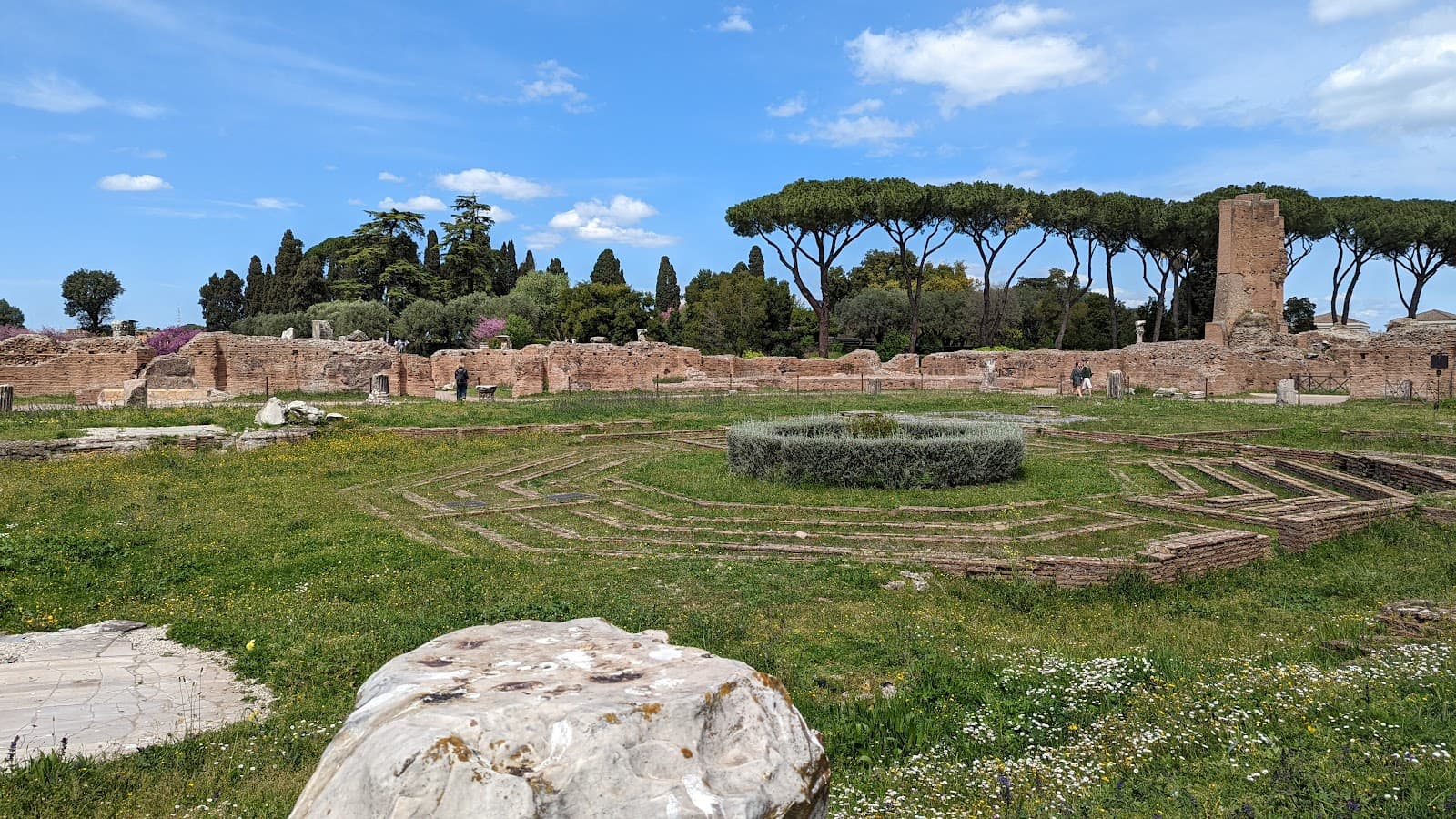
Visit the site of the Temple of Cybele on the Palatine Hill, dedicated to the Phrygian mother goddess, which played a role in Roman religious life.
Tip: Part of the ancient religious landscape of the Palatine.

See the remains of the Temple of Flora, an ancient Roman temple dedicated to the goddess of flowers and spring, located near the Circus Maximus.
Tip: Associated with the Floralia festival.
Explore the site of the Temple of Vertumnus, an ancient Roman temple dedicated to the Etruscan god of seasons and agriculture, located in the Forum Boarium.
Tip: Another significant temple in the ancient marketplace area.

Discover the site of the Temple of Salus, an ancient Roman temple dedicated to the goddess of health and well-being, located on the Quirinal Hill.
Tip: Represents the importance of health in Roman society.

Visit the site of the Temple of Castitas, an ancient Roman temple dedicated to chastity, reflecting Roman moral values.
Tip: Offers insight into Roman virtues.
See the remains of the Temple of Pudicitia, an ancient Roman temple dedicated to modesty and chastity, located on the Quirinal Hill.
Tip: Another temple reflecting Roman societal ideals.
Explore the site of the Temple of Virtus, an ancient Roman temple dedicated to courage and manliness, often associated with military success.
Tip: Reflects the importance of martial prowess in Roman culture.
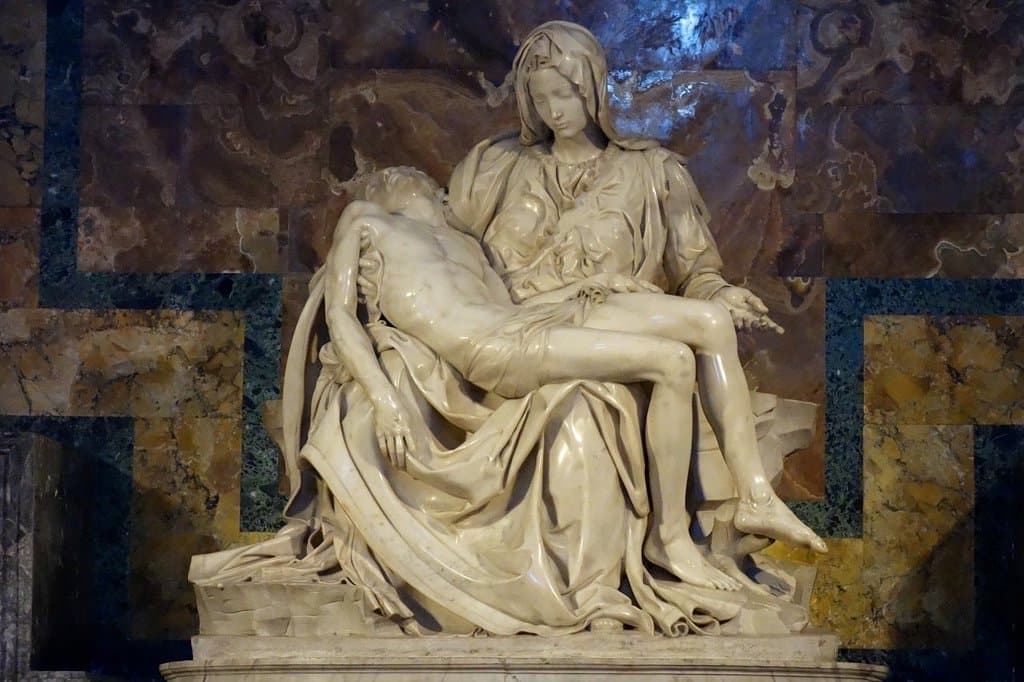
Discover the site of the Temple of Pietas, an ancient Roman temple dedicated to duty and devotion, particularly filial piety.
Tip: Represents the importance of family and respect in Roman society.
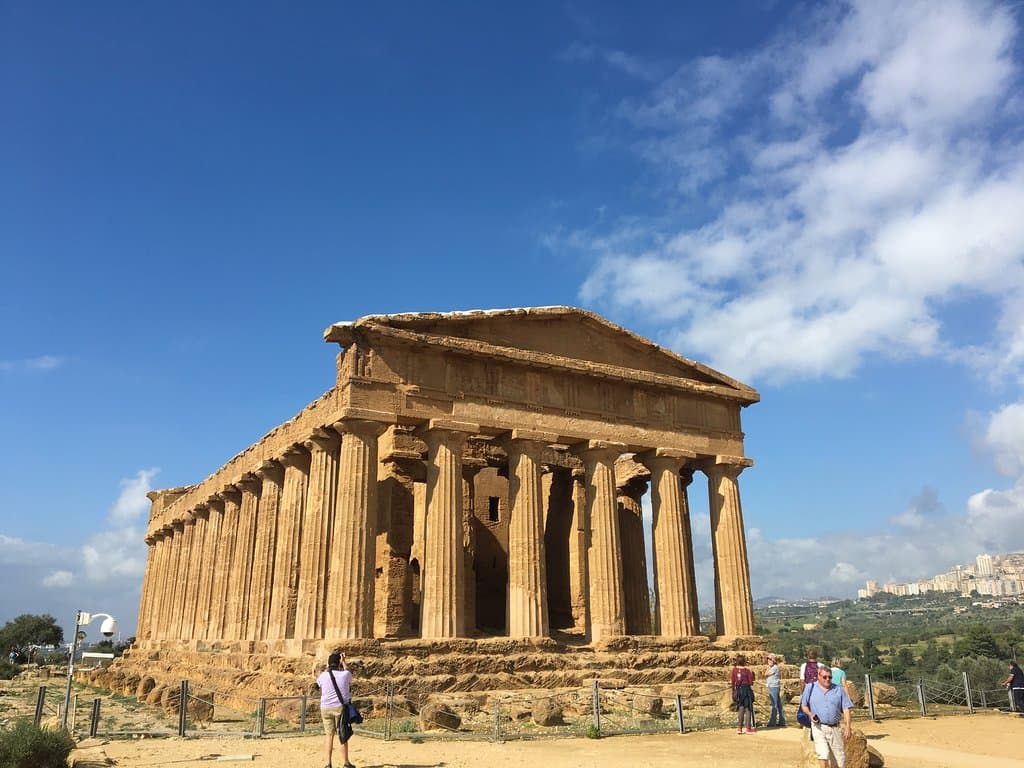
Visit the site of the Temple of Concordia Augusta, dedicated to the harmony of the imperial family, located in the Forum of Augustus.
Tip: Part of the Imperial Forums, highlighting imperial propaganda.
See the remains of the Temple of Pax (Peace), built by Emperor Vespasian, which was a significant structure in ancient Rome, housing art and serving as a library.
Tip: Also known as the Temple of Peace, it was a grand complex.
Explore the Temple of Antoninus, dedicated to Emperor Antoninus Pius and his wife Faustina, with its well-preserved Corinthian columns in the Roman Forum.
Tip: Its inscription is still visible, adding historical depth.
Admire the Temple of Faustina, part of the Temple of Antoninus and Faustina complex in the Roman Forum, dedicated to Empress Faustina.
Tip: Its prominent location makes it a key feature of the Forum.
View the three remaining columns of the Temple of Vespasian in the Roman Forum, a testament to the emperor's reign and deification.
Tip: Part of the group of temples dedicated to emperors.
See the remnants of the Temple of Titus, dedicated to Emperor Titus, located in the Roman Forum and often associated with the Temple of Vespasian.
Tip: Its historical context is linked to the Flavian dynasty.
Explore the site of the Temple of Venus, part of the larger Temple of Venus and Roma complex, dedicated to the goddess of love and beauty.
Tip: Offers a glimpse into the worship of Venus in ancient Rome.
Discover the Temple of Roma, part of the grand Temple of Venus and Roma complex, dedicated to the divine personification of Rome.
Tip: One of the largest ancient temples in Rome.
Admire the iconic three columns of the Temple of Castor and Pollux in the Roman Forum, a significant structure dedicated to the divine twins.
Tip: A visually striking landmark within the Forum.
See the Temple of Hercules Victor in the Forum Boarium, one of the oldest and best-preserved temples in Rome, dedicated to the hero Hercules.
Tip: Its circular design is a notable feature.
Explore the Temple of Portunus, a beautifully preserved ancient Roman temple in the Forum Boarium, dedicated to the god of harbors.
Tip: Its Ionic columns and portico are particularly striking.
Admire the remaining columns of the Temple of Apollo Sosianus, an ancient Roman temple located near the Theater of Marcellus.
Tip: Offers a glimpse into the grandeur of ancient Roman religious architecture.